AI Celebrities Voices: Generate Authentic Celebrity AI Voiceovers
Content creators face a challenge. You need recognizable voices that grab attention, but licensing celebrity voices costs thousands of dollars per project. Most creators can't afford that. AI celebrity voice generators solve this problem by providing instant access to hundreds of famous voices at a fraction of traditional costs.
This technology matters because authenticity drives engagement. A perfectly replicated Trump AI voice or Obama voice immediately signals to viewers what kind of content they're about to experience. The best tools capture distinctive vocal patterns, speech rhythms, and personality quirks that make each celebrity recognizable within the first few words.
Choosing the right platform requires understanding voice quality, processing speed, available celebrity options, and legal considerations. Some tools excel at political figures. Others specialize in actors or musicians. The technology behind each platform varies significantly, affecting how natural the final audio sounds and how well it handles complex emotional delivery.
This guide covers everything you need to know about AI celebrity voices. We'll explore the technology powering these tools, compare the best platforms, walk through practical generation techniques, examine legal and ethical considerations, and provide advanced tips for creating professional celebrity voiceovers that sound authentic and engaging.
Understanding AI celebrity voice technology
Modern AI voice generation uses neural networks trained on hours of audio data to replicate human speech patterns. The technology analyzes pitch, tone, cadence, accent, and emotional inflection to create synthetic voices indistinguishable from real recordings. For celebrity voices, this means capturing the unique characteristics that make each famous person's voice instantly recognizable.
How neural voice synthesis works
The foundation of celebrity AI voices lies in deep learning models that process vocal characteristics at multiple levels. These systems analyze phonemes, prosody, and acoustic features simultaneously to generate natural-sounding speech. Unlike early text-to-speech systems that sounded robotic, modern neural TTS captures the subtle nuances that make human speech expressive and authentic.
Training data quality determines output quality. The best AI voice generators use cleaned, high-quality audio samples from interviews, speeches, and performances. They filter out background noise and segment recordings into phonetically diverse samples. This ensures the model learns accurate pronunciation patterns and maintains consistency across different contexts.
Processing happens in stages. First, the text input gets converted into linguistic features. Then the model predicts acoustic parameters like pitch and duration. Finally, a vocoder synthesizes the actual audio waveform. Each stage contributes to the final voice quality, and weaknesses at any point create noticeable artifacts in the output.
Voice cloning for celebrities presents unique challenges. Public figures often have multiple vocal registers they use in different contexts. A politician's campaign speech voice differs from their casual conversation tone. The Trump voice generator on TryAIVoices handles these variations by training on diverse audio sources, capturing everything from rally speeches to interview clips.
 Photo by Blaz Erzetic on Unsplash
Key features of celebrity voice models
Distinctive characteristics separate amateur voice clones from professional tools. Accuracy in replicating signature phrases matters enormously. When generating a Morgan Freeman voice, the system must capture his distinctive gravelly tone and measured pacing. When creating Scarlett Johansson AI audio, the breathy quality and subtle rasp define authenticity.
Emotional range capability determines versatility. Basic voice generators produce monotone output regardless of context. Advanced systems like those available through TryAIVoices' celebrity library adjust emotional delivery based on punctuation, sentence structure, and semantic meaning. They can shift from neutral narration to excited enthusiasm or somber reflection within the same script.
Accent consistency proves critical for international celebrities. The Arnold Schwarzenegger voice must maintain that distinctive Austrian-American accent throughout generation. The Emma Watson AI voice needs her refined British pronunciation patterns. These accent markers function as identifying features that immediately signal whose voice you're hearing.
Processing speed affects workflow efficiency. Real-time generation enables rapid iteration and immediate preview. Slower systems that take minutes per clip disrupt creative flow and extend project timelines. The best platforms balance quality with speed, delivering professional results in seconds rather than minutes.
Voice quality metrics and evaluation
Measuring AI voice quality requires examining multiple technical factors. Mean Opinion Score testing uses human listeners to rate naturalness on a scale from one to five. Professional celebrity voice tools consistently score above 4.0, indicating most listeners perceive them as natural human speech. Scores below 3.5 reveal noticeable synthetic artifacts that break immersion.
Intelligibility measures how clearly listeners understand the generated speech. Poor intelligibility results from mumbled consonants, unclear vowels, or improper word emphasis. The Biden AI voice generator demonstrates high intelligibility by maintaining clear enunciation even in complex political vocabulary.
Prosody evaluation examines rhythm, stress, and intonation patterns. Human speech contains natural variations in pacing and emphasis that convey meaning beyond words alone. Flat prosody makes content boring and robotic. Rich prosody creates engaging delivery that holds attention. Celebrity voices require especially accurate prosody because fans recognize their speech patterns instantly.
Voice similarity compares generated audio to source recordings using spectral analysis. Advanced systems achieve 95%+ similarity scores for distinctive celebrity voices. Lower similarity indicates the model hasn't fully captured unique vocal characteristics. When testing celebrity AI voice tools, listen specifically for signature traits like laugh patterns, breathing sounds, and filler words that each celebrity uses habitually.
Best platforms for celebrity AI voices
Dozens of AI voice platforms exist, but quality varies dramatically. Some excel at accuracy while others prioritize speed or library size. Understanding each platform's strengths helps you choose the right tool for your specific content needs.
TryAIVoices: Comprehensive celebrity voice library
TryAIVoices provides instant access to 500+ celebrity and character voices with professional-quality output. The platform specializes in authentic replication of distinctive vocal characteristics. When you generate a Taylor Swift AI voice, you get her characteristic vocal fry and Nashville accent. The Kanye West voice captures his unique cadence and delivery style.
The interface simplifies the generation process to three steps. Type your text. Select your celebrity voice. Hit generate. Audio processes in 10-15 seconds and downloads immediately as MP3. No complex settings to configure. No technical expertise required. This accessibility makes it ideal for content creators who need quick turnaround without sacrificing quality.
Voice categorization helps discovery. Browse by politicians, musicians, actors, or specific franchises. Each voice includes preset sample phrases demonstrating its capabilities. Testing multiple voices for your content takes minutes rather than hours.
Subscription plans scale with usage needs. Starter plans work for occasional projects. Pro accounts suit regular content creators. Unlimited plans support high-volume production. All tiers access the full voice library, ensuring you're never limited by which celebrities you can replicate. The emphasis remains on quality and ease of use rather than restricting features behind paywalls.
Platform comparison: Features and capabilities
Different tools excel in different areas. Some prioritize celebrity voices while others focus on generic narration. Some support real-time generation while others batch-process requests. Understanding these differences prevents choosing a platform that can't meet your specific requirements.
Voice library size matters but quality matters more. A platform advertising 1,000 voices means nothing if most sound obviously synthetic. Narrow your evaluation to tools with verified celebrity voices, actual audio samples you can preview, and user reviews confirming authenticity. The TryAIVoices celebrity collection maintains quality standards across its entire library rather than inflating numbers with mediocre options.
 Photo by Matthias Groeneveld on Unsplash
Customization options vary significantly. Basic platforms offer only text input. Advanced tools provide pitch adjustment, speed control, emphasis markers, and emotional tone selection. For celebrity voices, minimal customization often produces better results. The voice model already contains the celebrity's natural speech patterns. Over-customizing can introduce artifacts that make the voice sound less authentic.
Output format flexibility affects post-production workflow. Most platforms export MP3 or WAV files. Some support direct integration with video editing software. Others provide API access for automated generation. Choose based on your existing workflow. If you edit in Premiere Pro, downloading individual clips works fine. If you're building a podcast automation system, API access becomes essential.
Pricing structures range from pay-per-generation to flat monthly subscriptions. Pay-per-use works for occasional projects but becomes expensive at scale. Monthly subscriptions make sense when producing regular content. Calculate your expected monthly generation volume and compare total costs across platforms. Factor in voice quality, not just price. Cheap tools that require multiple regenerations cost more time and frustration than premium platforms that nail the first attempt.
Specialized tools for specific celebrities
Some platforms specialize in particular celebrity categories. Political voice generators focus on presidents, senators, and world leaders. Entertainment-focused tools prioritize actors, musicians, and social media personalities. Gaming-oriented platforms excel at streamers and gaming celebrities.
Political voice tools like the Trump voice generator and Obama AI voice often include political vocabulary and speech patterns common to campaign rhetoric. These specialized models handle policy terminology, formal addresses, and debate-style delivery better than general-purpose tools. Content creators producing political satire or commentary benefit from these domain-specific optimizations.
Entertainment celebrity voices require capturing performance characteristics beyond normal speech. The Chris Evans voice includes his Captain America heroic tone. The Margot Robbie AI voice reflects her versatile range from comedy to drama. These performance aspects make entertainment-focused platforms valuable for content requiring emotional depth.
Musician voices present unique challenges. Singing differs fundamentally from speaking, but fans recognize musicians by both. The Drake AI voice captures his speaking voice, not his singing. The Taylor Swift voice generator replicates her interview voice, not her performance vocals. Understand these limitations when choosing celebrity voices for music-related content.
Generating professional celebrity voiceovers
Creating authentic celebrity AI voiceovers requires more than selecting a voice and pasting text. Script writing, delivery considerations, and audio editing all contribute to professional results that engage audiences rather than sounding obviously synthetic.
Script writing for celebrity voices
Writing for celebrity voices differs from normal content writing. Each celebrity has characteristic phrases, speech patterns, and vocabulary that define their public persona. Matching these patterns makes your generated audio sound authentic rather than forced.
Study source material extensively. Watch interviews, speeches, and appearances featuring your chosen celebrity. Note their favorite transition phrases. The Joe Rogan voice frequently uses "that's interesting" and "here's the thing." The Jordan Peterson voice employs complex sentence structures and academic vocabulary. Incorporating these patterns makes generated content immediately recognizable.
Sentence structure affects delivery quality. Short sentences work better than complex multi-clause statements. AI voices handle simple subject-verb-object patterns more naturally than nested dependent clauses. Break long thoughts into multiple sentences rather than chaining everything together with commas and conjunctions.
Punctuation controls pacing and emphasis. Periods create natural pauses. Commas produce shorter breaks. Exclamation points add energy. Question marks shift intonation upward. Ellipses create trailing-off effects. Master these tools to shape how the celebrity voice delivers your content. The Obama voice generator responds particularly well to strategic comma placement that replicates his characteristic pause patterns.
 Photo by Alexander Shatov on Unsplash
Context clues help with pronunciation. Spell out numbers and acronyms the way you want them spoken. Write "twenty twenty six" instead of "2026" if you want the year fully articulated. Write "A I" instead of "AI" if you want letter-by-letter pronunciation. Write "F B I" for the initialism or "Federal Bureau of Investigation" for the full name. These small adjustments prevent mispronunciation that requires regeneration.
Optimizing generation settings
Most platforms provide settings that affect output quality and style. Understanding these parameters helps you dial in the perfect delivery for your content needs.
Speaking rate controls how fast the voice delivers your script. Default speeds usually work well for most content. Slower speeds work for educational material or dramatic emphasis. Faster speeds suit energetic content or time-compressed formats. The Ben Shapiro voice actually benefits from slightly faster speeds that match his characteristically rapid delivery.
Pitch adjustment modifies the voice's fundamental frequency. Most celebrity voices should remain at default pitch since the model trained on the celebrity's natural voice. Adjust pitch only when creating stylized content like slow-motion effects or chipmunk voices. Small adjustments of 5-10% can help match specific recording conditions, but larger changes destroy voice authenticity.
Emotional tone settings appear on advanced platforms. Options typically include neutral, happy, sad, angry, or excited. Use these sparingly with celebrity voices. The model already contains emotional range from training data. Over-emphasizing emotions can push delivery into caricature territory. The Gordon Ramsay voice naturally includes angry intensity without needing additional emotional amplification.
Stability and similarity sliders balance consistency with variation. High stability produces uniform delivery across all sentences. Lower stability introduces natural variation that sounds more human. For celebrity voices, moderate stability settings around 50-70% typically produce the most authentic results. The TryAIVoices platform optimizes these settings automatically for each celebrity voice.
Common generation mistakes to avoid
Even experienced creators make mistakes that diminish output quality. Recognizing these pitfalls helps you avoid time-wasting regeneration cycles.
Over-stuffing scripts with too much content creates rushed delivery. AI voices need appropriate pacing just like human voices. If your script feels cramped when you read it aloud, it'll sound worse when generated. Break long scripts into multiple shorter clips rather than forcing everything into one generation. The Joe Biden AI voice particularly needs breathing room to replicate his measured speaking style.
Mismatched celebrity choices hurt content credibility. Not every celebrity voice fits every type of content. The David Attenborough voice excels at nature content but sounds strange reading tech product descriptions. The Snoop Dogg voice works great for cannabis content but seems forced in financial advice. Match celebrity personas to content topics for authentic results.
 Photo by Umit Yildirim on Unsplash
Ignoring context creates jarring transitions. When generating multiple clips for one project, maintain consistent energy and tone across segments. Starting neutral, jumping to excited, then dropping to somber confuses listeners and signals artificial generation. Plan your script's emotional arc and write accordingly. The Morgan Freeman AI voice maintains gravitas naturally, but sudden tonal shifts still sound unnatural.
Skipping audio editing assumes generated audio needs no post-processing. Even perfect generation benefits from normalization, noise reduction, and format optimization. Professional content creators treat AI generation as a starting point, not a finished product. Brief editing transforms good voiceovers into great ones that match production quality standards.
Legal and ethical considerations
Using celebrity voices raises important legal questions about publicity rights, trademark, and fair use. Understanding these issues protects you from legal problems while respecting the rights of public figures whose voices you're replicating.
Publicity rights and voice replication
Celebrities possess publicity rights that protect their name, image, and voice from unauthorized commercial use. These rights vary by jurisdiction but generally prevent using someone's identity to sell products or services without permission. AI-generated celebrity voices potentially infringe these rights depending on how you use them.
Parody and satire receive strong First Amendment protection in the United States. Creating Trump AI voice content that comments on his policies or public statements typically qualifies as protected speech. The same applies to other political figures like the Kamala Harris voice or Bernie Sanders voice. Courts recognize that political commentary serves important public interests that outweigh celebrity publicity rights.
Commercial use presents higher legal risk. Using a Taylor Swift AI voice to sell products or promote services without authorization likely violates her publicity rights. The same applies to any celebrity voice used in advertisements, sponsored content, or product promotions. Brands attempting this face lawsuits, cease-and-desist letters, and potential damages.
Educational and commentary uses occupy a middle ground. Content explaining how AI voice technology works, comparing different celebrity voices, or analyzing speech patterns generally falls under fair use. Transformative uses that add new meaning or message to the original voice receive more legal protection than simple reproductions. The Obama voice generator used in educational videos about presidential rhetoric differs significantly from using it to endorse political candidates.
Disclosure and transparency requirements
Ethical AI voice use requires clear disclosure that content uses synthetic voices. Audiences deserve to know when they're hearing AI-generated audio rather than actual celebrity recordings. This transparency prevents deception and maintains trust with your audience.
Platform policies often mandate disclosure. YouTube requires creators to label AI-generated or altered content that appears realistic. TikTok implements similar policies. Instagram and Facebook prohibit deceptive synthetic media. Failing to disclose AI use can result in content removal, account suspension, or permanent bans. Check each platform's specific requirements before posting.
Disclosure placement matters. Burying a tiny disclaimer in video descriptions provides insufficient notice. Effective disclosure appears prominently at content start, uses clear language, and remains visible long enough for viewers to process. Simple statements like "This video uses AI-generated voices" or "Celebrity voices created with AI technology" fulfill transparency requirements without damaging entertainment value.
Context determines appropriate disclosure level. Political content using the Biden voice or Trump voice requires especially clear disclosure to prevent election misinformation. Entertainment content using the SpongeBob voice or Peter Griffin voice needs less emphasis since audiences expect parody and satire in these contexts.
Platform-specific usage policies
Different platforms implement different rules for AI-generated content. Understanding these policies prevents violations that could terminate your account or remove your content.
YouTube allows AI voice content with proper disclosure. Their policy requires labeling synthetic content that could mislead viewers about real events or statements. Satire and parody receive exemptions from some requirements. The platform emphasizes context, considering whether reasonable viewers would understand content as fictional versus believing it represents actual celebrity statements.
TikTok prohibits synthetic media that misleads viewers about real-world events or causes harm. Celebrity voice content typically passes review when clearly presented as entertainment or parody. Using the Ariana Grande voice for comedy skits works fine. Using it to spread false information about the celebrity violates policy. The platform's AI detection systems flag suspicious content for manual review.
Instagram and Facebook apply strict policies against deepfakes and misleading synthetic media. Celebrity voice content needs clear labeling and must not deceive users about authenticity. The platforms prioritize protecting public figures from harmful misrepresentation. Using the Dwayne Johnson voice requires transparency about AI generation and avoiding false claims about what The Rock actually said or endorses.
Spotify and podcast platforms focus on copyright and impersonation. AI celebrity voices used in podcasts typically avoid issues when framed as parody, commentary, or satire. Problems arise when synthetic voices impersonate celebrities to deceive listeners or damage reputations. The Joe Rogan AI voice used in comedy podcasts differs legally from using it to fabricate fake interviews.
Creative applications and use cases
Celebrity AI voices enable content types that were previously impossible or prohibitively expensive. Understanding these applications helps you identify opportunities for your own content strategy.
Entertainment and comedy content
Parody and satire represent the most popular use cases for celebrity voices. Creating humorous scenarios where celebrities interact, comment on absurd situations, or deliver unexpected content generates high engagement across social platforms.
Political satire dominates this category. Content featuring the Trump voice, Biden voice, and Obama voice discussing current events attracts millions of views. These voices comment on policy decisions, campaign developments, and political controversies with comedic framing that resonates with audiences across the political spectrum.
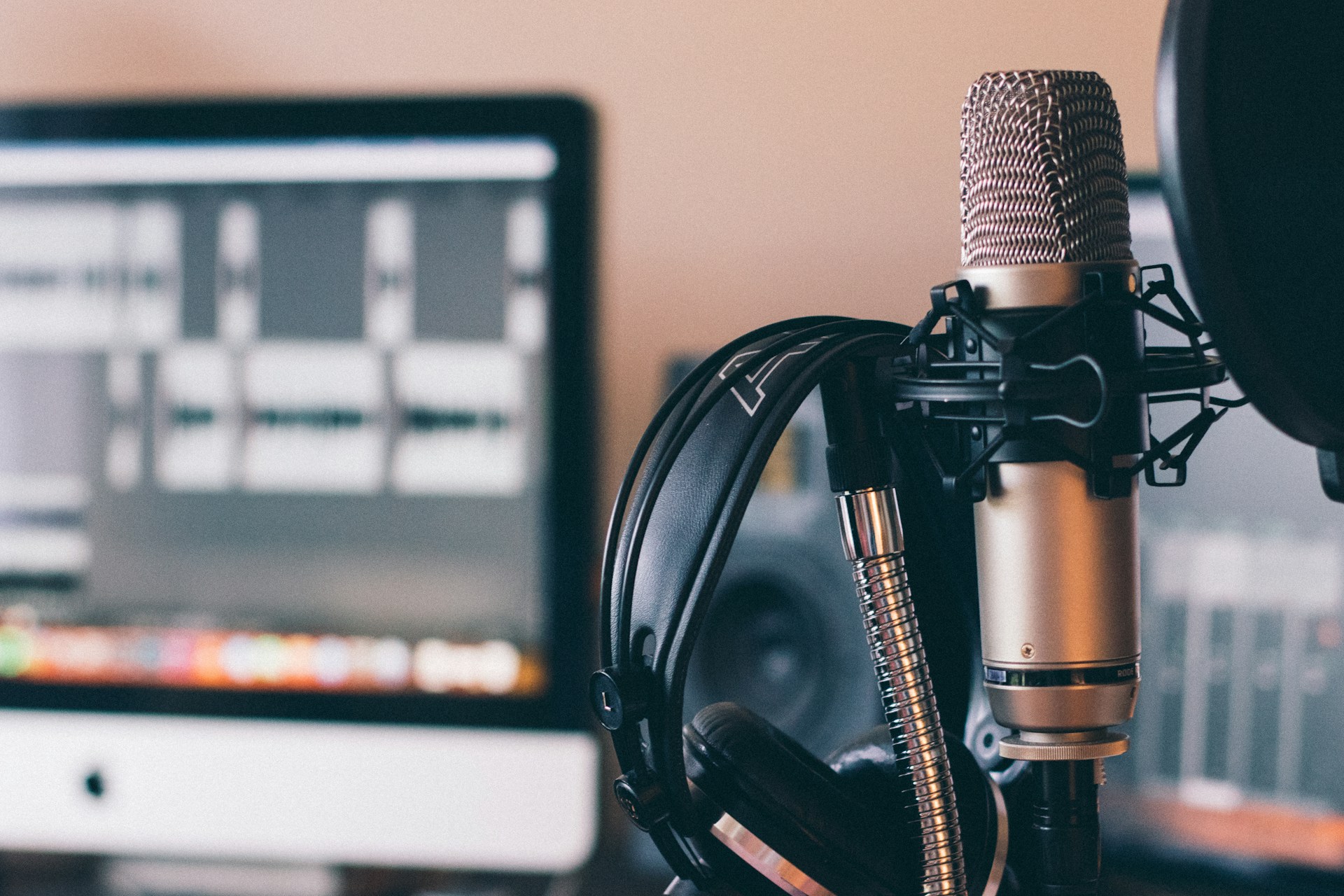 Photo by Jonathan Velasquez on Unsplash
Character interactions create viral potential. Imagine the Gordon Ramsay voice critiquing SpongeBob's Krabby Patty recipe or the David Attenborough voice narrating a typical day in a TikTok house. These unexpected combinations leverage celebrity recognition while adding creative twist that makes content shareable.
Celebrity commentary on trending topics provides timely content opportunities. When news breaks, creators can rapidly produce reactions using relevant celebrity voices. The Elon Musk voice commenting on tech news or the Kim Kardashian voice discussing fashion trends capitalizes on current attention while adding entertainment value through the celebrity angle.
Gaming content benefits enormously from celebrity voices. Streamers use voices like Donald Trump or Joe Biden for comedic commentary during gameplay. The Andrew Tate voice delivers motivational speeches in competitive games. The Snoop Dogg voice provides laid-back narration for chill gaming sessions. These applications transform standard gameplay into unique entertainment experiences.
Educational content and tutorials
Celebrity voices add production value to educational content without hiring expensive voice actors. A compelling narrator voice keeps viewers engaged through complex technical material.
Documentary-style content benefits from authoritative voices. The David Attenborough voice brings gravitas to nature and science content. The Morgan Freeman voice adds weight to historical or philosophical topics. The Neil deGrasse Tyson voice makes astrophysics and science content more engaging. These distinctive narrator voices signal quality and professionalism to viewers.
Language learning applications use celebrity voices to maintain student interest. Hearing grammar explanations or vocabulary lists in the Dwayne Johnson voice or Ryan Reynolds voice makes repetitive learning more entertaining. Students stay engaged longer and retain more information when content delivery remains fresh and interesting.
Historical reenactments gain authenticity from period-appropriate voices. Content covering presidential history uses actual presidential voices to deliver famous speeches or quotes. This direct connection to historical figures makes content more immersive and memorable than generic narration. Students hearing the JFK voice deliver "Ask not what your country can do for you" experience history more vividly than reading text.
Tutorial content improves with celebrity personality. Tech tutorials delivered in the Elon Musk voice appeal to innovation-focused audiences. Fitness advice from the Arnold Schwarzenegger voice carries motivational authority. Cooking instructions in the Gordon Ramsay voice add entertainment value to recipe content. Matching celebrity personas to content topics enhances both education and entertainment.
Social media and viral content
Short-form content on TikTok, Instagram Reels, and YouTube Shorts thrives on novelty and recognition. Celebrity AI voices provide both, making them perfect for viral content strategies.
Trend participation with celebrity voices puts unique spins on popular formats. When dance trends, challenges, or audio memes go viral, adding celebrity voice commentary differentiates your version from thousands of others. The Kanye West voice commenting on fashion trends or the Kim Kardashian voice reacting to relationship drama leverages both trend momentum and celebrity recognition.
Character dialogues between multiple celebrities create shareable moments. Scripts featuring conversations between the Trump voice and Biden voice, or debates between the Elon Musk voice and Jeff Bezos voice, tap into existing public interest in these figures while adding humorous fictional scenarios. These multi-voice pieces require more production effort but generate proportionally higher engagement.
Celebrity reactions to user-generated content opportunities exist across platforms. Creators film themselves doing something unusual, then add celebrity voice commentary reacting to the situation. The Gordon Ramsay voice critiquing amateur cooking attempts or the Donald Trump voice rating business pitches adds professional-seeming critique with comedic effect.
Motivational content finds huge audiences when delivered by inspiring voices. Daily affirmations or workout motivation in the David Goggins voice or Jocko Willink voice resonates with self-improvement audiences. Business advice from the Gary Vaynerchuk voice or Grant Cardone voice attracts entrepreneurial viewers. These voices carry built-in authority that makes advice more impactful.
Podcast and audio content
Podcasts and audio-first content benefit from high-quality celebrity voices that maintain listener interest across longer formats.
Interview-style podcasts can feature AI celebrity guests when actual interviews prove impossible. A conversation about space exploration could include the Neil deGrasse Tyson voice. Business podcasts might feature the Elon Musk voice discussing innovation. While these aren't real interviews, proper disclosure combined with entertaining content creates value for listeners who understand the format.
Audiobook narration represents a growing application. While using celebrity voices for copyrighted audiobooks raises legal issues, narrating your own written content with a celebrity voice falls into a legal gray area. The Morgan Freeman voice narrating original fiction or the David Attenborough voice narrating nature writing adds production value to self-published audio content. Consult legal counsel before commercial distribution.
Fictional podcast dramas benefit from celebrity voice casting. Creating audio dramas with the Keanu Reeves voice as an action hero or the Scarlett Johansson voice as a detective brings Hollywood-caliber talent to independent productions. These applications work best when framed as obvious fiction rather than attempting to deceive listeners about actual celebrity participation.
News commentary and analysis podcasts use political voices for quote delivery. Rather than reading what politicians said, playing generated audio with the Trump voice, Biden voice, or Kamala Harris voice makes content more engaging and illustrative. Clear disclosure that voices are AI-generated maintains ethical standards while improving production quality.
Advanced techniques for realistic results
Creating professional celebrity voiceovers requires techniques beyond basic text generation. These advanced methods separate amateur content from production-quality audio that sounds indistinguishable from professional voice acting.
Audio editing and enhancement
Generated audio rarely sounds perfect straight from the AI. Professional post-processing transforms good voiceovers into great ones that match broadcast quality standards.
Normalization ensures consistent volume across all audio clips. AI generation sometimes produces files with varying loudness even when using the same voice and settings. Normalize all clips to -3dB or -1dB before combining them in projects. This prevents jarring volume changes that signal amateur production and annoy listeners with constant volume adjustments.
Noise reduction removes background artifacts that sometimes appear in AI-generated audio. High-quality tools like TryAIVoices minimize these issues, but light noise reduction polish remains valuable. Use gentle settings that remove low-level hiss without creating the hollow, processed sound that heavy-handed noise reduction produces. Subtle processing maintains naturalness while eliminating distracting artifacts.
EQ adjustment shapes tonal characteristics for different output formats. Audio that sounds perfect on studio monitors might lack bass on phone speakers or sound muddy in podcast apps. Apply light EQ that enhances clarity in your target format. Boost 2-4kHz slightly for improved intelligibility. Roll off frequencies below 80Hz that most listeners can't hear anyway. These subtle changes make celebrity voices sound more professional across all playback devices.
Compression evens out dynamic range for more consistent delivery. Celebrity voices contain natural volume variations as they emphasize different words and phrases. Light compression with a 3:1 ratio smooths these variations without destroying the natural dynamics that make speech expressive. Avoid over-compression that creates lifeless, flat delivery. The goal is polish, not destruction of all natural variation.
Combining multiple celebrity voices
Multi-voice content creates conversation dynamics that single-voice pieces can't achieve. These techniques help you create authentic-sounding dialogues and interactions.
Natural conversation pacing requires appropriate gaps between speakers. When generating dialogue between the Trump voice and Biden voice, insert 0.3-0.5 second pauses between exchanges. Longer pauses work for dramatic emphasis or when characters consider responses. Shorter pauses suit rapid-fire banter or arguments. This timing prevents audio that sounds like two robots taking perfect turns.
Overlapping speech adds realism to heated exchanges. Real conversations include interruptions and simultaneous speaking. Create overlap by starting the second speaker's audio slightly before the first speaker finishes. This works especially well for argumentative content or excitement. The Gordon Ramsay voice interrupting another celebrity creates authentic conflict dynamics.
Background ambiance differentiates scenes and locations. When multiple celebrity voices appear across different settings, subtle background audio signals location changes. Office ambiance for business discussions. Crowd noise for rally speeches. Traffic sounds for street interviews. These touches transform abstract dialogue into situated conversations that feel more real.
Vocal characteristics naturally vary in conversations. The same person speaks differently in arguments versus calm discussions. When scripting multi-voice content, write dialogue that reflects these variations. Excited characters use shorter sentences. Angry characters speak faster. Thoughtful characters pause more. These script-level choices carry through to generation and enhance authenticity.
Creating emotion and emphasis
AI celebrity voices excel at neutral delivery but require scripting techniques to achieve genuine emotional range and natural emphasis patterns.
Strategic capitalization signals emphasis in some AI systems. Writing "I LOVE this idea" versus "I love this idea" can shift how the voice stresses words. Experiment with your chosen platform. The TryAIVoices system uses context clues to infer emphasis naturally, but capitalization provides additional control when needed.
Punctuation choices dramatically affect delivery. Exclamation points add energy and excitement. Question marks shift intonation upward. Periods create firm endings. Em dashes indicate interruption or sudden stops. Ellipses produce trailing-off or thoughtful pauses. Master these tools to control how celebrity voices deliver your scripts. The Ben Shapiro voice responds particularly well to punctuation that creates his characteristic rapid-fire delivery with strategic pauses.
Sentence structure influences emotional delivery. Short, punchy sentences convey anger, urgency, or excitement. Longer, flowing sentences suggest calm explanation or storytelling. Fragment sentences. Create impact. Especially for emphasis. These structural choices carry through to voice generation and shape how audiences perceive emotional content.
Interjections and verbal tics add humanity. Real speech includes "um," "uh," "you know," and "like." Sprinkling these into scripts makes AI voices sound less perfect and more human. The Joe Rogan voice benefits particularly from these natural speech patterns that match his conversational podcast style. Use sparingly to avoid annoying listeners.
Matching celebrity speech patterns
Each celebrity has distinctive speech characteristics beyond their vocal tone. Replicating these patterns makes AI-generated content sound authentically like the person rather than just their voice reading generic text.
Signature phrases immediately signal authenticity. The Trump voice regularly uses "believe me," "many people are saying," and "like you've never seen before." The Obama voice frequently employs "let me be clear," "make no mistake," and "here's what I know." Incorporating these characteristic phrases makes generated content instantly recognizable as that celebrity's communication style.
Vocabulary choices reflect each celebrity's background and persona. The Jordan Peterson voice uses academic and psychological terminology. The Snoop Dogg voice incorporates casual slang and hip-hop vernacular. The Neil deGrasse Tyson voice explains concepts with scientific analogies. Matching vocabulary to celebrity expertise areas enhances authenticity.
Sentence rhythm patterns vary significantly between celebrities. Some speak in short, declarative sentences. Others build complex thought chains across multiple clauses. The Ben Shapiro voice delivers rapid-fire logical sequences. The Morgan Freeman voice uses measured, poetic phrasing. The Donald Trump voice employs repetition and simple vocabulary. Study how your chosen celebrity actually speaks and mirror those structural patterns.
Humor styles differ dramatically. The Ryan Reynolds voice employs self-deprecating sarcasm. The Kevin Hart voice uses animated storytelling and expressive reactions. The Ricky Gervais voice delivers deadpan observations with pointed social commentary. Matching joke delivery to celebrity humor styles makes comedic content land more effectively with audiences familiar with that celebrity's work.
Platform-specific optimization strategies
Different content platforms have unique requirements for audio format, length, and style. Optimizing celebrity voice content for each platform maximizes performance and audience engagement.
TikTok and Instagram Reels
Short-form vertical video demands immediate impact and rapid pacing. Celebrity voices must capture attention within the first second before viewers scroll past.
Hook delivery matters most. Start with the most compelling audio immediately. Front-load celebrity voice content with recognizable phrases or strong statements. The Trump voice saying something provocative or the Gordon Ramsay voice delivering harsh criticism immediately signals what viewers will experience. Save explanations and context for later in the clip after you've secured their attention.
Length constraints require tight scripts. TikTok and Reels favor 15-30 second content, giving you roughly 40-80 words of spoken content. Edit ruthlessly. Every word must contribute to the joke, message, or entertainment value. The Ben Shapiro voice works well here because his rapid delivery style fits substantial content into brief timeframes.
On-screen text complements audio effectively. Display key phrases as the celebrity voice speaks them. This dual-channel presentation increases retention and accommodates viewers watching without sound. Bold, high-contrast text ensures readability on mobile screens. Sync text appearance precisely with audio delivery for professional polish.
Platform algorithms favor watch time and completion rate. Celebrity voices help retain viewers through full clips because recognition creates immediate interest. The Morgan Freeman voice or David Attenborough voice maintains attention through entire clips because viewers want to hear the full delivery from these distinctive voices.
YouTube and long-form content
YouTube allows longer celebrity voice content with different optimization strategies than short-form platforms.
Intro hooks remain critical despite longer format. The first 15 seconds determine whether viewers stay or leave. Celebrity voices create immediate interest that generic narration can't match. The Elon Musk voice introducing a tech video or the Joe Rogan voice opening a podcast clip signals content quality and topic immediately.
Chapter markers help viewers navigate longer content. When using celebrity voices for 10+ minute videos, implement YouTube chapters that let viewers jump to specific segments. This improves user experience and sends positive engagement signals to the algorithm. The Jordan Peterson voice works well for longer educational content where chapters help viewers find specific concepts.
Background music and sound effects enhance production value. Celebrity voice content benefits from subtle background music that matches the mood and topic. Keep music 15-20dB below voice levels to maintain clarity. Sound effects add emphasis to key points without overwhelming the narration. The David Attenborough voice pairs beautifully with ambient nature sounds.
YouTube's algorithm favors watch time and engagement. Longer content using compelling celebrity voices improves both metrics. Viewers stay engaged when interesting voices deliver valuable information. Comments asking about the voice technology or discussing the content signal strong engagement that boosts algorithmic promotion. The TryAIVoices platform helps creators access these engagement benefits through high-quality celebrity voice generation.
Podcast platforms
Podcast distribution differs from video platforms, requiring audio-specific optimization strategies.
File format standards typically request MP3 at 128kbps or higher for spoken content. Some platforms accept AAC. Higher bitrates improve quality but increase file size. For celebrity voices, 128-160kbps MP3 provides excellent quality without unnecessary file bloat. The nuances that make celebrity voices recognizable survive this compression without noticeable degradation.
Episode structure benefits from consistent voice casting. If your podcast features multiple celebrity voices, establish which voice handles which segment role. Perhaps the Morgan Freeman voice delivers openings and closings while topic-specific voices handle main content. This consistency helps listeners understand your show's format and creates audio branding.
Audio quality consistency matters enormously in podcast format. Listeners often use the same headphones or car speakers for every episode. Volume inconsistencies, different EQ profiles, or varying background noise between episodes signal amateur production. Establish audio processing presets and apply them consistently to all celebrity voice content before publishing.
Show notes and transcripts improve accessibility and SEO. Include transcripts of celebrity voice content to help hearing-impaired listeners and boost search rankings. Note that voices are AI-generated to maintain transparency. Link to the voice generation platform you used as a resource for listeners interested in the technology.
Common challenges and troubleshooting
Even experienced creators encounter issues when working with AI celebrity voices. Understanding common problems and their solutions saves time and frustration.
Pronunciation issues
AI voices occasionally mispronounce words, names, or technical terms. Several strategies address these problems.
Phonetic spelling helps with problematic words. If the David Attenborough voice mispronounces a scientific term, rewrite it phonetically. Instead of "Archaeopteryx," try "ark-ee-op-ter-ix." This technique works particularly well for proper names, foreign words, and technical vocabulary. Test different spellings until the voice pronounces correctly.
Acronyms require special attention. AI voices make different choices about whether to pronounce acronyms as words or spell them letter-by-letter. "NASA" might come out as "N-A-S-A" or "nassa." "FBI" could be "F-B-I" or "fib-ee." Control this by spelling how you want pronunciation. Write "F B I" with spaces for letter-by-letter. Write "NASA" without spaces if the voice should pronounce it as a word.
Homographs create context-dependent pronunciation problems. Words like "live," "read," and "present" sound different depending on meaning. If the AI chooses wrong, rewrite the sentence to provide more context or substitute a synonym. The Morgan Freeman voice might struggle with "He will present the present" but handle "He will give the gift" perfectly.
Numbers and dates often require specific formatting. Write "twenty twenty six" instead of "2026" for year pronunciation. Write "one point five million" instead of "1.5M" for numbers. Write "January first" instead of "1/1" for dates. These explicit spellings prevent mispronunciation that forces regeneration.
Quality inconsistencies
Generated audio sometimes varies in quality even when using identical settings. Several factors contribute to these inconsistencies.
Source text complexity affects output quality. Simple sentences with common vocabulary generate more consistently than complex sentences with unusual words. When quality drops on specific sections, simplify those sentences. Break complex thoughts into multiple simple sentences. The Obama voice handles straightforward declarative sentences more reliably than nested dependent clauses with multiple qualifiers.
Generation timing can introduce variations. Some platforms experience load-based quality variations during peak usage. If output sounds worse than usual, try regenerating during off-peak hours. The TryAIVoices platform maintains consistent quality through dedicated processing resources, but even premium platforms occasionally produce statistical outliers that benefit from simple regeneration.
Text length affects consistency. Very short texts (single words or brief phrases) sometimes lack context for proper prosody. Very long texts can accumulate small errors that compound across the generation. Optimal length ranges from 2-5 sentences per generation. This provides enough context without overwhelming the model.
Voice selection matters for content type. Some celebrity voices excel at specific content types while struggling with others. The Donald Trump voice handles political rhetoric brilliantly but sounds odd reading poetry. The David Attenborough voice narrates nature content perfectly but seems wrong for sports commentary. Match voice capabilities to content type for most consistent results.
Handling emotional delivery
AI voices sometimes fail to capture the intended emotional tone, delivering lines flatly when excitement or emphasis was needed.
Script revision addresses most emotional delivery issues. Rather than fighting with tone settings, rewrite your script to naturally convey emotion through word choice and sentence structure. Instead of "That's amazing" delivered flatly, write "That's absolutely incredible. I can't believe this." The additional emotional language guides the voice toward appropriate delivery.
Punctuation creates emotional inflection. Exclamation points add energy. Question marks create inquiry. Ellipses suggest hesitation or thought. Multiple punctuation marks intensify effect. "What" sounds neutral. "What?" sounds questioning. "What?!" sounds shocked. The Gordon Ramsay voice responds particularly well to aggressive punctuation matching his intense delivery style.
Context sentences prime emotional state. Instead of generating a single emotional sentence in isolation, include a context sentence before it. "The team won the championship. This is the greatest moment of my life!" The context sentence helps the AI understand the emotional situation and deliver the second sentence more authentically.
Voice selection considers emotional range. Some celebrity voices naturally express wider emotional ranges than others. The Robin Williams voice handles comedy and drama equally well. The Morgan Freeman voice excels at gravitas but struggles with frantic excitement. The Kevin Hart voice delivers excitement and comedy brilliantly but sounds strange in solemn contexts. Choose voices that naturally match your content's emotional requirements.
Future trends in celebrity AI voices
The technology powering AI celebrity voices continues advancing rapidly. Understanding emerging trends helps you prepare for upcoming capabilities and challenges.
Real-time voice conversion
Current technology generates celebrity voices from text input. Emerging real-time voice conversion allows you to speak into a microphone and have your voice instantly converted to a celebrity voice during live streaming or video calls.
This technology enables new content formats. Live streamers could host entire shows using celebrity voices. Podcast hosts could conduct interviews where their voice sounds like famous interviewers. Gaming content creators could play entire sessions speaking as the Keanu Reeves voice or Samuel L Jackson voice. The creative possibilities expand dramatically when voice conversion happens in real-time rather than requiring pre-generation.
Latency challenges currently limit widespread adoption. Real-time conversion needs processing under 100 milliseconds to feel natural in conversation. Current systems achieve 200-500ms latency, creating noticeable delays that disrupt live interaction. As processing speeds improve, this limitation will disappear and enable truly seamless real-time celebrity voice streaming.
Legal frameworks will evolve alongside technology. Real-time voice conversion raises new questions about impersonation, fraud prevention, and publicity rights. Platforms will likely implement verification systems that prevent unauthorized real-time celebrity voice use in contexts that could deceive audiences. Expect watermarking technology that identifies AI-generated audio even during live streams.
Emotional intelligence improvements
Current AI voices make basic emotional inferences from punctuation and context. Next-generation systems will understand emotional nuance at much deeper levels.
Semantic understanding will analyze entire script meaning rather than individual sentences. The system will recognize that "We need to talk" carries different emotional weight than "Let's chat," even though both indicate conversation. This deeper comprehension will guide delivery with emotional appropriateness that current systems can't achieve. The Obama voice will automatically adopt appropriate gravitas for serious topics and warmth for inspirational content.
Emotional consistency across longer content will improve. Current technology sometimes shifts emotional tone abruptly between sentences. Advanced systems will maintain emotional through-lines across entire scripts. A story starting sad and building to triumphant will show appropriate emotional progression throughout rather than treating each sentence independently.
Sarcasm and irony detection remains challenging for AI systems. These linguistic features depend heavily on context, cultural knowledge, and tone that goes against literal word meaning. Future celebrity voice systems will better understand when "That's just great" means the opposite of its literal words. The Chandler Bing voice relies heavily on sarcastic delivery that current systems struggle to replicate.
Multi-modal integration
Celebrity voices will increasingly integrate with other AI technologies like face generation, lip-sync, and motion capture for complete synthetic celebrity creation.
Automated video generation will combine celebrity voices with matching visual content. Describe a scene involving the Trump voice and Biden voice debating, and AI systems will generate both the audio dialogue and matching video of synthetic celebrity faces with accurate lip-sync and appropriate expressions. This vertical integration simplifies content creation but raises additional ethical and legal questions.
Interactive celebrity AI enables conversational experiences. Rather than pre-scripted content, users will converse with AI celebrity voices that respond naturally to questions and comments. Imagine asking the Albert Einstein voice to explain relativity or discussing basketball with the Michael Jordan voice. These interactive experiences blur lines between education, entertainment, and parasocial relationships with synthetic versions of real people.
Virtual influencers powered by celebrity voices will emerge as marketing tools. Brands will create synthetic spokespeople combining celebrity voices with AI-generated personas optimized for specific demographics. These virtual celebrities never age, never create scandals, and always stay on-message. The ethical implications remain under debate, but the technology increasingly enables these applications.
Frequently asked questions
Can I monetize content using AI celebrity voices?
Monetization legality depends on content type and platform policies. Parody, satire, and commentary typically qualify as fair use, allowing monetization through ad revenue, sponsorships, and other methods. Using celebrity voices for direct product endorsements or advertisements without authorization likely violates publicity rights and creates legal liability.
Platform policies vary. YouTube allows monetization of AI voice content that follows their guidelines. TikTok Creator Fund accepts qualifying celebrity voice content. Podcast platforms like Spotify don't restrict AI voice monetization. Review each platform's specific policies before relying on AI celebrity voice content for income. The TryAIVoices platform provides tools for professional content creation, but creators bear responsibility for legal compliance in their specific use cases.
How accurate are AI celebrity voices compared to real voices?
Top-tier celebrity voice generators achieve 90-95% similarity to source voices when measured through spectral analysis and human evaluation. Listeners familiar with the celebrity can recognize AI generation with focused attention, but casual audiences often can't distinguish high-quality AI voices from real recordings, especially in short clips.
Quality varies significantly between platforms. The TryAIVoices library prioritizes accuracy for its celebrity voices, ensuring distinctive characteristics like the Morgan Freeman voice's gravelly tone or the Donald Trump voice's distinctive cadence come through authentically. Lower-quality platforms produce obviously synthetic results that don't capture unique vocal characteristics.
What's the best celebrity voice for podcast intros?
The ideal podcast intro voice depends on your show's topic and target audience. Authoritative voices like Morgan Freeman or James Earl Jones work well for serious content. Energetic voices like Ryan Reynolds or Dwayne Johnson suit entertainment podcasts. Political shows benefit from relevant voices like Obama or Trump.
Match voice personality to content tone. Comedy podcasts need voices known for humor. Educational content benefits from teacher-like or documentary narrator voices. Business podcasts work well with entrepreneur or investor voices like Elon Musk or Warren Buffett. Test multiple options and gather audience feedback to identify which voice resonates most with your specific listeners.
Are there legal risks in using celebrity AI voices?
Legal risks exist but vary based on how you use celebrity voices. Parody, satire, and commentary receive strong First Amendment protection in the United States. Educational and transformative uses generally fall under fair use doctrine. Commercial uses like advertisements or product endorsements create high legal risk without authorization.
Disclosure requirements reduce legal exposure. Clearly labeling content as using AI-generated celebrity voices prevents deception claims. Avoid suggesting the actual celebrity endorses, approves, or participated in your content. Consult with legal counsel before using celebrity voices in commercial contexts or high-stakes situations. The celebrity voice library on platforms like TryAIVoices provides tools, but creators bear responsibility for lawful use.
How do I make AI celebrity voices sound more natural?
Script writing contributes most to natural-sounding results. Study how your chosen celebrity actually speaks and mirror their patterns. Include their signature phrases. Match their vocabulary level. Replicate their sentence rhythm. The Joe Rogan voice sounds most authentic when scripts include his characteristic "that's interesting" and conversational tangents.
Audio editing improves naturalness significantly. Add subtle background ambiance appropriate to the context. Apply light compression and EQ to match your content's overall audio profile. Insert brief pauses between sentences at natural breathing points. These production techniques make AI-generated celebrity voices blend seamlessly with other audio elements rather than sounding obviously synthetic.
Can I create custom celebrity voices not available on platforms?
Most mainstream platforms don't allow custom celebrity voice creation to prevent misuse and protect publicity rights. Professional voice cloning requires substantial high-quality audio samples (30+ minutes) and technical expertise. Creating accurate celebrity voice models demands resources beyond most individual creators' capabilities.
Available celebrity libraries typically cover the most requested voices. The TryAIVoices platform offers 500+ celebrity and character voices including politicians, actors, musicians, and public figures across multiple categories. Check the full voice library before pursuing custom voice creation. Most content needs can be met with existing professional celebrity voices rather than building custom models.
Related voices to try
Related guides
AI celebrity voices transform content creation by providing instant access to recognizable voices that capture audience attention. Success requires choosing quality platforms, writing authentic scripts that match celebrity speech patterns, understanding legal and ethical boundaries, and applying professional audio techniques.
Start creating professional celebrity voiceovers with TryAIVoices today. Generate authentic voices from 500+ celebrities across politics, entertainment, sports, and more.