AI Anime Girl Voice: Generate Authentic Female Anime Voices
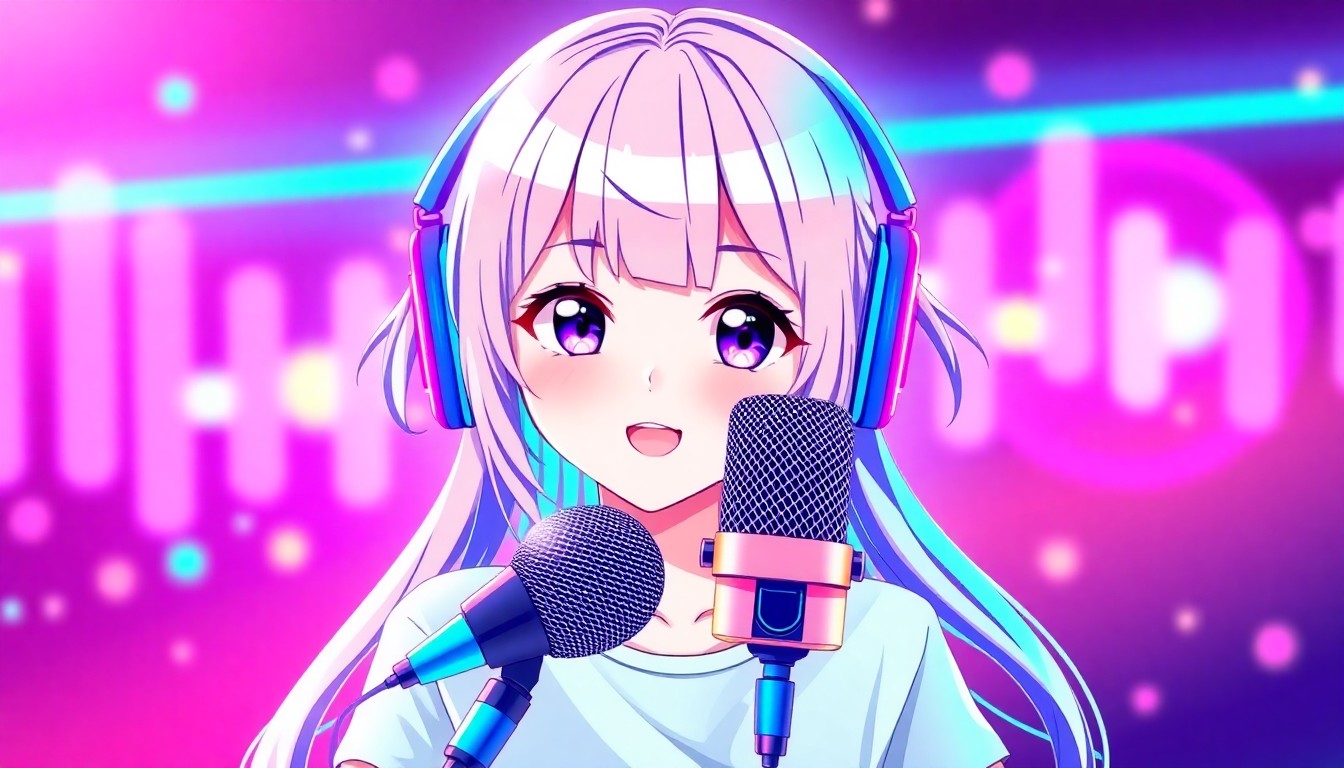
The anime voice landscape splits into two worlds. Traditional studios hire professional seiyuu (voice actors) who train for years to master iconic character archetypes. Meanwhile, independent creators struggle with limited budgets and zero access to those same voice talents. AI anime girl voice generators bridge this gap by synthesizing the distinctive vocal patterns that define female anime characters.
This technology matters because authenticity drives engagement in anime content. A properly executed tsundere voice immediately communicates character personality. A soft, gentle kuudere voice sets tone without requiring exposition. The best AI tools capture these nuanced archetypes, replicating everything from the signature high-pitched kawaii style to the controlled intensity of battle-ready shounen heroines.
Platform selection requires understanding which generators specialize in anime voices versus generic Japanese TTS. Some tools excel at cute, expressive delivery. Others handle serious, dramatic performances better. Voice quality varies dramatically. Processing time affects workflow. Character range determines creative possibilities.
This guide covers AI anime girl voice technology from training data to final output, explores the major voice archetypes and how to generate each effectively, compares the best platforms for anime-specific synthesis, provides script writing techniques that enhance authenticity, examines use cases from YouTube animations to visual novels, discusses emotional range and expression control, and delivers advanced audio editing tips for professional results.
TryAIVoices includes anime character voices across multiple archetypes, giving content creators access to authentic Japanese anime girl voices optimized for streaming, gaming, and animation projects.
Understanding AI anime girl voice synthesis
Neural voice generation for anime characters requires training on specific vocal patterns that differ significantly from realistic speech. Anime voices emphasize particular characteristics. Pitch sits higher. Emotional expression intensifies. Vocal fry and breathiness get deployed deliberately. Character archetypes follow recognizable patterns that audiences expect.
How anime voice training works
Training data determines everything. AI voice generators for anime require datasets built from seiyuu performances rather than conversational Japanese speech. This distinction matters enormously. Conversational TTS sounds flat and lifeless when applied to anime dialogue. Anime-trained models capture the theatrical, expressive quality that defines the medium.
Professional seiyuu recordings provide the foundation. Developers source audio from anime series, voice acting reels, character song performances, and radio show appearances. These recordings contain the full range of emotions and vocal techniques that make anime voices distinctive. Clean audio matters more for anime than realistic voices because the exaggerated vocal characteristics amplify any artifacts or noise.
The neural network learns to map text inputs to specific acoustic features. Pitch contours for questions rise sharply. Emotional outbursts feature rapid intensity changes. Character-specific verbal tics like "desu" or "nya" get proper emphasis. The model discovers patterns in how different emotions affect phrasing, timing, and vocal quality.
TryAIVoices' anime voices benefit from training on authentic performances, capturing the nuances that separate amateur attempts from professional-quality character voices.
Voice characteristics that define anime girls
Anime girl voices feature several distinctive qualities. Pitch generally ranges from E4 to G5 (around 330-800 Hz), significantly higher than average female speech. But simple pitch shifting fails to create authentic anime voices because other characteristics matter just as much.
Vocal placement tends toward head voice rather than chest voice. This creates the bright, forward sound associated with cute and energetic characters. Nasality varies by archetype. Genki (energetic) characters often use nasal resonance for brightness. Cool beauties avoid nasality entirely. Yandere characters shift between sweet nasality and chesty intensity.
Breathiness signals vulnerability or cuteness. Characters like Hinata from Naruto use significant breathiness to convey shyness. Battle heroines minimize breathiness to project strength. The amount of breath in the voice immediately communicates character type to experienced anime viewers.
Articulation patterns differ from realistic speech. Consonants get emphasized more. Vowels extend longer on emotional beats. Rhythm varies dramatically between calm dialogue and excited reactions. These exaggerations make animation easier to lip sync while creating the theatrical feel audiences expect from anime.
Technical components of anime voice AI
The synthesis pipeline for anime voices involves specialized processing beyond standard TTS. Text preprocessing handles Japanese-specific elements like kanji readings, particles, and honorifics. The model must choose appropriate pitch patterns based on sentence type, emotional context, and character archetype.
Prosody prediction determines rhythm and timing. Anime dialogue features distinct pacing. Fast, energetic delivery for comedy. Measured, deliberate pacing for drama. The AI learns these patterns from training data, applying appropriate timing based on punctuation, sentence structure, and emotional tags.
Acoustic modeling generates the actual vocal features. This stage creates the fundamental frequency contours, harmonic structure, and spectral envelope that define the voice's timbre. For anime voices, this means generating the characteristic bright harmonics and controlled breathiness that distinguish anime from realistic speech.
Finally, the vocoder converts acoustic features into audible waveforms. Neural vocoders like WaveNet or HiFi-GAN produce higher quality than traditional approaches. Quality matters enormously for anime voices because the exaggerated characteristics amplify any artifacts or synthetic qualities. Poor vocoders create robotic-sounding output that breaks immersion immediately.
 Photo by Jukka Aalho on Unsplash
Major anime girl voice archetypes
Anime character design follows recognizable patterns. Voice acting reflects these archetypes through specific vocal techniques. Understanding these archetypes helps creators choose appropriate AI voices and write scripts that match audience expectations.
Genki girl (energetic cheerful)
The genki archetype dominates shounen anime. These characters feature constant energy, infectious enthusiasm, and unwavering optimism. Vocally, genki characters use higher pitch, faster delivery, emphasized consonants, and frequent pitch variation. Think Yui from K-On or Rika from Chuunibyou Demo Koi ga Shitai.
Generating authentic genki voices requires scripts with exclamation points, rapid topic changes, and casual speech patterns. The AI needs upbeat emotional settings. Pacing should feel rushed without becoming incomprehensible. Breathy quality stays minimal because genki characters project energy outward rather than vulnerability.
Common genki phrases emphasize excitement. "Sugoi!" (Amazing!), "Ganbarou!" (Let's do our best!), "Tanoshii!" (This is fun!). The voice should sound like the character might literally bounce off walls. Genki delivery turns simple statements into celebrations. Even describing mundane activities carries infectious enthusiasm.
Anime character voices on TryAIVoices include genki-style options perfect for energetic dialogue, comedy moments, and cheerleader-type characters who drive plot momentum through sheer force of personality.
Tsundere (cold outside, warm inside)
Tsundere characters defined modern anime romance. The archetype features harsh exterior personality that gradually reveals hidden warmth. Vocal delivery shifts dramatically between "tsun" (cold) and "dere" (sweet) modes. Rin Tohsaka from Fate, Taiga from Toradora, and Asuka from Evangelion exemplify this pattern.
During tsun delivery, pitch drops slightly. Tone becomes sharp and clipped. Emotional walls manifest through controlled, measured speech. Then during dere moments, the voice softens. Pitch rises. Vulnerability emerges through increased breathiness. The contrast creates the emotional tension that drives tsundere appeal.
Script writing for tsundere characters requires careful emotional choreography. Early dialogue stays defensive with phrases like "It's not like I made this for you or anything!" Mid-arc content mixes both modes. Late content allows full dere expression. The AI needs clear emotional direction for each line because mixing modes incorrectly destroys the archetype.
Common tsundere phrases include "Baka!" (Idiot!), "I-it's not like that!" (with deliberate stuttering), and "Don't get the wrong idea!" The defensive quality should sound authentic rather than mean. Tsundere aren't villains. They're emotionally guarded characters slowly opening up.
Kuudere (cool and collected)
Kuudere characters maintain emotional control through deliberate vocal restraint. These personalities avoid emotional display through measured delivery and minimal pitch variation. Rei Ayanami from Evangelion and Yuki Nagato from Haruhi Suzumiya established this archetype.
Generating kuudere voices requires lower pitch within the anime girl range. Delivery should sound deliberate without dragging. Emotional range compresses significantly. Even surprising or frightening moments receive measured reactions. The voice projects intelligence and self-control rather than coldness or hostility.
Breathiness stays minimal. Articulation remains clear and precise. Pacing is unhurried but not slow. Kuudere characters think before speaking. Every word carries intention. Filler sounds like "um" or "ah" rarely appear. Questions feature subtle rises rather than dramatic upward inflections.
Script writing for kuudere works best with declarative statements, thoughtful observations, and philosophical commentary. Avoid exclamation points except for the rare emotional breakthrough moment that defines character development. Character voices on TryAIVoices include cool, composed options suitable for kuudere archetypes and intellectual characters.
Yandere (obsessive sweet to violent)
Yandere characters combine surface sweetness with disturbing possessiveness. The archetype shifts between adorable, loving delivery and intense, threatening tones. Yuno Gasai from Future Diary and Satou Matsuzaka from Happy Sugar Life showcase this duality.
The "yan" mode features sweet, high-pitched delivery with significant breathiness. The voice sounds loving and gentle. Then during obsessive moments, the voice drops in pitch and gains intensity. The shift should feel sudden and unsettling. Maintaining both modes convincingly requires sophisticated emotional control from the AI.
Generating yandere voices requires scripts with emotional volatility. Sweet declarations turn threatening mid-sentence. Loving statements contain implicit danger. The character speaks softly while describing violence. This contrast creates the psychological horror that defines yandere appeal.
Common yandere phrases include sweet declarations like "I love you so much" delivered with unsettling intensity, possessive statements like "You're mine, forever and always," and the signature question "Why were you talking to her?" with dangerous undertones. The key is maintaining surface sweetness while letting threat leak through.
Dandere (shy and quiet)
Dandere characters communicate through minimal speech and soft delivery. These personalities avoid attention through near-whispered dialogue and frequent silences. Hinata from Naruto and Mio from K-On exemplify dandere patterns.
Vocally, dandere requires lower volume, increased breathiness, slower pacing, and hesitant delivery. The character should sound like speaking requires courage. Sentences trail off. Questions end with rising uncertainty. Emotional vulnerability manifests through every vocal choice.
Script writing for dandere works with short sentences, frequent pauses (represented by ellipses), self-deprecating statements, and apologetic language. The character might struggle to complete thoughts. Stuttering appears naturally rather than as a quirk. Every line should communicate the character's discomfort with being heard.
Common dandere phrases include "Um... sorry," "I-I don't know if...," and "Maybe we could...?" delivered with maximum uncertainty. The voice should make listeners want to protect and encourage the character. Anime voices on TryAIVoices include shy, gentle options perfect for dandere characters and vulnerable personality types.
Ojou-sama (refined princess)
Ojou-sama characters embody wealth, refinement, and social status. These personalities speak with elegant formality and aristocratic bearing. Kaguya Shinomiya from Kaguya-sama and Erina Nakiri from Food Wars showcase this archetype.
The voice features precise articulation, measured pacing, slightly lower pitch than genki types, and cultivated elegance. Laughs become refined "ohohoho" rather than casual giggles. Speech patterns include formal language and complete sentences. The character never stumbles over words or uses casual contractions.
Generating ojou-sama voices requires scripts with formal Japanese grammar, complete sentences, sophisticated vocabulary, and references to refined activities. The character speaks about tea ceremonies, classical music, and high society events. Even insults arrive wrapped in polite language.
Common ojou-sama phrases include "How vulgar," "I suppose I could grace you with my presence," and formal greetings with proper honorifics. The voice should communicate confidence and breeding without arrogance. The archetype represents elegance rather than snobbery, though both can coexist.
 Photo by Michal Czyz on Unsplash
Tomboy (energetic athletic)
Tomboy characters bring casual, energetic delivery without the extreme pitch of genki types. These personalities use rougher speech patterns, casual language, and confident projection. Misaka Mikoto from Railgun and Ryuko Matoi from Kill la Kill showcase tomboy vocal patterns.
The voice sits in lower anime girl register. Articulation becomes less precise and more natural. Slang appears frequently. The character uses masculine speech patterns mixed with feminine elements. Energy comes from confidence rather than hyperactivity.
Script writing for tomboys works with casual contractions, sports references, competitive dialogue, and informal speech. The character challenges others directly. Questions come across as dares. Even friendly conversation feels like banter. Emotional vulnerability emerges reluctantly, usually through action rather than words.
Common tomboy phrases include "Bring it on!", "I won't lose to you," and "That's so lame." The voice should sound like someone comfortable in their skin, athletic and direct. Character voices on TryAIVoices include confident, energetic options suitable for tomboy archetypes and action-oriented female characters.
Best platforms for AI anime girl voices
Platform selection determines voice quality and creative possibilities. Some generators specialize in anime-specific synthesis. Others offer Japanese TTS that works for anime with proper settings. Understanding platform strengths helps creators choose tools that match their specific needs.
TryAIVoices for anime characters
TryAIVoices provides anime character voices trained specifically for content creation. The platform includes multiple female character archetypes from energetic genki types to cool kuudere personalities. Voice quality captures anime-specific characteristics like bright timbre, expressive delivery, and archetype-appropriate emotional range.
Generation happens in seconds. Type your script, select a character voice, adjust emotional settings if needed, and generate audio. The platform handles Japanese text input for authentic dialogue while supporting English for creators making fan content or parody projects. Processing speed makes iteration practical. Test different deliveries until you find the perfect take.
The voice library includes both named anime characters and archetype voices. Named characters replicate specific personalities from popular series. Archetype voices provide flexibility for original characters. Both options maintain high quality and authentic anime vocal characteristics. Browse the anime voice library to preview available options.
Pricing operates on subscription tiers with included credits. No free tier means all users maintain access to full quality and processing speed. The starter plan works for casual creators. Pro and unlimited tiers suit professional content production. Credits refresh monthly, eliminating usage anxiety common with pay-per-use models.
Alternative anime voice platforms
Several platforms compete in the anime voice space. CoeFont specializes in Japanese voiceover synthesis with anime-style options. Voice quality tends toward neutral rather than highly expressive. Processing speed is good. The platform works better for news reader voices than theatrical anime characters.
Voicevox provides open-source anime voice synthesis focused on Japanese language content. Voice options include several popular archetypes. Quality varies by specific voice. The software requires local installation and technical knowledge. Licensing allows commercial use, making it attractive for independent creators with technical skills.
Replica Studios offers character voice options including anime-inspired choices. The platform targets game developers and animation studios. Voice quality sits between realistic and anime-stylized. Processing time can lag during peak usage. Pricing starts higher than most alternatives.
Uberduck includes anime character voices among broader offerings. Voice catalog changes frequently due to licensing. Quality varies significantly between voices. Processing queue times fluctuate. The platform works best for experimentation rather than production workflows. Some voices capture anime characteristics well while others sound generic.
Platform choice depends on specific needs. TryAIVoices optimizes for anime-specific quality and fast generation. Alternatives offer different trade-offs between voice options, pricing models, and technical requirements. Most serious creators eventually test multiple platforms to find their preferred workflow.
 Photo by Matt Botsford on Unsplash
Script writing techniques for anime girl voices
Good scripts amplify AI voice capabilities. Poor scripts highlight limitations. Understanding how to write for anime character voices affects final quality as much as platform selection.
Matching dialogue to character archetypes
Each archetype requires specific writing patterns. Genki characters speak in exclamations. Kuudere deliver measured observations. Tsundere shift between defensive and vulnerable. Writing must match these patterns or the voice feels wrong regardless of technical quality.
Start by defining character personality clearly. Write a short character profile including archetype, emotional baseline, speech quirks, and relationship to other characters. This profile guides every line. When dialogue conflicts with archetype, revise the writing rather than fighting against character voice.
Genki dialogue example: "This is going to be so much fun! I can't wait to get started! Everyone's going to love this project!" Notice the exclamation points, enthusiasm, and positive framing. The character assumes good outcomes and projects energy outward.
Kuudere dialogue example: "The data suggests this approach will fail. We should consider alternatives." Notice the measured delivery, logical framing, and emotional distance. The same information delivered by a genki character would sound completely different.
Tsundere dialogue example: "I-I only helped because I happened to be nearby! Don't think this means anything special!" Notice the defensive framing, deliberate stuttering on the opening, and explicit denial of deeper feelings. The subtext contradicts the words.
Emotional direction and delivery control
Most AI platforms include emotional settings or tags. Use them deliberately. Default neutral delivery rarely works for anime content. Every line carries emotional color. Identifying that emotion and directing the AI accordingly improves results dramatically.
Tag emotions explicitly when the platform supports it. "Excited," "angry," "sad," "teasing," "scared"—these tags guide synthesis toward appropriate delivery. Some platforms use SSML (Speech Synthesis Markup Language) for fine control over pitch, speed, and emphasis.
For platforms without explicit emotional controls, convey emotion through text. Exclamation points signal excitement. Ellipses suggest hesitation or trailing off. All caps indicate shouting. Repeated characters ("Noooo!") emphasize distress. These textual cues help the AI infer appropriate delivery.
Context matters for emotional interpretation. The phrase "I'm fine" shifts meaning based on surrounding dialogue and character state. Provide enough context in your script that the AI can interpret lines correctly. When generating individual lines in isolation, add brief emotional notes like "[angry]" or "[sarcastic]" before the dialogue.
Learn more about emotional voice control to maximize expression in your generated audio.
Japanese language integration
Authentic anime dialogue includes Japanese phrases even in primarily English scripts. These linguistic elements signal genre and enhance authenticity. Use them sparingly and naturally rather than overwhelming scripts with Japanese words viewers won't understand.
Common Japanese elements include honorifics (san, chan, kun, sama), exclamations (sugoi, kawaii, yatta), questions (nani, naze, doushite), and signature phrases (itadakimasu, gomenasai, arigatou). These words carry cultural meaning that English equivalents don't quite capture. Anime audiences recognize and expect them.
Pronunciation matters. Most AI platforms handle basic Japanese, but quality varies. Test how your chosen platform pronounces Japanese words. Some voices handle mixing English and Japanese smoothly. Others struggle with rapid language switches. Adjust your script based on actual performance.
For full Japanese scripts, proper grammar and particle usage affect delivery significantly. The AI reads sentence structure to determine appropriate intonation. Incorrect grammar produces unnatural phrasing. If you're not confident in Japanese, focus on English scripts with strategic Japanese elements rather than attempting full Japanese dialogue.
Pacing and rhythm in anime dialogue
Anime features distinct pacing patterns. Comedy scenes use rapid-fire delivery. Dramatic moments employ deliberate spacing. Action sequences feature short, punchy lines. Writing should match the scene's tempo through sentence length and punctuation.
Fast pacing technique: Use short sentences. Add lots of exclamation points. Create energy through rhythm. The structure itself suggests speed. Read it aloud and you'll naturally speed up.
Slow pacing technique: Longer sentences work well for contemplative moments. Allow thoughts to develop fully. Let ideas breathe with subordinate clauses that expand on concepts rather than rushing to conclusions. Use periods rather than exclamation points to signal measured delivery.
Punctuation controls rhythm. Commas create brief pauses. Periods create full stops. Ellipses suggest trailing off or hesitation. Em dashes... wait, no em dashes. Use commas or periods instead. Dashes create awkward breaks that AI struggles to interpret naturally. Semicolons work for connecting related thoughts; they create a specific rhythmic pause.
Handling anime-specific verbal tics
Many anime characters feature verbal tics. Naruto says "dattebayo." Rina adds "nya" to phrases. These tics establish character identity through repetition. When creating original characters, verbal tics can work, but use them carefully.
Good verbal tics feel organic. They enhance character voice rather than annoying the audience. "Right?" as a tag question works naturally. "Like" as a filler word sounds realistic for certain character types. Onomatopoeia can work for energetic characters: "Woosh!" or "Pow!" or "Ehehehe!" for distinct laughter styles.
Bad verbal tics feel forced. Adding random sounds or words at sentence ends without purpose irritates listeners. If the tic doesn't serve character development or comedy, cut it. Subtlety beats obviousness. A character who occasionally adds a verbal flourish seems unique. A character who adds it to every sentence seems like a gimmick.
Test verbal tics before committing. Generate several sample lines with and without the tic. Which version sounds more authentic? Which would you rather listen to for ten minutes? If the tic improves character voice, keep it. If it's neutral or negative, abandon it.
 Photo by John Schnobrich on Unsplash
Creative applications for anime girl AI voices
Understanding potential use cases helps creators maximize AI anime voice technology. Different applications require different approaches to voice selection and script writing.
YouTube animation and AMVs
YouTube anime content thrives on distinctive voices. Original animations need consistent character voices. Anime music videos benefit from dialogue clips or narration. AI voices solve the persistent challenge of finding voice actors willing to work on small projects.
For original animation, consistency matters most. The character must sound identical across months or years of production. AI delivers perfect consistency. Choose voices that match your character designs. Cute designs need appropriate vocal matching. Cool characters require matching delivery styles. Visual and vocal identity must align or viewers experience cognitive dissonance.
AMVs traditionally use audio from source material. AI voices enable original narration or dialogue clips that enhance storytelling. Brief character commentary between music beats. Dramatic monologues that connect disparate clips into coherent narrative. Comedic additions that transform serious source material into parody.
Script for original animation needs full character consistency. Write detailed character profiles before generating any dialogue. Test multiple platforms to find the voice that best matches your vision. Generate all dialogue for a scene or episode in single sessions to minimize variation if the platform updates models.
Anime character voices on TryAIVoices maintain consistency across generation sessions, ensuring character voices remain identical throughout production cycles.
Visual novels and dating sims
Visual novel development requires extensive voice acting. Full voice acting for a 50,000-word visual novel might require 40+ hours of actor time across multiple characters. Budget becomes prohibitive quickly. AI voices make full voice acting accessible to independent developers.
Character variety matters enormously. Players expect distinct voices for each character. AI platforms with multiple anime girl archetypes support this requirement. Assign genki voices to energetic characters. Use kuudere voices for mysterious personalities. Match voice archetype to character role for immediate player understanding.
Emotional range determines immersion quality. Visual novels span comedy, romance, drama, and sometimes horror. Characters express love, anger, fear, joy, and sadness. The AI must handle this range convincingly. Test emotional capabilities before committing to a platform. Generate sample lines with various emotional directions.
Processing workflow affects development timeline. Visual novels require hundreds or thousands of individual voice clips. Fast processing matters. Batch generation features help when available. Export formats should match your engine requirements. Most visual novel engines use OGG or MP3 for voice files.
Gaming content and streams
Gaming content creators use anime voices for various purposes. Virtual YouTuber models need consistent character voices. Game commentary benefits from character personality. Streaming bits and alerts work well with distinctive anime voices. Discord bots can use character voices for server personality.
VTuber model development requires one or two signature voices. The voice becomes part of brand identity. Choose carefully. Generate extensive test dialogue to ensure you can maintain character across long streams. Consistency and comfort matter more than finding the absolute "perfect" voice. You'll use this voice for hundreds of hours.
Commentary and reaction content works with various approaches. Some creators use anime voices as a character layer over normal content. Others fully commit to character roleplay. Either approach works. The voice should enhance content rather than limiting you. If maintaining character voice becomes exhausting or restrictive, the approach needs adjustment.
Alert sounds and notifications benefit from short, punchy voice clips. "Thank you for the subscription!" or "Welcome to the stream!" delivered in character voice. These clips add personality while remaining functional. Generate multiple variations to avoid repetition annoying regular viewers.
Educational content for language learning
Japanese language learning content benefits from anime voices because many learners engage with anime as their entry point to Japanese culture. Using authentic anime voice patterns helps learners recognize speech patterns they'll encounter in actual anime.
Pronunciation practice applications can use anime voices to demonstrate proper Japanese phonetics. The exaggerated articulation in anime actually helps learners distinguish similar sounds. Compare that to realistic Japanese TTS which often blurs distinctions that beginners struggle to hear.
Vocabulary flashcards work well with anime voices. Hearing vocabulary in character voice creates memorable associations. Students remember words better when they connect to distinctive audio cues. "Kawaii!" delivered in genki voice sticks in memory more effectively than flat TTS.
Dialogue practice scripts benefit from archetype variety. Students learn that different characters use different speech patterns. Polite formal speech differs from casual friend conversation. Understanding these distinctions matters for actual Japanese communication. AI voices make it practical to demonstrate various speech levels.
TryAIVoices supports both English and Japanese text input, making it useful for bilingual educational content that bridges anime voice acting and language instruction.
Podcast and audio drama production
Podcast production traditionally requires coordinating multiple voice actors. Scheduling challenges multiply with cast size. AI voices enable solo creators to produce multi-character podcasts without coordination overhead.
Character differentiation becomes critical. Listeners need to distinguish speakers easily without video context. Choose voices with distinct timbres and archetypes. Avoid using similar voices for characters who frequently interact. The kuudere and dandere archetypes both sound relatively soft, making them poor choices for paired dialogue partners.
Audio mixing requirements increase with multiple AI voices. Record each character on separate tracks. Apply individual EQ and processing to enhance distinctiveness. Add subtle reverb or spatial effects to suggest physical positioning. These production techniques help AI voices feel more like a cast rather than obviously synthetic additions.
Script formatting should clearly indicate speaker changes. Standard screenplay format works well. Character name in caps followed by dialogue. This structure helps during editing when you're assembling multiple generated clips into coherent conversation.
Fan content and parody projects
Fan content dominates YouTube and social media. Creators make parodies, abridged series, and original stories featuring existing characters. AI voices enable fan creators to produce voiced content without recruiting voice actors willing to work on technically copyright-infringing projects.
Legal considerations matter. Fair use doctrine protects parody and commentary. Straight reproductions of copyrighted content face takedowns. Position fan content clearly as parody, criticism, or transformative work. Add original elements rather than simply copying source material with different voices.
Voice matching quality varies. Some platforms offer specific character voices from popular anime. Others require choosing archetype voices that approximate characters. Perfect matching matters less for parody than capturing the general voice type. Audiences accept approximation in fan content while expecting precision from commercial projects.
Script writing for parody requires understanding source material deeply. The comedy comes from subverting expectations or exaggerating character traits. If you don't know the characters well, the parody falls flat. Research character personalities thoroughly before writing parody scripts. The voice itself can't carry comedy. The writing must be funny.
Advanced techniques for professional results
Basic generation produces acceptable results. Professional polish requires additional techniques that enhance AI voices beyond default output.
Audio editing and post-processing
Raw AI output rarely represents final quality. Professional audio engineering improves results significantly. Start with noise reduction to remove any artifacts from synthesis. Even high-quality AI voices sometimes include faint digital noise that proper processing eliminates.
EQ shapes voice character. Boost high frequencies slightly (around 8-12 kHz) to add air and brightness common in anime voices. Cut low frequencies below 80 Hz to remove rumble. Adjust midrange frequencies to taste. Every voice benefits from different EQ curves based on specific characteristics and intended use.
Compression evens out dynamic range. Anime voices feature dramatic expression shifts that benefit from compression. Use gentle ratios (2:1 or 3:1) to avoid obvious pumping. Set attack and release times to maintain punch on consonants while controlling peaks. Compressors make voices sit better in mixes with music and sound effects.
Reverb adds space and polish. Dry AI voices sound disconnected from environments. Small room reverb creates subtle space without obvious echo. Avoid excessive reverb that creates distance. Anime voices typically sit forward in mixes. The goal is polish, not pushing voices into the background.
Advanced voice generation tips cover detailed processing techniques for various content types and platforms.
Combining multiple characters in scenes
Multi-character dialogue requires careful planning. Record each character separately for maximum control. Overlay recordings in your audio editor rather than generating conversations as single takes. This separation enables individual processing for each voice.
Pacing between characters creates natural conversation. Add brief silence between speaker changes. Real conversation includes tiny pauses for breath and thought. Eliminate these pauses and dialogue feels rushed. The silence should feel comfortable, typically 0.2-0.5 seconds between speakers depending on emotional context.
Slight overlap creates energy. For heated arguments or excited conversation, overlap the tail of one line with the beginning of the next. This technique requires careful editing but dramatically improves realism. Characters interrupt each other naturally. Perfect turn-taking sounds artificial.
Spatial positioning helps listener tracking. Pan characters slightly left and right. Add subtle room reflections to suggest position in space. Apply different reverb settings to place characters at different distances. These techniques work especially well for podcast and audio drama applications.
 Photo by Mohammad Metri on Unsplash
Matching emotional intensity across takes
Emotional consistency matters when generating dialogue across multiple sessions. The genki character who sounds moderately energetic in scene one shouldn't sound exhausted or manic in scene two. Maintaining consistent emotional baseline across production requires deliberate technique.
Create reference takes early in production. Generate key character lines with desired emotional delivery. Use these references to calibrate later sessions. A/B compare new generations against references to ensure consistency. Adjust emotional settings or regenerate until new takes match established baseline.
Document your settings. Note which emotional tags, emphasis patterns, or SSML markup produced desired results. Keep this documentation accessible during production. Consistent input produces consistent output. Variation in your settings creates variation in generated audio even when using identical text.
Batch generation helps consistency. Generate all dialogue for a character in single sessions when possible. The AI maintains more consistent output within sessions than across days or weeks. If platform updates occur between sessions, output characteristics might shift subtly. Batch generation minimizes these risks.
Handling pronunciation and name consistency
AI voices sometimes mispronounce character names, fantasy terms, or technical vocabulary. This breaks immersion immediately. Several techniques help correct pronunciation issues.
Phonetic spelling forces correct pronunciation. If "Ryouko" gets pronounced incorrectly, try "Ree-yo-ko" with hyphens guiding syllable breaks. Spell the word like it sounds rather than like it's spelled. This technique works for most problematic words.
SSML phoneme tags provide precise pronunciation control on supporting platforms. These tags specify exactly which sounds to produce using phonetic alphabet notation. Learning basic phoneme notation enables perfect pronunciation of any term. The investment pays off for productions with extensive specialized vocabulary.
Custom dictionaries or pronunciation guides help if your platform supports them. Add problem words once and the system remembers corrections. Build this dictionary throughout production rather than trying to compile it upfront. You won't anticipate every pronunciation issue before generating actual dialogue.
Context sometimes helps AI infer correct pronunciation. Surrounding words provide hints about unfamiliar terms. "The city of Ryouko" might work better than "Ryouko" in isolation. Add brief context phrases before character names in scripts, then trim the context during editing if needed.
Creating character consistency across projects
Long-term projects require maintaining character voice across months or years. Voice AI models sometimes update, affecting output characteristics. Protecting against these changes requires planning.
Archive reference audio extensively. Save perfect takes for character voices. Export with detailed metadata noting platform, settings, and generation date. These archives enable matching if you need to switch platforms or adapt to model updates.
Download all generated audio immediately. Don't rely on cloud storage or regeneration capabilities. Generated audio represents your actual assets. Local backups protect against platform changes, service discontinuation, or account issues. Storage costs nothing compared to regenerating hours of dialogue.
Consider voice cloning for critical projects. Some platforms allow uploading reference audio to clone specific voices. Clone your AI-generated character voice, creating a custom model. This locks in voice characteristics independent of platform updates to base models. The cost and effort make sense for properties you plan to develop over years.
Legal and ethical considerations
AI anime girl voices raise various legal and ethical questions. Understanding these issues helps creators navigate potential problems before they occur.
Copyright and character voices
Character voices from existing anime properties involve copyright. The companies that produced those characters own intellectual property rights. Using those voices requires understanding fair use doctrine and licensing requirements.
Parody and commentary receive fair use protection in most jurisdictions. Creating comedy or critique content using recognizable character voices generally works legally. The content must actually parody or comment rather than simply reproducing original material. Transformation matters. Your content should add new creative elements beyond mechanical reproduction.
Commercial use complicates everything. Using copyrighted character voices for profit faces higher legal scrutiny than non-commercial fan content. Many companies tolerate fan content while aggressively protecting commercial interests. If you plan to monetize content, consult legal counsel before using obviously copyrighted character voices.
Original voices based on archetypes avoid these issues entirely. Creating a tsundere voice that sounds like the archetype without specifically copying Taiga or Rin or Asuka keeps you legally clear. TryAIVoices offers both specific character voices and archetype voices, giving creators options based on their legal comfort and project requirements.
Disclosure requirements
Audience disclosure represents ethical best practice even when not legally required. Many platforms now require disclosure when synthetic voices appear in content. YouTube's policy requires marking content with synthetic or altered media under certain circumstances.
Simple disclosure works fine. "Voiced with AI" in video descriptions covers the requirement. Some creators add brief audio disclaimers at video starts. Others include "AI voice" in video titles. The goal is ensuring audiences understand they're hearing synthetic rather than human performances.
Disclosure doesn't hurt engagement. Audiences increasingly understand AI voice technology. Many viewers specifically search for AI-voiced content. Transparency builds trust. Attempting to pass AI voices as human performances risks backlash if audiences discover the deception.
Context matters for disclosure depth. A comedy parody using obvious anime voices needs less explanation than documentary-style content where voice origin affects credibility. Match disclosure depth to content context and audience expectations.
Age rating and content appropriateness
Anime girl voices immediately signal certain content expectations. Using these voices for adult content requires careful consideration of platform policies and audience assumptions.
Most content platforms restrict sexualized content involving characters who appear underage. Anime art styles and high-pitched voices trigger these policies even for fictional characters. Using anime girl voices for adult content risks platform violations regardless of stated character ages.
Family-friendly content avoids these issues. Educational material, comedy, entertainment, and general creative content using anime voices rarely triggers policy concerns. The voices themselves aren't problematic. The combination of anime-style voices with adult content creates risk.
Voice selection affects age perception. Lower-pitched anime voices sound older. Higher pitched voices sound younger. For content that might approach policy boundaries, choose lower-pitched options and avoid emphasizing childlike characteristics. This reduces platform risk while maintaining anime aesthetic.
Respecting voice actors and seiyuu
Professional voice actors spend years developing skills. Some seiyuu worry about AI replacing their livelihoods. Using AI voices ethically requires considering impact on voice acting profession.
AI voices work best for content that wouldn't otherwise employ voice actors. Independent creators with zero budget can now create voiced content. This represents new content creation rather than replacing professional work. Studios with budgets to hire seiyuu should continue doing so for quality and ethical reasons.
Credit source material when relevant. If your AI voice was trained on specific seiyuu performances, acknowledge that where practical. This recognition respects the human talent behind training data while being transparent about your production methods.
Avoid direct competition with voice actors. Don't position AI voices as superior to or replacements for professional voice talent. Frame them as tools that enable additional content creation. The technology expands possibilities rather than replacing humans. This framing respects professional voice actors while acknowledging AI capabilities.
Platform comparison and recommendations
Choosing the right AI anime girl voice platform depends on specific project needs, budget constraints, and quality requirements. Different platforms excel at different use cases.
Best for quality and variety
TryAIVoices leads in combining quality with archetype variety. The platform offers multiple anime character voices covering major archetypes. Voice quality captures anime-specific characteristics like bright timbre and expressive delivery. Processing speed enables rapid iteration during content creation. The subscription model with included credits suits regular content production.
Voice consistency across generations maintains character identity throughout projects. The platform handles both Japanese and English text input. Emotional control settings enable appropriate delivery for different scene contexts. The library continues expanding with additional character voices and archetypes.
For creators prioritizing voice quality and needing variety across multiple character types, TryAIVoices provides the most comprehensive solution. The platform balances quality, speed, variety, and pricing effectively for professional content creation.
Best for Japanese language focus
CoeFont specializes in Japanese-language synthesis with anime-style voice options. If your content is primarily Japanese text, CoeFont's language processing handles grammar and particles well. Voice quality leans toward neutral rather than highly expressive. The platform suits news-style narration and educational content more than theatrical anime character work.
Pricing operates on character-based usage. You pay for text length rather than audio duration. This model works well for projects with predictable text volume. The platform offers commercial licensing clearly, removing uncertainty about usage rights for monetized content.
Interface language is primarily Japanese. English speakers face steeper learning curves. The platform assumes Japanese language proficiency, making it less accessible for English-speaking creators making anime-style content in English.
Best for budget-conscious creators
Voicevox provides open-source anime voice synthesis with no usage fees. Voice selection includes several popular anime archetypes. Quality varies by specific voice. Some voices approach commercial quality while others sound obviously synthetic.
The software requires local installation and technical comfort. You can't access it through simple web interface like commercial platforms. This barrier excludes less technical creators but gives programmers and tech-savvy users powerful customization options.
Commercial use is permitted under the license. Independent creators can use generated audio in monetized content without additional licensing fees. This makes Voicevox attractive for creators starting out with limited budgets who can handle the technical requirements.
Best for rapid prototyping
Uberduck offers quick access to variety of voices including anime options. The platform prioritizes ease of use over maximum quality. Voice catalog changes frequently as licenses shift. Processing can lag during peak times.
For creators who need to test concepts quickly without committing to specific platforms, Uberduck enables rapid experimentation. Generate test dialogue across multiple voices to find directions worth pursuing. Then move to quality-focused platforms for final production.
The free tier exists but includes significant limitations. Paid tiers remove queue times and add commercial licensing. Pricing sits in middle range compared to alternatives. The platform works as a secondary tool rather than primary production choice for most serious creators.
Platform decision framework
Choose platforms based on project priorities. Quality-focused projects need TryAIVoices or comparable professional platforms. Budget projects can leverage Voicevox if you have technical skills. Japanese language projects benefit from CoeFont's specialized processing. Quick tests work fine on Uberduck.
Most professional creators eventually use multiple platforms. Different tools serve different purposes. Maintain flexibility rather than committing exclusively to single platforms. Technology evolves constantly. New platforms emerge. Existing platforms improve. Staying aware of options helps you choose optimal tools for each specific project.
Getting started with anime girl AI voices
Starting with AI anime voices requires understanding basic workflow, common pitfalls to avoid, and realistic expectations for what the technology can and can't do well.
First generation walkthrough
Creating your first anime girl voice takes minutes. Start by choosing a platform. TryAIVoices offers straightforward onboarding. Create an account, select a subscription tier, and browse the voice library. Listen to preview samples for various anime character voices.
Pick a character archetype matching your content. Starting with genki voices works well for testing because their energy makes quality differences obvious. Navigate to the generation interface. Most platforms use simple forms with text input, voice selection, and emotional controls.
Write short test scripts. Generate 2-3 sentences initially rather than attempting full paragraphs. This enables fast iteration. Type your test script. Select emotional delivery if the platform offers it. Excited works well for initial tests with genki voices. Hit generate and wait a few seconds.
Listen critically to your generated audio. Does the voice match your expectations? Does emotional delivery feel appropriate? Is pronunciation correct? Most first attempts need adjustment. Don't expect perfection immediately. The workflow is iterative. Generate, evaluate, adjust, regenerate.
Download acceptable takes. Export audio in appropriate format for your project. Most platforms offer MP3 or WAV. Import into your editor and continue production. Generate additional dialogue as needed throughout project development.
Common beginner mistakes
New users typically make predictable mistakes that affect output quality. Writing overly long paragraphs forces the AI to maintain consistent delivery across extended text. Break scripts into shorter passages. Generate 2-3 sentences per take rather than full paragraphs. This improves consistency and gives you editing flexibility.
Ignoring punctuation affects delivery significantly. The AI interprets periods, commas, exclamation points, and question marks as delivery cues. Proper punctuation helps the AI understand your intent. Random punctuation produces confused delivery. Clean up your text before generation.
Choosing inappropriate archetypes frustrates users when voices don't match expectations. A kuudere voice can't deliver hyperactive comedy effectively. A genki voice sounds wrong for serious dramatic monologue. Match archetype to content emotional tone. This obvious point gets overlooked surprisingly often.
Neglecting pronunciation testing causes problems in final output. Generate test dialogue including character names and technical terms before producing full scripts. Identify pronunciation issues early when you can still adjust spelling or choose alternate platforms. Finding pronunciation problems after generating 200 voice clips creates painful rework.
Expecting perfection from raw output leads to disappointment. AI voices benefit enormously from post-processing. Raw generations sound thin or digital. Proper EQ, compression, and reverb transform acceptable AI voices into professional results. Budget time for audio engineering, not just generation.
Building your workflow
Efficient workflow develops through practice. Start by creating project templates in your audio editor. Set up tracks with appropriate processing chains. Create master buses with final polish effects. Template setup feels like overhead initially but saves hours across project lifetime.
Establish naming conventions early. Organize generated audio files logically. Character name, scene number, line number creates sortable structure. "Yuki_S02_L15.mp3" immediately communicates character, scene, and line. Finding specific takes in projects with hundreds of voice clips requires systematic organization.
Batch generation improves efficiency when platforms support it. Generate all dialogue for a character or scene in single session. This maintains consistency while minimizing interface interaction time. Break large projects into manageable generation batches rather than attempting everything at once or generating one line at a time.
Quality control procedures prevent costly mistakes. Listen to every generated line before considering it final. Automated generation enables creating content faster than you can realistically review it. Don't generate more content than you can properly evaluate. Quality matters more than quantity.
Backup everything constantly. Generated audio represents irreplaceable assets. Local backup plus cloud storage protects against hardware failure and accidental deletion. Storage costs nothing compared to regenerating lost dialogue. Automate backups so they happen without requiring memory or discipline.
Script templates for different scenarios
Starting with proven script structures accelerates content creation. Action dialogue template:
[Character name - genki/tomboy archetype]
"Look out!"
"Behind you!"
"I'll handle this!"
"Nice try, but not good enough!"
Short punchy lines work perfectly for action sequences. The rhythm matches visual pacing. Energetic delivery amplifies excitement. This pattern works across most action content from gaming to animation.
Comedy dialogue template:
[Character name - tsundere archetype]
"I-it's not like I wanted to help you or anything!"
"You're completely hopeless, you know that?"
"Fine! But only because nobody else will!"
Comedy leans on character voice and timing. Tsundere archetypes enable classic comedy through their contradictory denial patterns. The archetype itself generates humor before you even consider joke content.
Emotional drama template:
[Character name - dandere archetype]
"I... I don't know if I can do this."
"Everyone's watching. They're all judging me."
"Maybe... maybe I should just give up."
Dramatic content requires vulnerability. Dandere voices naturally convey this through hesitant, quiet delivery. The archetype selection does heavy lifting for emotional resonance.
Tutorial narration template:
[Character name - kuudere archetype]
"First, we'll examine the basic principles."
"Understanding the theory matters before attempting practice."
"Notice how these elements interact."
Educational content benefits from measured, clear delivery. Kuudere voices project intelligence and competence. The personality type naturally suits tutorial and explanation formats.
Community resources and learning
The AI voice generation community grows constantly. Reddit communities like r/AnimeVoiceActing and r/VoiceActing discuss techniques. Discord servers dedicated to AI content creation provide peer support and technical advice. Twitter hashtags like #AIVoice showcase creator work.
YouTube tutorials demonstrate specific techniques. Search for "anime AI voice tutorial" to find walkthroughs covering various platforms and use cases. Creator channels document workflows and share tips. Video format helps understand interface navigation and production techniques better than text descriptions.
Online courses covering voice synthesis and audio production provide foundational knowledge. Understanding basic audio engineering principles helps you process AI voices effectively. Courses teaching audio editing in Audacity, Audition, or Reaper develop essential skills regardless of specific AI platform.
Platform-specific documentation and support channels answer technical questions. Most platforms maintain knowledge bases covering common issues. Community forums let users share solutions to problems. Don't struggle alone with technical challenges. Someone else hit that issue first and probably documented the solution.
Related voices to try
Related guides
AI anime girl voices unlock creative possibilities for content creators who need distinctive character voices without the complexity of hiring professional seiyuu. Success requires choosing quality platforms, understanding archetype conventions, writing appropriate scripts, and applying professional audio engineering to raw generations.
Start creating authentic anime character voices with TryAIVoices today. Generate professional voiceovers with our library of anime voices covering all major archetypes from genki energy to kuudere cool.