AI Black Preacher Voice Generator: Create Powerful Sermon Voices
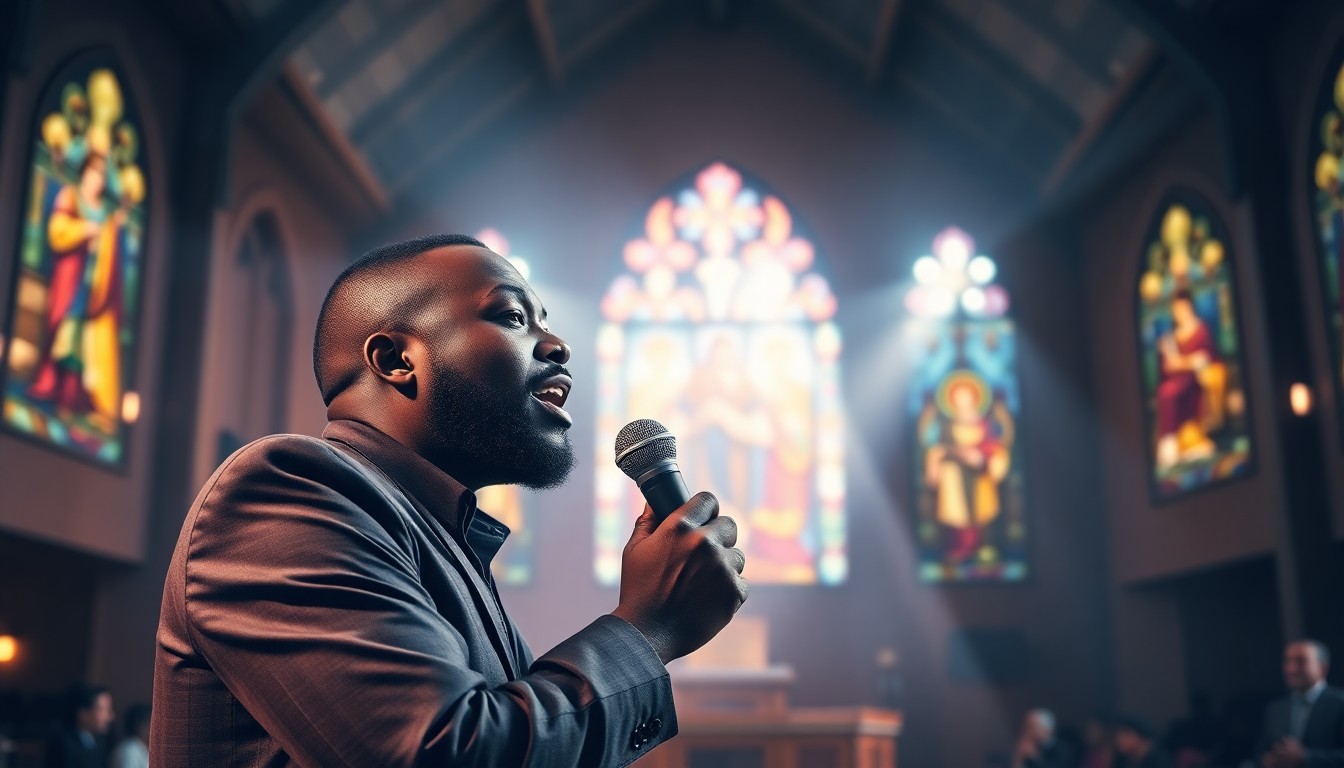
The Black preacher voice tradition represents one of the most powerful oral traditions in American culture. The rhythmic cadence. The rising energy that builds through a sermon. The call-and-response dynamic that turns speech into communal experience. This vocal style shaped music, politics, and public speaking for generations.
Content creators across YouTube, TikTok, and podcasts recognize this power. Inspirational content delivered with preacher energy cuts through algorithms better than monotone narration. Comedy sketches gain impact when they reference this familiar vocal tradition. Educational content becomes memorable when delivered with the passion and rhythm of a Sunday sermon.
AI voice technology now makes this vocal style accessible for creative projects. This guide covers everything you need to know about generating Black preacher voices with AI, from understanding the vocal characteristics that define this tradition to writing scripts that capture authentic preacher energy, selecting the right tools, editing your audio for maximum impact, and navigating the creative and ethical considerations involved.
Understanding Black preacher vocal traditions
The Black preacher voice didn't emerge from nowhere. It developed through centuries of African American religious practice, blending African oral traditions with American evangelical Christianity and creating something entirely unique.
Historical roots of the vocal style
African American preaching evolved from specific cultural circumstances. Early Black churches in America operated under restrictions that shaped how religious leaders communicated. The prohibition of literacy in enslaved communities meant oral traditions carried enormous weight. Preachers developed techniques to make messages memorable without written notes.
Call-and-response patterns came directly from West African traditions. The preacher makes a statement. The congregation responds. This back-and-forth creates rhythm and maintains engagement in ways written sermons never could.
The musicality of Black preaching connects to the same traditions that produced spirituals, gospel, and eventually soul music. Many preachers were also singers. The boundary between speaking and singing often blurred during climactic sermon moments. This musical quality makes Black preacher voices particularly distinctive and powerful.
Understanding this history matters for content creators. You're not just copying a vocal style. You're engaging with a rich cultural tradition that deserves respect and thoughtful use.
Key vocal characteristics that define the style
Black preacher voices share specific qualities that AI voice generators can capture when properly configured.
Rhythmic pacing drives the entire delivery. Preachers don't speak in even, measured tones. They build rhythm through repetition and variation. Short punchy phrases alternate with longer flowing sentences. This creates momentum that carries audiences forward.
Dynamic volume control separates preacher voices from standard public speaking. The voice starts quiet, almost conversational. It builds gradually. Then it explodes into full-throated declarations before pulling back again. This rollercoaster of volume keeps listeners engaged through pure auditory variety.
Tonal musicality means the voice itself becomes an instrument. Preachers slide between pitches naturally. They sustain certain vowels for emphasis. They drop into gravelly registers for serious moments and rise into clearer tones for hopeful passages. See our voice generation guide for more on how AI captures these tonal variations.
Strategic pauses create dramatic effect. A well-timed pause lets the last statement sink in. It builds anticipation for what comes next. It gives the congregation space to respond. When generating AI voices, these pauses become crucial for authenticity.
Repetition with variation appears constantly in effective preaching. The preacher returns to a central phrase but delivers it differently each time. The first time might be questioning. The second time louder. The third time transformed into a declaration. This technique burns messages into memory.
The call-and-response dynamic in audio content
Call-and-response defines Black preaching more than any other element. The preacher says something powerful. The congregation responds with "Amen," "Tell it," or "Preach." This creates a communal experience that passive listening cannot match.
For content creators, you can simulate this dynamic even without an actual congregation. Layer response sounds between statements. Use editing to create the feeling of communal participation. Or leave strategic pauses where responses would naturally occur, letting viewers mentally fill in those moments.
The pattern creates rhythm independent of the words themselves. Preacher statement. Brief response. Preacher continuation. Response. This call-and-response heartbeat drives energy through entire sermons without flagging.
Modern content that references this tradition gains power from audience familiarity. People recognize the pattern instantly. It triggers associations with powerful speaking, emotional authenticity, and messages that matter. Even comedy content leveraging this style benefits from these associations.
Best AI voice generators for preacher vocal styles
Not every AI voice platform handles theatrical vocal styles equally. Some excel at neutral narration but struggle with the dramatic range preacher voices require. Others capture emotion but miss the specific cultural characteristics that make Black preacher voices distinctive.
Platform requirements for authentic preacher voices
Generating convincing preacher voices demands specific capabilities from your AI voice platform.
Emotional range sits at the top of requirements. The AI must handle whispers and shouts within the same script. Platforms that compress emotional range into narrow bands produce flat, unconvincing preacher attempts. Look for tools that explicitly support emotion control or dramatic delivery.
Pitch variation matters enormously. Preacher voices slide between registers naturally. AI that locks voices into single pitch ranges misses the musicality that defines this style. Better platforms allow pitch adjustments within generated audio or natively support wider pitch ranges.
Pacing control separates adequate tools from excellent ones. You need the ability to slow certain phrases for emphasis and speed others for building momentum. Platforms offering granular speed control or custom pause insertion make preacher voice generation significantly easier.
Background audio mixing enhances authenticity. The best results often layer voice generation over subtle crowd sounds, organ music, or ambient church acoustics. Platforms that support audio mixing or export clean files for external editing provide more creative flexibility.
TryAIVoices for inspirational and dramatic voices
TryAIVoices provides voices with the dramatic range and emotional depth needed for preacher-style content. The platform includes character voices designed for theatrical delivery, making it suitable for inspirational and motivational voiceovers.
The Morgan Freeman voice demonstrates the platform's capability with deep, authoritative tones that carry spiritual weight. Freeman's distinctive voice shares qualities with traditional preacher delivery including measured pacing, rich tonal quality, and gravitas that commands attention.
Other voices on the platform like Barack Obama showcase the rhythmic cadence and rising energy that characterize powerful public speaking in the Black preacher tradition. Obama's speaking style explicitly drew from these roots, making it useful for content requiring similar vocal patterns.
The platform offers emotion controls that let you adjust delivery from conversational to passionate. This range matters when crafting preacher-style content that builds from quiet contemplation to climactic declarations. Browse the full voice library to find options matching your specific content needs.
Alternative platforms and specialized tools
Several other platforms handle dramatic voice generation effectively for different use cases and budgets.
ElevenLabs offers voice cloning capabilities that let you create custom voices trained on specific preacher samples. This works well if you have rights to audio from actual preachers and want maximum authenticity. The cloning process requires quality source material but produces highly convincing results. See our ElevenLabs alternative comparison for detailed feature analysis.
Play.ht provides extensive voice libraries including options for powerful, deep voices suitable for inspirational content. The platform excels at longer-form generation, making it useful for extended sermon-style narration. Check our Play.ht comparison for pricing and capabilities.
Murf AI specializes in professional voiceover work with voices that handle emotional range well. While not specifically designed for preacher voices, the platform's emphasis on natural intonation and pacing makes it viable for this use case. Review our Murf AI alternative guide for more details.
Custom voice cloning through services like Resemble AI allows you to create entirely unique preacher voices if you have training audio. This approach works for ongoing series or branded content where voice consistency across many episodes matters. Our Resemble AI comparison explains the cloning process and costs.
For content requiring the most authentic results, combining multiple tools often produces better output than relying on single platforms. Generate base audio with one tool, adjust emotional delivery with another, and polish final output through audio editing software.
Writing scripts that capture authentic preacher energy
The voice itself represents only half the equation. The script determines whether your content sounds like genuine preaching or generic narration with volume variation. Authentic preacher delivery requires specific structural and linguistic elements.
Structural patterns that create preacher rhythm
Preacher speeches follow patterns that create distinctive rhythm even before considering vocal delivery.
Repetition with escalation forms the backbone of powerful preacher writing. Take a core phrase and return to it repeatedly, adding intensity each time. "I said..." (pause) "I SAID..." (pause) "I SAID WE WILL RISE." Each repetition builds energy through volume and emphasis rather than changing words.
Rhetorical questions engage listeners actively. "Can I get an amen?" "You know what I'm talking about?" "Who's with me?" These questions assume positive responses and create the feeling of dialogue even in one-way content.
Triadic structure appears constantly in effective preaching. Three examples. Three declarations. Three parallel phrases. The pattern satisfies listeners psychologically while building momentum. "We will march. We will pray. We will overcome."
Biblical or literary references add weight and cultural resonance. Preachers quote scripture, spiritual songs, and historical speeches. These references connect current messages to larger traditions. Even non-religious content can reference common cultural touchstones for similar effect.
Metaphorical language makes abstract concepts concrete. Preachers describe valleys and mountains, storms and sunshine, journeys and destinations. These metaphors create vivid mental images that statistics and logical arguments cannot match.
Language choices that sound naturally preacher-like
Specific word choices and grammatical patterns characterize preacher speech.
Collective pronouns create unity. "We" not "you." "Us" not "them." "Our" not "your." This linguistic choice makes the preacher part of the congregation rather than lecturing from outside. The effect builds community and shared experience.
Present tense urgency drives action. "I tell you today..." "Right now..." "This moment..." Preachers collapse time distinctions to make historical events feel immediate and future promises feel imminent. This creates urgency that past or future tense cannot generate.
Declarative certainty characterizes the best preacher writing. Avoid hedging language like "maybe" or "possibly." Preachers speak with conviction. "It is." "We shall." "This will happen." The certainty itself becomes persuasive regardless of content.
Vernacular authenticity means using language that sounds spoken rather than written. Contractions. Sentence fragments. Colloquialisms. Preachers speak the language of their congregations, not formal academic prose. This accessibility makes messages resonate across education levels.
Call-and-response insertions should appear throughout your script. "Can I get a witness?" "Say it with me." "Somebody shout amen." These phrases create natural pause points and maintain the communal feeling central to the tradition.
Building emotional arcs through script structure
Great preacher content takes listeners on emotional journeys with clear beginnings, middles, and endings.
Start contemplative with a question, observation, or story. The opening sets the tone but doesn't immediately hit maximum intensity. You're drawing listeners in, not overwhelming them. Think conversational wisdom rather than aggressive declaration.
Introduce the core message through anecdote or metaphor. Preachers rarely state thesis statements directly. They tell stories that illuminate truths. Use specific examples that illustrate your central point before explicitly stating it.
Build intensity gradually through repetition and volume. Each return to your core phrase gets slightly louder. Each example adds urgency. The middle section should create momentum that makes the climax feel inevitable.
Hit the climax with maximum passion. This is where whispers become shouts. Where subtle suggestions become declarations. The climax releases all the built-up energy. Don't hold back here. The content lives or dies on whether this moment delivers.
Resolve with hope or action after the climax. Don't end at maximum volume. Pull back slightly and direct the emotional energy toward something productive. What should listeners do with these feelings? Where does this passion lead?
For practical examples of building emotional arcs, check our voice generation tips which cover pacing and delivery techniques applicable across vocal styles.
Creative use cases for AI preacher voices
Preacher voices work across diverse content types when applied thoughtfully. The vocal style's inherent drama and emotional weight serve many creative purposes beyond strictly religious content.
Inspirational and motivational content
Motivational content gains enormous impact when delivered in preacher style. The vocal tradition evolved specifically to inspire and uplift. Applying these techniques to modern motivational content accesses those same psychological triggers.
Fitness content benefits dramatically from preacher delivery. "No more excuses. Today is the day. I said TODAY IS THE DAY you change your life." The intensity pushes viewers toward action more effectively than calm encouragement.
Business and entrepreneurship content channels preacher energy to drive ambition. Success gurus already use preacher techniques unconsciously. Adding the vocal style makes the connection explicit and amplifies the motivational effect.
Personal development content about overcoming adversity parallels sermon themes perfectly. The arc from struggle to triumph defines both preacher speeches and self-help narratives. The vocal style reinforces the message at an emotional level.
Educational content about historical civil rights figures becomes more powerful with preacher delivery. When discussing Martin Luther King Jr., Malcolm X, or other leaders who drew from preacher traditions, using similar vocal styles adds authenticity and emotional resonance. Learn more about creating political figure voices for historical content.
Comedy and satirical content
Preacher voices create instant comedy through contextual contrast. The solemn vocal style applied to ridiculous subjects generates humor automatically.
Product reviews delivered as passionate sermons make mundane items hilarious. "I bring you good news about this toaster, congregation. This appliance will transform your morning routine. Can I get an amen?" The disconnect between serious delivery and trivial subject creates comedy.
Gaming commentary gains entertainment value from preacher intensity. Treating video game achievements as spiritual victories or defeats as moral failings produces ongoing laughs through exaggeration.
Reaction videos become memorable when delivered as sermons. Responding to viral content with the full weight of preacher outrage or celebration elevates the format beyond standard reaction videos.
Satirical political commentary often employs preacher voices to mock politicians or call out hypocrisy. The tradition's association with moral authority makes it perfect for satirizing those claiming such authority themselves.
TikTok and short-form content particularly benefits from preacher voices because the style captures attention immediately. The first three seconds determine whether viewers scroll past. A passionate preacher opening stops thumbs better than casual speaking. See our TikTok voice guide for platform-specific tips.
Storytelling and dramatic narration
Narrative content gains tension and emotional depth through preacher vocal styling.
Podcast storytelling about overcoming obstacles works beautifully with preacher delivery. The vocal tradition's emphasis on triumph over adversity aligns perfectly with compelling personal narratives.
Audio drama and fiction podcasts can use preacher voices for specific characters or to deliver particularly dramatic moments. A character delivering an impassioned speech becomes more memorable in preacher style.
Documentary narration gains gravitas when preacher voices narrate historical struggles, social movements, or stories of human resilience. The vocal weight matches the content's emotional significance.
YouTube storytelling channels covering true crime, mysteries, or inspirational stories can deploy preacher delivery during climactic moments for maximum impact. Not every line needs this treatment, but strategic application elevates key scenes.
Sports commentary benefits from preacher energy when calling big moments. The rising excitement and dramatic declarations mirror preacher climaxes. Championship games practically demand this vocal intensity.
Music production and sampling
The musicality of preacher voices makes them valuable for music producers across genres.
Hip-hop producers have sampled preacher speeches for decades. The rhythmic speech and emotional intensity complement rap vocals naturally. Modern AI generation makes creating original preacher samples for beats easier than clearing expensive samples.
Electronic music producers layer preacher voices into builds and drops. The rising energy of preacher delivery matches the arc of electronic music climaxes perfectly.
Gospel and inspirational music obviously suits preacher vocal additions. Creating AI preacher intros or interludes for inspirational tracks adds authenticity and emotional weight.
Experimental and ambient music uses preacher voices as texture. The spoken word elements add human presence to instrumental compositions without requiring full singing.
Producers creating content for YouTube videos or podcast intros can generate custom preacher samples rather than relying on overused royalty-free options.
Optimizing AI generation settings for preacher authenticity
Getting convincing preacher voices from AI tools requires understanding which settings to adjust and how different parameters affect output quality.
Emotion and intensity controls
Most advanced AI voice platforms include emotion settings that dramatically impact preacher voice authenticity.
Energy level should start around 70-80% for preacher content. Lower energy produces conversational tones that miss the vocal style's inherent passion. Maximum energy often sounds cartoonish. The sweet spot sits in the upper range without hitting the ceiling.
Emotion selection matters less than emotion intensity for preacher voices. Whether you select "passionate," "inspirational," or "determined," the key is pushing that emotion to higher levels than you'd use for standard narration.
Stability settings control how much variation appears within generated audio. For preacher voices, you want moderate stability. Too much stability produces monotone delivery. Too little creates inconsistent character. Aim for settings that allow emotional variation while maintaining recognizable voice characteristics.
Dynamic range settings determine the difference between quiet and loud moments. Maximize this for preacher content. The style depends on dramatic volume shifts. Platforms that compress dynamic range produce flatter results that miss the vocal tradition's power.
Pacing and rhythm adjustments
Timing determines whether AI preacher voices sound authentic or robotic.
Base speaking speed should run slightly slower than conversational speech. Preachers typically speak at 120-140 words per minute during standard delivery, compared to 150-160 for normal conversation. The slower pace allows emphasis and creates space for responses.
Variable speed throughout scripts creates more authentic results than consistent pacing. Speed up during transitions and descriptive passages. Slow down dramatically for key declarations and climactic moments. Most platforms require manual editing to achieve this, but the effort separates amateur attempts from professional results.
Pause insertion between phrases mimics the natural rhythm of preacher speech. Add pauses after rhetorical questions. Insert beats before key declarations. Create space after climactic statements. These silences let the previous words resonate before moving forward.
Breath sounds add human authenticity. Some platforms include options to add breathing between phrases. For preacher voices, enable this feature. The deep breaths before passionate declarations enhance realism significantly.
Post-processing for enhanced realism
Raw AI output benefits from audio editing to maximize authenticity.
Reverb and room tone simulate church or auditorium acoustics. Preacher speeches typically occur in spaces with natural reverb. Adding subtle reverb makes voices sound like they're addressing crowds rather than speaking into microphones in home studios. Don't overdo this. Too much reverb becomes muddy.
Compression smooths volume variations while maintaining dynamic range. Light compression helps ensure quiet moments stay audible while preventing loud moments from distorting. Use compression ratios around 3:1 to 4:1 with gentle attack and release settings.
EQ adjustments enhance voice characteristics. Boost frequencies around 100-200 Hz for chest resonance and authority. Add presence around 2-5 kHz for clarity and intelligibility. Cut harsh frequencies around 3-4 kHz if the AI voice sounds tinny.
Background ambience adds realism through subtle crowd sounds, organ music, or church atmosphere. Layer these quietly under the main voice. The subconscious recognition of familiar settings enhances believability even when listeners don't consciously notice the background elements.
For detailed audio editing techniques, see our voice editing guide covering EQ, compression, and mixing strategies.
Ethical considerations and cultural sensitivity
Using AI to generate voices inspired by Black cultural traditions requires thoughtful consideration of context, purpose, and impact.
Respecting cultural traditions through thoughtful use
The Black preacher voice tradition emerges from specific cultural and historical circumstances. Content creators using this vocal style should understand what they're engaging with and why it matters.
Avoid mocking or demeaning portrayals that treat this tradition as joke fodder. Comedy using preacher voices can work, but the humor should come from situational contrast rather than making the vocal style itself the punchline. Ask whether your content respects the tradition or ridicules it.
Understand historical context before creating content that references preaching traditions. The vocal style developed through slavery, Jim Crow, and ongoing civil rights struggles. This history adds weight that creators should acknowledge rather than ignore.
Consider your relationship to the tradition honestly. Are you part of communities where this vocal style originated? Are you creating content for those communities or packaging cultural elements for outside audiences? Neither answer disqualifies you from creating content, but both should inform how you approach the work.
Seek feedback from people connected to these traditions before publishing content that directly engages Black preacher styles. Sensitivity readers and cultural consultants catch missteps that creators outside these traditions miss.
When preacher voices work and when they don't
Context determines whether using AI preacher voices enhances content or crosses lines.
Inspirational content aligns naturally with preacher traditions. If your message about perseverance, hope, or overcoming obstacles resonates with sermon themes, the vocal style reinforces rather than appropriates.
Educational content about history, civil rights, or cultural traditions benefits from authentic vocal representation. Using preacher voices when discussing figures who were preachers or who drew from these traditions adds accuracy.
Comedy that respects the tradition can work. Applying solemn preacher delivery to absurd situations creates humor through contrast. The tradition itself isn't the joke—the unexpected application is.
Marketing and commercial content requires more caution. Using preacher voices to sell products can feel exploitative. Ask whether you're using cultural traditions as props to move merchandise.
Political content demands extreme care. Preacher traditions deeply connect to civil rights and social justice movements. Using these vocal styles to promote contradictory political positions disrespects the tradition's history.
Disclosure and transparency
Being clear about using AI-generated voices serves ethical purposes and legal protection.
Disclose AI generation in video descriptions, podcast notes, or content warnings. Audiences deserve to know when voices are synthesized rather than performed by humans.
Don't misrepresent AI voices as actual preacher recordings. Passing off synthetic audio as authentic recordings crosses ethical lines into deception.
Consider fair use when creating content inspired by specific preachers or religious leaders. Parody, commentary, and education generally receive legal protection. Direct imitation for commercial purposes might not.
Respect religious contexts by avoiding AI preacher voices for actual religious services or contexts where authenticity matters spiritually. The technology serves creative and educational purposes, not substituting for genuine religious leadership.
For broader context on ethical AI voice generation, see our voice cloning guide covering responsible use practices.
Technical tips for maximum preacher voice authenticity
Small technical adjustments separate adequate AI preacher voices from truly convincing ones that make listeners forget they're hearing synthesized audio.
Script formatting for better AI interpretation
How you format scripts affects how AI voice generators interpret and perform them.
Use punctuation for timing. Periods create longer pauses than commas. Ellipses (...) signal trailing off. Dashes indicate interruption or sharp transitions. Exclamation points trigger emphasis. Question marks raise inflection. Thoughtful punctuation guides AI interpretation without manual settings adjustments.
ALL CAPS FOR EMPHASIS works with many AI platforms. When you need maximum volume and intensity, capitalizing entire words or phrases often triggers louder, more passionate delivery. Don't overuse this. Reserve it for genuine climaxes.
Strategic line breaks help some platforms interpret pacing better. Breaking scripts into shorter lines with manual breaks between them can create the rhythmic pauses preacher delivery requires:
Instead of: "I tell you today, right now, this very moment, we will rise up and we will overcome."
Try: "I tell you today. Right now. This very moment. We WILL rise up. And we WILL overcome."
Phonetic spelling corrects mispronunciations. If the AI struggles with specific words, spell them phonetically in your script. "Amen" might need to become "Ah-men" with emphasis on the second syllable depending on the platform.
Bracketed stage directions work with advanced platforms. [quietly] [building intensity] [shouting] These instructions guide emotional delivery through longer passages. Some platforms interpret these naturally. Others ignore them, but they help you remember delivery intentions when manually adjusting settings.
Combining multiple voice generations
Single AI generations rarely capture the full emotional range preacher content requires. Generating your script in segments and combining them creates better results.
Generate climactic moments separately with maximum emotion settings. Create the passionate declarations, the shouted affirmations, and the intense climaxes as individual audio files with everything cranked to maximum.
Generate transitions and setup separately with moderate settings. The conversational opening, the storytelling middle sections, and the resolving conclusion need different emotional levels than climaxes.
Edit segments together in audio editing software. This approach lets you optimize settings for each section rather than compromising across entire scripts. The transitions between segments might need small fades or overlaps to sound natural.
Layer response sounds between segments. Add "Amen," "Preach it," "Tell it" responses from crowd sound effects or secondary AI generations. These fill the spaces between preacher statements and enhance authenticity.
Create multiple takes of key lines and choose the best. AI generation varies between attempts. Running climactic declarations three times and selecting the most powerful version improves final quality significantly.
Reference material for voice direction
Studying actual preacher speeches guides better AI generation decisions.
Watch sermons from different traditions to understand variation within the style. Megachurch preachers differ from traditional Black Baptist preachers who differ from Pentecostal preachers. Each has distinctive patterns worth studying.
Analyze musical elements in effective preaching. Notice where voices rise and fall in pitch. Identify repeated phrases and their variations. Study the rhythm created through pacing and pauses.
Transcribe powerful moments from sermons you want to emulate. Seeing the words on page reveals structural patterns you can adapt for your scripts.
Note audience responses in live recordings. Understanding where and why congregations respond helps you build call-and-response rhythms into AI-generated content.
Study speakers who drew from preacher traditions like Martin Luther King Jr., Malcolm X, Jesse Jackson, and Barack Obama. These figures adapted preacher techniques for political speeches, demonstrating how the vocal style translates beyond pulpits.
For additional voice direction techniques, check our voice generation getting started guide covering foundational skills applicable across all voice styles.
Platform comparison for preacher voice generation
Different AI voice platforms excel at different aspects of preacher voice generation. Understanding strengths and limitations helps you choose the right tool for specific projects.
Feature comparison across major platforms
TryAIVoices provides character and celebrity voices with dramatic range suitable for inspirational and theatrical content. The platform's strength lies in instant generation and extensive voice library including options like Morgan Freeman and Obama that capture commanding, rhythmic delivery styles.
The platform offers simple controls that make it accessible for creators without audio engineering experience. Emotion adjustments happen through straightforward settings rather than complex parameters. This simplicity speeds up workflows for content creators producing high volumes of material.
Generation speed makes TryAIVoices ideal for rapid testing and iteration. Try multiple takes, adjust scripts, regenerate quickly. This fast feedback loop helps find the right delivery before investing time in detailed editing.
ElevenLabs excels at voice cloning, allowing creation of custom preacher voices from sample audio. If you have rights to preacher recordings or want to create entirely unique voices, their cloning technology produces highly convincing results.
The platform's weakness is cost at scale. Usage-based pricing becomes expensive for creators generating large amounts of content. But for projects requiring maximum authenticity or custom voices, the investment may justify itself.
Play.ht handles longer-form content effectively with voices that maintain consistency across extended generation. For sermon-length content or podcast episodes, their platform prevents quality degradation that affects some competitors over longer durations.
Voice variety on Play.ht includes numerous deep, authoritative options suitable for preacher-style content. The platform's commercial licensing structure supports creators monetizing generated content without complicated rights negotiations.
Murf AI provides professional voiceover quality with natural intonation and pacing controls. While not specifically designed for preacher voices, the platform's emphasis on emotion and dramatic range makes it viable for inspirational content.
Collaboration features on Murf benefit teams creating content together. Multiple users can review generated audio, leave feedback, and iterate together within the platform.
Resemble AI offers custom voice creation through AI training. For ongoing series or branded content requiring consistent character voices, training a custom preacher voice provides long-term value despite higher upfront costs.
Budget considerations for different use cases
Content creation budgets vary wildly. Matching platforms to budgets prevents overspending while ensuring adequate quality.
Subscription platforms like TryAIVoices, Play.ht, and Murf work best for regular content creators. Monthly costs stay predictable regardless of generation volume. If you're producing weekly videos or daily social media content, subscriptions make financial sense.
Pay-per-use platforms suit occasional creators or those producing high-value individual pieces. If you create preacher-style content monthly or quarterly, paying only for what you use often costs less than maintaining subscriptions.
Free tiers exist on several platforms but typically impose significant limitations on commercial use, generation length, or voice quality. These work for testing and learning but rarely suffice for content you intend to publish and monetize.
Voice cloning services require upfront investment but pay off for long-term projects. If you're creating a podcast series with consistent preacher narration across dozens of episodes, investing in custom voice creation saves money compared to per-episode generation costs.
Budget for post-production time and tools beyond generation costs. Even the best AI output benefits from editing. Audio software subscriptions or one-time purchases add to total costs alongside voice generation platforms.
See our pricing comparison guide for detailed cost analysis across platforms and use cases.
Legal and licensing considerations
Using AI-generated preacher voices for content requires understanding copyright, fair use, and commercial licensing.
Copyright and intellectual property
AI-generated content exists in somewhat murky legal territory that continues evolving as courts address new cases.
AI output ownership varies by platform. Some services grant you full commercial rights to generated audio. Others maintain partial ownership or restrict commercial use without upgraded licenses. Read terms of service carefully before publishing content commercially.
Training data rights occasionally create issues. Some AI platforms face lawsuits regarding whether they legally used copyrighted audio to train their models. While these disputes typically affect platform owners rather than users, understanding the landscape helps assess risks.
Sound-alike considerations apply when generating voices inspired by specific preachers. Creating voices intentionally mimicking identifiable religious leaders could trigger right of publicity claims. Generic preacher voices face less risk than attempts to directly clone specific individuals.
Music and sampling rules apply if you incorporate generated preacher voices into songs. Typical music licensing handles this, but ensure your distribution platforms understand you're using AI-generated rather than sampled human voices to avoid unnecessary clearance requests.
Commercial use and attribution
How you plan to use generated preacher voices affects which platforms and licenses suit your needs.
Monetized YouTube content requires commercial licenses from most voice platforms. Free tiers rarely permit monetization. Verify your platform's terms explicitly allow YouTube monetization before publishing videos with ads enabled.
Podcast advertising revenue falls under commercial use even if the podcast itself is free. If you run sponsorships or ads, you need commercial licenses for any AI voices in episodes.
Social media monetization through TikTok Creator Fund, Instagram bonuses, or platform partnerships typically counts as commercial use requiring appropriate licenses.
Client work and freelancing definitely requires commercial licenses. If you're creating content for businesses or individuals who pay you, commercial terms apply regardless of how they use final content.
Attribution requirements differ between platforms. Some require crediting the AI voice service in content descriptions. Others allow use without attribution. Following attribution guidelines protects you from potential terms of service violations.
TryAIVoices subscription plans include commercial usage rights, letting you monetize content without additional licensing fees. Understanding what's included in your subscription prevents unexpected limitations.
Fair use and transformative work
Legal doctrines like fair use provide some protection for certain content types using AI preacher voices.
Parody and satire typically receive fair use protection. If you're creating comedy content that comments on or critiques cultural elements through exaggeration or absurdity, fair use likely applies. But parody must actually comment on its subject, not just use recognizable styles for unrelated purposes.
Educational content often qualifies as fair use depending on scope and purpose. Documentary content explaining preacher traditions, educational videos discussing voice generation technology, or historical analyses using preacher voices for illustration generally receive protection.
Commentary and criticism get fair use consideration. Content analyzing sermons, discussing preacher influence on culture, or critiquing religious or political topics through preacher-voiced narration likely qualifies.
Commercial impact affects fair use analysis. Courts consider whether your use competes with or substitutes for original works. AI preacher voices for generic inspirational content don't typically compete with specific preachers' work, strengthening fair use claims.
Consult legal professionals for high-stakes content or uses involving identifiable individuals. Fair use provides important protections but remains subject to interpretation. Legal advice suited to your specific situation prevents costly mistakes.
Measuring impact and audience response
Creating AI preacher voice content is one thing. Understanding whether it resonates with audiences requires tracking specific metrics and gathering feedback.
Analytics that matter for voice content
Different platforms provide varying analytics, but certain metrics indicate whether preacher voice content succeeds.
Audience retention reveals whether the vocal style holds attention. If viewers drop off during preacher-voiced segments, the delivery might be too intense or not authentic enough. If retention increases, the style works.
Engagement rates through likes, comments, and shares indicate emotional connection. Preacher voices aim to inspire and energize. Content succeeding in this goal generates more engagement than generic narration.
Watch time and session duration on YouTube specifically matter. Content keeping viewers watching longer performs better in recommendations. Preacher voices should boost these metrics if implemented effectively.
Conversion rates for content with calls to action show whether the delivery persuades. If you're asking viewers to subscribe, visit links, or take specific actions, preacher delivery should theoretically increase compliance through emotional appeal.
Audience demographics reveal who resonates with your content. If certain age groups, geographic regions, or other demographic segments respond more positively, you can tailor future content accordingly.
Track metrics before and after implementing preacher voices to isolate their impact. Create similar content with different vocal styles and compare performance to understand what works for your specific audience.
Gathering qualitative feedback
Numbers tell part of the story. Direct audience feedback provides context analytics cannot.
Comment analysis reveals how audiences perceive your use of preacher voices. Positive comments mention finding content inspiring, moving, or entertaining. Negative comments might critique cultural appropriation, inauthenticity, or ineffective delivery.
Social media discussion beyond your own posts indicates whether content sparks broader conversation. People sharing your videos with their own commentary shows organic interest and impact.
Direct messages and emails from viewers often contain detailed feedback about what resonated or fell flat. These personal communications provide insights you'll never get from analytics dashboards.
A/B testing different approaches helps identify what works. Create versions with more intense preacher delivery versus more moderate approaches. Test different script structures. Compare audience responses to determine optimal strategies.
Community polls directly ask audiences what they want. "Should we use more preacher-style narration?" Simple questions generate clear directional feedback.
Use both quantitative analytics and qualitative feedback to iterate and improve. The goal is creating content that respects the tradition, serves your creative vision, and resonates with audiences. Measurement helps you achieve all three.
Advanced techniques for professional results
Once you've mastered basic AI preacher voice generation, advanced techniques separate good content from exceptional work that sounds professionally produced.
Layering multiple vocal tracks
Professional preacher recordings rarely feature a single isolated voice. Layering creates depth and realism.
Main preacher voice carries the primary message with full emotional range and dramatic delivery. This should be your highest quality generation with optimal settings.
Call-and-response tracks add congregation participation. Generate separate audio with response phrases like "Amen," "Preach," "Tell it," and "Yes Lord" in different voices. Layer these at appropriate moments with varied volume and positioning.
Background murmur simulates the ambient sounds of crowds. Low-level vocal texture placed under main audio creates the feeling of addressing live audiences. This doesn't need to be intelligible words. Just the sound of human presence.
Choir or musical elements enhance authenticity when appropriate. Preacher moments often occur with musical accompaniment. Layer subtle organ, piano, or humming choir sounds during transitions and under sustained passages.
Echo and repeat effects let you emphasize key declarations. When the preacher shouts "RISE UP," having that phrase echo or repeat at lower volumes creates dramatic emphasis while filling audio space during natural pauses.
Dynamic soundscape creation
The environment where preaching occurs affects perception. Creating appropriate soundscapes enhances believability.
Church acoustics through reverb and early reflections simulate various spaces. Megachurch acoustics differ from traditional church acoustics which differ from tent revival sounds. Matching your reverb to implied setting adds subtle authenticity.
Vintage processing for period content. If you're creating content set in past decades, running AI voice through vintage preamp simulation, tape saturation, or old radio filters makes generations sound appropriately dated.
Live recording aesthetics including subtle microphone handling sounds, small plosives on certain words, and minor audio imperfections actually increase perceived authenticity. Perfect AI audio sometimes sounds too clean. Slight imperfection suggests human recording.
Outdoor revival settings require different treatment than indoor churches. Less reverb but more ambient nature sounds. Wind in microphones occasionally. The sense of open air rather than enclosed space.
Broadcast processing for content framed as radio or TV recordings. Compression, limiting, and the spectral characteristics of broadcast systems create specific sound profiles audiences associate with media rather than live attendance.
Script variations for different platforms
Preacher voice content should adapt to platform constraints and audience expectations.
TikTok and shorts need immediate impact. Start with the climax. "I SAID TODAY IS YOUR DAY." Hook viewers in the first second with maximum intensity then explain context. The 60-second limit demands efficiency. Build quickly, deliver the message, resolve, end. See our TikTok content guide for platform-specific optimization.
YouTube long-form allows traditional sermon structure. You can build slowly, tell extended stories, develop ideas over minutes rather than seconds. The audience chose to watch longer content. Give them the full arc without rushing climaxes.
Podcast audio without visuals requires extra care with vocal variety. Listeners can't see your face or body language. The voice alone must convey all emotion and maintain engagement across extended durations. More dramatic delivery compensates for lack of visual stimulus.
Instagram Reels split the difference between TikTok and YouTube. 90 seconds allows mini-arcs. Set up briefly, build moderately, hit a solid climax, resolve. Captions become crucial since many Instagram users watch with sound off initially.
Twitter/X video needs to work muted with captions. While preacher voices carry power, the words matter too. Ensure your script reads compellingly as text for users scrolling with sound off.
Adapt scripts and delivery intensity to match where audiences will encounter your content and how they typically consume media on those platforms.
Collaboration with actual voice talent
AI generation works excellently for many purposes but combining synthetic and human voices produces unique results.
Human preacher for key moments paired with AI for transitions and supporting content. Hire a voice actor or actual preacher to perform the climactic declarations and most important passages. Use AI for the setup, transitions, and less critical sections. This hybrid approach provides authenticity where it matters most while keeping costs manageable.
AI for scratch tracks that human performers then match or improve. Generate AI versions of your scripts to establish timing and delivery patterns. Voice actors use these as reference for live performance. This approach leverages AI for pre-production while delivering final content through human talent.
Human direction of AI generation where experienced voice directors optimize AI settings and edit synthetic audio with professional techniques. Their expertise elevates AI output beyond what typical content creators achieve alone.
Voice actor training using AI generations helps performers understand your vision. Generate AI versions showing desired emotional range and pacing. Actors use these to align their performances with your creative goals.
The binary choice between "AI or human" is false. Smart creators use both strategically based on budget, timeline, and quality requirements for different content elements.
Troubleshooting common preacher voice generation issues
Even with optimal settings and careful scripting, AI preacher voice generation presents challenges. Understanding common issues and their solutions improves results.
Emotional flatness despite high intensity settings
Sometimes AI generates voices that technically hit high volume but lack emotional conviction. The voice sounds loud but not passionate.
Solution: Break scripts into shorter segments. Generate individual phrases separately with varied emotion settings rather than running entire scripts at consistent high intensity. This creates natural variation.
Solution: Use phonetic emphasis. Elongate vowels in your script where you want sustained emotional delivery. "Riiiise" instead of "Rise" guides the AI to stretch sounds for dramatic effect.
Solution: Layer multiple takes. Generate the same line several times. Combine the best elements from each take. Maybe one version nails the beginning while another peaks perfectly. Audio editing lets you assemble ideal versions from multiple attempts.
Solution: Add human elements in post-production. Subtle breath sounds, slight vocal fry on certain words, minor timing adjustments. Small human touches combat flatness without requiring regeneration.
Inconsistent pronunciation or awkward phrasing
AI sometimes mispronounces words or creates unnatural pauses that break preacher rhythm.
Solution: Phonetic spelling for problematic words. If "hallelujah" comes out wrong, spell it "hal-lay-loo-yuh" with hyphens guiding syllable separation.
Solution: Punctuation adjustment to control pacing. Add commas where you want brief pauses. Use periods for longer breaks. Ellipses for trailing off. Let punctuation guide the AI's timing interpretation.
Solution: Manual syllable breaks using spaces or hyphens. "E ter ni ty" instead of "eternity" forces the AI to separate and emphasize each syllable.
Solution: Alternative word choices when certain terms consistently generate poorly. If a specific word never sounds right despite multiple attempts, find synonyms that the AI handles better.
Lack of rhythmic variation throughout scripts
The AI might generate preacher voices at consistent intensity without the dynamic peaks and valleys that characterize authentic delivery.
Solution: Explicit emotion markers in your script. Use [brackets] to indicate delivery changes: [quiet and building] [passionate crescendo] [triumphant declaration]. Some platforms interpret these directly. Others ignore them but they guide your manual adjustments.
Solution: Generate in sections with different base settings. Create the quiet opening with low energy. Generate the building middle at medium energy. Make the climax with maximum intensity. Edit sections together for natural progression.
Solution: Manual pitch and speed editing in post-production. Audio software lets you adjust pitch and tempo of generated audio. Raise pitch slightly during passionate moments. Slow tempo for dramatic emphasis. Speed up during transitional passages.
Solution: Study actual sermon recordings and note exactly where intensity changes occur. Map these changes to your script. Use specific guidance rather than hoping AI intuitively creates proper arcs.
Technical audio quality issues
Occasionally AI generation produces artifacts, distortion, or quality problems that make preacher voices sound obviously synthetic.
Solution: Noise reduction removes subtle background hiss or processing artifacts. Audio editors include noise reduction tools that clean AI generation while preserving voice quality.
Solution: Re-generation with adjusted settings sometimes fixes quality issues. If output sounds distorted, lower intensity slightly and regenerate. The small decrease in emotional peak may be worth the audio quality improvement.
Solution: Format and bitrate optimization ensures you're downloading highest quality from your AI platform. Check settings for options like WAV instead of MP3, higher bitrate exports, or quality toggles.
Solution: Proper gain staging prevents distortion. If AI generation comes out too hot (too loud), reduce volume before applying effects or exporting rather than letting it clip and distort.
Resources for continued learning
Mastering AI preacher voice generation requires ongoing learning as technology improves and techniques evolve.
Communities and forums for AI voice creators
Connecting with other creators provides inspiration, troubleshooting help, and technique sharing.
Reddit communities like r/VoiceActing and r/AudioEngineering discuss AI voice technology regularly. Users share settings, compare platforms, and help troubleshoot issues. The r/AIVoice subreddit specifically focuses on AI voice generation.
Discord servers for various AI voice platforms host active communities. Platform-specific servers let you ask questions directly to other users and sometimes developers. Shared experiences accelerate learning.
Facebook groups focused on content creation often include discussions about AI voiceovers. YouTube creator groups, podcaster communities, and video production groups all engage with voice technology.
YouTube channels covering audio production and AI technology provide tutorials and updates. Channels like Booth Junkie, Voice Over Kickstart, and various AI-focused channels regularly post relevant content.
Twitter/X communities of voice creators, AI enthusiasts, and audio professionals share quick tips, new platform launches, and technique threads. Following relevant hashtags helps you discover useful content.
Books and courses on preacher vocal traditions
Understanding the traditions you're working with improves AI generation choices and script writing.
"The Art of the American Folk Preacher" by Bruce Rosenberg analyzes traditional preaching styles and their patterns. Academic but accessible, it provides linguistic and structural insights applicable to content creation.
"I May Not Get There With You" by Michael Eric Dyson explores Martin Luther King Jr.'s preaching and speaking style, offering detailed analysis of techniques used by one of the tradition's most influential figures.
"The African American Pulpit" journal publishes scholarly articles about Black preaching traditions, theology, and practice. Reading current scholarship helps you understand contemporary perspectives on these traditions.
Online courses through platforms like Coursera, Udemy, and Skillshare occasionally cover public speaking techniques drawn from preacher traditions. Search for courses on inspirational speaking, rhetorical techniques, or Black church traditions.
Sermon recordings and archives provide primary source material. Listen extensively to actual preachers. Study their techniques. Note what makes their delivery effective. Apply these observations to your AI voice generation work.
Technical audio engineering resources
Improving your audio post-production skills elevates AI voice generation results.
"The Mixing Engineer's Handbook" by Bobby Owsinski covers fundamental audio mixing techniques applicable to voice processing. Understanding EQ, compression, and reverb helps you polish AI generations.
YouTube channels like Produce Like A Pro, Recording Revolution, and audio engineering focused creators offer free tutorials on vocal processing techniques directly applicable to AI voice editing.
Audio software tutorials specific to your DAW (Digital Audio Workstation) help you maximize your tools. Whether you use Audacity, GarageBand, Logic Pro, or Ableton, platform-specific training increases efficiency.
Plugin manufacturer resources provide detailed guidance on using specific audio processing tools. Companies like Waves, FabFilter, and iZotope offer extensive tutorials on their vocal processing plugins.
LinkedIn Learning and other platforms offer comprehensive audio engineering courses covering everything from basics to advanced techniques. Investment in education pays off through better sounding content.
For immediate practical guidance, explore our voice generation tips covering settings optimization and audio enhancement specifically for AI-generated voices.
Frequently asked questions
Can AI accurately replicate authentic Black preacher vocal styles?
AI can capture many characteristics of preacher vocal styles including rhythmic cadence, emotional intensity, and dramatic range. However, perfect replication remains challenging because authentic preaching involves cultural context, lived experience, and spontaneous spiritual expression that AI cannot fully reproduce. The best results come from using AI as a tool for creative projects and inspirational content rather than attempting to pass off synthetic voices as actual preacher recordings.
Is it appropriate to use AI preacher voices if I'm not from Black communities?
Appropriateness depends entirely on context and execution. Using preacher-inspired delivery for genuinely inspirational or educational content that respects the tradition can work regardless of creator background. Comedy that honors rather than mocks the tradition, educational content about civil rights history, or motivational content channeling preacher energy can all be executed respectfully. Problems arise when creators treat the vocal tradition as joke fodder, use it in contexts that contradict the tradition's values, or fail to acknowledge the cultural significance. Thoughtful approach, cultural awareness, and willingness to listen to feedback matter more than creator identity.
What AI voice platform works best for preacher voices?
No single platform dominates for preacher voice generation. TryAIVoices offers character voices with dramatic range suitable for inspirational content at accessible price points. ElevenLabs provides voice cloning for creating custom preacher voices from sample audio. Play.ht handles extended content well for longer sermon-style narration. Murf AI delivers professional quality with strong emotion controls. The best choice depends on your specific needs, budget, and whether you prioritize convenience, customization, or cost efficiency. Try multiple platforms with sample scripts to identify which produces results closest to your creative vision.
How do I write scripts that sound authentically preacher-like?
Effective preacher scripts employ specific structural patterns including repetition with escalation, rhetorical questions, triadic structures, metaphorical language, and call-and-response elements. Use collective pronouns to create unity. Write in present tense for urgency. Employ declarative certainty rather than hedging. Most importantly, build clear emotional arcs from contemplative openings through building intensity to climactic peaks before resolving with hope or action. Study actual sermons to internalize rhythm patterns, then adapt these structures to your content's message. See our complete script writing guide for detailed techniques applicable across voice styles.
Can I monetize content using AI-generated preacher voices?
Monetization depends on your AI platform's licensing terms and content type. Most platforms offer commercial licenses through paid subscriptions allowing monetization on YouTube, podcasts, social media, and client work. TryAIVoices subscription plans include commercial rights for monetized content. Always review terms of service for your specific platform to verify commercial use permissions. Free tiers typically prohibit monetization. Fair use doctrines may provide protection for certain parody, educational, or commentary content, but commercial inspirational or entertainment content generally requires proper licensing. Consult legal professionals for high-stakes commercial projects.
How can I make AI preacher voices sound less robotic?
Several techniques improve authenticity. First, generate scripts in short segments with varied emotion settings rather than running entire scripts at consistent intensity. Add strategic pauses through punctuation and line breaks. Layer multiple audio tracks including call-and-response elements and subtle background ambience. Apply post-processing including light reverb for space simulation, compression for smoother dynamics, and EQ for enhanced vocal presence. Insert subtle imperfections like breath sounds and minor timing variations that human recordings contain naturally. Finally, study actual preacher recordings to understand exactly which vocal qualities your AI generation should emulate. Our audio editing tips guide covers these techniques in detail.
What emotional range works best for preacher voice content?
Authentic preacher content requires dramatic dynamic range from quiet contemplation to passionate declaration. Start at moderate energy (60-70%) for openings and build gradually rather than starting at maximum intensity. Reserve highest energy (90-100%) for climactic moments that earn emotional peaks through proper buildup. The contrast between quiet and loud creates impact. Consistent high intensity throughout entire scripts becomes exhausting rather than engaging. Think of preacher delivery like music dynamics with crescendos and decrescendos rather than constant fortissimo. The journey from soft to loud carries more power than sustained shouting.
Are there legal risks using AI voices inspired by specific preachers?
Creating voices intentionally mimicking identifiable individuals without permission potentially violates right of publicity laws depending on jurisdiction and usage. Generic preacher voices inspired by the broader tradition carry less legal risk than direct imitations of specific living preachers. Historical figures generally receive less legal protection but ethical considerations remain. For commercial content directly copying a specific preacher's voice, obtaining permission or legal guidance protects against claims. Educational content, parody, and commentary receive more fair use protection than entertainment or commercial applications. When in doubt, consult intellectual property attorneys familiar with voice rights and publicity law in your jurisdiction.
Related voices to try
Related guides
AI preacher voices offer powerful tools for creating inspirational, motivational, and entertaining content when used thoughtfully. Success requires understanding the cultural traditions you're engaging with, mastering technical generation settings, writing scripts that capture authentic preacher rhythm, and applying post-production techniques that enhance realism.
The vocal tradition's inherent drama and emotional weight serve content creators across genres from genuine inspiration to comedy, education to entertainment. Quality tools like TryAIVoices make this powerful delivery style accessible to creators at all skill levels.
Start creating impactful content with TryAIVoices today. Generate voices with the emotional range and dramatic delivery your inspirational content deserves.