Toy Story AI Voice Generator: Create Woody, Buzz & Friends
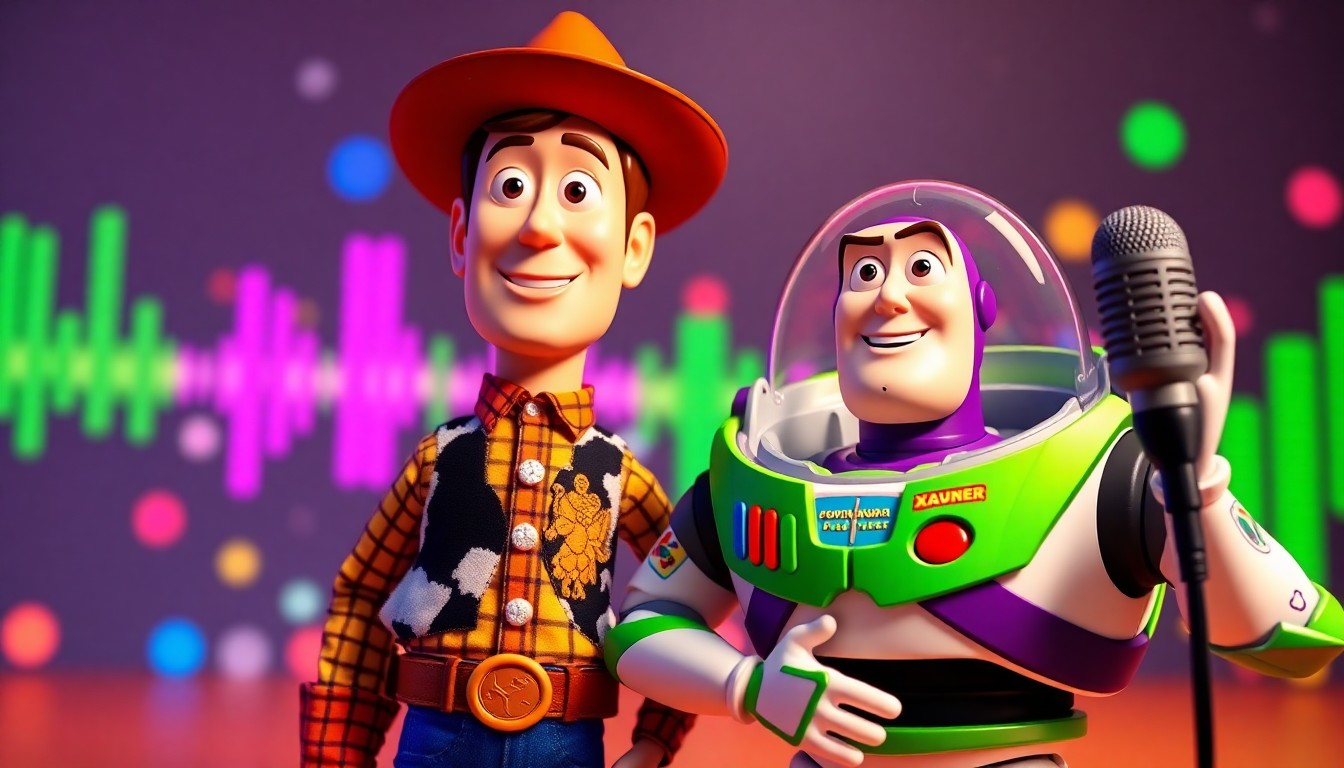
Creating content with Toy Story character voices opens doors that weren't possible just a few years ago. The distinctive drawl of Sheriff Woody. The confident declarations of Buzz Lightyear. The nervous energy of Rex. These voices defined childhoods and continue to resonate with audiences of all ages.
AI voice technology now lets creators generate these iconic characters for videos, podcasts, and creative projects. But the quality varies wildly between platforms. Some capture the essence of Andy's toys perfectly. Others produce robotic approximations that miss every nuance that made these characters beloved.
This guide covers everything you need to know about generating Toy Story voices with AI. You'll learn which platforms deliver the most authentic results, how to write scripts that sound natural for each character, and the creative techniques that separate amateur attempts from professional-quality content. We'll explore legal considerations, audio editing tips, and specific use cases where these voices shine brightest.
Why Toy Story voices work exceptionally well for AI generation
Certain voices translate better to AI than others. Toy Story characters happen to fall into a sweet spot that makes them particularly suited for text-to-speech technology.
Distinctive vocal patterns create consistency
Woody's voice carries a specific cadence. That folksy, reassuring cowboy tone with occasional moments of panic or frustration. The character's voice actor established patterns over four films that AI models can analyze and replicate. This consistency matters because AI learns from repetition. The more distinctive and consistent a voice pattern, the better the AI reproduction.
Buzz Lightyear operates similarly. His voice shifts between confident space ranger mode and moments of genuine vulnerability. These emotional registers are well-documented across hours of dialogue, giving AI plenty of training material to work with.
Compare this to a character with limited screen time or inconsistent vocal patterns. The AI struggles because it lacks sufficient data to understand the full range of expressions. Toy Story characters benefit from decades of content across films, shorts, and theme park attractions.
Emotional range translates across different content types
What makes these characters special isn't just their sound. It's their emotional depth. Woody can deliver a heartfelt speech about loyalty, crack a joke, or express genuine fear. This range means AI-generated voices can work across multiple content types.
Need an inspirational message? Woody's reassuring tone fits perfectly. Creating comedy content? Rex's nervous stammering provides excellent material. Producing something dramatic? Buzz's heroic declarations carry weight. The emotional versatility of these characters makes them useful for content creators across genres. Similar emotional range appears in other beloved characters like Squidward for dry humor or Patrick for lovable innocence.
TryAIVoices offers character voices that capture this emotional range, letting you adjust settings to match the tone your content requires. Whether you need cartoon character voices for comedy or movie character voices for dramatic content, the platform provides options that fit different creative needs.
Nostalgia drives audience engagement
Toy Story released in 1995. That means an entire generation grew up with these characters. When audiences hear Woody's voice, they don't just hear words. They experience memories of childhood, family movie nights, and the emotional journey of watching these toys grow alongside them.
This nostalgia creates instant connection. Content featuring these voices can tap into emotions that generic voices simply cannot access. A motivational message delivered in Woody's voice carries different weight than the same words from a standard text-to-speech engine. The familiarity breeds comfort and attention. See our guide to text-to-speech technology for more on how AI voice generation works at a fundamental level.
For content creators focused on engagement, this matters enormously. Recognition triggers the brain's reward centers. People are more likely to watch, share, and remember content featuring voices they already love.
Best AI platforms for generating Toy Story character voices
The market offers dozens of AI voice generators, but not all handle character voices equally. Some specialize in realistic human voices. Others focus on custom voice cloning. A smaller subset excels at recreating fictional character voices with the quality needed for professional content.
What separates quality character voice AI from mediocre options
Before evaluating specific platforms, understanding what makes character voice AI effective helps you choose wisely.
Vocal texture accuracy determines whether the voice sounds like the character or just vaguely similar. Woody's voice has a specific gravelly quality mixed with warmth. Buzz's voice carries precision and confidence. The best AI captures these textures rather than just approximating the general pitch and speed.
Emotional adaptability matters for creating varied content. A platform might nail Woody's standard speaking voice but fail when trying to convey excitement or sadness. The best tools let you adjust emotional parameters to match your script's requirements.
Script handling reveals how well the AI processes different text types. Some platforms struggle with dialogue that includes pauses, interruptions, or unusual phrasing. Others handle these naturally. Since Toy Story characters often speak in specific patterns, this capability becomes essential.
Output quality encompasses technical factors like audio clarity, lack of artifacts, and consistent volume levels. Even a voice that sounds perfect can be ruined by background noise, clicking sounds, or uneven audio levels.
Top platforms for Toy Story voice generation
TryAIVoices provides an extensive library of character voices including options relevant to Toy Story fans. The platform's strength lies in capturing the distinctive qualities of animated characters while providing controls for emotional expression and pacing. Generate voiceovers quickly with intuitive text input and preview options.
Browse the cartoon voice library to find characters similar to your favorites. The platform works well for YouTube content, TikTok videos, podcasts, and creative projects that need character voices without the complications of licensing.
For creators specifically focused on Disney character voices, the landscape includes several options with varying strengths. Some platforms excel at specific characters while struggling with others. Testing multiple options with your actual scripts provides the best indication of what works for your needs.
The voice library at TryAIVoices features 500+ voices spanning multiple categories. This variety helps when you need additional characters beyond the main Toy Story cast. Supporting characters, narrator voices, and complementary tones can enhance your content significantly.
Understanding platform limitations
No AI platform perfectly replicates any character voice. The technology continues improving, but current tools produce approximations rather than exact matches. This matters for setting realistic expectations.
The best platforms get close enough that audiences recognize the character and accept the voice for entertainment purposes. They fall short of fooling anyone into thinking they're hearing official recordings. This distinction guides how you should use these tools.
Content that acknowledges its AI-generated nature typically performs better than content trying to pass as official material. Audiences appreciate transparency and often find AI-generated character content charming precisely because they know it's fan-created. Our voice generation tips guide covers best practices for authentic AI voice content.
How to write scripts that sound authentic for each Toy Story character
The voice model handles pronunciation and tone. Your script determines whether the content actually sounds like something the character would say. This distinction separates amateur content from material that resonates with audiences.
Woody's voice patterns and speech habits
Sheriff Woody speaks like a leader who never asked for the job but takes it seriously. His dialogue balances authority with warmth, confidence with vulnerability.
Characteristic phrases to incorporate:
Woody frequently uses cowboy expressions naturally integrated into modern speech. "Partner," "howdy," and "reach for the sky" feel authentic without becoming parody. He also tends toward reassurance when addressing others, often checking in on how friends are feeling.
Sentence structure matters:
Woody speaks in complete thoughts but isn't overly formal. He'll use contractions freely. "You're gonna be fine" rather than "You are going to be fine." His sentences run medium length with occasional short punchy statements for emphasis.
Emotional triggers to capture:
Woody's voice shifts notably when he feels protective of his friends, when he's frustrated by obstacles, or when he's being self-deprecating about his own limitations. Scripts that hit these emotional beats sound more authentic than flat dialogue.
Example script that sounds like Woody:
"Listen, I know things look rough right now. But we've been through worse, haven't we? Remember when we thought we'd never make it back from Sid's place? We figured it out then. We'll figure this out too. That's what we do. We stick together, we look out for each other, and we don't give up. Ever."
This captures his reassuring leadership voice while acknowledging struggle. The sentences vary in length. The phrasing feels conversational rather than scripted.
Buzz Lightyear's confident commander voice
Buzz operates from a fundamentally different vocal place than Woody. His voice carries the confidence of someone who genuinely believes in his mission, even when that mission might be slightly misguided.
Characteristic phrases:
Buzz speaks with precision. His catchphrases like "To infinity and beyond" land because they're delivered with complete conviction. He uses space ranger terminology naturally and tends toward more formal sentence construction than Woody.
Sentence structure patterns:
Buzz often speaks in declarations rather than questions. "We will proceed with the mission" rather than "Should we try the mission?" His confidence manifests in how he frames statements as facts rather than possibilities.
Emotional range to capture:
The interesting thing about Buzz is the gap between his confident exterior and his moments of doubt. When writing for Buzz, include moments where his certainty wavers. These vulnerable moments made the character beloved in the films and make AI-generated content feel more authentic.
Example script that sounds like Buzz:
"This mission requires our complete focus. The odds are against us. The enemy is formidable. But I've calculated our trajectory, and I believe we can succeed. We have to succeed. There are people counting on us, and a space ranger never abandons those in need. Are you with me?"
Notice the formal construction, the military precision, but also the hint of uncertainty in "I believe" rather than "I know."
Rex's nervous energy and lovable anxiety
Rex provides comic relief through his constant worry, but he's also a character with genuine heart who comes through when it matters.
Characteristic phrases:
Rex frequently voices his fears aloud. "Oh no, this is bad" and similar anxious expressions punctuate his speech. He also tends to undersell himself while desperately wanting approval from others.
Sentence structure patterns:
Rex speaks in bursts. Short nervous phrases followed by longer rambling explanations. His sentences often trail off or get interrupted by new worries. The rhythm is staccato rather than smooth.
Emotional triggers:
Rex shines when his anxiety contrasts with moments of unexpected bravery. Scripts that set up his fear and then show him pushing through it capture what makes the character resonate.
Example script that sounds like Rex:
"Wait, we're doing what? Going in there? But it's dark. And scary. And there could be anything in there. What if there are spiders? I really don't like spiders. But okay. Okay. If everyone else is going, I'm going too. I can do this. I think. Maybe. Let's just go before I change my mind."
The broken rhythm, the self-doubt, and the ultimate decision to act despite fear all capture Rex's essence.
Jessie's enthusiastic cowgirl energy
Jessie operates as Woody's counterpart with completely different energy. Where Woody is measured and thoughtful, Jessie is explosive and spontaneous. Her voice carries the weight of abandonment trauma but channels it into fierce loyalty and unbridled enthusiasm.
Characteristic phrases:
Jessie uses exclamations freely. "Yee-haw" lands authentically because it connects to genuine excitement. She speaks in superlatives, describing things as the best, the worst, the most exciting. This intensity defines her vocal personality.
Sentence structure patterns:
Jessie's sentences burst with energy. They start strong and build stronger. She rarely trails off or speaks tentatively. Even when expressing doubt, her voice maintains forward momentum.
Example script that sounds like Jessie:
"Are you kidding me right now? This is happening. This is really happening! I've been waiting for this moment forever. Okay, maybe not forever, but it feels like forever. And now we're here. We made it. Nobody believed we could do this, but look at us now!"
The escalating energy, the repeated phrases, the mixture of self-doubt and triumph all capture Jessie's essence. Her voice works perfectly for hype content, motivational messages, and celebration moments.
Slinky Dog's loyal southern charm
Slinky represents steady friendship. His voice carries warmth without complexity. He says what he means, supports his friends unconditionally, and provides the grounding voice when others get carried away.
Characteristic phrases:
Slinky uses southern expressions naturally. "Golly" and similar exclamations fit his character. He tends toward supportive statements and rarely initiates conflict. His vocabulary stays simple and accessible.
Sentence structure patterns:
Slinky speaks in straightforward sentences. No elaborate constructions or clever wordplay. This simplicity makes his voice feel genuine rather than performed.
Example script that sounds like Slinky:
"Well, I'll tell you what, Woody. I've known you a long time now. And if you say we can do this, then I believe you. That's just how it is. I'm with you, partner. All the way to the end and back again."
The loyalty, the simplicity, and the southern cadence all feel authentic to Slinky's character.
Hamm's sardonic wit and practical worldview
Hamm provides the counterweight to optimism. His cynical observations ground the group when enthusiasm runs too high. But his sarcasm comes from care, not cruelty.
Characteristic phrases:
Hamm makes observations that undercut the drama. He references numbers, statistics, and practical concerns. His humor is dry, delivered without obvious setup or punchline structure.
Sentence structure patterns:
Hamm often speaks in questions that are really statements. "You think that's gonna work?" means "That won't work." His sentences carry implicit eye-rolls.
Example script that sounds like Hamm:
"So let me get this straight. We're going to do the thing that failed the last three times, but this time it'll work because we're thinking positive? Great plan. Love it. No notes. When do we start this guaranteed success?"
The sarcasm, the rhetorical questions, and the deadpan delivery all capture Hamm's voice. This character works well for commentary, reaction content, and anything requiring a skeptical perspective.
Mr. Potato Head's cranky exterior hiding genuine care
Mr. Potato Head complains constantly but shows up when it matters. His voice balances irritation with underlying loyalty. He'll criticize the plan while executing it perfectly.
Characteristic phrases:
Mr. Potato Head makes demands that sound like complaints. "Would it kill you to..." and "I can't believe I have to..." precede him doing exactly what's needed. His vocabulary includes mild insults delivered with affection.
Sentence structure patterns:
He speaks in short, punchy complaints followed by longer reluctant agreements. The rhythm alternates between grumbling and grudging acceptance.
Example script that sounds like Mr. Potato Head:
"This again? Really? Every single time with this. Fine. Fine! I'll do it. But I want it on record that I think this is ridiculous. Completely ridiculous. Now move over and let me handle this before you make things worse."
The complaint-then-action pattern defines Mr. Potato Head. His voice suits content about reluctant participation, doing the right thing despite personal annoyance, or comedic grumbling.
Other characters worth exploring
The Toy Story universe extends far beyond these main characters. Each additional voice offers distinct qualities for specific content needs.
Alien toys provide the iconic "The claaaaaaw" delivery and naive wonder. These voices work for content about devotion, gratitude, or comedic worship dynamics. Their unified chanting style creates memorable audio moments.
Lotso offers villain energy with a deceptively warm exterior. His voice starts friendly before revealing menace. Content exploring manipulation, false kindness, or character turns benefits from this vocal dynamic.
Forky represents existential crisis wrapped in innocent questioning. His voice suits philosophical content, questions about identity, or humor about being thrust into situations without preparation.
Bo Peep evolved across the franchise from damsel to action hero. Her voice now carries confidence and capability while maintaining warmth. Leadership content with feminine perspective fits her evolved character. Explore more character options in our celebrity voice library for voices with similar confident delivery.
Browse the cartoon voices collection for voices matching these varied styles. Different content needs call for different character voices, and building a repertoire expands your creative possibilities.
Creative use cases for Toy Story AI voices
Understanding the technical side of voice generation matters. But knowing how to apply these voices creatively separates forgettable content from material that captures audience attention.
YouTube content and video essays
Video creators use character voices to enhance commentary, create sketches, and produce content that stands apart from competitors using generic voices.
Commentary and analysis:
Imagine a video essay about childhood movies narrated partially by Woody. The nostalgic connection reinforces the content's themes while making the viewing experience more engaging. Mix character voices with your own narration for variety that keeps audiences watching.
Reaction and response content:
Character voices reacting to current events or other videos create a unique content format. Buzz Lightyear commenting on space news. Woody discussing Western film releases. The character's perspective adds entertainment value beyond the information itself.
Educational content for younger audiences:
Children respond enthusiastically to familiar character voices. Educational content about topics like friendship, problem-solving, or even academic subjects benefits from the engagement these voices generate. Check our education use case guide for more strategies.
Browse the YouTuber use cases section for specific techniques content creators use to integrate AI voices effectively.
TikTok and short-form video
Short-form platforms reward distinctive audio. Character voices cut through the noise of endless scrolling because they trigger immediate recognition.
Trending audio creation:
Original audio featuring character voices can become trending sounds others use. This creates passive exposure for your content as creators across the platform use your audio.
Storytelling in 60 seconds:
The constraints of short-form video actually suit character voices well. A quick bit with Woody giving advice or Buzz making declarations fits the format naturally. These voices compress emotional impact into brief moments.
Duet and response opportunities:
Content featuring character voices invites engagement. Other creators want to duet, respond, and interact with familiar voices. This engagement amplifies reach significantly.
The TikTok content guide covers platform-specific strategies for maximizing character voice content.
Podcasts and audio content
Pure audio formats let character voices shine without visual distractions. The voice becomes the entire experience.
Interview segments:
Fictional interviews with characters provide entertainment and allow exploration of ideas through a unique lens. What would Woody think about modern parenting? How would Buzz approach a business challenge? The format invites creative exploration.
Narrative podcasts:
Audio dramas and storytelling podcasts benefit from distinctive character voices. AI generation allows production of content that would otherwise require expensive voice actors.
Commentary and analysis:
Similar to video essays but optimized for audio consumption. Character voices breaking down topics create memorable content that stands apart in crowded podcast directories.
Explore podcast creation strategies for detailed guidance on audio content production.
Gaming content and streams
Gaming communities embrace character voices enthusiastically. The playful nature of gaming content aligns well with animated character personalities.
Stream alerts and notifications:
Custom alerts featuring character voices create memorable streaming experiences. Woody welcoming new subscribers. Buzz announcing donations. These personal touches help streamers build brand identity.
Let's play narration:
Adding character commentary to gameplay footage transforms standard content into something more engaging. Rex nervously reacting to horror game moments. Buzz confidently calling strategy in competitive games.
Gaming highlight videos:
Short clips featuring character voice reactions to impressive plays or funny moments perform well across platforms.
The gaming content guide provides additional strategies for integrating AI voices into gaming content.
Meme creation and viral content
Meme creation represents one of the most accessible entry points for character voice content. The short format, shareable nature, and humor potential make this category particularly suited to AI-generated voices.
Format opportunities:
Character voices responding to current events, commenting on relatable situations, or providing unexpected takes on popular topics all perform well in meme formats.
Shareability factors:
Content that captures a character's essence while applying it to unexpected situations tends to spread. The surprise of hearing Woody discuss modern technology or Buzz analyze social trends creates the cognitive contrast that drives sharing.
Step-by-step guide to generating your first Toy Story voice
Understanding the process before starting saves time and produces better results. This walkthrough covers everything from script preparation to final export.
Preparing your script before generation
The script matters more than any technical setting. A perfect AI voice reading a bad script produces bad content. A good script with decent AI produces engaging content.
Step one: Choose your character carefully
Match the character to your content purpose. Woody for leadership and reassurance. Buzz for confidence and adventure. Rex for relatable anxiety. Jessie for enthusiasm and energy. Hamm for skepticism and wit. Mr. Potato Head for reluctant cooperation.
The wrong character for your message creates cognitive dissonance that audiences notice even if they can't articulate why something feels off.
Step two: Write in the character's voice
Read through the character analysis sections above. Study the example scripts. Then write your content matching those patterns. This preparation work determines the quality of your final output more than any AI setting adjustment.
Step three: Keep scripts focused
Longer isn't better for AI voice generation. Scripts between 50 and 200 words tend to produce the most consistent results. Break longer content into sections and generate each separately.
Step four: Include natural pauses
Add ellipses or line breaks where you want the character to pause. AI interprets these cues and creates more natural-sounding delivery. A script without pauses sounds rushed and robotic regardless of character.
Navigating the generation interface
Once your script is ready, the generation process follows predictable steps across most platforms.
Enter your text in the input field. Most platforms provide a text box where you paste or type your script. Some allow direct editing; others require pasting from external documents.
Select your voice from the library. Navigate to character or cartoon voices and find the closest match to your desired Toy Story character. Not every platform labels voices identically, so listening to samples helps identify the right option.
Adjust emotional settings if available. Platforms like TryAIVoices offer emotional controls that shift the voice's delivery. A Woody script about encouragement might use warmer settings. A script about urgency might increase intensity.
Generate and preview. Hit the generate button and wait for processing. Preview the result before downloading. If something sounds off, adjust your script or settings and regenerate.
Download your audio file. Most platforms provide MP3 or WAV downloads. WAV files offer higher quality for editing but larger file sizes. MP3 works fine for most content purposes. Check our getting started guide for a complete walkthrough of the voice generation process.
Troubleshooting common generation issues
Even experienced creators encounter problems. Knowing solutions saves frustration.
Problem: Voice sounds robotic or unnatural
This usually indicates a script issue rather than platform failure. Review your text for unnatural phrasing, complex sentences, or unusual words. Simplify the script and regenerate.
Problem: Pronunciation errors on names or unusual words
AI struggles with unique names, technical terms, and invented words. Try phonetic spellings, break words into syllables with hyphens, or use simpler alternatives.
Problem: Emotional tone doesn't match the script
The voice might sound happy when delivering sad content or flat when you want excitement. Adjust emotional settings if available. If not, rewrite the script to be more explicit about the emotional context.
Problem: Inconsistent volume or quality
Some generations produce better results than others. Regenerate the same script multiple times and select the best take. This mimics how professional voice actors record multiple takes.
Problem: Audio artifacts or strange sounds
Background noise, clicking, or distortion occasionally appear in AI output. Light audio editing can remove most artifacts. If the problem persists across multiple generations, the issue might be platform-specific.
Audio editing tips for polishing AI-generated voices
Raw AI voice output rarely sounds perfect. Strategic editing elevates the quality significantly without requiring professional audio engineering skills.
Basic cleanup techniques
Noise reduction removes background artifacts that AI sometimes produces. Most audio editing software includes noise reduction tools that analyze a quiet section and remove similar frequencies throughout the clip.
Normalization ensures consistent volume levels. AI voices sometimes produce output at varying volumes. Normalizing brings everything to a consistent level that sounds professional.
Compression evens out dynamic range. This prevents quiet moments from being too soft or loud moments from overwhelming. Light compression helps AI voices sound more natural.
Advanced enhancement options
EQ adjustments can emphasize the frequencies that make a voice distinctive. Woody's voice has warmth in the lower-mid frequencies. Buzz carries more presence in the upper-mids. Subtle EQ adjustments reinforce character identity.
Adding room tone creates spatial context. AI voices often sound too clean, like they're recorded in a perfect vacuum. Adding subtle room ambiance makes the voice feel more natural and present.
Timing adjustments involve adding pauses, stretching certain words, or compressing others. These micro-adjustments help the voice feel more human and less robotic.
Matching voice to video
When pairing AI voices with video content, synchronization matters. Several techniques help:
Scene-appropriate delivery involves generating multiple takes and selecting the one that matches the visual emotion. A clip of intense action needs different energy than a quiet emotional moment.
Ambient sound matching ensures the voice feels like it belongs in the scene. If the video shows an outdoor setting, the voice should have subtle outdoor acoustics.
Pacing alignment requires cutting and adjusting audio timing to match visual beats. Speech should align with actions, expressions, and scene transitions. For cinematic content, consider our movie trailer voice guide covering dramatic audio production techniques.
Legal and ethical considerations for character voice content
Creating content with character voices involves navigating legal complexity. Understanding the landscape helps you make informed decisions about your content.
Copyright and trademark basics
Toy Story characters, names, and likenesses are protected intellectual property. This creates limitations on how AI-generated voices can be used commercially.
Parody and commentary receive stronger legal protection under fair use doctrine. Content that comments on, criticizes, or parodies the original works has more legal standing than content that simply uses character voices for unrelated purposes.
Transformative use strengthens legal protection. Content that adds new meaning, message, or expression to the original material receives more favorable fair use treatment than content that merely copies.
Commercial versus non-commercial matters significantly. Non-commercial fan content faces less legal scrutiny than content monetized through advertising, sponsorships, or direct sales. Political content like our Trump AI voice guide and Obama voice generator guide face similar fair use considerations.
Platform-specific policies
Different platforms have different policies regarding character content:
YouTube allows character voice content but may flag it for manual review. Monetization can be affected depending on copyright holder response.
TikTok generally allows character voice content but reserves the right to remove content receiving copyright complaints.
Podcasting platforms have varying policies. Research your chosen platform's specific terms regarding AI-generated character content.
Best practices for creators
Disclosure helps protect you legally and builds audience trust. Clearly indicating that content features AI-generated voices demonstrates good faith.
Avoiding confusion means not presenting AI-generated content as official material. Clearly distinguish fan-created content from official releases.
Respecting character integrity involves avoiding content that portrays characters in ways that could damage the intellectual property or harm audience perception.
Comparing Toy Story voices to other animation franchises
Context helps when evaluating character voice options. Understanding how Toy Story compares to other franchises illuminates what makes these voices special and when alternatives might serve you better.
Disney animation voices
Disney owns a vast library of character voices, including Toy Story through the Pixar acquisition. For Disney-specific content, explore the Disney AI voices guide covering the broader ecosystem.
Characters like Mickey Mouse offer different vocal qualities than the Toy Story cast. Mickey's higher pitch and distinctive speech patterns suit different content types than Woody's grounded cowboy voice.
Classic cartoon characters
Comparison with classic cartoons reveals interesting contrasts. Characters like SpongeBob bring manic energy suitable for high-energy comedy content. Read the full SpongeBob AI voice generator guide for detailed comparison.
Peter Griffin represents adult animation with crude humor and distinctive vocal patterns. The Peter Griffin voice guide explores how this voice differs from family-friendly options.
Sonic offers gaming-adjacent appeal with attitude and speed. The Sonic AI voice generator guide covers video game character voice applications.
Anime and international animation
Anime characters like Goku bring entirely different vocal traditions. The intensity and emotional expression patterns differ significantly from Western animation. For content targeting anime fans, explore the anime voice library. Consider trying Darth Vader for dramatic villain content or Morgan Freeman for authoritative narration.
When to choose Toy Story voices over alternatives
Toy Story voices excel for:
- Family-friendly content that appeals across age groups
- Nostalgic themes connecting with audiences who grew up in the 90s and 2000s
- Adventure and friendship narratives that align with the films' themes
- Motivational content where Woody's leadership voice fits naturally
They're less suited for:
- Edgy or adult humor where family-friendly characters feel mismatched
- Horror or thriller content where the warm associations work against the tone
- Content requiring very specific vocal qualities the characters don't possess
Advanced techniques for authentic character voice content
Moving beyond basic voice generation involves understanding the deeper aspects of character authenticity.
Capturing character evolution across films
Woody's voice in the original film differs from his voice in the fourth installment. The character matured. His confidence levels changed. His relationship with others evolved.
When writing scripts, consider which version of the character you're channeling. A more uncertain Woody from the first film creates different content than the mature, accepting Woody of the later films.
This evolution applies to other characters as well. Buzz's journey from space ranger delusion to self-aware toy creates different vocal opportunities depending on which stage you're referencing.
Dialogue between characters
Content featuring multiple Toy Story characters requires understanding their dynamic relationships.
Woody and Buzz have a competitive-yet-respectful relationship. Their dialogue should include subtle friction balanced with genuine care.
Woody and the group positions Woody as leader but not tyrant. He seeks input while ultimately making decisions.
Rex and others often involves Rex seeking reassurance and others providing varying degrees of patience.
These relationship dynamics inform how characters would actually speak to each other. Scripts that capture this feel more authentic than dialogue that treats characters as isolated voices.
Emotional moments that resonate
The Toy Story films earned their reputation through emotional depth. AI-generated content that reaches for similar emotional impact connects more strongly with audiences.
Vulnerability works: Woody admitting fear. Buzz questioning his purpose. Rex acknowledging his limitations. These moments humanize the characters despite their toy status.
Hope landing after struggle: Characters reaching hopeful conclusions after working through challenges mirrors the films' emotional arcs.
Specific beats over general statements: "I remember when Andy first picked me up" resonates more than "I care about Andy." Specific details create emotional connection.
Building a content strategy around character voices
Individual pieces of content matter less than consistent strategy. Building audience around character voice content requires planning.
Establishing your voice content niche
General character voice content competes with countless creators. Specific niches create differentiation.
Topic specialization: Toy Story voices discussing parenting, productivity, gaming, or other specific topics creates unique positioning.
Format consistency: Weekly Woody motivation, daily Buzz affirmations, or regular Rex anxiety talks build audience expectations.
Platform focus: Dominating one platform before expanding creates stronger initial presence than spreading thin across many platforms.
Content calendar planning
Character voice content benefits from planning around relevant moments.
Film anniversaries provide natural opportunities for nostalgic content that audiences seek.
Cultural moments where character perspectives feel relevant generate timely content with built-in interest.
Regular schedules build audience habits and platform algorithm favor.
Audience building tactics
Community engagement involves responding to comments in character voice or character perspective. This extends the experience beyond individual content pieces.
Collaboration opportunities with other character voice creators expand reach and provide content variety.
Cross-promotion between platforms leverages success in one place to build presence in others.
Monetization paths
Understanding potential revenue helps justify content investment.
Platform monetization through ad revenue requires meeting platform thresholds and navigating copyright considerations.
Merchandise opportunities exist for distinctive content formats or catchphrases that emerge from character voice content.
Consulting and production services become possible once you've demonstrated quality character voice content creation. Review our pricing options to understand the investment required for different production volumes.
Tools and resources for Toy Story voice content creation
Success with character voice content requires assembling the right toolkit.
Voice generation platforms
TryAIVoices provides the core voice generation capability with an extensive voice library spanning multiple categories. The platform's emotion control feature helps match voice output to script requirements.
For creators wanting to understand all available options, the best AI voice generators guide compares platforms across multiple criteria.
Audio editing software
Free options like Audacity provide basic editing capability sufficient for most creators starting out. Noise reduction, normalization, and basic effects handle common needs.
Professional options like Adobe Audition or Logic Pro offer advanced features for creators scaling their production quality.
Video editing integration
Most video editing software accepts audio imports easily. The workflow involves:
- Generate voice in TryAIVoices
- Download audio file
- Import to video editor
- Align with visual content
- Add any additional audio processing
Script writing resources
Character voice guides help understand speech patterns. This guide and others in the blog section provide detailed character analysis.
Dialogue writing resources improve overall script quality. Better scripts create better final content regardless of voice quality.
Feedback communities allow testing scripts before full production. Fan communities often provide valuable perspective on whether content captures character essence.
The cultural significance of Toy Story voices
Understanding why these voices resonate helps creators use them more effectively. The cultural context surrounding Toy Story gives these characters power beyond their technical vocal qualities.
A generation defined by these characters
Children who saw Toy Story in theaters in 1995 are now adults in their thirties and forties. They grew up with these characters. Woody, Buzz, and the gang weren't just entertainment. They were companions through childhood, teaching lessons about friendship, loyalty, and growing up.
This emotional investment creates powerful reactions when people hear these voices. The recognition triggers memories, feelings, and associations built over decades. Content creators tap into this existing emotional infrastructure when using Toy Story voices. You're not starting from zero with audience connection.
The evolution of emotional depth
Pixar pioneered the idea that animated films could make audiences cry, laugh, and think within the same story. Toy Story established this pattern, and subsequent films deepened it. The "When She Loved Me" sequence. The incinerator scene. Woody's goodbye to Andy.
These emotional moments trained audiences to take these characters seriously. Unlike some cartoons where characters exist primarily for laughs, Toy Story characters carry genuine emotional weight. This depth translates to AI-generated content. Audiences will accept emotional messages from these voices because they've experienced genuine emotion with these characters before.
Cross-generational appeal
The franchise spans nearly three decades of new content. Original fans now share these films with their own children. This creates multi-generational audiences who connect with these voices for different but complementary reasons.
Parents experience nostalgia while children experience discovery. Content using Toy Story voices can appeal to both simultaneously. A video featuring Woody giving advice might resonate with adults remembering their childhood while their kids enjoy the familiar character. Few voice options offer this kind of generational bridge.
Iconic voice performances as reference points
The original voice performances set high standards that influence how audiences evaluate AI versions. Tom Hanks brought genuine warmth and humanity to Woody. Tim Allen gave Buzz both confidence and vulnerability. These performances define the characters so thoroughly that any AI version gets compared against them.
This creates both opportunity and challenge. The opportunity is that audiences know exactly what these voices should sound like, making recognition immediate. The challenge is that any deviation from the expected performance becomes obvious. Understanding the original performances helps creators write scripts that align with what audiences expect. Similar high standards apply to political figure voices where audiences have clear reference points for authentic delivery.
Frequently asked questions
Can I use Toy Story AI voices for commercial content?
Commercial use involves legal complexity. Parody, commentary, and transformative content have stronger fair use protection than content using character voices for unrelated commercial purposes. Consulting with an entertainment lawyer provides the most accurate guidance for your specific situation. Many creators successfully monetize character voice content through platforms like YouTube while clearly labeling content as fan-created.
How accurate are AI-generated Toy Story voices?
Current AI technology creates approximations that audiences recognize as the intended characters. The voices aren't identical to official recordings but capture distinctive qualities well enough for entertainment purposes. Quality varies between platforms, so testing multiple options with your specific scripts helps identify which works best for your needs.
Which Toy Story character voice is easiest to generate convincingly?
Woody's voice tends to produce the most consistent results because his speech patterns are distinctive and well-documented across multiple films. Buzz Lightyear also generates reliably due to his clear vocal characteristics. Characters with less screen time or more unusual vocal qualities may produce less consistent results.
How do I make AI-generated voices sound more natural?
Several techniques improve naturalness. Write scripts that match character speech patterns rather than forcing uncharacteristic dialogue. Use audio editing to adjust timing and add subtle pauses. Apply light EQ and compression to polish the output. Generate multiple takes and select the best performances. Adding environmental audio context helps the voice feel more present and less isolated.
What equipment do I need to create Toy Story voice content?
Minimal equipment is required for basic content. A computer with internet access for voice generation, basic audio editing software for cleanup, and video editing software if creating visual content covers essential needs. Quality improves with better audio editing skills more than expensive equipment.
How long does it take to create character voice content?
Production time varies significantly based on complexity. A simple 30-second clip might take 15-30 minutes including script writing, voice generation, and basic editing. Longer form content like podcast episodes or video essays can require several hours. Experience accelerates production as you develop efficient workflows.
What types of content work best with Toy Story voices?
Family-friendly content naturally fits these characters since the franchise targets all ages. Motivational content works well with Woody's leadership voice. Educational content benefits from the engagement familiar characters generate. Comedy using Rex's anxiety or Hamm's sarcasm performs strongly. Adventure narratives align with the franchise's themes. Content targeting nostalgia for 90s and 2000s childhood connects powerfully.
Can I mix Toy Story voices with other character voices?
Mixing character voices from different franchises can work for certain content types. Crossover comedy, comparison content, and creative mashups benefit from combining recognizable voices. The key is ensuring the combination serves a clear purpose rather than feeling random. Audiences enjoy unexpected pairings when they create something new and entertaining.
How do I handle copyright claims on my content?
Prevention works better than reaction. Clearly label AI-generated content. Use voices for transformative purposes like commentary, parody, or original stories rather than recreating official content. If claims do occur, research your platform's dispute process. Document the transformative elements of your content. Many creators successfully navigate the copyright landscape by being thoughtful about how they use character voices.
Are some Toy Story voices better for certain platforms?
Platform audiences influence which voices perform best. YouTube's longer format suits Woody's thoughtful delivery and Rex's extended anxious rambling. TikTok's quick hits favor Jessie's explosive energy and Hamm's punchy one-liners. Podcasts work well with any voice that maintains interest over extended listening. Gaming streams benefit from reactive voices like Rex or enthusiastic ones like Jessie.
Related voices to try
- Mickey Mouse for classic Disney character content
- Sonic for gaming and adventure themes
- SpongeBob for high-energy animated comedy
- Goku for anime-style intensity
- Peter Griffin for adult animation comedy
Related guides
- Disney AI Voices Complete Guide
- Best AI Voice Generators for Characters and Celebrities
- SpongeBob AI Voice Generator Guide
Toy Story AI voices offer unique creative opportunities for content creators willing to invest in quality. The combination of distinctive character voices, nostalgic audience connection, and advancing AI technology creates possibilities that didn't exist just a few years ago.
Success comes from understanding each character's vocal patterns, writing scripts that feel authentic, and applying production techniques that polish raw AI output into professional-quality content. The technology handles the voice generation. Your creativity determines whether the content resonates.
Start creating with TryAIVoices today. Generate character voiceovers with our library of 500+ celebrity and cartoon voices, including options perfect for fans of classic animated films.