Analog Horror AI Voice: Create Authentic VHS Horror Narration
Analog horror demands a specific sonic signature. The distorted emergency broadcast. The glitchy VHS narrator. The uncanny text-to-speech that sounds slightly wrong. These aren't just aesthetic choices. They're the foundation of the genre's psychological impact.
The challenge sits in the details. Real analog horror voice work requires authentic period equipment limitations, deliberate signal degradation, and vocal characteristics that evoke specific eras of broadcast technology. Modern AI voice generation can replicate these textures, but only when you understand the underlying principles that made vintage horror audio so unsettling in the first place.
This guide covers analog horror voice creation from technical fundamentals through advanced production techniques. You'll learn how to select voices that match period authenticity, apply appropriate distortion and degradation, layer effects that replicate VHS and broadcast artifacts, and integrate these elements into cohesive horror narratives. We'll examine successful analog horror series, dissect their vocal approaches, and provide actionable techniques you can apply immediately.
Understanding analog horror vocal aesthetics
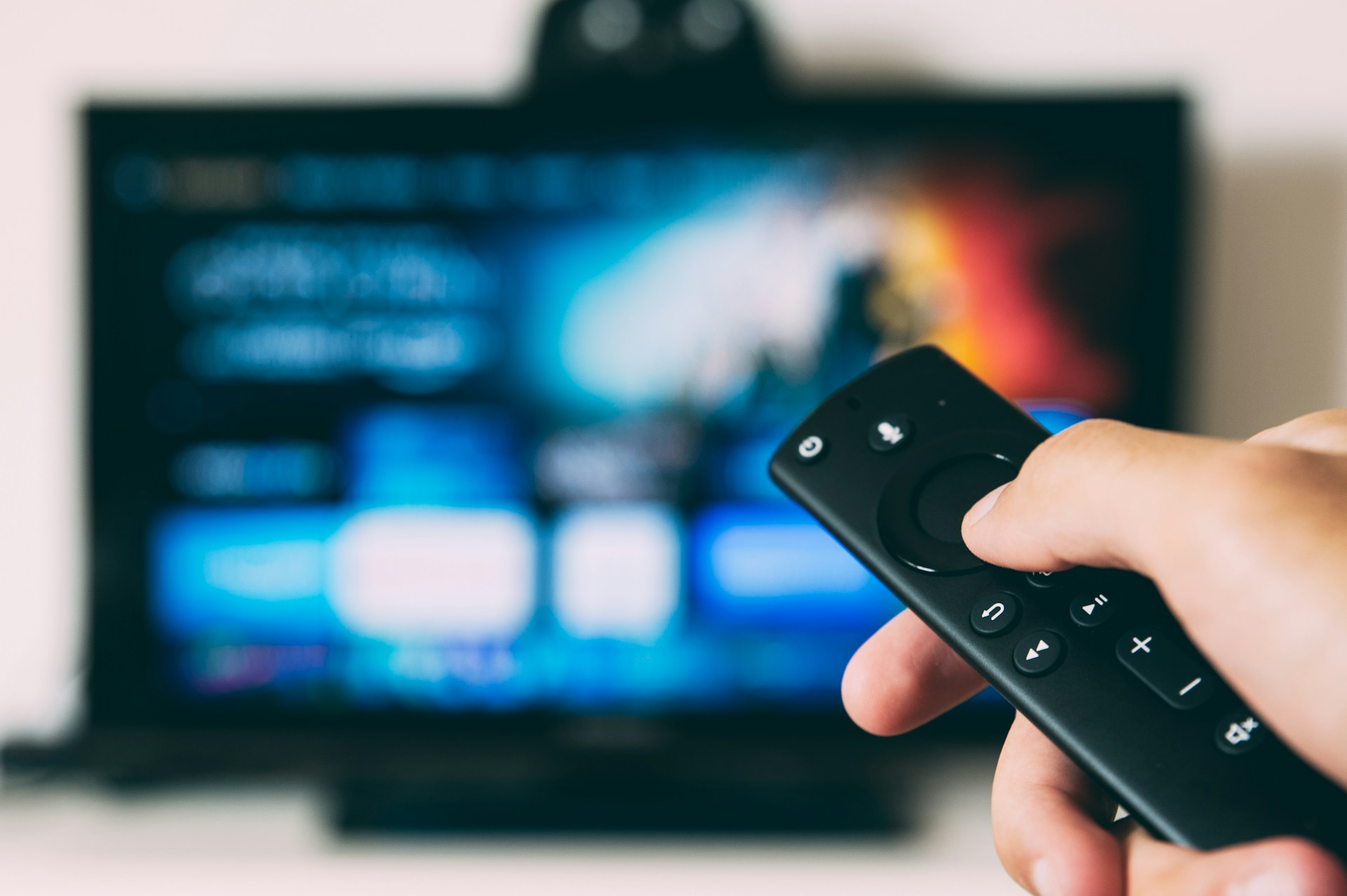 Photo by Ajeet Mestry on Unsplash
Analog horror emerged as a distinct genre through series like Local 58, The Mandela Catalogue, and Gemini Home Entertainment. Each series uses voice as a core element of psychological distortion, but the specific vocal characteristics differ based on the era and medium being emulated.
The genre's power comes from authenticity violations. Real emergency broadcasts follow predictable patterns. Legitimate educational content maintains consistent tone. Public access programming adheres to baseline production standards. Analog horror works when it starts within these expectations and then introduces subtle wrongness that triggers instinctive unease.
Voice selection matters more than processing. You can apply every VHS filter available, but if the underlying voice doesn't match period expectations, the effect fails. A modern podcast voice processed through analog filters still sounds like a modern voice with effects. An appropriate vintage-style voice with minimal processing often works better.
Period-appropriate vocal characteristics
Different decades of broadcast technology created distinct vocal signatures. Understanding these differences helps you match your voice choices to specific analog horror aesthetics.
1950s-60s broadcast voices featured formal presentation styles with theatrical training. Announcers used mid-Atlantic accents, precise diction, and measured cadence. Radio heritage influenced early television, creating voices that prioritized audio clarity over visual performance. These voices work for analog horror content emulating early educational films, civil defense announcements, and primitive television programming.
1970s-80s emergency broadcast voices used automated systems with synthetic or heavily processed qualities. The Emergency Alert System (EAS) predecessor CONELRAD and later Emergency Broadcast System (EBS) employed text-to-speech technology that sounded robotic and detached. This era also saw computer-generated voices in educational and institutional settings, creating the uncanny vocal textures that analog horror frequently exploits.
1980s-90s public access and cable voices ranged from amateur presenters to local celebrities with inconsistent production quality. Late-night programming, community television, and regional broadcasts featured voices that lacked professional polish. This inconsistency creates opportunities for analog horror, as audiences expect variation in presentation quality that can mask intentional disturbances.
Late 90s-early 2000s early digital voices represent the transitional period where analog and digital technologies overlapped. Consumer-grade video production, early internet content, and low-budget cable programming created a distinctive aesthetic that contemporary analog horror often targets. Voices from this era blend analog warmth with digital artifacts, creating a unique texture.
The uncanny valley of vintage voices
Analog horror effectiveness depends on the uncanny valley principle applied to audio. Voices that sound almost right but contain subtle wrongness trigger deeper psychological responses than obviously artificial voices.
Timing irregularities create unease more effectively than obvious distortion. Natural human speech contains micro-variations in pacing, breath patterns, and emphasis that AI sometimes smooths out. Paradoxically, you often need to reintroduce these irregularities when using AI voices for analog horror, creating synthetic imperfections that mimic organic delivery.
Tonal inconsistencies between words or phrases suggest something wrong with the speaker rather than the recording. When certain words carry different emotional weight than context suggests, or when vocal affect doesn't match content, audiences unconsciously register threat. This technique appears throughout successful analog horror series where narrators discuss disturbing content with inappropriate calm or cheerfulness.
Unnatural emphasis patterns violate linguistic expectations. English speakers stress certain syllables and words predictably based on meaning and sentence structure. Emphasis that contradicts these patterns sounds wrong even when listeners can't identify why. Emergency broadcast voices in analog horror often exploit this by stressing wrong words in warnings or instructions.
Technical characteristics of period audio
Beyond vocal performance, analog horror requires matching the technical limitations and artifacts of vintage recording and broadcast technology. These aren't just aesthetic overlays but functional components of period authenticity.
Frequency response limitations defined different broadcast eras. AM radio couldn't reproduce frequencies below 200Hz or above 5kHz. Early television audio had similar constraints. VHS cassettes introduced different limitations based on tape speed and quality. Modern audio captures the full frequency spectrum, so analog horror production requires surgical frequency removal rather than generic low-pass filtering.
Signal-to-noise ratios varied dramatically across analog technologies. Tape hiss, RF interference, and electronic noise colored all analog recordings to varying degrees. The specific noise characteristics differed between technologies. Cassette tape hiss sounds different from VHS tracking noise, which differs from broadcast static. Effective analog horror matches noise profiles to the purported medium.
Compression and limiting worked differently in analog systems. Magnetic tape saturation created soft limiting with harmonic distortion. Broadcast limiters prevented overmodulation with specific sonic characteristics. Digital clipping sounds harsh and unpleasant. Analog clipping added warmth and density. This distinction matters for maintaining period authenticity while pushing signals into distortion for horror effect.
Wow and flutter affected all tape-based media. Speed variations in playback mechanisms created pitch instability that listeners unconsciously associate with physical media. This artifact rarely appears in digital production, making it a powerful signifier of analog authenticity when applied tastefully.
Selecting voices for analog horror projects
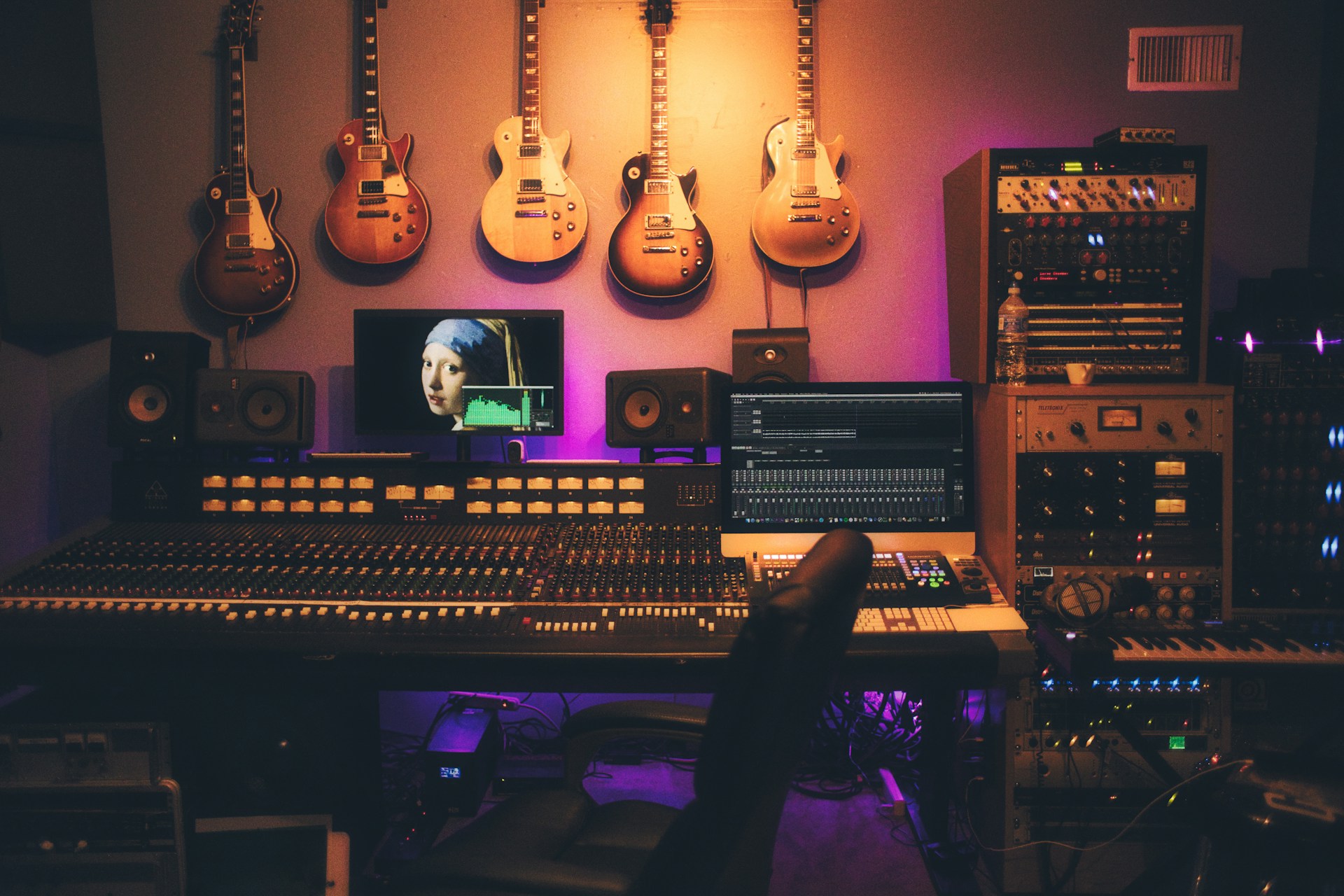 Photo by Jukka Aalho on Unsplash
Voice selection determines analog horror success before you apply a single effect. The wrong voice with perfect processing never achieves the impact of the right voice with minimal enhancement.
TryAIVoices provides access to voices spanning multiple eras and presentation styles. The platform includes narrator voices with formal delivery suitable for educational content, authoritative voices matching emergency broadcast aesthetics, and character voices that can be processed for disturbing effects. Understanding how to evaluate and select from available options saves hours of processing time trying to force incompatible voices into analog horror contexts.
Narrator and announcer voices
Analog horror narration typically falls into specific categories based on the content type being emulated. Educational narrators, news anchors, emergency broadcasters, and documentary presenters each have distinct vocal qualities that audiences associate with particular contexts and time periods.
Documentary-style narrators need measured pacing with slight theatrical quality. Mid-range pitch works better than extremely deep or high voices. The Morgan Freeman voice offers natural authority and gravitas suitable for educational content that takes dark turns. Processing this voice through analog filters creates the effect of institutional programming with disturbing undertones.
Emergency broadcast voices require detached, authoritative delivery without emotional inflection. The goal is bureaucratic neutrality that contrasts with the horror of the content. Many analog horror creators use presidential voices for this purpose. The Obama AI voice provides measured, clear delivery that processes well into emergency broadcast contexts. The Trump voice offers similar authority with different cadence that works for specific analog horror scenarios.
News anchor voices blend authority with accessibility. Unlike emergency broadcasts, news presentation includes conversational elements and measured emotional response. These voices work for analog horror content emulating late-night news segments or special reports. Browse professional narrator voices for options that balance credibility with approachability.
Educational film narrators from the mid-20th century had distinctive characteristics. Theatrical training, precise diction, and paternalistic tone defined this era. Modern voices can approximate these qualities through delivery choices and processing. Look for narrator voices with clear enunciation and ability to maintain consistent tone across long passages.
Character voices for analog horror
While narration establishes context, character voices create immediate horror impact. Analog horror frequently features disturbing character interactions, entity communications, or corrupted personality manifestations that require voices suggesting wrongness.
Children's voices in analog horror contexts create maximum unsettling effect. The contrast between innocent delivery and disturbing content triggers immediate discomfort. However, using actual child voices raises ethical concerns. Many creators prefer adult voices processed to sound younger, avoiding exploitation concerns while achieving similar effects.
Entity or creature voices require distinctive qualities that separate them from human characters. Cartoon character voices often work surprisingly well for this purpose. The Spongebob voice processed through heavy distortion creates uncanny creature vocals. The Peter Griffin voice pitched down and degraded produces disturbing entity communications.
Authority figure voices that gradually reveal wrongness create slow-burn horror. Starting with trustworthy delivery that introduces subtle disturbances over time mimics psychological horror pacing. Presidential and celebrity voices work well for this approach. The Biden voice can start authoritative and normal before introducing timing irregularities and tonal inconsistencies that suggest corruption or replacement.
Multiple personalities or shifted identities appear frequently in analog horror when characters transform or reveal hidden natures. Having distinct voices for different states enhances this effect. Consider pairing similar-sounding voices that audiences might not consciously identify as different but which create subtle unease. Browse the full voice library to find complementary voice pairs.
Text-to-speech and robotic voices
Vintage text-to-speech systems provide perfect analog horror material. The robotic delivery, limited prosody, and occasional pronunciation errors create inherent uncanniness that analog horror exploits.
Early TTS systems couldn't handle emotional inflection, creating monotone delivery regardless of content. This emotionless presentation of disturbing information mirrors the detachment horror films use for psychological effect. Modern TTS has improved dramatically, but you can approximate vintage TTS characteristics through specific voice choices and processing.
Flat delivery voices with minimal prosody variation approximate early TTS systems. Some AI voices naturally exhibit less dynamic range than others. Look for voices described as neutral, monotone, or professional when seeking TTS-style characteristics. These voices provide the foundation for synthetic narrator effects common in analog horror emergency broadcasts and institutional messages.
Pronunciation irregularities defined early TTS systems. Acronyms, proper nouns, and unusual words frequently received incorrect emphasis or phoneme selection. Modern AI typically handles these correctly, but you can introduce errors intentionally through creative spelling or phonetic markup when platforms support it. Occasional pronunciation glitches increase analog horror authenticity by suggesting automated systems or corrupted transmissions.
Digital artifacts in analog contexts create anachronistic horror. Using obviously digital TTS voices in contexts that should predate that technology signals timeline corruption or otherworldly influence. This technique appears in series like The Mandela Catalogue, where anachronistic technology suggests reality manipulation.
Processing techniques for analog horror authenticity
 Photo by Dmitry Demidov on Unsplash
Voice selection provides the foundation, but processing creates period authenticity and horror-specific effects. Understanding the technical characteristics of analog media allows you to recreate authentic degradation rather than applying generic "vintage" effects.
VHS and cassette tape emulation
Magnetic tape media dominated home video and audio from the 1970s through 1990s. Each tape format had specific technical characteristics that defined its sound. Accurate VHS emulation requires replicating multiple distinct artifacts rather than applying broad "tape" effects.
Tape hiss and noise formed the constant background of all analog tape playback. The specific noise characteristics varied with tape speed, quality, and player condition. VHS tapes typically operated at relatively slow speeds, creating visible noise floors around negative 40 to negative 50 dB. This noise wasn't white noise but had frequency-dependent characteristics with more energy in midrange and high frequencies.
Add tape noise using noise generators with high-pass filtering to remove sub-bass components that wouldn't exist in actual tape playback. Layer multiple noise types at low levels rather than one loud noise source. Combine tape hiss, subtle radio frequency interference, and mechanical rumble for complex noise profiles matching degraded tapes.
Frequency response degradation affected all tape-based media. VHS audio typically lost high-frequency content above 10kHz and low-frequency content below 100Hz. Worse quality tapes or multiple generation copies showed more severe frequency loss. Apply gentle high-pass filtering around 100-120Hz and low-pass filtering around 8-10kHz. Make these filters gradual slopes rather than brick-wall cuts for natural-sounding results.
Wow and flutter created pitch instability from mechanical playback variations. VHS players had better speed stability than cassette decks but still exhibited noticeable wow and flutter on degraded tapes or worn players. Use modulation effects with very low frequency oscillation around 0.5-2Hz at subtle amounts to create pitch waver. Don't overdo this effect as excessive pitch instability becomes distracting rather than atmospheric.
Tracking errors and dropouts appeared as horizontal noise bands in video and corresponding audio glitches. These manifested as brief mutes, static bursts, or volume drops. Simulate tracking errors by introducing random brief interruptions in the audio signal. Automate volume to create occasional dips or use gate effects with randomized parameters. Place these artifacts strategically rather than randomly for maximum impact during key dialogue or sound design moments.
Generation loss occurred when tapes were copied multiple times. Each generation lost additional high-frequency content, increased noise floor, and degraded overall fidelity. First-generation VHS dubs sounded relatively clean. Third or fourth generation copies showed severe degradation. If your analog horror narrative suggests a copy of a copy, apply correspondingly aggressive degradation with frequency loss, increased noise, and reduced dynamic range.
Broadcast and transmission effects
Emergency broadcasts, television transmissions, and radio broadcasts each had distinctive technical characteristics beyond standard tape artifacts. Replicating these qualities requires understanding broadcast technology limitations and transmission-specific degradation.
AM radio characteristics included severe frequency limitations and susceptibility to interference. AM broadcasts typically operated between 300Hz and 3-4kHz with significant compression and limiting. Nighttime AM signals could travel hundreds of miles but with fading and heterodyne interference creating whistles and warbles. Apply aggressive band-pass filtering, heavy compression, and subtle ring modulation or frequency shifting for heterodyne effects.
FM radio quality offered better frequency response but still limited compared to modern digital audio. FM broadcasts typically extended from 50Hz to 15kHz but compression and peak limiting colored the sound. FM signals failed differently than AM, cutting out entirely during weak signal conditions rather than fading gradually. Simulate FM characteristics with moderate frequency restriction, broadcast-style limiting, and occasional clean dropout moments.
Television audio in analog broadcast era arrived via separate audio carrier with quality between AM and FM radio. Early television used AM audio with limitations similar to AM radio. Later analog TV used FM audio subcarrier offering better quality but still constrained by broadcast technical standards. Match TV audio characteristics to the purported era. 1950s-60s content needs aggressive frequency limiting. 1980s-90s content allows wider frequency response but still compressed and limited by broadcast equipment.
Emergency Alert System characteristics defined the specific quality of emergency broadcasts. The EAS used digital encoding for signal but audio quality varied with local station implementation. Older Emergency Broadcast System (EBS) used analog encoding with distinctive tones. The attention signal (SAME header tones) came through clearly, but voice messages often had poor quality due to automated playback from weathered equipment. Apply heavy compression, frequency restriction, and subtle distortion suggesting multiple equipment stages between recording and transmission.
Interference and dropout patterns differed between broadcast types. Over-the-air television could experience ghosting artifacts creating slight delayed echoes in audio. Radio broadcasts might encounter interference from other stations, power lines, or atmospheric conditions. Weak signals created intermittent fading or static bursts. Layer these artifacts tastefully to suggest marginal signal conditions without making content incomprehensible.
Digital-analog transition artifacts
The period from late 1990s through early 2000s created unique hybrid artifacts as production shifted from analog to digital while distribution remained analog. This transition period provides rich creative material for analog horror targeting that specific era.
DV camera artifacts appeared when digital video cameras recorded to MiniDV tape. The video showed digital artifacts like macroblocking and pixelation while audio could have either analog tape characteristics or digital audio quality depending on recording mode. This hybrid quality creates distinctive aesthetics for analog horror emulating amateur documentation or early internet horror content.
MP3 compression artifacts became apparent in early internet audio. Low bitrate MP3 files exhibited pre-echo effects, frequency smearing, and warbling on complex signals. These artifacts sound distinctly different from analog tape degradation. Using both analog and digital artifacts together creates anachronistic horror suggesting corrupted media or impossible recordings.
CD skipping and digital errors created different effects than vinyl or tape degradation. CDs either played perfectly or failed catastrophically with stuttering, skipping, or complete dropout. Error concealment algorithms sometimes created bizarre interpolation artifacts. These digital failure modes work for analog horror content suggesting cursed media or reality glitches.
Vocal processing for horror-specific effects
 Photo by Ajeet Mestry on Unsplash
Beyond period authenticity, analog horror requires processing that enhances disturbing qualities. These techniques transform ordinary voices into unsettling horror elements while maintaining enough intelligibility to communicate narrative content.
Pitch shifting and formant manipulation
Pitch affects both recognizability and emotional impact. Shifting pitch changes voice characteristics but formant manipulation creates more disturbing results by breaking the natural relationship between pitch and vocal tract resonances.
Subtle pitch reduction makes voices sound more menacing without losing intelligibility. Drop pitch 2-4 semitones for authority and threat while maintaining natural quality. Larger pitch drops around 6-12 semitones create monster or entity voices but lose human characteristics. Find the balance between disturbing and comprehensible based on your narrative needs.
Formant shifting independent of pitch creates uncanny results by suggesting impossible vocal tract sizes. Normal pitch shifting maintains formant relationships, keeping voices recognizable as human. Formant shifting breaks these relationships. Try shifting pitch down while keeping formants unchanged, or shift formants down while maintaining pitch. Both create wrong-sounding voices that trigger instinctive unease.
Pitch instability suggests vocalization problems or reality distortion. Apply subtle random pitch modulation using LFOs around 3-8Hz at small amounts. This creates vibrato-like effects but irregular and disturbing rather than musical. Automate pitch drift for specific words or phrases to suggest the speaker losing control.
Harmonic distortion adds overtones that color voices toward aggressive or disturbing qualities. Tape saturation, tube saturation, and digital clipping create different harmonic profiles. Analog saturation adds warm even-order harmonics. Digital clipping creates harsh odd-order harmonics. Use both selectively. Warm saturation for overall tonal color, harsh clipping for momentary impact on specific words or syllables.
Temporal effects and glitching
Time-based manipulation creates some of the most effective horror effects by breaking the continuity of speech and suggesting corrupted playback or disturbed reality.
Stuttering and repetition mimics corrupted playback or entity communication failure. Automate brief repeated segments of syllables or words. Make these irregular rather than musical repetitions. Place them strategically during key phrases or disturbing content for maximum impact. Combine stuttering with volume or pitch modulation to suggest system failure or reality glitching.
Time stretching artifacts create elastic, disturbed vocal quality. Extreme time stretching produces obvious digital or analog artifacts depending on the algorithm used. Granular synthesis-based time stretching creates swirling, multiple-voice effects. Phase vocoder stretching creates metallic, robotic qualities. Experiment with different stretching algorithms for varied horror effects.
Reversed speech and backwards masking have horror tradition dating to the satanic panic era. Subtle backwards elements layered under forward speech create unsettling bed tracks without obvious reversed content. Try reversing reverb tails, inserting brief reversed syllables, or creating backwards whispers in the background.
Speed variations suggest playback problems or reality distortion. Sudden brief speed changes create stumbling effects. Gradual speed drift suggests failing equipment or timeline manipulation. Automate playback speed independent of pitch when possible to maintain voice character while suggesting temporal disturbances.
Dropouts and mutes create missing speech moments that audiences' minds try to fill. Brief mutes during specific words make disturbing content more horrifying through implication. Partial dropouts cutting only certain frequency ranges suggest transmission problems or reality filtering. Layer static or noise into dropout moments for corrupted broadcast effects.
Layering and doubling techniques
Multiple voice layers create complexity, supernatural effects, and disturbing timbral combinations that single voices can't achieve.
Pitch layer stacking combines the same voice at different pitches. Layer normal pitch with versions dropped 12 semitones and 19 semitones to create demonic or entity voices. Balance levels so lower pitches form foundation while original pitch maintains intelligibility. This technique appears throughout analog horror for demon or alternate entity communications.
Timing offset doubling creates chorus-like effects when subtle or disturbing doubled quality when extreme. Offset copies by 10-30 milliseconds for vintage ADT (artificial double tracking) effects. Push offsets to 50-100+ milliseconds for obviously doubled voices suggesting multiple entities or fragmented personality. Combine timing offsets with slight pitch variations for more complex textures.
Frequency-split layering processes different frequency ranges differently. Send low frequencies through heavy distortion while keeping highs clean, or vice versa. This creates impossible timbres where different parts of the voice exhibit different degradation patterns. Split voices around 500-800Hz for bass/treble separation. Process each band through different effect chains.
Whisper layers under normal speech add subliminal threat. Generate whispered delivery of the same script or different disturbing content. Layer at low volumes under primary narration. Audiences might not consciously hear the whispers but will register atmospheric unease. Filter whispers to occupy different frequency space than main voice to prevent frequency masking.
Environmental layers place voices in impossible acoustic spaces. Record or generate room tones and reverbs that don't match the purported recording context. A bedroom recording with cathedral reverb suggests supernatural space or reality distortion. Shifting reverb characteristics mid-sentence creates disturbing discontinuity.
Distortion and degradation
Aggressive distortion transforms voices from recognizable human speech into horrific textures while maintaining enough clarity for narrative function.
Bitcrushing recreates low-resolution digital audio. Reduce bit depth to 6-8 bits for harsh digital distortion while maintaining intelligibility. Lower bit depths around 4 bits create extreme distortion suitable for entity voices or corrupted transmissions. Combine bitcrushing with sample rate reduction for more extreme digital degradation.
Sample rate reduction creates aliasing artifacts and frequency folding. Reduce sample rate to 8-11kHz for telephone-quality audio. Drop to 4-6kHz for extreme low-fi effects with significant aliasing creating metallic, disturbing textures. These artifacts suggest low-quality digital sources or reality corruption.
Waveshaping applies non-linear distortion creating complex harmonic content. Unlike amplifier distortion that typically saturates smoothly, waveshaping can create harsh discontinuous distortion with extreme harmonics. Use waveshaping for robotic, digital entity voices or glitch effects during transitions between normal and disturbed states.
Radio interference effects add static, buzzing, and heterodyne whistles. Layer band-passed noise at specific frequencies to simulate interference. Amplitude modulate this noise for pulsing static effects. Add subtle sine wave tones shifting in frequency and amplitude for heterodyne whistles suggesting RF interference or otherworldly signals.
Clipping and limiting artifacts create distorted, degraded broadcast quality. Use hard limiting with low thresholds to squash dynamic range. Follow with subtle digital clipping for harshness. This combination recreates the heavily processed quality of degraded broadcasts or multiple-generation recording copies where automatic gain control crushed dynamics repeatedly.
Analog horror voice content strategies
Technical execution matters but content strategy determines whether your analog horror achieves impact. Successful series use specific narrative structures, pacing techniques, and voice deployment strategies that maximize psychological effectiveness.
Building narrative tension through vocal progression
Analog horror works best when vocal characteristics evolve throughout the content. Starting with completely disturbed voices removes tension buildup. Beginning normal and introducing subtle wrongness creates more effective horror.
Establishing normalcy in opening segments gives audiences baseline expectations. Use clean, period-appropriate voices with minimal processing for initial context. Educational content should sound authentically educational. News segments should match actual broadcast quality. Emergency alerts should follow standard formatting. This normalcy makes later disturbances more impactful through contrast.
Introducing subtle wrongness begins psychological discomfort. Small timing irregularities, slight tonal inconsistencies, or momentary processing glitches create unease without obvious horror elements. Audiences notice something feels wrong but can't identify specific causes. This ambiguity generates more effective tension than obvious horror signifiers.
Escalating disturbances accelerate as narrative intensity increases. Timing problems become more severe. Tonal inconsistencies grow more pronounced. Processing artifacts multiply. This progression mirrors horror film pacing where subtle dread builds to explicit horror. Each escalation step validates previous subtle wrongness, confirming audience suspicions that something is fundamentally wrong.
Climactic vocal transformation reveals full horror at narrative peaks. The institutional narrator breaks into screaming. The emergency broadcast voice reveals inhuman characteristics. The educational presenter admits disturbing truths with inappropriate affect. These transformations payoff the tension built through earlier subtlety.
Lingering wrongness continues after climactic moments, denying resolution. Even when overt horror subsides, subtle processing artifacts or timing irregularities persist. This prevents clean resolution, maintaining unease and suggesting the horror hasn't truly ended.
Script writing for analog horror narration
Scripts for analog horror require different approaches than standard horror writing. The constrained formats being emulated limit narrative techniques while opening unique opportunities.
Format constraints define what content can and can't do. Emergency broadcasts follow specific structures with tone alerts, message content, and ending tones. Educational films maintain instructional framing with measured pacing. News segments balance reporting format with narrative content. Working within these constraints creates authenticity that makes violations more effective.
Institutional language maintains format authenticity. Emergency broadcasts use specific terminology, legal disclaimers, and instructional phrasing. Educational content employs patronizing explanation and simplified language. News segments balance formal reporting language with conversational elements. Master these institutional voices for authentic-sounding base content.
Subtext and implication work better than explicit horror in analog horror narration. Rather than directly stating horror elements, use institutional language that implies disturbing content. Instructions that don't quite make sense. Safety warnings for impossible scenarios. Educational content about subjects that shouldn't exist. This approach leverages audience imagination to create horror more effective than explicit description.
Technical authenticity extends to script details. Use period-appropriate terminology, reference technology consistent with the purported era, and maintain temporal consistency. Anachronisms break immersion. A 1980s broadcast mentioning smartphones destroys authenticity unless the anachronism is intentional narrative element suggesting timeline corruption.
Pacing for horror impact requires understanding how vocal delivery affects script pacing. Monotone delivery compresses emotional pacing, making disturbing content hit harder through lack of vocal emphasis. Measured institutional pacing creates ominous inevitability. Rushed delivery suggests panic or emergency. Match script pacing to vocal delivery style for maximum effect.
Character voice deployment strategies
When analog horror includes character voices beyond institutional narration, deployment strategies determine emotional impact and narrative effectiveness.
Contrast with institutional voices creates dramatic tension. Cold, detached narration describing victims contrasts with desperate, emotional victim voices. This tonal disparity emphasizes horror while maintaining analog horror's characteristic emotional flatness in institutional contexts. Successful series often alternate between detached narration and visceral character moments.
Limited character voice exposure maintains mystery and threat. Overexposing character voices normalizes them, reducing horror impact. Brief character voice appearances create stronger impressions than extended interactions. Consider using character voices for specific high-impact moments while maintaining institutional narration for connective content.
Vocal transformation shows character corruption or replacement. Starting with normal character delivery and progressively introducing timing irregularities, tonal shifts, or processing artifacts suggests supernatural influence or entity replacement. This technique appears throughout analog horror when characters become compromised.
Multiple voice layers suggest possession, corruption, or entity influence. Layer clean character voice with processed versions, whispered layers, or pitch-shifted elements. This creates the impression of the character fighting against external influence or revealing hidden nature.
Absence and implication creates horror through what's missing. Scripts referencing character actions or statements without including the character's voice lets audiences imagine worst-case scenarios. Institutional narration describing character distress hits harder than hearing the character's actual distressed voice.
Platform-specific analog horror considerations
 Photo by Andreas Selter on Unsplash
Different distribution platforms affect analog horror voice production choices. Understanding platform constraints and audience expectations helps optimize content for maximum impact.
YouTube analog horror production
YouTube remains the primary analog horror platform, hosting series like Local 58, Gemini Home Entertainment, and The Mandela Catalogue. The platform's technical specifications and audience behaviors inform production decisions.
Audio quality standards on YouTube support high-fidelity audio but compression introduces artifacts. Upload audio at 192kbps or higher for best results. YouTube's compression can add subtle artifacts that either enhance or fight against intentional degradation. Test uploads in unlisted mode to verify degradation effects survive platform compression.
Mobile playback considerations affect mixing decisions. Many viewers watch on phones with small speakers or earbuds. Excessive bass content disappears on phone speakers while harsh high frequencies become fatiguing. Balance analog horror processing to work across playback systems. Test on phone speakers, computer speakers, and headphones during production.
Audience attention spans differ between video lengths. Shorter analog horror content around 3-8 minutes maintains tension throughout. Longer content requires pacing variation to sustain engagement. Use voice processing escalation to create pacing variation in longer pieces.
Thumbnail and title strategies affect reach, but voice quality determines retention. Compelling thumbnails drive clicks but authentic analog horror voice work keeps viewers engaged. Focus production effort on audio authenticity rather than just visual aesthetics.
Series structure considerations benefit from vocal consistency. When producing analog horror series, maintain vocal processing approaches across episodes while escalating narrative intensity. This creates recognizable series identity while allowing escalation.
TikTok and short-form analog horror
Short-form platforms like TikTok host analog horror content with different constraints and opportunities. These platforms favor immediate impact over slow-burn tension.
Compression and processing limitations affect audio quality more severely than YouTube. TikTok heavily compresses audio, potentially damaging subtle processing effects. Use more aggressive processing that survives compression. Test content by uploading and re-downloading to verify effects survive platform compression.
Immediate impact requirement demands quick horror payoff. The first 2-3 seconds determine whether viewers continue watching. Use processed character voices or entity communications immediately rather than building slowly. Save gradual escalation for longer-form content.
Looping considerations create opportunities on platforms where videos loop. End audio can transition back to beginning audio, creating endless playback that maintains tension. Consider designing voice processing that works seamlessly in loops.
Sound-on default means audio reaches viewers immediately on TikTok unlike YouTube where many watch silently. Optimize for audio-first impact rather than relying on visual elements.
Podcast and audio-only analog horror
Audio-only analog horror requires compensating for lack of visuals through enhanced voice work and sound design.
Higher audio quality standards matter for podcast distribution. Podcast audiences expect better audio quality than YouTube. While intentional degradation remains important stylistically, underlying production quality should exceed video platform standards. Master to higher peak levels around negative 16 LUFS for podcast distribution.
Extended length considerations allow deeper narrative development. Podcast episodes often run 20-60+ minutes compared to shorter video content. This length enables slow-burn horror pacing with gradual vocal processing escalation that wouldn't work in 5-minute videos.
Listener environment variability affects mixing decisions. Podcast listeners might be driving, working out, or doing household tasks rather than focusing exclusively on content. This suggests avoiding extremely subtle effects that require focused listening while maintaining disturbing qualities that work during distracted listening.
Voice clarity requirements exceed video content needs. Without visual context, voice carries entire narrative burden. Maintain intelligibility even through heavy processing. Balance horror effects against clarity more carefully than visual content where text overlays can supplement unclear audio.
Generate authentic analog horror voices with TryAIVoices
Creating effective analog horror voices requires combining appropriate voice selection with period-accurate processing and horror-specific techniques. TryAIVoices provides the foundation through diverse voice options spanning multiple eras and presentation styles.
The platform's voice library includes narrator voices suitable for educational content and emergency broadcasts, authoritative voices matching news and announcement contexts, and character voices that process effectively into entity and creature communications. Browse the voice library to find options matching your specific analog horror aesthetic.
Start with voices that match the period you're emulating. Process these voices through VHS tape emulation, broadcast effects, and horror-specific manipulation to achieve authentic analog horror audio. The techniques covered in this guide apply regardless of which platform you use for voice generation, but starting with high-quality, appropriate source voices dramatically improves final results.
Voice selection workflow for analog horror
Match voices to your specific analog horror context before processing. Different subgenres and formats require different vocal characteristics.
Emergency broadcast content needs authoritative, detached voices. Generate initial audio with presidential voices or professional narrator voices. Process through heavy compression, frequency limiting, and transmission artifacts. Add subtle timing irregularities and tonal inconsistencies as horror elements.
Educational film emulation requires measured, paternalistic delivery. Select narrator voices with clear enunciation and ability to maintain steady pacing. Process through VHS tape emulation with generation loss characteristics. Introduce wrongness through timing shifts or emphasis pattern violations.
Entity and creature communications work best with distinctive character voices processed aggressively. Start with cartoon voices or celebrity voices that have recognizable but transformable qualities. Apply extreme pitch shifting, formant manipulation, and layering to create inhuman vocals.
Corrupted or possessed character voices require human voices that can convey normal speech and disturbed states. Generate clean delivery first, then create processed versions with pitch layers, timing offsets, and distortion. Mix between states to show character transformation.
Institutional announcement voices match public access or cable broadcast aesthetics. Look for voices with slight amateur quality rather than overly polished professional voices. Process through broadcast limiting and moderate VHS effects for authentic community television atmosphere.
Processing workflow optimization
Effective analog horror audio requires organized processing workflows. Random effect application rarely achieves cohesive results. Structure your processing chain for consistent, authentic degradation.
Stage 1 processing applies period-appropriate technical characteristics. Start with frequency response matching the purported source medium. Add appropriate noise floor, compression characteristics, and limiting profiles. This stage creates technical authenticity before artistic effects.
Stage 2 processing introduces horror-specific manipulations. Apply pitch shifting, formant manipulation, timing effects, and layering at this stage. These effects should suggest wrongness while working within the technical framework established in stage 1.
Stage 3 processing adds final degradation and artifact generation. Apply generation loss effects, transmission artifacts, dropout simulation, and interference. These elements should enhance rather than fight against earlier processing stages.
Mixing and balancing combines processed voices with sound design, music, and other audio elements. Analog horror often features minimal music, letting voice and atmosphere dominate. Balance levels so voices remain intelligible through processing while maintaining disturbing qualities.
Format-specific output processing optimizes for target platform. YouTube content, TikTok videos, and podcast audio require different final processing. Adjust limiting, frequency balance, and overall loudness to match platform expectations and delivery specifications.
Script templates for analog horror voices
Effective analog horror scripts balance format authenticity with narrative horror. These templates provide starting structures for common analog horror formats.
Emergency broadcast template
[EAS tone - three bursts]

This is an emergency alert. [Station callsign]. [Date and time].

The [Authority organization] has issued a [Warning type] for the following [regions/areas].

[Specific instructions that gradually introduce wrongness]

[Safety information that implies impossible scenarios]

[Closing that violates standard emergency broadcast formats]

This concludes this emergency alert.

[EAS tone - single burst]

[Optional: Additional message revealing horror elements]
Narrative technique: Start with perfect format compliance. Introduce subtle wrongness in instruction phrasing. Escalate to overtly impossible content by closing segments. Process voice accordingly through the progression.
Educational film template
[Upbeat period-appropriate music]

[Title announcement]

Hello, children. Today we're going to learn about [Topic that seems normal initially].

[Measured explanation using institutional language]

Let's examine the [Subject] more closely.

[Gradual introduction of disturbing information presented in same institutional tone]

Remember, [Safety instructions that imply threat or wrongness]

[Closing that either maintains institutional tone discussing horror content, or breaks into disturbed delivery]

[Music fades with artifacts]
Narrative technique: Maintain educational tone throughout even as content becomes disturbing. The contrast between measured delivery and horror content creates primary effect.
News segment template
[News music sting]

Good evening. I'm [Anchor name] and here are tonight's top stories.

[Standard news intro establishing normalcy]

Our lead story tonight: [Developing situation that introduces horror elements gradually]

[Reporter voice or continued anchor narration]

[Eyewitness accounts or expert commentary revealing disturbing details]

[Anchor attempting to maintain professional delivery while content becomes impossible to rationalize]

[Sign off that may maintain or break format depending on horror escalation]
Narrative technique: News format provides trusted context that horror elements violate. Anchor voice trying to maintain professionalism while reporting impossible events creates effective tension.
Public access / community programming template
[Amateur-quality intro music or silence]

[Awkward or amateur greeting]

Welcome to [Program name]. I'm [Host name].

[Rambling introduction with slight technical or presentation issues]

Today we're talking about [Topic].

[Content that shifts from community interest to disturbing information]

[Host maintaining or losing composure as content becomes darker]

[Ambiguous or disturbing closing]

[Awkward pause before cut or audio artifact]
Narrative technique: Public access format sets low production quality expectations that can mask intentional wrongness. Amateur presentation style allows for timing irregularities and presentation oddities that blend with format expectations.
Advanced analog horror audio techniques
 Photo by
 Once you've mastered fundamental processing, advanced techniques create more sophisticated horror effects and unique sonic signatures.
Dynamic processing automation
Automated changes create evolving horror that maintains engagement through variation rather than static effects.
Gradual degradation automation programs processing parameters to worsen over time. Start with minimal effects and automate increasing degradation throughout content duration. Pitch instability increases, noise floor rises, frequency response narrows, and distortion intensifies as the piece progresses. This mirrors narrative escalation through audio processing escalation.
Rhythmic glitching applies timing-synced effects creating unsettling rhythm. Rather than random glitches, program effects to hit on rhythmic intervals that audiences can almost predict but which violate natural speech rhythm. This creates subconscious tension as listeners anticipate the next glitch.
Context-reactive processing changes effects based on content. Apply heavier distortion, more extreme pitch shifting, or increased glitching when specific keywords or content themes appear. This suggests the medium itself reacts to what's being said, implying supernatural or cursed properties.
Stereo field manipulation creates spatial horror effects. Most analog horror uses mono or simple stereo to match vintage media limitations. Selectively violating this constraint by moving voices through stereo field or creating impossible stereo width during specific moments suggests dimensional instability.
Spectral processing techniques
Working in the frequency domain enables subtle corruptions that create disturbing effects without obvious processing artifacts.
Spectral freezing captures and holds frequency content while time continues. This creates spectral smearing where certain sounds extend unnaturally. Apply spectral freezing to specific frequency ranges or syllables for corrupted speech that maintains partial intelligibility.
Frequency shifting moves all frequencies up or down by fixed amounts rather than proportional pitch shifting. This destroys harmonic relationships, creating metallic, inharmonic results. Small frequency shifts around 5-20Hz create subtle wrongness. Larger shifts around 50-200Hz create obviously processed, disturbing qualities.
Spectral delay applies different delay times to different frequency ranges. Bass frequencies might delay 100ms while highs delay 300ms, creating impossible acoustic spaces. This technique suggests supernatural reverberant characteristics or dimensional instability.
Resonator banks emphasize specific frequencies creating unnatural formants. Apply resonators at frequencies that don't match natural vocal tract resonances to create voices suggesting impossible vocal anatomy. Sweep resonator frequencies for dynamic wrong-formant effects.
Convolution and impulse response techniques
Convolution applies recorded impulse responses to audio, placing sounds in acoustic spaces or applying specific device characteristics.
Impossible space convolution uses impulse responses from physically impossible spaces. Create or find impulse responses from spaces too large, too small, too reverberant, or with impossible acoustic properties. Convolving voices with these responses creates unsettling spatial characteristics.
Device characteristic convolution applies vintage equipment colorations. Capture or download impulse responses from old televisions, radios, telephone systems, and broadcast equipment. Chain multiple device impulse responses to simulate signal passing through numerous systems, increasing degradation authentically.
Corrupted impulse responses break convolution processing for horror effects. Take standard impulse responses and corrupt them through extreme processing, reversing, or digital damage. Convolving with these damaged impulses creates artifacts suggesting corrupted playback or supernatural influence.
Platform comparison for analog horror voice generation
Different AI voice platforms offer varying capabilities relevant to analog horror production. Understanding these differences helps you choose tools matching your specific needs.
TryAIVoices specializes in celebrity and character voices with immediate generation. The platform provides over 500 voices spanning multiple categories relevant to analog horror including politicians, celebrities, cartoon characters, and movie characters. This variety enables voice selection matching specific analog horror contexts. The instant generation capability allows rapid iteration during creative development when you're testing different voices for specific characters or narrator roles.
Alternative platforms focus on different aspects. Some prioritize voice cloning, allowing you to create custom voices from reference audio. This capability works well for analog horror when you want very specific vocal characteristics not available in preset voice libraries. However, voice cloning typically requires more technical setup and generation time compared to instant generation platforms.
Voice quality considerations vary across platforms. Analog horror benefits from voices with slight imperfections or distinctive characteristics rather than perfectly polished commercial voices. Overly clean, perfect voices require more aggressive processing to achieve period authenticity and horror effects. Voices with natural character and slight roughness process more convincingly into analog horror contexts.
Processing flexibility matters more than voice quality alone. Some platforms provide built-in emotion controls and delivery adjustments that help achieve specific vocal characteristics. Others generate only neutral delivery requiring external processing for emotion and character. For analog horror, neutral delivery often works better as starting material since you'll heavily process voices anyway.
Legal and ethical considerations for analog horror
Analog horror frequently emulates real institutions, references actual events, and uses recognizable voice characteristics. Understanding legal boundaries prevents problems while allowing creative expression.
Fair use and parody protections
Analog horror often qualifies for fair use protection through parody, commentary, or transformative use. However, fair use determinations depend on specific circumstances rather than automatic categorization.
Transformative use requires changing the source material's purpose and character. Using AI-generated celebrity voices to create horror content differs significantly from the voices' typical commercial uses. This transformation supports fair use claims. However, using voices in ways that compete with or substitute for legitimate uses weakens fair use arguments.
Parody vs satire distinctions matter legally. Parody comments on or criticizes the source being parodied. Satire uses recognizable elements to comment on something else. Courts typically protect parody more strongly than satire. Analog horror content commenting on media itself, broadcast institutions, or specific cultural elements has stronger fair use standing than content simply using recognizable voices for unrelated horror narratives.
Commercial vs non-commercial use affects fair use analysis. Non-commercial educational or artistic content receives more protection than commercial entertainment. However, monetizing through ads or sponsors doesn't automatically destroy fair use claims. Consider fair use factors comprehensively rather than assuming monetization prevents protection.
Amount and substantiality of borrowed elements influences fair use. Using brief recognizable voice characteristics in heavily processed, transformed context differs from extended use of unmodified celebrity voices. Analog horror processing typically transforms voices substantially, supporting fair use claims.
Disclosure and audience expectations
Analog horror exists in tension between realism and disclosure. Audiences should understand content is fictional while production maintains immersive authenticity.
Content warnings protect both creators and audiences. While excessive warnings can reduce horror impact, basic disclosures prevent serious problems. Consider warnings for disturbing content, flashing lights, loud noises, and clarification that content is fiction rather than actual emergency information.
Platform-specific requirements vary. YouTube's policies require distinguishing synthetic media in certain contexts. TikTok has disclosure requirements for certain content types. Follow platform guidelines even when creative goals favor ambiguity.
Accessibility considerations matter for horror content. Provide captions for deaf audiences even when audio quality is degraded. Consider how visual and audio elements work together or independently to ensure diverse audiences can engage with content.
Ethical boundaries in horror content
Creating effective horror without causing genuine harm requires considering psychological impact and vulnerable audiences.
Reality confusion prevention matters especially for analog horror's realistic aesthetics. Young audiences or those unfamiliar with the genre might mistake analog horror for real emergency broadcasts or institutional content. Clear fiction indicators in descriptions, about pages, and content framing prevent this confusion.
Trauma consideration affects content choices. Some horror themes risk triggering genuine trauma responses in audience members with relevant experiences. Consider content warnings for themes involving child endangerment, specific violence types, or situations likely to trigger PTSD responses.
Vulnerable population protection requires care when creating content about or appealing to younger audiences. Children's voices in horror contexts, content accessible to young children, or themes exploiting childhood fears warrant additional ethical consideration beyond legal requirements.
Analog horror voice production checklist
Complete production requires attending to technical, creative, and distribution elements. This checklist ensures comprehensive coverage.
Pre-production planning
- [ ] Define specific analog horror subgenre and format (emergency broadcast, educational, documentary, etc.)
- [ ] Research period authenticity requirements for chosen format
- [ ] Identify vocal characteristics matching period and context
- [ ] Script content balancing format authenticity with horror elements
- [ ] Plan vocal processing escalation matching narrative arc
- [ ] Determine target platform and technical specifications
- [ ] Verify legal and ethical considerations for content approach
Voice generation and selection
- [ ] Generate or select voices matching period characteristics
- [ ] Test voice candidates with processing to verify compatibility
- [ ] Create multiple takes allowing selection and compositing
- [ ] Generate clean versions for reference and partial processing
- [ ] Document voice settings and parameters for series consistency
- [ ] Verify voice intelligibility through heavy processing
Processing and effects
- [ ] Apply stage 1 period-appropriate technical characteristics
- [ ] Add stage 2 horror-specific manipulations
- [ ] Implement stage 3 degradation and artifacts
- [ ] Automate parameters for evolving effects
- [ ] Layer multiple processed versions for complexity
- [ ] Balance processed voices with other audio elements
- [ ] Test across multiple playback systems (phones, computers, headphones)
- [ ] Verify effects survive platform compression
Integration and polish
- [ ] Mix voices with sound design and music elements
- [ ] Create appropriate stereo width for period authenticity
- [ ] Apply master processing for target platform
- [ ] Generate backup stems for future remixing
- [ ] Create accessible captions despite degraded audio
- [ ] Prepare disclosure and content warning text
- [ ] Test final output on target platform before public release
Distribution considerations
- [ ] Optimize video encoding settings maintaining audio quality
- [ ] Write descriptions with appropriate keywords and disclosures
- [ ] Create thumbnails and titles balancing appeal with accuracy
- [ ] Prepare content warnings and fiction disclaimers
- [ ] Set appropriate content rating and restrictions
- [ ] Monitor initial audience response for technical issues
- [ ] Document production approach for series consistency
Frequently asked questions
What makes analog horror voices different from regular horror voices?
Analog horror voices replicate specific technical limitations and characteristics of vintage media. Regular horror voices might be creepy or disturbing but don't necessarily evoke particular eras or media formats. Analog horror requires matching frequency limitations, noise characteristics, distortion profiles, and presentation styles of actual vintage recordings. The wrongness in analog horror comes from violations of these period-accurate expectations rather than generic scariness.
Can I use celebrity AI voices for analog horror content?
Transformative use of AI voices for horror content often qualifies for fair use protection, especially when heavily processed and used in contexts commenting on media itself. However, fair use isn't automatic and depends on specific circumstances. Using celebrity voices in horror contexts differs substantially from their typical commercial uses, supporting transformative fair use claims. Consider consulting legal resources for specific situations and maintain clear disclosure that content is fictional and not affiliated with referenced personalities.
What's the most important element for authentic analog horror audio?
Period-appropriate voice selection matters more than processing expertise. Starting with voices that naturally match the era and context you're emulating creates authentic foundations. No amount of processing fixes fundamentally inappropriate voices. Modern podcast voices never sound like 1980s emergency broadcasts regardless of effects applied. Conversely, period-appropriate voices with minimal processing often work better than wrong voices with extensive processing.
How do I balance horror effects with voice intelligibility?
Apply heavy processing but maintain clear frequency ranges. Most speech intelligibility comes from 1-4kHz frequency range. You can heavily process bass and high frequencies while keeping this range relatively clean for intelligible horror content. Layer heavily processed versions under cleaner versions to add disturbing character while maintaining comprehension. Monitor at low volumes to verify intelligibility since distortion becomes more apparent at lower listening levels.
What's the difference between VHS and broadcast audio characteristics?
VHS tape played back through consumer equipment had frequency limitations around 100Hz-10kHz with tape noise, wow and flutter, and generation loss from copying. Broadcast audio varied by era and technology but typically had better frequency response than VHS while having different noise and distortion characteristics from transmission and broadcast equipment limiting. Emergency broadcasts had heavy compression and limiting with degraded frequency response from automated playback systems. Match technical characteristics to your specific purported source rather than applying generic "analog" effects.
Should I use mono or stereo for analog horror?
Most authentic vintage content was mono or simple stereo. Use mono for pre-1970s content, simple stereo for 1970s-80s content, and more complex stereo for 1990s-2000s content. Breaking these conventions strategically creates horror effects by violating period expectations. Sudden stereo width expansion or impossible stereo positioning suggests supernatural elements or dimensional instability. Default to period-appropriate limitations and violate them intentionally for specific horror moments.
Related voices to try
- Morgan Freeman voice - Authoritative narration for documentary-style analog horror
- Obama AI voice - Presidential authority for emergency broadcast contexts
- Spongebob voice - Cartoon character processing for entity communications
Related guides
- Creepy AI voice generator guide - Horror voice techniques
- AI news reporter voice guide - Broadcast voice production
Analog horror voice production combines technical authenticity with creative horror manipulation. Success requires understanding vintage media characteristics, selecting appropriate voices, applying period-accurate processing, and deploying horror effects that enhance rather than overwhelm narrative content.
Start creating authentic analog horror audio with TryAIVoices today. Generate professional voices with our library of 500+ characters and celebrities ready for horror production.