Creepy AI Voice Generator: Create Horror & Scary Voices for Content
Horror content demands authentic atmosphere. The right voice can transform ordinary narration into spine-chilling experiences that keep viewers engaged through tension and unease. Creating creepy voices with AI technology involves understanding vocal characteristics that trigger psychological responses, selecting appropriate voice models, and applying production techniques that enhance unsettling qualities.
This guide covers everything content creators need to know about generating creepy AI voices. You'll learn which vocal traits create fear responses, how to select and customize voice generators for horror content, production techniques for maximizing eeriness, and legal considerations for commercial use. Whether you're producing horror stories for YouTube, creating atmospheric game narration, or developing content for Halloween projects, these techniques will help you craft genuinely unsettling audio.
TryAIVoices provides a comprehensive library of voice models suitable for horror content, from deep menacing tones to whispered threats. The platform's emotion controls allow precise adjustment of qualities like breathiness, pitch variation, and pacing that define creepy vocal delivery.
Understanding what makes voices sound creepy
Certain vocal characteristics trigger instinctive fear responses. Understanding these elements helps creators deliberately craft unsettling audio rather than relying on chance.
Acoustic properties that create unease
Unpredictable pitch variation: Voices that shift unexpectedly between registers create psychological tension. Normal speech follows predictable melodic patterns. When voices violate these expectations with sudden jumps or gradual creeping shifts, listeners experience subconscious discomfort. This unpredictability signals something wrong, triggering alertness.
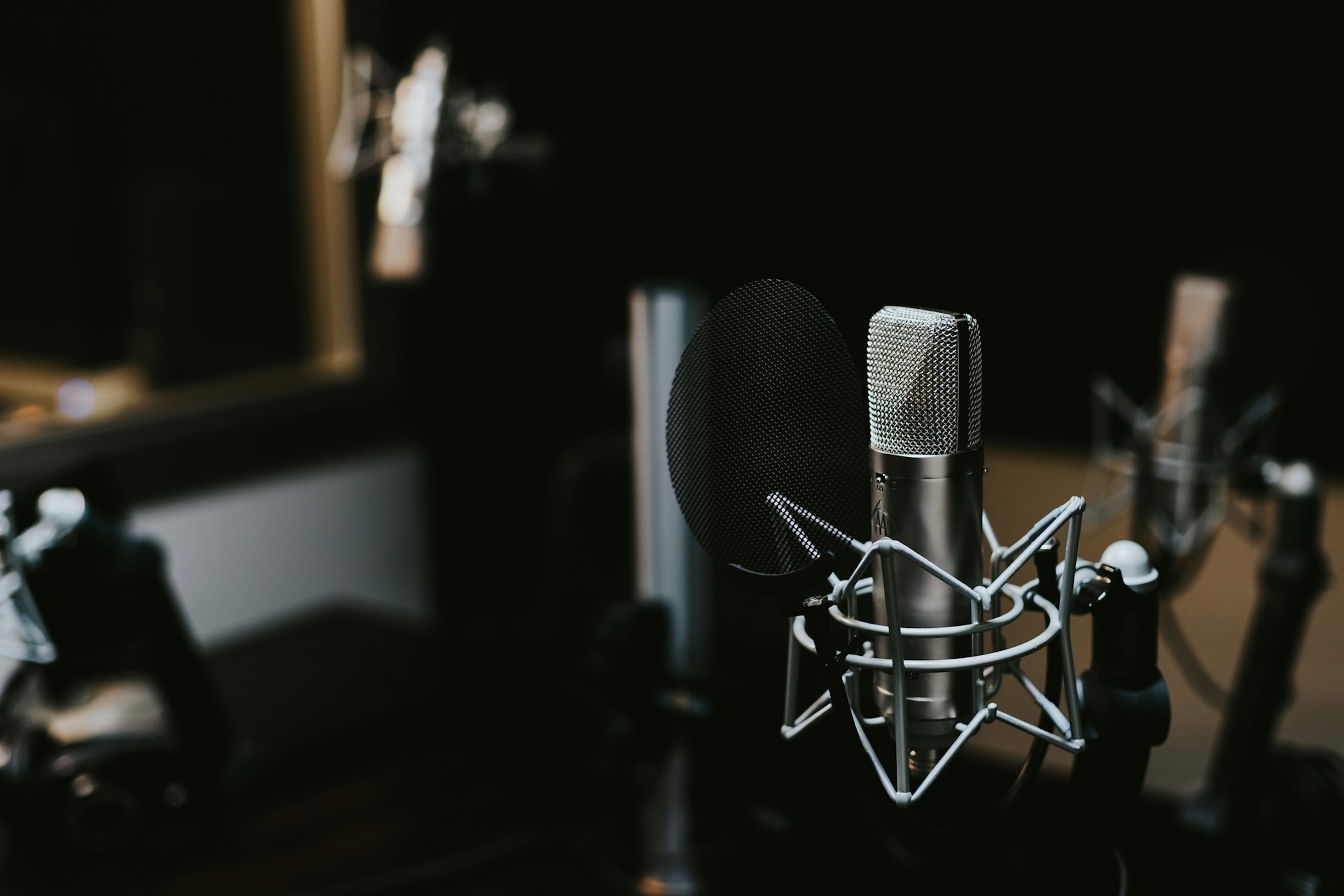 Photo by John Matychuk on Unsplash
Breathy whispers with sibilance: Heavy breathing mixed with pronounced S and SH sounds creates intimacy that feels threatening. Whispers force listeners to strain for clarity, increasing engagement while the breathy quality suggests close proximity. Combined, these create the sensation that danger lurks just out of view. The whispering voice techniques work particularly well for psychological horror.
Hollow resonance and reverb: Voices that sound like they originate from empty spaces evoke isolation and abandonment. This acoustic quality suggests speaking from beyond normal reality, whether from the grave, distant dimensions, or psychological disconnection. Natural reverb occurs in churches, caves, and abandoned buildings, all spaces humans associate with danger or death.
Irregular rhythm and pacing: Speech that speeds up and slows down unpredictably creates narrative tension. Rushed delivery suggests panic or mania. Long pauses build anticipation. When combined irregularly, the result feels chaotic and threatening. Audiences can't predict what comes next.
Vocal delivery techniques for horror
Monotone delivery with sudden emphasis: Flat affect interrupted by sharp emotional bursts creates jarring contrast. This pattern appears in real psychological disorders, triggering instinctive recognition that something is mentally wrong. The narrator voices in TryAIVoices work well for this approach when configured with minimal emotional variation.
Vocal fry and guttural elements: The crackling, popping quality of vocal fry adds texture that sounds damaged or inhuman. When pushed further into guttural territory, voices take on demonic or monstrous qualities. This works for explicitly supernatural content where the speaker isn't meant to sound human.
Childlike qualities in adult contexts: Child voices discussing adult themes or violence creates powerful cognitive dissonance. The innocence associated with youth clashes with dark content, producing profound unease. This appears throughout horror media from creepy children in films to unsettling lullabies. Several cartoon character voices can be repurposed for this effect.
Multiple voices or overlapping speech: Suggestions of multiple personalities or entities speaking through one source taps into primal fears about possession and loss of self. Overlapping the same voice slightly out of sync creates this impression without requiring multiple voice actors.
Selecting the right AI voice for horror content
Different horror subgenres require distinct vocal approaches. Matching voice selection to your specific content type produces more effective results than generic scary voices.
Voice types for psychological horror
Psychological horror emphasizes internal fear and mental deterioration. Voices should sound human but wrong in subtle ways.
Calm narrators with underlying tension: For unreliable narrator stories, choose voices that sound rational on the surface but allow slight instability to peek through. The Morgan Freeman voice type provides gravitas that makes disturbing content more unsettling through contrast. When authoritative voices describe horror matter-of-factly, the disconnect amplifies unease.
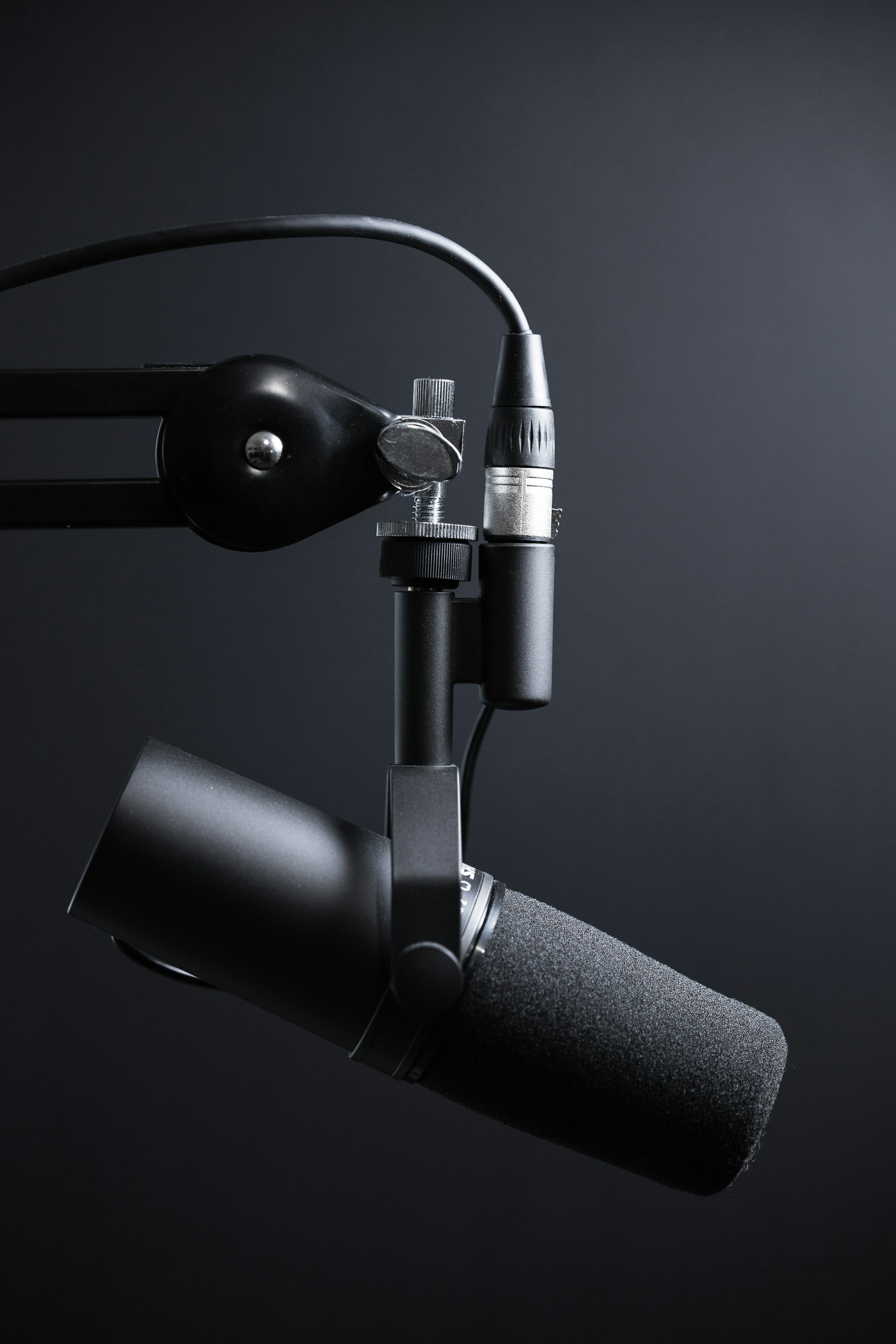 Photo by Will Francis on Unsplash
Intimate whispered delivery: First-person psychological horror benefits from close, whispered narration. This creates the impression of confession or secret sharing. Choose voices with good clarity at low volumes and natural breath sounds. Configure settings to emphasize proximity and breathiness.
Deteriorating vocal quality: Stories about mental decline can use voices that change throughout the narrative. Start with clear, stable delivery and gradually introduce instability through pitch variation, pausing, and vocal fry. This mirrors the protagonist's psychological state.
Voices for supernatural and gothic horror
Supernatural content allows more overt inhuman qualities. These voices should clearly signal otherworldliness.
Deep resonant tones: Classic demonic or malevolent entity voices use unnatural bass frequencies. The Darth Vader voice demonstrates how mechanical processing combined with deep pitch creates menacing presence. For pure demon voices, push pitch lower and add reverb suggesting cavernous spaces.
Ethereal and hollow qualities: Ghost voices should sound distant and incomplete. Configure voices with reduced midrange frequencies and added reverb. The goal is presence without substance. Viewers should feel they're hearing echoes of something no longer fully present in our reality.
Ancient and weathered delivery: Old evil requires voices that sound aged beyond normal human lifespan. Introduce raspiness and vocal strain suggesting vocal cords damaged by centuries. Slow pacing reinforces timelessness. These entities aren't rushed because they've existed forever.
Voices for body horror and creature features
Physical transformation horror needs voices that sound biologically wrong.
Distorted and glitchy: For infection or transformation narratives, introduce digital artifacts and pitch glitches suggesting the voice itself is corrupted. This works for AI-gone-wrong scenarios or contamination themes. Layer clean voice with heavily processed versions for unsettling doubled effect.
Animal and inhuman elements: Creature voices can incorporate non-human vocalizations. Mix human speech with growls, clicks, or insect sounds. The monster-type voices provide starting points that can be customized with additional audio layers.
Wet and organic sounds: Body horror emphasizes uncomfortable physicality. Add mouth sounds, wetness, and breathing that feels too present. Most AI voices clean these elements out by default, so you'll need to layer them back in during post-production.
Production techniques for maximizing creepiness
Raw AI voice output provides a foundation, but post-production dramatically enhances horror effectiveness.
Audio processing for enhanced atmosphere
Layering and doubling: Duplicate the voice track and offset by 20-50 milliseconds. Pan one slightly left and one right. This subtle chorus effect creates unnatural thickness that registers as wrong without being obviously processed. For more extreme effects, use longer offsets and pitch one layer down slightly.
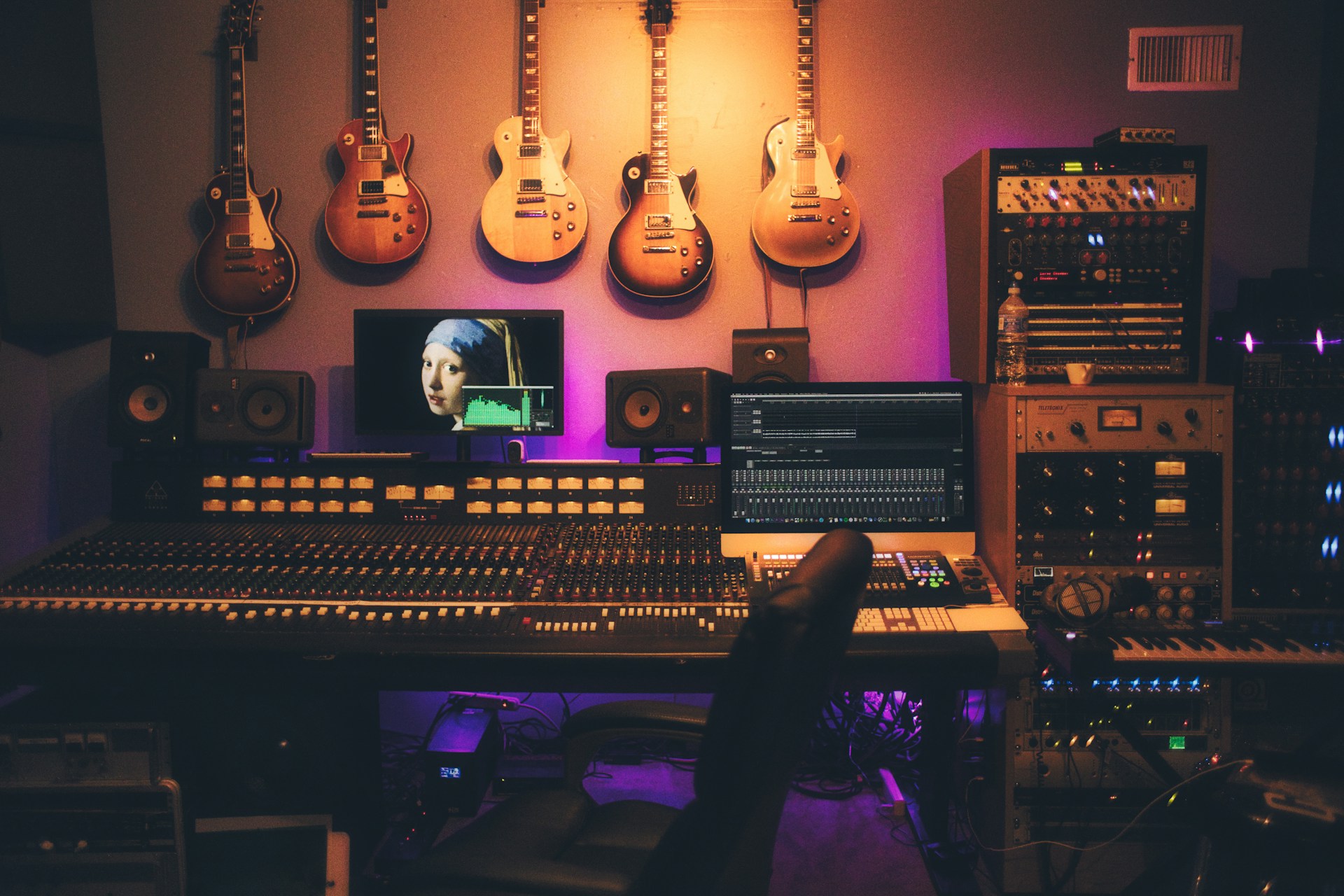 Photo by Caught In Joy on Unsplash
Reverse audio techniques: Record the AI voice speaking your script, then reverse the audio and record it again playing through the reversed version. When you reverse this second recording, you get normal-forward speech with reversed reverb and breath patterns. The result sounds superficially normal but triggers subconscious recognition that something is backward.
Strategic silence and sound design: The spaces between words matter as much as the words themselves. Extend pauses before key revelations. Layer ambient sounds that make silence feel populated rather than empty. Distant screams, whispers just below comprehensibility, or mechanical hums suggest presence beyond the primary voice.
Pitch shifting and formant control: Lower pitch 5-15% for menace without losing clarity. Adjust formants independently to create impossible vocal characteristics. Human voices have linked pitch-formant relationships. Breaking this relationship produces inhuman quality while maintaining speech intelligibility. Many audio editors provide separate formant controls specifically for gender-shifting, but they work equally well for horror applications.
Emotional and pacing adjustments
Inappropriate emotional delivery: Configure AI voices to deliver disturbing content with wrong emotions. Cheerful voices describing violence. Sad voices during celebrations. This emotional mismatch forces audiences to reconcile conflicting inputs, creating lasting unease. The cartoon voices work particularly well for this because their typical cheerful delivery contrasts sharply with dark scripts.
Building intensity through repetition: Repeat key phrases with incremental intensity changes. Start whispered, repeat slightly louder, build to shouted. Or reverse the pattern, de-escalating into whispered obsession. This technique appears throughout horror films during possession or madness sequences.
Controlled vocal degradation: Begin scenes with clear voice and progressively add distortion, glitches, or static. This audio decay mirrors narrative corruption or entity manifestation. Start with 0% distortion and automate to 100% over 30-60 seconds while the voice continues speaking.
Script writing for maximum impact
Unsettling word choice and phrasing: Certain words and phrases carry inherent creepiness. "Watching," "waiting," "underneath," "inside," and "behind" create spatial anxiety. Using overly formal language in casual contexts or vice versa creates tonal disconnect. Second-person address forces audience identification with the victim.
Strategic information reveals: Control what the voice reveals and when. Imply more than you state. Let audiences fill gaps with their own fears. Horror narration that explains too much loses power. The voice should raise more questions than it answers.
Realistic vs. stylized delivery: Psychological horror benefits from naturalistic speech patterns including filler words, false starts, and incomplete sentences. Supernatural horror often works better with deliberate, rehearsed delivery suggesting the speaker follows scripted behavior rather than spontaneous thought.
Voice options across different AI platforms
Multiple platforms offer voice generation suitable for horror content. Understanding their strengths helps creators choose the right tool for specific projects.
TryAIVoices for character-based horror
TryAIVoices excels at horror content using recognizable character voices in unexpected contexts. The platform's library includes over 500 celebrity and character voice models, many of which adapt effectively to creepy applications.
Character voices for horror contexts: Taking familiar voices and placing them in disturbing scenarios creates powerful cognitive dissonance. The Spongebob voice reading horror narration produces uniquely unsettling results precisely because the voice is so strongly associated with children's entertainment. This subversion of expectations amplifies horror impact.
Politicians and public figures: Political voices reading horror scripts tap into existing cultural anxieties. The Trump voice or Obama voice describing apocalyptic scenarios or reading creepypasta hits differently than generic narrator voices. These recognizable voices ground fiction in reality, making it feel more immediate.
Customization for horror delivery: The platform's emotion controls allow adjustment of pacing, pitch variation, and intensity. Configure voices for flat affect, whispered delivery, or gradually building mania. The voice generation guide explains how to optimize settings for specific emotional effects.
Quick generation and iteration: Instant voice generation enables rapid experimentation with different delivery approaches. Record multiple takes with varied emotional configurations and choose the most effective version. This iteration speed isn't possible with human voice actors.
Generic text-to-speech platforms
Standard TTS services provide neutral voices suitable for clinical or documentary-style horror narration. These work well for SCP Foundation-style content, scientific report formats describing anomalies, or found footage scenarios requiring realistic bureaucratic voices.
These platforms typically offer better fine control over technical parameters like exact pitch values, speaking rate adjustments, and pronunciation customization. This precision matters when you need voices to pronounce invented terminology consistently or maintain specific technical qualities throughout long-form content.
Voice cloning for custom horror characters
Voice cloning technology allows creation of completely original horror voices. Record source audio with desired creepy qualities, then clone it for script reading. This works particularly well for ongoing horror series requiring consistent custom character voices.
The process requires clean source audio of the target voice speaking naturally. For horror applications, include examples of the emotional range needed - whispers, shouts, laughter, and normal speech. More varied training data produces more flexible cloned voices.
Use cases for creepy AI voices
Horror voices serve content creators across multiple platforms and formats.
YouTube horror narration
Horror narration channels have built massive audiences around creepypasta readings, SCP content, and original horror stories. Voice quality directly impacts viewer retention and channel growth.
Creepypasta channels: These channels read internet horror stories, often featuring multiple narrators or distinct character voices. AI voices enable solo creators to produce multi-character content. The narrator voices provide professional-quality base delivery that can be customized per character.
SCP Foundation content: This collaborative fiction project features clinical documentation of supernatural entities. Content requires detached, bureaucratic narration contrasted with disturbing subject matter. Configure voices for minimal emotion with occasional controlled breaks suggesting narrator fear bleeding through professional facade.
True crime with speculative elements: Some channels blend factual true crime with speculative horror elements. These need authoritative news-style delivery that can shift into more atmospheric narration during reconstructive or theoretical segments.
NoSleep readings: The NoSleep community produces first-person horror narratives requiring intimate, confessional delivery. Configure voices for close proximity and emotional vulnerability. The contrast between ordinary first-person narration and gradually revealed horror creates effective tension.
TikTok and short-form horror
Horror content performs exceptionally well on TikTok where quick scares and atmospheric snippets drive massive engagement. Short-form content requires immediate impact.
Quick creepypasta: 60-second horror stories need voices that establish atmosphere instantly. Open with whispered hooks and build to sudden loud climaxes for jump-scare effect. The TikTok voice strategies guide covers platform-specific optimization.
Horror comedy: Creepy voices delivering absurdist or comedic scripts create popular horror-comedy hybrids. The Peter Griffin voice or other comedy character voices reading horror content exemplifies this approach. These videos work because the voice choice undercuts horror seriousness while maintaining the scary script.
ARG and mystery series: Alternate reality games and mystery series use creepy voices for cryptic clues and atmospheric storytelling. These ongoing narratives build audiences through serialization. Consistent voice character across episodes reinforces branding.
Podcast and audio drama production
Long-form audio content allows more sophisticated horror development than short videos. Voice selection affects entire project viability.
Horror anthology podcasts: These need multiple distinct voices for different stories and characters. AI voices solve the casting challenge for independent producers. Create a voice library with 5-10 configured horror voices covering different types: whispery, deep menacing, unsettlingly cheerful, clinical detached, and gradually degrading.
Full-cast audio dramas: Ambitious horror audio dramas require extensive voice casts. AI voices can fill supporting roles while human actors voice leads, reducing production costs while maintaining quality. The podcast voice applications resource covers mixing AI and human performances.
Immersive horror experiences: Binaural horror experiences place listeners inside scenarios through spatial audio and intimate voice delivery. Configure voices for extreme proximity and layer with 3D positioned sound effects. These immersive experiences require higher audio quality than video content because voice carries the entire experience.
Gaming and interactive horror
Horror games need voice content for NPCs, narration, and atmospheric elements. AI voices enable indie developers to include professional voice work without voice acting budgets.
NPC dialogue and encounters: Horror game NPCs need distinctive voices that signal danger levels and character types. Generate multiple variations for enemy creature voices, victim NPCs, and cryptic guide characters. The gaming voices library includes character types suitable for horror games.
Environmental storytelling: Audio logs, radio transmissions, and overhead announcements populate horror game environments. These require varied voices suggesting different people and time periods. Configure subtle distortion and degradation suggesting age or damage for found recordings.
Dynamic narrator commentary: Some horror games feature narrators that comment on player actions. These voices need sufficient variation to avoid repetition across long play sessions while maintaining consistent character. Generate multiple takes of commonly repeated lines for automatic variation.
Halloween and seasonal content
Seasonal horror content drives predictable traffic spikes requiring efficient production.
Halloween greetings and messages: Businesses and content creators need holiday-appropriate messaging. Creepy voices reading Halloween promotions or event information serve commercial purposes. Keep these playful rather than genuinely frightening for broad audience appeal.
Haunted house audio elements: Haunted attractions require extensive voice content for animatronics, overhead announcements, and scene-setting. AI generation makes updating content annually feasible where rehiring voice actors isn't. The Santa voice demonstrates how holiday-specific voices work. Similar approaches apply to Halloween-specific characters.
Party and event content: Halloween parties use creepy voice content for atmosphere. Generate custom greetings, toasts, or game instructions in horror voices. This personalization elevates events beyond generic Halloween playlists.
Script writing for creepy AI voices
Voice quality matters less than script quality for horror effectiveness. Well-written scripts delivered by average voices outperform poorly written scripts with perfect voices.
Psychological horror scripts
Building dread through implication: Don't describe gore or violence directly. Describe reactions, sounds just out of frame, and evidence of violence rather than the act itself. "The knife went in" hits less hard than "I can't stop hearing that sound it made."
Using second-person perspective: Address the audience directly. "You hear footsteps behind you" forces identification with the victim. "You tell yourself it's nothing" acknowledges and dismisses rational responses, making irrationality feel inevitable.
Unreliable narrator techniques: Include subtle contradictions in narration. Mention details that don't quite align with earlier statements. Let audiences notice discrepancies without explicitly acknowledging them. This creates slow-building doubt about reality and narrator credibility.
Mundane details building to horror: Open with utterly ordinary description. "Tuesday started like any Tuesday." Build through increasing specific detail about normal activities. Then introduce the first wrong element subtly. The contrast between exhaustive normality and emerging wrongness amplifies horror impact. Audiences trained to expect normal details suddenly encounter something that doesn't fit.
Creature and monster dialogue
Non-human speech patterns: Monsters attempting human speech should make characteristic errors. Odd word emphasis, missing articles, unusual grammar structure, or vocabulary that sounds learned rather than native. These patterns suggest intelligence using language not designed for it.
Threats that reveal psychology: What threatens someone reveals their worldview. A creature that threatens "I'll unmake you" or "You'll scream until your throat remembers" uses language revealing alien psychology. These threats work better than generic "I'll kill you" because they suggest truly different thinking.
Manipulation and false comfort: The most effective monster dialogue manipulates victims through seeming reasonableness. "I'm not going to hurt you" delivered in obviously threatening voice creates deliberate contradiction. Victims and audiences both know it's a lie, but characters must respond to the words.
Atmospheric narration and ambient voices
Environmental voice design: Voices don't need complete sentences to create atmosphere. Whispered fragments, repeated words, or counting in the background suggests presence without requiring comprehensible dialogue. Layer multiple AI voices speaking different partial sentences at low volume behind primary narration.
Building repetition: Repeat specific phrases across a piece with slight variation each time. "Come find me" whispered periodically throughout horror narration creates recurring motif. Each repetition can escalate slightly in volume or urgency, building cumulative unease.
Strategic use of silence: Script deliberate pauses where the voice stops completely. Mark these explicitly: "[5 second silence]" in your script. Audiences trained on voice narration find unexpected silence more unsettling than constant sound. These gaps let ambient noise fill the space, often triggering audience imagination about what might be present in the silence.
Legal and ethical considerations
Horror content using AI voices operates in complex legal and ethical territory requiring careful navigation.
Copyright and voice rights
Public figure voice limitations: While generating voices that sound like public figures is technically possible, commercial use of these voices creates legal risk. The celebrity voices on TryAIVoices are available for creator content, but understand usage restrictions. Politicians and public figures maintain personality rights that restrict unauthorized commercial voice use.
Character voice ownership: Fictional character voices are typically owned by studios or copyright holders. Using AI to generate Mickey Mouse or other protected character voices for horror parody falls under fair use doctrine in many jurisdictions, but commercial monetization increases legal risk. The more transformative your use, the stronger your fair use argument.
Original voice creation: Creating completely original AI voices from scratch or voice cloning your own voice avoids these legal complications entirely. This approach provides unlimited commercial rights and eliminates concerns about permission or licensing.
Content warnings and platform policies
Age-rating horror content: Horror content requires appropriate age ratings across platforms. YouTube allows horror content but requires age restriction for graphic descriptions or extremely disturbing themes. TikTok restricts horror content less strictly but can remove content deemed excessively disturbing. Review each platform's community guidelines before publishing.
Content warnings best practices: Open videos with clear warnings about horror content. This filters audiences appropriately and demonstrates good faith if content is reported. Standard warning text: "This video contains horror themes including [specific concerns like body horror, psychological distress, etc.]. Viewer discretion advised."
Avoiding real-world harm: Never create horror content that encourages real violence or self-harm. The line between fictional horror and harmful content lies in intent and framing. Fiction that explores darkness as entertainment differs from content promoting harmful actions. Include disclaimers clarifying fictional nature.
Ethical voice use considerations
Transparency about AI use: Ethical creators disclose AI voice use, especially in contexts where audiences might assume human narration. This transparency builds trust and models responsible AI adoption. Simple end cards or video descriptions acknowledging AI voices satisfy this obligation.
Respecting real tragedies: Avoid creating horror content that exploits real tragedies or victims. "Based on true events" horror that distorts real suffering for entertainment crosses ethical lines. If incorporating real events, research thoroughly and represent victims respectfully.
Cultural sensitivity in horror: Horror tropes often incorporate cultural elements. Ensure you're not appropriating or disrespecting cultural traditions when using spirits, demons, or entities from specific cultural contexts. Research and represent these elements accurately or stick to generic horror that doesn't invoke specific cultural traditions.
Advanced techniques for horror sound design
Professional-quality horror audio requires sophisticated production beyond basic voice generation.
Multi-layered voice processing
Parallel processing chains: Duplicate the AI voice across multiple tracks and process each differently. One track remains relatively clean for intelligibility. A second track receives heavy reverb for spatial depth. A third track uses distortion or bit crushing for textural grit. Mix these layers at different volumes creating rich, complex voice character.
Automation and movement: Use automation to change voice characteristics throughout delivery. Gradually increase reverb suggesting the speaker moving into larger space or drifting from reality. Automate pitch bend on specific words for emphasis. These dynamic changes maintain interest across long narration.
Granular synthesis: Advanced audio tools can break voices into tiny grains and rearrange them. This creates stuttering, glitching effects perfect for digital corruption horror or reality-breakdown scenarios. Use sparingly on key phrases for maximum impact rather than across entire narration.
Creating signature sounds
Developing character voice signatures: Give recurring horror characters distinctive audio signatures. A particular reverb setting, pitch range, or processing chain becomes associated with that character. Audiences recognize characters instantly through audio signature before words register. The Darth Vader voice demonstrates how mechanical breathing becomes inseparable from character identity.
Transitional voice morphing: For transformation or possession sequences, create smooth transitions between normal and monster voices. Record the same line with both voices and use morphing plugins to blend between them. This audible transformation reinforces visual effects or compensates for their absence in audio-only content.
Environmental voice integration: Process voices to sound like they belong in their environment. Voices in caves need different reverb than voices in empty houses. Voices transmitted through phones or radios need appropriate EQ and distortion. This environmental matching makes voices feel present in spaces rather than narrated over them.
Emotional manipulation through audio
Infrasound and subsonic elements: Frequencies below 20Hz aren't consciously heard but create physical unease. Layer subtle subsonic tones under voice tracks. These trigger instinctive anxiety responses. Use cautiously as excessive infrasound causes genuine discomfort beyond entertainment value.
Binaural and 3D audio techniques: Record or process voices with binaural placement creating 3D sound fields. Voices that seem to move around listeners or whisper directly in one ear create powerful immersion. This requires stereo listening but dramatically increases effectiveness for audiences using headphones. The immersive audio tips guide covers spatial audio techniques.
Dissonant harmonic layering: Layer the same voice pitched at dissonant intervals, minor seconds or tritones apart. This creates harsh harmonic relationships that sound fundamentally wrong. Human voices don't naturally produce these interval relationships, triggering immediate recognition that something is inhuman.
Platform-specific optimization
Different platforms reward different horror approaches. Optimize content for target platform expectations.
YouTube horror optimization
Metadata and SEO: YouTube horror content requires optimization for discovery. Include keywords like "creepypasta," "horror stories," or "scary narration" in titles and descriptions. Tag videos with horror genre markers and related series names. The algorithm surfaces horror content to established horror audiences when properly tagged.
 Photo by Matt Botsford on Unsplash
Thumbnail and title hooks: Horror thumbnails need immediate visual impact. Combine creepy imagery with curiosity-gap titles: "I Found This Recording in My Attic" or "The Thing in My Basement Started Talking." These balance intrigue with horror signaling.
Pacing for retention: YouTube prioritizes watch time and retention. Horror content should hook in first 15 seconds with compelling audio before diving into slower atmospheric building. Structure longer pieces with intensity spikes every 2-3 minutes maintaining engagement.
Series and ongoing narratives: YouTube rewards consistent upload schedules and series that build audience loyalty. Develop recurring characters or connected universes. Use consistent voice characters across series for branding. The Mr. Nightmare channel strategy demonstrates horror series effectiveness.
TikTok horror viral mechanics
Immediate audio hooks: TikTok videos need compelling audio in the first second. Open with attention-grabbing sounds, voice hooks, or music stings before any exposition. The platform's swipe-heavy usage pattern means boring openings kill reach.
Text overlay strategy: Combine creepy voices with text overlay that reinforces or contradicts audio. This multimodal storytelling maintains attention and accommodates sound-off viewing. Horror works particularly well with text that spoils or foreshadows voice content creating dread.
Series through stitching and duets: TikTok's stitch and duet features enable collaborative horror. Create open-ended horror scenarios other creators can respond to. This participatory approach drives algorithmic promotion while building creator community.
Trend hijacking for horror: Adapt trending TikTok formats with horror twists. Popular audio trends can be recontextualized with creepy visuals. This rides trend momentum while standing out through genre subversion. The TikTok content guide covers trend adaptation strategies.
Podcast horror best practices
Consistent audio branding: Horror podcasts need distinctive audio branding. Create custom intro music, transition stings, and outro music featuring your AI voice character. This audio branding makes episodes immediately recognizable and reinforces professional quality.
Dynamic range for horror: Podcasts often get compressed for distribution, killing dynamic range. Master horror podcasts with careful attention to quiet passages versus loud moments. Whispers should remain clear without pushing overall levels so high that shouts distort. Reference professional horror podcasts like "The Magnus Archives" for technical benchmarks.
Serialization strategies: Horror podcasts benefit from serialization encouraging subscription. End episodes with cliffhangers or mysteries that resolve in subsequent episodes. Use recurring voice characters to build audience familiarity and expectation. The podcast production guide covers serialization techniques.
Tools and resources for horror creators
Beyond voice generation, multiple tools enhance horror audio production.
Essential audio editing software
DAW options: Digital Audio Workstations like Reaper, Audacity, or Adobe Audition provide platforms for editing and processing AI voices. Reaper offers the most powerful features at accessible price point. Audacity serves beginners well with free open-source access to essential functions.
Plugin libraries: Invest in reverb, delay, and distortion plugins specifically. These three effect types handle 80% of horror processing needs. FreeVerb provides quality free reverb. TAL-Dub and TAL-Reverb offer excellent free delay and reverb. Trash 2 or Decapitator add high-quality distortion for voice destruction effects.
Sample libraries: Build personal libraries of ambient sounds, drones, and texture layers that accompany horror voices. Freesound.org provides free public domain sounds. Splice offers paid subscription access to massive sample collections including horror-specific content.
Learning resources for horror audio
YouTube audio production channels: Channels like "In the Mix," "Venus Theory," and "MAKE POP MUSIC" cover audio production techniques applicable to horror. Film sound design channels like "Film Sound Work" demonstrate professional techniques for creating emotional audio impact.
Horror writing communities: Strong scripts matter more than perfect audio. Communities like r/NoSleep, r/Creepypasta, and r/HorrorWriting provide feedback on horror writing helping creators improve scripts. Better writing elevates adequate voice work while poor writing wastes excellent voices.
Sound design courses: Courses focused on film and game sound design teach transferable skills for horror audio production. Understanding how professional sound designers manipulate emotion through audio dramatically improves creator results.
AI voice tools and alternatives
TryAIVoices provides character and celebrity voices but other tools serve different needs. ElevenLabs offers exceptional voice cloning for creating custom horror characters. Play.ht provides granular control over technical parameters. Understand what each platform does best and use the right tool for specific projects.
The voice cloning feature on TryAIVoices allows creation of custom voices from sample audio. This enables development of original horror characters with unique voices not available in standard libraries. Voice cloning requires 5-10 minutes of clean source audio showing voice range and characteristics.
Getting started with your first horror project
Starting feels overwhelming but breaking production into manageable steps produces results.
Project planning and scope
Define your horror subgenre: Choose between psychological horror, supernatural, slasher, cosmic horror, body horror, or found footage styles. Each requires different voice approaches. Starting with psychological horror often works best because it relies more on writing than production complexity.
Determine format and length: Short-form TikTok content (60 seconds) requires different planning than long-form YouTube narration (15-20 minutes). Start shorter to complete projects and build skills before tackling ambitious long-form work.
Script before voice selection: Write or select your script first, then choose voices that match content. Trying to write around available voices constrains creativity unnecessarily. If you need voices that don't exist yet, voice cloning or additional processing can create them.
Iterative production workflow
Multiple voice variations: Generate each line with 3-5 different emotional configurations. AI voice generation costs less than deliberation time. Create variations and choose the best rather than trying to predict perfect settings upfront. Compare whispered, normal, and urgent delivery of key lines.
Rough assembly first: Create complete rough version with temporary music and effects before perfecting any single element. This reveals pacing issues and structural problems cheaper to fix than discovering them after detailed production. The production workflow guide covers efficient iteration strategies.
Test with audiences: Share rough cuts with trusted audiences for feedback. Horror effectiveness varies dramatically between creators and viewers. What feels scary to creators often doesn't land with audiences and vice versa. Objective feedback identifies what works before polishing weak elements.
Publishing and iteration
Start publishing imperfect work: Published imperfect content beats unpublished perfect content for building audiences. Horror content communities value consistency over perfection. Release content on regular schedules even when individual pieces feel unfinished.
Analyze performance metrics: YouTube Analytics and TikTok Insights reveal which horror content performs. Watch retention graphs showing exactly when audiences lose interest. Improve future content based on data rather than assumptions about what works.
Build on successful elements: When specific voices, delivery styles, or story types perform well, create more content expanding those elements. Successful horror creators develop signature styles audiences recognize and seek out. The content strategy guide explores building distinctive creative voices.
Common mistakes and how to avoid them
Learning from typical creator errors saves time and improves results faster.
Technical mistakes
Over-processing voices: Beginning creators often add excessive effects thinking more processing equals better results. Restrained processing usually works better than heavy distortion. Each effect should have specific purpose. Remove effects that don't meaningfully improve the voice.
Ignoring audio levels: Horror relies on dynamic range but platforms and devices compress audio aggressively. Whispers that sound perfect in editing become inaudible on phone speakers. Test content on multiple devices before publishing. Master audio conservatively to survive platform compression.
Mismatched reverb and environment: Adding reverb without considering implied environment creates disconnected audio. If narration describes a small room, massive cathedral reverb breaks immersion. Match processing to described or implied environment for cohesive audio worlds.
Creative mistakes
Explaining too much: Horror works through implication and audience imagination. Scripts that explicitly describe every element of the threat kill mystery and tension. Trust audiences to fill gaps with their own fears, which are always scarier than your explicit descriptions.
Wrong voice for content type: Matching voice to content matters more than voice quality alone. Deep demonic voices don't suit psychological horror about suburban anxiety. Cheerful cartoon voices work for horror comedy but tank serious cosmic horror. Consider what voice type serves your specific story.
Inconsistent tone: Horror that swings wildly between comedy, action, and fear confuses audiences about appropriate responses. Choose a tonal lane and maintain it. Horror comedy requires consistent darkly comic tone, not random jokes in serious horror. Tonal consistency lets audiences settle into your content.
Strategic mistakes
Chasing trends instead of niches: Horror creators who chase trending formats without developing distinctive voices struggle to build audiences. Better to own a small niche with devoted audience than chase broad trends. Find your specific horror microgenre and become the go-to creator there.
Neglecting series potential: One-off horror stories get views but don't build subscription loyalty. Series with recurring characters, connected narratives, or consistent formats convert casual viewers into subscribers. Even anthology series benefit from consistent framing or host characters.
Ignoring platform differences: Content optimized for YouTube often fails on TikTok and vice versa. Each platform rewards different content structures and pacing. Adapt content for each platform rather than cross-posting identical content. The platform-specific strategies guide covers these differences.
Future of AI voices in horror content
AI voice technology continues advancing rapidly, creating new creative possibilities.
Emerging capabilities
Real-time voice transformation: Emerging tools allow real-time voice transformation during recording or streaming. Horror creators streaming interactive horror experiences can modify their voices live for different characters. This enables fully voice-acted live horror events with single performers.
Emotional consistency across languages: AI voices increasingly maintain emotional characteristics across language translations. Horror creators can reach global audiences by generating versions in multiple languages while maintaining the creepy delivery that makes original content effective.
Interactive and branching narratives: Combined with game engines or interactive video platforms, AI voices enable branching horror narratives where player choices determine story direction. Every branch requires unique voice content, making AI generation economically viable where human voice actors would be prohibitively expensive.
Growing creator opportunities
Horror content demand: Horror consistently ranks among top-performing content categories across platforms. YouTube horror channels regularly achieve millions of views. TikTok horror content drives massive engagement. This demand creates sustainable creator opportunities.
Lower production barriers: AI voices eliminate traditional voice acting barriers allowing solo creators to produce multi-character horror content. This democratization enables niche horror content that wouldn't justify traditional production budgets. Weird experimental horror finds audiences when production costs drop.
Monetization through subscriptions: Platforms like Patreon enable horror creators to monetize beyond ad revenue. Exclusive horror content, early access, and custom creepy messages for subscribers provide income streams. The monetization strategies guide covers creator revenue models.
Frequently asked questions
What makes an AI voice sound genuinely creepy versus just weird?
Genuinely creepy voices combine unpredictability with enough humanity to remain relatable. Voices need recognizable human elements so listeners instinctively respond while incorporating just enough wrongness to trigger unease. Pure monster voices register as obviously artificial rather than uncanny. Configure voices with 70% human qualities and 30% unsettling characteristics for maximum impact.
Can I use celebrity voices for horror parody legally?
Fair use doctrine protects parody in many jurisdictions including the United States, but commercial use increases legal complexity. Using the Trump voice or Obama voice for clearly comedic horror parody likely qualifies as transformative fair use. Pure horror using celebrity voices without parody or commentary elements presents higher legal risk. Consult with legal counsel for commercial projects or stick to clearly parodic content.
What's the difference between creepy and scary AI voices?
Creepy voices create sustained atmospheric unease through subtle wrongness. Scary voices aim for immediate startling impact through obvious threat. Creepy suits psychological horror and slow-burn content. Scary works for jump scares and immediate threats. The emotion control features on TryAIVoices allow adjustment between subtle unease and overt threat depending on content needs.
How do I make AI voices sound like they're in specific environments?
Apply environment-appropriate reverb and EQ. Small rooms need short reverb with prominent early reflections. Large spaces require longer reverb tails. Underground or enclosed spaces need reduced high frequencies suggesting sound absorption. Add subtle ambient noise appropriate to each environment. Layer these processing choices to create convincing spatial audio. The voice should sound like it occupies physical space rather than narrating over visuals.
What's the ideal length for horror content using AI voices?
Platform determines ideal length more than content type. TikTok horror performs best at 30-60 seconds with immediate hooks. YouTube horror narration works from 8-20 minutes matching typical horror story reading length. Podcasts can run 30-60 minutes for long-form audio drama. Start with shorter content to complete projects and build production skills before attempting ambitious long-form work.
Should I tell audiences I'm using AI voices?
Disclosure builds trust and demonstrates responsible AI adoption. Most audiences accept AI voices in creative content when disclosed transparently. Include simple acknowledgment in video descriptions or end cards. As AI voices become more prevalent, audiences increasingly care about content quality over production method. Trying to hide AI use often backfires when audiences detect it independently.
Related voices to try
Related guides
Creating compelling horror content with AI voices combines technical understanding with creative storytelling. The voices provide tools but effectiveness comes from thoughtful application matched to content type and audience expectations.
Start generating creepy voices with TryAIVoices today. Access 500+ character and celebrity voices with precise emotional controls for perfect horror delivery.