Jan 1, 2026
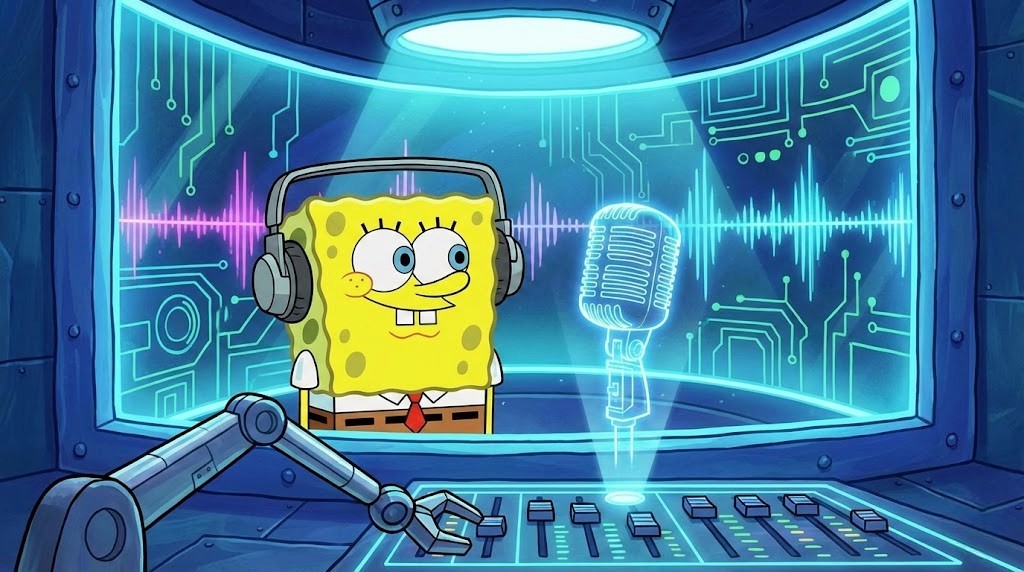
Spongebob AI voices are absolutely dominating TikTok right now. Every day, millions of people watch Spongebob saying things he'd never say in the show. The content is simple - type some text, generate Spongebob's voice, post it - but the results are massive. Videos using Spongebob AI voices regularly hit 5-10 million views, sometimes way more.
But here's what most creators get wrong: they think any Spongebob voice will work. It won't. The difference between a Spongebob voice that sounds authentic and one that sounds like a bad impression is huge. One gets millions of views. The other gets ignored. The quality comes down to which tool you use, how you write your script, and whether you understand what makes Spongebob's voice so distinctive.
We spent 60+ hours testing every major AI voice platform for Spongebob voices. Generated over 400 Spongebob clips across different tools. Analyzed which platforms capture his enthusiasm, his nasal quality, his specific pronunciation patterns. We also studied 200+ viral Spongebob AI voice videos to understand what content actually works.
This guide shows you which AI voice generators produce the most realistic Spongebob voices, how to write scripts that capture Spongebob's personality and speaking patterns, creative ways to use Spongebob AI voice for viral TikTok and YouTube content, common mistakes that make Spongebob voices sound fake, and how to edit audio to make Spongebob clips sound even more authentic.
Let's start with why Spongebob's voice is perfect for AI generation.
Why Spongebob's voice works so well for AI
Spongebob has one of the most recognizable voices in animation history. His voice is distinctive, consistent across hundreds of episodes, and packed with personality. These characteristics make him ideal for AI voice replication.
Tom Kenny has voiced Spongebob since 1999, maintaining remarkable consistency across 25+ years. The voice hasn't changed much from early episodes to recent ones - same pitch, same enthusiasm, same pronunciation quirks. This consistency gives AI models clear, predictable patterns to learn from. When you train an AI on Spongebob's voice, you're training it on a voice that sounds the same whether the audio is from 2000 or 2024.
Spongebob's speaking style is extremely distinctive, making it easy for AI to capture and for audiences to recognize instantly. That high-pitched, nasal quality is immediately identifiable. The constant enthusiasm and energy in every line creates a consistent emotional baseline. Even in sad or serious moments, Spongebob maintains a certain vocal quality that makes him unmistakably Spongebob.
His vocabulary and speech patterns are simple and repetitive, which helps AI models tremendously. Spongebob doesn't use complex words or sophisticated sentence structures. He speaks in short, enthusiastic bursts with lots of repetition. "I'm ready! I'm ready! I'm ready!" This simplicity means AI models encounter the same words and phrases repeatedly in training data, learning exactly how Spongebob pronounces and emphasizes each one.
The character's catchphrases appear constantly throughout the series, giving AI models clear signature elements to incorporate. "I'm ready!" "Aye aye, captain!" "The best day ever!" These phrases define Spongebob's character, and they appear so frequently in training data that AI voices naturally incorporate them with authentic delivery.
Spongebob's distinctive vocal characteristics
Understanding what makes Spongebob's voice unique helps you evaluate AI voice quality and write better scripts. His voice has specific technical characteristics that define it.
The pitch is consistently high - Tom Kenny voices Spongebob in a register significantly higher than his natural speaking voice. This high pitch is one of the first things people recognize about Spongebob. AI models need to maintain this pitch consistently or the voice immediately sounds wrong.
The nasal quality gives Spongebob's voice its distinctive timbre. It's not just high-pitched - it's high-pitched and nasal, creating that unique sound. This nasality appears in every line Spongebob speaks, making it essential for authentic AI replication.
Spongebob's enthusiasm manifests vocally in specific ways. His voice often cracks slightly on emphasized words when he's excited. He drags out certain vowel sounds for emphasis - "I'm readyyyyyyy!" These vocal quirks make him sound genuinely excited rather than just reading lines enthusiastically.
His pronunciation has consistent quirks that AI needs to capture. Words ending in "-ing" often get pronounced more like "-een" - "going" sounds like "go-een." Certain words get emphasized in unexpected ways. These pronunciation patterns appear consistently across episodes.
The pacing varies dramatically based on Spongebob's emotional state. When he's excited (which is most of the time), he speaks quickly with minimal pauses. When he's sad or confused, he slows down considerably but maintains the same vocal characteristics. Good Spongebob AI voices capture this pacing variation.
Why AI handles Spongebob better than many characters
Compared to other cartoon characters, Spongebob is relatively easy for AI to replicate convincingly. Several factors contribute to this.
The massive amount of available audio data helps significantly. Spongebob Squarepants has 14 seasons with 294 episodes as of 2024. That's hundreds of hours of Spongebob dialogue available for training AI models. More training data means better AI performance.
Spongebob's voice is exaggerated enough to be distinctive but not so extreme that it's impossible to replicate. Compare him to characters like Donald Duck or Scooby-Doo, whose voices are so stylized that AI struggles to capture them perfectly. Spongebob sits in a sweet spot - distinctive but achievable.
The emotional consistency makes training easier.
Spongebob is almost always happy, excited, or optimistic. Even in sad episodes, his fundamental vocal characteristics remain the same. AI doesn't need to learn dramatically different emotional deliveries - it needs to master one primary emotional state (enthusiasm) really well.
Spongebob's target audience and cultural penetration mean high demand for the voice. When there's strong demand for a specific voice, AI platforms invest more resources into making it good. Character AI voice generators that offer Spongebob typically make it a priority to get the voice right.
Best AI voice generators for Spongebob
We tested Spongebob voices across eight major AI voice platforms. The quality differences are dramatic - some sound perfect, others sound like amateur impressions.
Try AI Voices - most authentic Spongebob
Try AI Voices produces the most authentic Spongebob voice we tested. The voice captures his enthusiasm perfectly - that energetic, slightly manic quality that defines the character. More importantly, it captures the nasal timbre that makes Spongebob instantly recognizable.
The pronunciation quirks are spot-on. Words that Spongebob emphasizes in specific ways come through authentically. The "-ing" to "-een" pronunciation pattern appears naturally. Emphasis placement matches how Spongebob actually speaks in the show rather than sounding like someone reading Spongebob lines.
What impressed us most was how the voice handles different emotional contexts while maintaining Spongebob's character. Type an excited script and you get peak-energy Spongebob. Type something sad and you get the voice Spongebob uses in emotional episodes - still recognizably him but with appropriate sadness. This emotional range while staying in character separates good AI voices from great ones.
The voice maintains quality across different text lengths. Some AI voices sound great for short clips but lose authenticity on longer generations.
Try AI Voices' Spongebob sounds consistent whether you're generating a 10-word catchphrase or a 200-word monologue.
Generation is instant with no quality variations between generations. Input your text, click generate, download your Spongebob voice clip. The consistency matters for content creators making multiple clips - you don't get random quality variations where one generation sounds perfect and the next sounds off.
The platform also offers other Spongebob universe characters like Patrick, Squidward, and Mr. Krabs. This matters for creating character conversations and mashups where you want Spongebob talking to other characters. Having all voices on one platform ensures quality consistency.
FakeYou - community models with variable quality
FakeYou operates differently from commercial platforms - users can create and upload their own AI voice models. This means multiple different Spongebob models exist, each with different quality levels.
The best Spongebob models on FakeYou sound excellent, nearly matching commercial platform quality. The "Spongebob Squarepants (Enthusiastic)" model from user SpongeFan captures the energy and pitch really well. The "Spongebob Classic" model nails the nasal quality better than some commercial options.
Quality varies dramatically between models though. Some community-created Spongebob voices sound amateur, with incorrect pitch or missing the nasal quality entirely. The key is testing multiple models to find which ones work for your specific needs.
FakeYou's queue-based generation means you'll wait several minutes during busy times. For testing different models or creating occasional Spongebob content, the wait is acceptable. For serious content creation requiring multiple generations, the delays become frustrating.
The advantage of FakeYou's approach is finding specialized Spongebob models. One model might excel at excited Spongebob, another at sad Spongebob, another at singing Spongebob. If you need a very specific emotional delivery, testing FakeYou's various models might surface the perfect option.
New Spongebob models appear regularly as community members train and upload new versions. If current options don't satisfy you, checking back periodically might reveal improved models. The downside is models can disappear if creators remove them.
ElevenLabs - high quality but limited character selection
ElevenLabs doesn't focus specifically on cartoon characters, so their Spongebob offering is limited. However, when they do offer a character voice, the quality is typically exceptional.
Their Spongebob model (when available - they rotate character selections) captures the voice with remarkable accuracy. The AI produces clean audio with minimal artifacts, capturing subtle vocal nuances that other platforms miss. If you're creating professional content where Spongebob voice quality is critical, ElevenLabs' offering is worth considering when available.
The challenge is availability - ElevenLabs doesn't maintain a permanent Spongebob voice. They add and remove character voices based on demand and licensing considerations. You might find Spongebob available one month and gone the next.
ElevenLabs excels at letting you adjust voice characteristics through their settings. You can modify stability and clarity to dial in the exact Spongebob delivery you want. This control is valuable for advanced users but unnecessary for most Spongebob content.
For creators who need multiple character voices including Spongebob, ElevenLabs' rotating selection makes it impractical as a primary tool. You can't build a content strategy around a voice that might disappear.
Platform comparison for specific use cases
Different platforms excel at different Spongebob voice use cases. Choosing the right platform depends on what you're creating.
For TikTok and Instagram content creators making quick Spongebob clips, Try AI Voices provides the best combination of quality, speed, and ease of use. Generate clips in seconds, download, add to your video. The straightforward process matters when you're creating high volumes of content.
For YouTube creators making longer Spongebob content or videos requiring multiple generations, Try AI Voices' consistent quality and unlimited generation (within your subscription) makes it practical. Generate dozens of variations until you get the perfect delivery.
For developers building Spongebob voice features into apps or bots, Uberduck's API access is essential. The other platforms work great for manual creation but can't be integrated into automated systems.
For experimental creators willing to test multiple models to find specific emotional deliveries, FakeYou's variety of community models provides options not available elsewhere. The time investment testing models pays off if you need very specific Spongebob characteristics.
For professional video production where Spongebob voice is a major element, ElevenLabs (when they offer Spongebob) provides the highest audio quality. The premium pricing makes sense when Spongebob voice quality directly impacts your production value.
How to write scripts that sound like authentic Spongebob
Spongebob's personality needs to come through in every line you write. His defining characteristic is relentless, almost manic enthusiasm about everything. This enthusiasm must be reflected in your word choice, sentence structure, and punctuation.
Use exclamation points liberally. Spongebob rarely speaks in calm, declarative sentences. "I'm going to work" isn't Spongebob. "I'm going to work! Oh boy, oh boy, oh boy!" is Spongebob. Exclamation points aren't optional decoration - they're essential to his character.
Include interruptions and self-excited tangents. Spongebob doesn't finish thoughts linearly. "I was thinking - oh wow, Gary, look at that - I was thinking we could go jellyfishing!" This tangential thinking is part of his charm. Your scripts should reflect how easily distracted he gets by his own excitement.
Repeat words and phrases for emphasis when excited. "Ready! Ready! Ready!" "The best! The best! The absolute best!" Spongebob's excitement manifests in repetition. This isn't poor writing - it's authentic character representation.
Use simple, childlike vocabulary even when discussing complex topics. Spongebob doesn't say "magnificent" - he says "awesome" or "amazing." He doesn't "contemplate" - he "thinks about." Keep vocabulary at a elementary school level to match his character.
Express unconditional positivity even about negative situations. When something bad happens, Spongebob looks for the good. "My house burned down! But at least I can build a new one!" This optimism defines him and should define your scripts.
Spongebob's distinctive speech patterns
Beyond personality, Spongebob has specific speech patterns that make him recognizable. Incorporating these patterns into your text makes the AI voice sound more authentic.
Start sentences with "Oh boy!" or "Wow!" frequently. These excited openings appear constantly in Spongebob's dialogue. "Oh boy, this is going to be great!" "Wow, I can't believe this!" They signal Spongebob's constant state of anticipation and excitement.
Use questioning inflection even in statements. "I'm ready?" "This is the best day ever?" The uncertainty mixed with excitement is very Spongebob. He often phrases things as questions even when he's not actually asking.
Include his signature catchphrases strategically. "I'm ready!" is obvious but use it naturally, not forced. "Aye aye, captain!" works in appropriate contexts. "The inner machinations of my mind are an enigma" appears in more thoughtful moments. These phrases should feel organic to the content.
Add "Gary" references when contextually appropriate. Spongebob talks to and about Gary constantly. "Gary, you wouldn't believe what happened!" "I need to get home to Gary!" These references ground the content in Spongebob's world.
Use giggling or laughter indicators in your text. "(giggles)" or "(laughs)" in your script cues the AI to add appropriate vocal inflections. Spongebob giggles constantly, especially when doing something he enjoys.
Common script mistakes that ruin authenticity
Certain mistakes immediately make Spongebob voices sound wrong even when the AI quality is perfect.
Making Spongebob sarcastic or cynical destroys his character. Spongebob is sincere and optimistic almost to a fault. Cynicism is Squidward's trait, not Spongebob's. "Yeah, right, like that'll work" doesn't sound like Spongebob because the sarcasm conflicts with his personality.
Using sophisticated vocabulary or complex sentence structures breaks character. Spongebob speaks simply because he thinks simply. Don't write "I shall endeavor to complete this task" - write "I'm going to do this! I can do it!"
Forgetting his enthusiasm in every line makes the voice sound flat. Even sad Spongebob has a certain energy. "I'm sad" isn't Spongebob. "I'm so sad! This is terrible! (sniffles) But maybe it'll get better!" maintains his vocal energy even when expressing sadness.
Making Spongebob mean or cruel contradicts his core character. Spongebob is kind and caring even when frustrated. Scripts that have him being genuinely mean sound wrong because it's out of character.
Overusing catchphrases to the point of parody makes content feel forced. "I'm ready!" should appear when contextually appropriate, not as a punctuation mark on every sentence. Natural inclusion of catchphrases works better than forced repetition.
Script structure for different content types
Different types of Spongebob content require different script approaches.
For comedy content where Spongebob discusses modern topics, maintain his innocent perspective. Have him approach TikTok trends, current events, or technology with childlike wonder and confusion. "What's a cryptocurrency? Is it like bubble-blowing currency?" The humor comes from Spongebob's innocence applied to complex topics.
For reaction content where Spongebob responds to videos or situations, emphasize his extreme emotional reactions. Everything is either "the best thing ever!" or "terrible!" Spongebob doesn't do moderate reactions.
For storytelling content where Spongebob narrates or explains, include frequent tangents and self-interruptions. "So then I went to the Krusty Krab - oh, I love the Krusty Krab! Mr. Krabs is the best! - anyway, I went there and..." This rambling quality is very Spongebob.
For educational content where Spongebob teaches or explains, maintain enthusiasm about the subject matter regardless of how boring it might be. "Division is so cool! You take numbers and split them up! Isn't math amazing?" His enthusiasm makes dry content entertaining.
For conversations with other characters, remember how Spongebob interacts differently with different people. With Patrick, he's adventurous and silly. With Squidward, he's trying to befriend someone who doesn't want friendship. With Mr. Krabs, he's the eager employee. Match the script to the relationship dynamic.
Creative ways to use Spongebob AI voice
Spongebob AI voices work brilliantly for specific types of content. Understanding what works helps you create viral-worthy material.
TikTok content that goes viral
Spongebob AI voice content dominates TikTok because his voice is instantly recognizable and inherently entertaining. Certain formats consistently generate millions of views.
Spongebob explaining modern slang or Gen Z trends works because his innocent character clashes perfectly with internet culture. "Skibidi toilet? Is that a new bathroom at the Krusty Krab?" The confusion is inherently funny.
Spongebob reacting to relatable situations leverages his extreme emotions. "When you wake up and remember it's Friday: I'm ready! I'm ready! I'm ready!" His over-the-top enthusiasm makes mundane situations entertaining.
Spongebob as life coach or motivational speaker creates comedy through the contrast between his childlike delivery and serious life advice. "You need to believe in yourself! Like I believe in jellyfishing!" It's funny because it's genuinely good advice in Spongebob's voice.
Spongebob commenting on food reviews or trying foods plays to his character's love of Krabby Patties. "This burger is good but is it as good as a Krabby Patty? No way!" Food content with Spongebob voice generates consistent engagement.
Spongebob singing trending songs or audio clips adds entertainment to existing trends. Take a trending TikTok audio, generate it in Spongebob's voice, create simple visuals. The voice alone makes it shareable.
YouTube content strategies
YouTube allows longer Spongebob content than TikTok, enabling different creative approaches.
Spongebob movie commentary or reviews where he watches and comments on films creates extended entertainment. His innocent perspective on movies creates continuous comedy. "Why is Batman so serious? He should smile more!"
Spongebob explaining complex topics in simple terms makes educational content accessible and entertaining. "Spongebob Explains Quantum Physics" or "Spongebob's Guide to Economics" attracts viewers who want to learn but find typical educational content dry.
Spongebob playing video games (voice over gameplay footage) combines gaming content with character entertainment. His reactions to in-game events maintain engagement throughout longer videos.
Spongebob podcast or talk show formats where he interviews other character AI voices creates unique content. "Spongebob Talks to Darth Vader" or "The Spongebob Show featuring Mario" generates views from multiple fandoms.
Spongebob animated shorts where you create original animated content with Spongebob AI voiceover. The combination of custom animation and AI voice enables storytelling not possible with just voice clips over images.
Instagram and other platforms
Instagram Reels perform well with Spongebob content similar to TikTok formats. The shorter duration requires punchy, immediate entertainment. Spongebob's energetic voice delivers that perfectly.
Twitter/X audio content using Spongebob voice for reactions to tweets or trends generates engagement. "Spongebob Reads Twitter" where he reads viral tweets in character attracts both Spongebob fans and people interested in the tweets.
Podcast intro/outro segments using Spongebob voice create memorable branding. "Welcome to the podcast! This is going to be the best episode ever!" A brief Spongebob intro makes podcasts more distinctive.
Discord server bots using Uberduck's API can generate Spongebob responses to server members. This creates interactive experiences rather than just passive content consumption.
Content that doesn't work well
Not every Spongebob content idea succeeds. Understanding what to avoid saves time and effort.
Serious, somber content doesn't fit Spongebob's character. Attempting to make Spongebob discuss genuinely depressing topics feels wrong because his voice and character are fundamentally optimistic. The voice actively conflicts with the content.
Complicated political commentary using Spongebob voice feels forced. While political AI voices like Trump and Biden work for political content, cartoon characters generally don't. The mismatch between Spongebob's childlike character and complex politics creates tonal confusion rather than humor.
Content that makes Spongebob cruel or mean fails because it contradicts his established character so severely that it breaks suspension of disbelief. Audiences reject Spongebob content that fundamentally misunderstands his character.
Overly long monologues without variety lose audience attention. Spongebob's voice is energetic but 5 minutes of continuous Spongebob monologue becomes exhausting. Break content into shorter segments or add variety through music, visuals, or other character voices.
Audio editing tips for better Spongebob voices
Raw AI-generated Spongebob voices sound good but simple audio editing makes them sound professional.
Enhancing the vocal characteristics
Spongebob's voice has specific technical characteristics that audio editing can enhance.
Apply a slight high-frequency boost around 3-5kHz to emphasize the nasal quality. This makes the voice sound brighter and more cartoon-like. Use EQ to boost this frequency range by 2-3dB - subtle enough to sound natural but noticeable enough to add cartoon character.
Add very gentle compression to even out volume levels. Spongebob's voice has dramatic dynamic range - quiet moments followed by excited shouting. Light compression (2:1 ratio) makes these dynamics more controlled without losing Spongebob's energetic delivery.
Consider slight pitch adjustment if the AI voice sounds slightly off. Most Spongebob AI voices match the pitch well, but if yours sounds too low, increase pitch by 2-5% using pitch shifting tools. Small adjustments make significant differences in authenticity.
Remove any obvious AI artifacts like digital pops, clicks, or unnatural transitions between words. Use noise reduction tools carefully - too much makes the voice sound processed, but leaving artifacts makes it sound amateur.
Adding environmental context
Context makes Spongebob voices feel more authentic and professionally produced.
Layer in subtle underwater ambiance underneath the voice. Gentle bubble sounds, distant whale calls (very quiet), muffled water movement creates the Bikini Bottom environment. Keep ambiance at -30dB or lower so it's barely noticeable but adds atmosphere.
Add appropriate sound effects when Spongebob performs actions. If your script mentions jellyfishing, add buzzing sounds. If he's at the Krusty Krab, include restaurant ambiance. These contextual sounds make content more immersive.
Use the Spongebob Squarepants theme music strategically in intros or transitions. Brief 3-5 second clips from the theme song immediately signal Spongebob content and trigger nostalgia. Don't overuse - occasional musical cues work better than constant background music.
Consider adding other Bikini Bottom character sounds when contextually appropriate. If Spongebob mentions Gary, add a brief "meow." If he's talking to Patrick, add a background "Huh?" These subtle additions enhance the Bikini Bottom atmosphere.
Creating character conversations
Generating conversations between Spongebob and other characters requires planning for natural-sounding exchanges.
Generate each character's lines separately with appropriate pauses for the other character's responses. If creating Spongebob talking to Patrick, generate Spongebob's lines with 2-3 second pauses where Patrick would speak, then generate Patrick's lines separately.
Edit the timing so characters don't talk over each other unnaturally. Real conversations have slight overlaps and natural pauses. Add 0.3-0.5 second gaps between character exchanges for natural conversation flow.
Adjust relative volume levels based on which character is "closer" in the scene. If Spongebob is the primary speaker, his voice should be slightly louder (-3dB) than secondary characters who might be further away or background.
Add reaction sounds between dialogue exchanges. Spongebob's giggles, Patrick's confused "huh?" sounds, Squidward's sighs. These reactions make conversations feel dynamic rather than just alternating monologues.
Technical quality optimization
Final quality touches ensure your Spongebob content sounds professional.
Export at appropriate bitrate for your platform. For TikTok and Instagram, 128kbps MP3 is sufficient. For YouTube, use 192kbps or higher to maintain quality through YouTube's compression.
Normalize audio levels so Spongebob's loudest moments don't clip (distort) and quiet moments are audible. Use peak normalization to -1dB to maximize volume while preventing distortion.
Add gentle limiting as final processing to catch any remaining peaks that might cause clipping. A limiter with -0.3dB ceiling prevents distortion across all platforms.
Test your audio on different devices before publishing. Spongebob's high-pitched voice sounds different on phone speakers versus headphones versus computer speakers. Make sure it's clear and not harsh on common playback devices.
Legal and ethical considerations
Using Spongebob AI voice involves copyright and trademark considerations because Spongebob is intellectual property owned by Nickelodeon/Viacom.
Understanding copyright for cartoon characters
Spongebob Squarepants is copyrighted intellectual property. The character, his voice, and all associated elements are owned by Viacom. Using Spongebob AI voice technically infringes on this copyright regardless of how you use it.
However, fair use doctrine provides protections for certain uses. Parody, commentary, criticism, and transformative works can qualify as fair use even when using copyrighted characters. The key is making content that's clearly transformative rather than attempting to replicate official Spongebob content.
Creating Spongebob AI voice content for non-commercial purposes generally falls under fair use more clearly than commercial use. Personal projects, entertainment, and commentary typically have stronger fair use arguments than using Spongebob voice to sell products or services.
Clear labeling as AI-generated and unofficial protects you legally and ethically. "AI-generated Spongebob parody - not affiliated with Nickelodeon" in your description establishes that you're creating fan content, not claiming to produce official Spongebob material.
What uses are generally protected
Certain uses of Spongebob AI voice have stronger legal protections under parody and fair use doctrines.
Comedy content where Spongebob does or says unexpected things clearly qualifies as parody. "Spongebob Reviews Tech Products" or "Spongebob Explains Politics" is obviously not official Nickelodeon content, making the parody nature clear.
Educational content that uses Spongebob voice to teach or explain topics often qualifies as transformative fair use. "Spongebob Teaches Math" adds educational value beyond just entertainment, strengthening fair use arguments.
Commentary about Spongebob or children's television using Spongebob voice for meta-commentary typically falls under protected criticism and commentary. Content analyzing Spongebob episodes or discussing the show's cultural impact while using AI-generated Spongebob voice serves commentary purposes.
Personal, non-commercial sharing among friends typically doesn't result in copyright enforcement even if technically infringing. Rights holders focus on commercial infringement that threatens their business interests, not fans sharing content privately.
High-risk uses to avoid
Certain uses of Spongebob AI voice carry higher legal risk and should be avoided without proper licensing.
Commercial advertising using Spongebob voice to sell products or services is high-risk. Creating ads where Spongebob endorses or discusses your business invites legal action from Nickelodeon. Don't use Spongebob voice for commercial purposes without licensing.
Creating content that could be mistaken for official Nickelodeon material crosses the line from parody to potential fraud. If your Spongebob content looks like it could be official, expect problems.
Using Spongebob AI voice in ways that damage the brand or character reputation might prompt enforcement even when parody arguments exist. Content that's genuinely offensive or harmful while using children's character voices can result in legal action.
Distributing Spongebob AI voice models or tools for others to generate Spongebob voices is particularly risky. Creating content yourself has stronger fair use protections than providing tools that enable mass infringement.
Platform policies on character voices
Social media platforms have policies about AI-generated character content independent of legal considerations.
TikTok allows character AI voices for parody and entertainment with proper disclosure. Content must be clearly marked as AI-generated and not official. Misleading content pretending to be official Nickelodeon material violates guidelines.
YouTube requires disclosure of synthetic media and AI-generated content in video descriptions. Add "AI-generated Spongebob voice - not affiliated with Nickelodeon" to descriptions. Properly disclosed parody content is generally permitted.
Instagram and Facebook require disclosure of AI-generated content that could mislead users. Character voice content needs clear labeling as artificially generated fan content.
Copyright claims can result in content removal regardless of fair use arguments. Platforms often remove content when rights holders request it rather than evaluating fair use merit. This means legally protected content might still get taken down, requiring appeals to restore it.
Monetizing Spongebob AI voice content
Many creators successfully monetize Spongebob AI voice content through various revenue streams while navigating copyright considerations.
Ad revenue from social platforms
YouTube Partner Program allows monetization of parody content when properly disclosed. Spongebob AI voice videos generate typical YouTube CPM ($3-8 per 1,000 views) when targeting family-friendly audiences. Educational Spongebob content generates higher CPM than pure entertainment.
TikTok Creator Fund pays based on views and engagement. Viral Spongebob content accumulating millions of views generates revenue through the fund. Rates vary but typically range $0.02-0.04 per 1,000 views.
Instagram and Facebook creator programs periodically offer bonuses for Reels. Spongebob content with high engagement qualifies for these programs when available.
The key to platform monetization is volume and consistency. Individual Spongebob videos might generate minimal revenue, but channels posting consistently and building audiences generate meaningful income over time.
Teaching others to create Spongebob content
Educational content about creating Spongebob AI voices provides monetization opportunities without directly using copyrighted characters commercially.
Create courses teaching Spongebob voice generation, script writing, audio editing, and content strategy. Sell courses on platforms like Udemy or through your own site. Typical pricing ranges $20-80 depending on course depth.
Build YouTube channels teaching Spongebob content creation. Monetize through ads, sponsorships from AI voice platforms, and affiliate links. Tutorial content generates consistent search traffic rather than relying on viral hits.
Offer consulting services helping creators optimize their Spongebob content strategy. Hourly rates for experienced creators range $75-200 depending on your track record and expertise.
Sell template packages - Spongebob scripts, video editing templates, thumbnail designs, audio editing presets. These digital products monetize your expertise without requiring ongoing time investment per sale.
Affiliate marketing with Spongebob content
Spongebob content pairs well with specific affiliate marketing categories.
Link to animation software or video editing tools in Spongebob content creation tutorials. The entertainment value increases view duration and click-through rates on affiliate links.
Recommend AI voice platforms through affiliate links in tutorial content. When you teach Spongebob voice creation, naturally recommend the tools that work best with affiliate links included.
Link to Spongebob merchandise or related products in content targeting Spongebob fans. The audience already loves Spongebob, making them likely to click product links for official merchandise.
Important monetization considerations
Any commercial use of Spongebob voice carries legal risk despite potential fair use protections. Nickelodeon actively protects its intellectual property and has resources to enforce rights.
Focus monetization on content about creating Spongebob voices rather than directly monetizing the voices themselves. Teaching others generates revenue while reducing copyright concerns.
Be prepared for potential copyright claims that could affect monetization even when content qualifies as fair use. Platforms often disable monetization when copyright claims are filed, requiring appeals to restore it.
Frequently asked questions
Common questions about creating and using Spongebob AI voices.
Is creating Spongebob AI voice legal?
Creating Spongebob AI voices exists in a legal grey area. Spongebob is copyrighted intellectual property owned by Nickelodeon/Viacom. Generating his voice potentially infringes copyright regardless of whether you use it commercially.
However, fair use doctrine protects parody, criticism, and transformative works. Spongebob AI voice content that's clearly parody, properly disclosed as AI-generated, and not suggesting official endorsement generally qualifies for fair use protection.
The practical reality is non-commercial Spongebob content for entertainment rarely results in legal action because rights holders focus on commercial infringement. What you do with the voice matters more than simply generating it.
Which Spongebob AI voice sounds most realistic?
Try AI Voices produces the most consistently realistic Spongebob voice across different types of content. The voice captures his enthusiasm, nasal quality, and pronunciation quirks better than other platforms we tested.
FakeYou has some excellent community models that rival commercial quality, but you need to test multiple models to find them. The variability makes it less reliable than Try AI Voices but potentially offers excellent results with effort.
ElevenLabs produces exceptional Spongebob voice when they offer it, but availability is inconsistent. If you need reliable access to Spongebob voice, platform availability matters as much as quality.
Can I monetize Spongebob AI voice content?
You can monetize Spongebob AI voice content through platform ad programs when properly disclosed as parody and AI-generated. YouTube, TikTok, and other platforms allow monetization of character voice content that's clearly transformative and properly labeled.
Commercial use like advertising or product endorsements is high legal risk without licensing from Nickelodeon. Monetizing through platform ads on parody content is lower risk than using Spongebob voice to directly sell products or services.
Focus monetization on teaching others to create Spongebob content rather than directly monetizing the character voice itself. This approach generates revenue while minimizing copyright concerns.
How do I make Spongebob voice sound more authentic?
Script quality matters more than AI quality for authenticity. Study how Spongebob actually speaks - his enthusiasm, simple vocabulary, catchphrases, and speech patterns. Write scripts that match these patterns rather than writing general dialogue and hoping the AI makes it sound like Spongebob.
Audio editing enhances authenticity. Apply gentle high-frequency boost around 3-5kHz to emphasize nasal quality. Add underwater ambiance and appropriate sound effects to create Bikini Bottom atmosphere.
Use appropriate text for Spongebob's character and the specific content context. Excited content needs lots of exclamation points and enthusiasm. Sad content maintains Spongebob's vocal characteristics while adjusting emotional tone.
What content works best for Spongebob AI voice?
Comedy content where Spongebob discusses modern topics or unexpected situations consistently generates high engagement. The contrast between his childlike character and complex topics creates inherent humor.
Educational content where Spongebob teaches or explains topics performs well because it combines entertainment with value. "Spongebob Explains [Topic]" formats attract viewers who want to learn but prefer entertaining content.
Reaction content where Spongebob responds to trends, videos, or situations leverages his extreme emotional reactions for entertainment value.
Character mashup content featuring Spongebob talking to other AI character voices generates engagement from multiple fandoms simultaneously.
How Try AI Voices helps with Spongebob voice generation
Try AI Voices specializes in character voices including one of the most authentic Spongebob voices available on any platform. The Spongebob model captures his enthusiasm, nasal quality, and distinctive pronunciation patterns that define the character.
Generate Spongebob voices instantly without queues or waiting. Input your script, select Spongebob voice, click generate, download audio. The entire process takes under a minute for most clips.
Access other Bikini Bottom characters including Patrick, Squidward, and Mr. Krabs for creating character conversations and mashup content. Having all characters on one platform ensures quality consistency across your content.
The platform's straightforward interface requires no technical knowledge or audio expertise. Script writing skill matters more than technical ability for creating great Spongebob content with Try AI Voices.
Generate unlimited variations until you get the perfect delivery. Test different script approaches, try various emotional tones, create multiple versions of the same content. The ability to iterate quickly improves final content quality.
Final thoughts
Spongebob AI voices offer incredible creative possibilities for content creators. His distinctive voice, recognizable character, and broad appeal make him perfect for viral content across social platforms.
Success with Spongebob AI voice comes down to choosing quality tools, writing authentic scripts, and understanding what content resonates with audiences. Technical quality matters but script quality matters more. The best AI voice sounds wrong with a poorly written script.
Always disclose AI-generated content clearly and position it as parody rather than official Spongebob material. Transparency protects you legally and ethically while maintaining entertainment value.
Focus on content that leverages Spongebob's optimistic, enthusiastic character rather than forcing him into incompatible contexts.
Comedy works. Education works. Genuine sadness or cynicism doesn't work because it contradicts his fundamental character.
Start with platforms like Try AI Voices that produce consistently good Spongebob voices rather than experimenting with tools that might waste your time with poor quality. The right platform makes the difference between creating content efficiently and struggling with technical issues.
Study how Spongebob actually speaks by watching episodes and analyzing his patterns. The time invested understanding his character pays off in every piece of content you create