Brawl Stars AI Voice Generator: Create Authentic Character Voiceovers
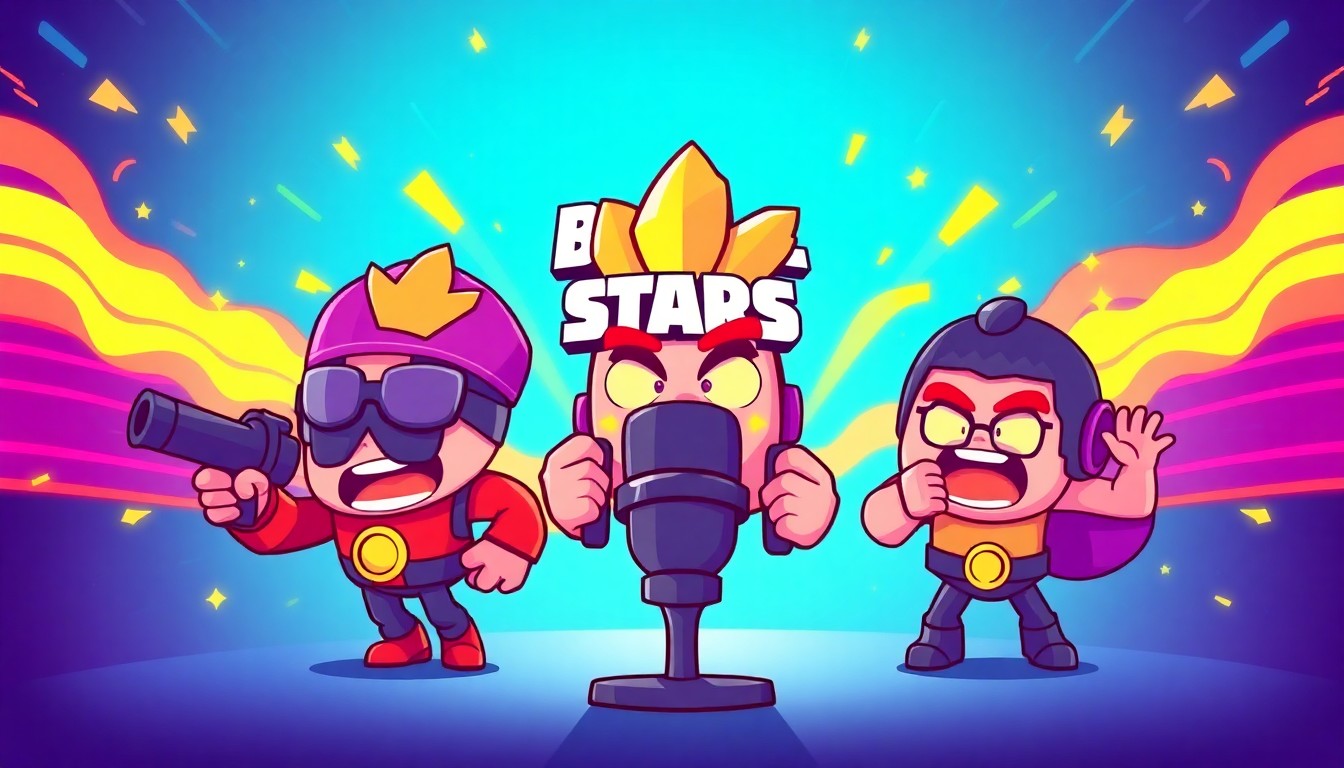
Mobile gaming voiceovers demand personality. Creators need voices that capture character energy, attitude, and that instantly recognizable style fans love. Brawl Stars characters deliver exactly that with distinct personalities ranging from confident gunslingers to silent cacti to mysterious assassins.
Creating Brawl Stars AI voices opens new possibilities for content creators. You can generate voiceovers for gameplay montages, character dialogues, funny skits, educational tutorials, meme compilations, and fan content. The challenge lies in capturing each brawler's unique vocal signature while maintaining the energy that makes Supercell's characters so memorable.
This guide covers everything you need to create authentic Brawl Stars character voices using AI technology. We'll explore the best tools and platforms, show you how to write scripts that match each character's personality, provide specific techniques for different brawlers, and demonstrate how to edit your generated audio for maximum impact. You'll learn which voices work best for different content types, how to avoid common mistakes, and discover creative ways to use these voices across social media platforms.
The technology behind AI voice generation has evolved significantly. Modern tools can now replicate the distinct vocal characteristics that make each Brawl Stars character unique. From Colt's confident swagger to Shelly's determined tone to Edgar's emo attitude, AI voice generators capture these nuances with impressive accuracy.
Whether you're creating TikTok content, YouTube videos, gaming streams, or Instagram reels, mastering Brawl Stars AI voices gives you a powerful tool for engagement. Let's dive into how you can generate professional-quality voiceovers that sound authentic and capture the spirit of your favorite brawlers.
Understanding Brawl Stars character voices
Each brawler in Supercell's hit game brings a distinct vocal personality. These aren't generic mobile game characters. They're carefully crafted personas with specific speech patterns, attitudes, and energy levels that define how they communicate.
The gunslinger archetype appears frequently across the roster. Characters like Colt and Shelly embody different takes on this western-inspired style. Colt delivers lines with cocky confidence and showmanship. Every voiceline reinforces his self-assured personality. Shelly counters with a tougher, more grounded approach. Her voice carries determination without the bragging.
Comedy characters like Tick and Crow bring their own challenges. Tick uses robotic sounds and mine-related puns. Crow speaks with raspy menace mixed with unexpected humor. These voices require understanding both the joke setup and the character's underlying personality. The humor works because it fits who they are, not just because it's funny in isolation.
Silent characters present a unique opportunity. Spike communicates through sound effects rather than words. Carl's robotic voice differs completely from Tick's mechanical sounds. When creating AI voiceovers for these characters, you're interpreting their personality through vocal tone and attitude rather than relying on established speech patterns.
The roster spans over 70 brawlers. Each one occupies a specific vocal niche. Leon whispers like a sneaky assassin. Pam speaks with a mechanic's practical confidence. Poco channels mariachi enthusiasm. Byron delivers lines with gentleman villain sophistication. This diversity means you need different approaches depending on which character you're voicing.
Age and attitude matter significantly. Brawlers like Nita and Leon sound younger and more playful. Characters such as Pam and Gale project mature authority. The emo brawlers (Edgar, Colette) carry teenage angst and intensity. Understanding these age dynamics helps you write appropriate dialogue and choose the right emotional tones.
Regional accents and cultural influences shape several brawlers. El Primo brings lucha libre energy. Poco channels Mexican culture through his mariachi persona. These cultural elements aren't stereotypes in the game. They're celebrated aspects of each character's identity. When creating AI voices, maintaining this respect while capturing the essence proves essential.
Energy levels vary dramatically across the cast. Some brawlers shout and exclaim constantly. Others stay cool and collected. Matching this energy in your AI-generated content makes the difference between a voice that feels right and one that seems off. High-energy characters need exclamation-heavy scripts. Calm characters work better with measured, confident delivery.
The game's voice direction emphasizes personality over realism. Brawlers speak in heightened, character-appropriate ways. This gives creators freedom to lean into exaggeration. Your AI-generated Colt can be extra cocky. Your Mortis can be dramatically theatrical. The source material embraces these bold choices.
Best platforms for Brawl Stars AI voice generation
Quality determines everything when generating character voices. You need tools that capture personality, handle varied speech patterns, and deliver clean audio suitable for content creation. Several platforms excel at producing Brawl Stars character voices.
TryAIVoices offers the most comprehensive solution for gaming character voices. The platform includes models trained specifically for capturing gaming persona energy and attitude. When you generate a Colt voice, the system understands cocky gunslinger delivery. For Shelly, it captures tough determination. This character-specific understanding sets it apart from generic text-to-speech tools.
The platform handles emotional range naturally. Brawl Stars characters express excitement, frustration, confidence, and humor constantly. TryAIVoices lets you adjust these emotional parameters to match your script. Need Crow sounding extra menacing? Adjust the intensity. Want Poco with more enthusiasm? Increase the energy level. This control makes the difference between generic voiceover and authentic character voice.
Processing speed matters for content creators working under deadlines. You don't want to wait 20 minutes for a single voiceline. Top-tier platforms generate high-quality audio in seconds. This lets you iterate quickly, testing different deliveries and emotional tones until you find the perfect take.
Audio quality separates professional tools from amateur options. Look for platforms that deliver clean, broadcast-ready audio without artifacts or robotic distortion. The best systems produce voices that sound natural, with proper breathing, emotional inflection, and the small imperfections that make speech feel human. You should be able to drop generated audio directly into your video editor without extensive cleanup.
Some platforms specialize in specific character types. Tools focused on celebrity voices might struggle with cartoon or gaming characters. Systems designed for professional narration often miss the exaggerated energy gaming voices require. Gaming-focused voice generators understand these unique demands and train their models accordingly.
Character variety in the voice library indicates platform capability. If a service offers one or two gaming voices, they're testing the waters. Platforms with extensive gaming character libraries demonstrate commitment to this content category. TryAIVoices' gaming section includes dozens of character archetypes that map well to Brawl Stars personalities.
Free tools exist but come with significant limitations. They often restrict commercial use, add watermarks to audio, limit generation length, or produce lower-quality output. For serious content creators monetizing their work, subscription-based professional tools provide better value and eliminate legal concerns about voice usage rights.
Integration capabilities matter for workflow efficiency. The best platforms let you export in multiple formats, adjust sample rates, and customize output settings. You might need MP3 for quick social media posts or WAV for professional video editing. Having these options streamlines your production process.
Model updates affect long-term value. AI voice technology improves constantly. Platforms that regularly update their models deliver better quality over time. Check if the service you're considering actively develops and improves their voice offerings. Stagnant platforms fall behind as competitors advance.
Community and support resources help you master the platform quickly. Look for services offering tutorials, script templates, and community forums where creators share techniques. These resources accelerate your learning curve and help you discover advanced tricks for getting better results.
 Photo by Dmitry Demidov on Unsplash
Writing authentic Brawl Stars character scripts
Character voice means nothing without appropriate dialogue. You need scripts that sound like your chosen brawler would actually say them. This requires understanding personality, speech patterns, and the attitude that defines each character.
Start with official voicelines as your foundation. Listen to how characters speak in game. Note their vocabulary choices, sentence structure, and recurring phrases. Colt talks about being handsome and skilled. Shelly references her shotgun and getting tough. Edgar complains and stays moody. These patterns should appear in your AI-generated content.
Sentence structure reveals personality. Confident characters use declarative statements. "I'm the fastest draw in the west." Uncertain characters ask more questions. Playful brawlers speak in fragments and exclamations. Analytical characters construct longer, more complex sentences. Match your structure to your character's thinking style.
Catchphrases and recurring elements make characters recognizable. Work these into your scripts naturally. Don't force it, but when appropriate, include those signature moments fans expect. Colt should occasionally reference his looks. Mortis needs his dramatic flair. Spike can have text indicating his silence with action descriptions.
Emotional tone drives delivery. When writing for AI generation, indicate the emotion you want. "Check this out! (excited)" or "You're making me angry. (frustrated)" helps the AI understand your intent. Different platforms handle emotional cues differently, so experiment with your chosen tool to find what works.
Avoid generic dialogue that any character could say. "That was fun" works for anyone. "That was mortifyingly beneath my station" sounds like Mortis. "Ha! Too slow for Colt!" matches his personality. Every line should feel specific to your chosen brawler. If you can imagine the line coming from three different characters, rewrite it.
Length affects delivery quality. Very short phrases (1-3 words) work well for reactions and exclamations. Medium-length sentences (8-15 words) handle most dialogue. Longer passages (20-30 words) work for monologues but risk sounding unnatural if not written carefully. Break up lengthy content into shorter segments.
Context matters when writing gaming content. Are you creating a gameplay commentary? Write lines that reference specific actions. Making a comedy skit? Structure jokes with setup and punchline. Building educational content? Use the character voice to explain mechanics while staying in character.
Punctuation guides AI delivery. Exclamation points increase energy and excitement. Periods create calm, confident delivery. Question marks add uncertainty or curiosity. Ellipses introduce pauses and hesitation. Commas control pacing and breathing. Use these deliberately to shape how your lines sound.
Different content types need different script approaches. TikTok videos demand punchy, fast-paced dialogue that hooks attention in the first second. YouTube content can develop more elaborate character interactions. Stream overlays work best with reactive, short phrases. Instagram reels need visual-audio synergy with dialogue that complements what's on screen.
Test your scripts before committing to full production. Generate a few sample lines and listen critically. Does it sound like the character? Would a fan recognize who's speaking without being told? Is the energy level right? Use these test generations to refine your writing before creating your complete audio.
 Photo by Florian Olivo on Unsplash
Voice generation techniques for specific brawlers
Different brawlers require different approaches. What works for generating Colt's voice won't work for Crow. Understanding these character-specific techniques improves your results dramatically.
Legendary brawlers
Legendary brawlers each bring unique vocal challenges. Leon speaks with sneaky, youthful confidence. When writing for Leon, use shorter sentences with playful attitude. Reference invisibility and surprise without being too obvious. The voice should sound like a kid who thinks he's way cooler than he actually is.
Spike presents the silent character challenge. Since Spike doesn't speak, creators often use sound effects or narration around Spike content. Some creators give Spike an internal monologue voice, imagining what the cactus might think. This creative interpretation can work but strays from canon characterization.
Crow carries raspy, menacing energy mixed with dark humor. Scripts for Crow should include threats that somehow sound funny. "I'll poison you" delivered with Crow's personality becomes entertaining rather than genuinely menacing. The comedy comes from the contrast between dangerous words and his character's delivery.
Sandy speaks sleepily and slowly. For AI generation, this means using drawn-out words and frequent pauses. "I'm so... tired..." captures Sandy's constant exhaustion. Every line should feel like Sandy barely has the energy to speak. This consistency makes the characterization work.
Chromatic and epic brawlers
Chromatic brawlers often have more complex personalities. Gale speaks like a friendly but tough old-timer. His lines should reference cold weather and show his protective side. "Don't mess with an old snowplow driver" captures his dual nature of friendly and formidable.
Surge embodies enthusiastic power-up progression. Start Surge lines with lower energy and build to higher intensity as you imagine him leveling up. "This is great! This is AMAZING! THIS IS INCREDIBLE!" matches his in-game progression mechanics through voice.
Colette represents obsessive fandom. Her voice carries excitement bordering on scary intensity. Scripts should include pop culture references, enthusiasm about her scrapbook, and that slightly unsettling edge. "I'm your biggest fan! Can I have your autograph? How about your hair?" shows the right energy.
Lou delivers customer service positivity with a slight edge. His ice cream vendor persona means treating everyone like a customer. "Welcome to the Snowtel!" type lines work perfectly. The voice should sound friendly but with just enough corporate fakeness to be funny.
Trophy road and rare brawlers
Trophy road brawlers form the game's foundation. Shelly needs tough, no-nonsense delivery. She's not mean, but she doesn't waste words. "Let's settle this" beats "Perhaps we should resolve our differences." Keep it direct and confident.
Colt requires maximum swagger. Every line should remind people how great he thinks he is. "Have you seen how handsome I am?" isn't a question, it's a statement of fact in his mind. The overconfidence makes him entertaining rather than annoying.
Nita speaks with youthful energy and connection to nature. Her bear Bruce plays a major role in her identity. Include references to teamwork and natural elements. "Bruce and I make a great team!" captures her voice better than generic tough talk.
Bull speaks in short, aggressive bursts. Imagine every line coming from someone who would rather fight than talk. "Less talkin', more brawlin'!" exemplifies his communication style. Don't make Bull overly articulate. He's straightforward and physical.
Support and healer brawlers
Support characters like Pam and Byron need distinct approaches. Pam combines tough mechanic energy with protective mom vibes. "Don't mess with Mama!" shows both sides of her personality. She fixes things and kicks butt, often in the same sentence.
Byron speaks with sophisticated menace. As a snake oil salesman turned poisoner, his lines should sound elegant but sinister. "This elixir has... interesting side effects" delivered with his gentleman villain style creates the right tone. He's too polite to be truly evil but too shady to be heroable.
Poco brings pure mariachi enthusiasm. Every line should feel celebratory. "It's showtime!" works better than "I'm ready to fight." Music and performance terminology fits his character perfectly. He's not going into battle, he's putting on a show.
Byron and Poco demonstrate how healer archetype splits into completely different vocal personalities. Don't fall into generic healer voice. Each support character brings unique energy that demands specific script choices.
Technical audio editing for Brawl Stars voices
Raw AI-generated audio rarely drops perfectly into your final content. Editing transforms good voiceovers into professional-quality audio that matches your production standards.
Volume normalization comes first. AI voice generators produce audio at varying levels depending on the line's intensity and length. You need consistent volume across all voicelines in a video. Use audio editing software to normalize peaks around -3dB to -6dB. This ensures your voices don't get lost under music or sound effects while avoiding distortion.
Background noise removal cleans up any artifacts in the generated audio. Even high-quality AI voices can include subtle hums or digital artifacts. Apply a gentle noise reduction pass, being careful not to strip away the natural voice qualities. Over-processing makes voices sound hollow and loses the character you worked hard to generate.
Compression helps voice sit well in your mix. Apply gentle compression with a ratio around 3:1 and threshold set to catch the loudest parts. This evens out dynamics without destroying the natural performance feel. Gaming voices benefit from slightly more compression than conversational voiceover since they compete with sound effects and music.
EQ adjustments can enhance presence and clarity. Boost slightly around 2-4kHz to increase voice intelligibility. Cut slightly around 200-300Hz if the voice sounds muddy. A gentle high-frequency boost around 10kHz adds airiness and presence. These adjustments should be subtle. You're enhancing, not transforming.
De-essing removes harsh sibilance from S sounds. Many AI voices generate slightly emphasized S sounds that become distracting. Apply a de-esser with gentle settings targeting the 6-8kHz range. Listen carefully because over-de-essing makes voices sound lispy and unnatural.
Adding room tone creates more natural sound. Pure AI voices can sound isolated and disconnected from your content. Layer subtle room ambience underneath to ground the voice in a space. For Brawl Stars content, this might be arena ambience, crowd noise, or environmental sounds matching your video setting.
Timing adjustments synchronize voiceovers with visual content. Use your editor's time-stretching tools to slightly speed up or slow down audio to match video timing without changing pitch. Modern tools can adjust timing by 10-15% without noticeable artifacts. This saves you from re-generating audio just because a line runs half a second too long.
Reverb adds depth and placement. Characters shouting across the battlefield need different reverb than characters speaking close-up. Small room reverb with short decay time works for most gaming content. Avoid heavy reverb that muddies dialogue. A tiny amount goes a long way.
Layering sound effects enhances character moments. Add subtle whoosh sounds when characters move fast. Include impact sounds synchronized with action words. Use environmental effects that match the scene. These layers make your Brawl Stars voices feel integrated into the content rather than pasted on top.
Export settings matter for platform optimization. YouTube handles high-quality audio well, so export at 320kbps MP3 or better. TikTok and Instagram compress audio, so test how your voices sound after platform processing. Sometimes boosting high frequencies slightly pre-upload compensates for platform compression.
 Photo by Matheus Bertelli on Unsplash
Creative content ideas using Brawl Stars AI voices
Voice generation unlocks dozens of content formats. Understanding what works helps you maximize your creative output and audience engagement.
Character tier lists become more engaging with voiceovers. Instead of silent rankings, have the brawler being ranked react to their placement. Colt responding angrily to being placed in B-tier creates comedy. Shelly confidently accepting S-tier placement reinforces her power. These reactions transform standard tier content into character-driven entertainment.
Gameplay commentary from the character's perspective offers fresh angles. Rather than you explaining your plays, have the brawler narrate their own actions. Edgar complaining about teammates fits his personality while providing genuine commentary. This approach works especially well for montage videos where personality matters more than detailed analysis.
Brawler conversations and interactions generate strong engagement. Create dialogues between characters who don't interact much in the game. What would Mortis say to Bibi? How would Crow respond to Spike's silence? These character dynamics let fans explore personalities beyond the limited in-game voicelines.
Educational content becomes more memorable with character voices. Teaching game mechanics through brawler perspective makes dry information entertaining. Colt explaining positioning and aim feels natural given his sharpshooting theme. Pam discussing team composition fits her support role. Gaming tutorial content benefits enormously from character-driven presentation.
Meme formats adapt perfectly to AI voices. Take trending audio formats and recreate them with Brawl Stars characters. The "Two guys sitting five feet apart" meme becomes "Two brawlers sitting five tiles apart." Character-specific humor makes these adaptations work better than generic versions.
Challenge videos gain personality with character voiceovers. "Can I win using only Colt?" gets more entertaining when Colt himself narrates the attempt, celebrating wins and making excuses for losses. The character voice adds entertainment value beyond the challenge itself.
Behind-the-scenes joke content imagines brawlers outside the arena. What do they do between matches? How do they train? These slice-of-life scenarios let you explore character personalities in new contexts. Edgar complaining about mandatory team building exercises fits his character while creating relatable content.
Animation projects benefit massively from quality voiceover. Even simple animation becomes engaging with proper character voices. You don't need Disney-level animation when your voiceover captures personality perfectly. Many successful content creators pair basic animation with excellent voice work.
Reaction videos from brawlers' perspectives offer unique takes. Have characters react to their own skins, community art, patch notes, or competitive matches. Colt reviewing his own skins and complaining they're not handsome enough creates entertainment while showcasing cosmetic content.
Podcast or audio-only content works surprisingly well for gaming communities. Create fictional podcasts hosted by brawlers discussing the meta, interviewing other characters, or sharing arena stories. TryAIVoices lets you generate consistent quality across long-form audio projects, making podcast-style content feasible for solo creators.
 Photo by Fredrick Tendong on Unsplash
Platform-specific optimization strategies
Each social platform demands different approaches. Content that crushes on TikTok might flop on YouTube. Understanding these platform differences maximizes your reach and engagement.
TikTok optimization
TikTok demands immediate hooks. Your video has one second to capture attention before users swipe. Start with the funniest line, the most dramatic moment, or the most relatable statement. Save setup for later. "Colt thinks he's better than everyone" works better than building up to that reveal.
Short-form content means dialogue must be rapid-fire. Remove all unnecessary words from your scripts. "I'm the best and you know it" beats "Well, in my professional opinion as a gunslinger, I believe I'm the best, and I think you would agree with that assessment." TikTok rewards punchy delivery.
Trending audio matters on TikTok more than any other platform. When possible, create Brawl Stars versions of trending sounds. Use AI voices to recreate popular audio formats with character-specific twists. These trending integrations significantly boost discovery.
Text overlays compensate for users watching without sound. Many TikTok users scroll with muted audio. Add captions or text that reinforces your voiceover content. This doesn't mean abandoning voice work, it means making content accessible and giving users a reason to turn sound on.
YouTube optimization
YouTube allows longer development. You can build context, create character arcs across videos, and develop running jokes. Use this space to create more elaborate voiceover projects. Multi-character dialogues work better here than on TikTok where attention span limits complexity.
SEO matters significantly on YouTube. Your video titles, descriptions, and tags should include searchable terms. "Brawl Stars Colt voice" as a tag helps interested viewers find your content. The algorithm rewards videos that answer search queries.
Consistency builds subscription bases. If you create Brawl Stars voice content, make it a series. Regular uploads with similar formats help the algorithm understand your channel and recommend your videos to interested viewers. Voiceover content lends itself perfectly to serialization.
Longer videos allow better monetization. YouTube's algorithm favors 8+ minute videos for certain features. You can create extended character dialogues, multiple-brawler interactions, or comprehensive guides that justify longer runtime. Quality voiceover makes longer content maintainable for viewers.
Instagram optimization
Instagram Reels function similarly to TikTok but with slightly different audience expectations. Instagram users skew older than TikTok in many demographics. This might mean slightly less meme-heavy content and more polished, tutorial-focused material works better.
Visual quality matters more on Instagram than TikTok. The platform's roots in photography mean users expect strong aesthetics. Your Brawl Stars voiceover content needs to look good, not just sound good. Clean edits, color grading, and visual polish perform better.
Hashtag strategy differs from TikTok. Instagram allows more hashtags (up to 30) but rewards relevant over spam. Mix broad terms like #BrawlStars with specific ones like #BrawlStarsAIVoice and #BrawlStarsContent. Test which combinations drive discovery for your account.
Stories offer opportunities for raw, behind-the-scenes content. Show your voice generation process, share bloopers, or post quicktest clips asking followers which sounds better. This behind-the-scenes content builds community and keeps your account active between main posts.
Twitter/X optimization
Twitter works best for short clips and comedy moments. Tweet your funniest 15-second voiceover moments. The platform rewards humor and shareability. A perfectly delivered one-liner from Colt can generate thousands of engagements if it's genuinely funny.
Community building matters more than on other platforms. Respond to other Brawl Stars creators, participate in discussions, and share others' content. Twitter's community aspects help you build an audience invested in your work beyond just consuming content.
Threading lets you tell longer stories. Create a thread of voiceover clips that build on each other. "Brawlers react to patch notes" as a thread with different characters in each tweet works perfectly for Twitter's format.
Timing posts around game updates and community events maximizes engagement. When Supercell announces new brawlers or major updates, create relevant voiceover content quickly. Being first or early significantly boosts engagement as the community discusses new content.
Legal considerations and fair use
Creating AI voices of game characters exists in a complex legal space. Understanding these boundaries protects you from problems while letting you create freely within acceptable limits.
Parody and commentary receive strong legal protection in most jurisdictions. If you're using Brawl Stars voices to comment on the game, create humorous content, or provide criticism, you're likely within fair use boundaries. The key is transformation. You're not simply reproducing copyrighted content, you're creating something new using those characters.
Commercial use adds complications. If you're monetizing your content through YouTube ads, sponsorships, or direct sales, you have less legal protection than someone creating purely for fun. However, content creators regularly monetize fan content through transformative use. Gaming channels make money discussing, parodying, and analyzing games constantly.
Trademark concerns matter more than copyright in many cases. Supercell owns the Brawl Stars trademark. This means they can potentially object if you use "Brawl Stars" in ways that confuse consumers about official endorsement. Clearly marking your content as fan-created, unofficial, or parody helps avoid these issues.
Most game companies, including Supercell, embrace fan content. They understand community-created content benefits their games. However, policies can change, and unofficial tolerance differs from explicit permission. Stay informed about Supercell's current community content guidelines and respect any restrictions they establish.
Voice rights create another layer of complexity. The original voice actors own rights to their performances. However, AI-generated voices that mimic character styles without directly copying specific performances generally avoid these issues. You're not using the actor's voice, you're creating new audio inspired by a character.
Disclosure builds trust and provides legal protection. Clearly state that your content uses AI-generated voices. This honesty prevents confusion about whether voices are official or unauthorized recordings. Most audiences appreciate transparency and find the AI generation process interesting.
Derivative work protections help fan creators. When you create original stories, jokes, or commentary using game characters, you're creating derivative work that transforms the source material. Legal precedent in many countries protects this type of creative expression, especially when it's non-commercial or commercially small-scale.
Platform terms of service sometimes restrict content more than actual law. YouTube, TikTok, and Instagram have their own rules about copyrighted content. These rules are enforced through automated systems and manual reviews. Understanding platform-specific restrictions prevents your content from being removed even when it's legally defensible.
Common mistakes and how to avoid them
Learning from others' errors saves you time and improves your results. These mistakes appear constantly in AI voice generation content.
Over-explaining the technology bores audiences. Many creators spend the first 30 seconds of videos saying "I used AI to generate these voices." Your audience figures this out quickly. They care about the content, not the production method. Jump straight into your actual content unless the AI generation process itself is your topic.
Character voice inconsistency destroys immersion. If Colt sounds cocky in one line and humble in the next, something's wrong. Maintain personality throughout your content. Review your entire script ensuring every line fits the character before generating audio.
Poor audio mixing makes great voice work unwatchable. Balance your voiceover with music and sound effects. If viewers need to turn volume up and down constantly, they'll leave. Test your final mix on different devices. What sounds balanced on studio monitors might be incomprehensible on phone speakers.
Generic scripts waste the potential of character voices. Don't write dialogue that any character could say. "That was great" doesn't need Brawl Stars voiceover. "I'm too handsome to lose" requires Colt specifically. Every line should be character-specific.
Forcing voice integration where it doesn't fit creates awkward content. Not every video needs character voiceover. Some content works better with your natural voice or no narration. Use AI voices when they enhance your content, not because you spent time generating audio and feel obligated to include it.
Ignoring emotional tone produces flat, lifeless content. Brawl Stars characters are expressive and energetic. If your AI-generated voices sound monotone, adjust your input text or choose different emotional settings. The emotional variation makes characters feel alive.
Poor timing between voiceover and visuals confuses viewers. Synchronize voice to action. When Colt says "Check this out," viewers should see something worth checking out. Disconnected voice and visuals make content feel amateur regardless of audio quality.
Over-editing destroys natural voice qualities. Some creators apply so much processing that AI voices become robotic and artificial. Light editing enhances, heavy editing degrades. If your editing makes voices sound worse than the raw generation, you're doing too much.
Neglecting pacing makes content exhausting. Non-stop rapid-fire dialogue overwhelms viewers. Include pauses, let jokes land, give audiences time to process information. Silent moments make voiceover moments more impactful. Don't fear silence.
Copying other creators' concepts without adding your own spin limits your growth. Yes, see what works for others. But find your own voice and style. The most successful creators using AI voice generation bring unique perspectives and approaches that make their content distinctive.
Voice quality troubleshooting
Even the best AI voice platforms occasionally produce unexpected results. Knowing how to diagnose and fix issues saves time and frustration.
Robotic delivery usually indicates poor input text formatting. AI voices need natural-sounding input to produce natural-sounding output. Write how characters would actually speak, with contractions, varied sentence structure, and emotional indicators. "I'm gonna get you!" sounds better than "I will apprehend you" for most brawlers.
Pronunciation errors happen with names, technical terms, or made-up words. Most AI platforms let you adjust spelling to guide pronunciation. "Brawl" pronounced incorrectly? Try "Brall" or "Braul" in your input and test which sounds correct. This workaround helps until platforms add pronunciation control features.
Inconsistent volume across generated lines requires normalization in post-production. Different emotional levels and sentence lengths produce varying volumes. Batch-process your audio clips to consistent levels before integrating them into your project. This prevents jarring volume jumps that distract viewers.
Clipping and distortion indicate you're pushing the AI model beyond its optimal range. Very long sentences, extreme emotional settings, or unusual character combinations can cause audio artifacts. Break complex lines into shorter segments or moderate your emotional intensity settings.
Unnatural pauses within sentences disrupt flow. This often results from overly long or grammatically complex input. Simplify your sentences. Use shorter, punchier construction. Brawl Stars characters don't speak in academic prose. They speak in action-game dialogue.
Emotional mismatches happen when your text doesn't clearly indicate intended tone. "That was great" could be genuine enthusiasm or bitter sarcasm. Add emotional context in parentheses or choose words that clearly convey tone. "That was GREAT!" versus "That was... great" signal different emotions.
Accent inconsistencies sometimes appear when character voices draw from varied training data. If a brawler sounds American in one line and British in the next, regenerate with more consistent context in your input. Starting each generation session with character-establishing lines helps maintain consistency.
Background noise or artifacts in generated audio need digital cleanup. Use noise reduction tools gently. Over-processing creates different problems. Often, mixing your voice with music and sound effects masks minor imperfections without requiring extensive audio restoration.
Advanced script writing techniques
Basic character accuracy gets you decent results. Advanced techniques create memorable content that stands out from generic AI voice videos.
Subtext layers depth into simple dialogue. What characters say versus what they mean creates comedy and character development. Edgar saying "Whatever, that's fine" when something clearly isn't fine shows his personality through subtext. The words say one thing, the situation reveals the truth.
Character-specific vocabulary builds authenticity. Catalog words and phrases each brawler uses frequently. Colt mentions looks, speed, and skill. Poco references music and performance. Byron discusses elixirs and remedies. Incorporating this vocabulary makes your scripts sound researched and accurate.
Relationship dynamics between characters create natural conflict and comedy. Brawlers who are opposites generate good dialogue. Pairing confident Colt with moody Edgar creates contrast. Matching enthusiastic Poco with sarcastic Crow produces comedy through clash. Use these dynamics deliberately in multi-character scripts.
Pop culture references work when they fit character knowledge. Brawl Stars exists in a cartoon universe, not our world. References should feel like they exist in-universe rather than breaking the fourth wall. Characters can reference their own universe's logic and established elements.
Callback humor rewards viewers who watch multiple videos. If Colt complained about not being in S-tier in your last video, reference it in the next one. "Still not S-tier, huh?" becomes funnier for viewers who remember. This builds continuity and encourages following your content series.
Varying sentence length creates rhythm and emphasis. Short sentences punch. Medium sentences explain. Long sentences build momentum and carry complex ideas that need development. Mix all three types throughout your scripts. This variation prevents monotony and keeps content engaging.
Silence works as powerfully as dialogue. Edgar staring silently after someone says something stupid speaks volumes. Spike's lack of response to chaos around him creates comedy. Don't feel obligated to fill every second with voice. Strategic silence amplifies your voiceover moments.
Questions engage viewers directly. When characters ask questions, viewers mentally answer. "You think you're better than me?" makes viewers consider their opinion. "What should I do here?" creates engagement with your content. Use questions to create interaction even in one-way content.
Escalation builds comedy and tension. Start scenes calm and gradually increase intensity. Begin with mild irritation and build to full frustration. This rising action makes payoffs more satisfying. Flat energy throughout misses opportunities for dramatic peaks.
The rule of three structures comedy perfectly. Two setups, then a subversive third beat. "Colt thinks he's handsome. Colt thinks he's skilled. Colt thinks he can beat Shelly. He can't." The pattern creates expectation, then breaks it. This classic comedy structure adapts perfectly to character dialogue.
 Photo by Hristo Sahatchiev on Unsplash
Monetization strategies for voice content
Creating quality content deserves compensation. Multiple revenue streams exist for creators using AI voices in their Brawl Stars content.
YouTube ad revenue forms the foundation for many creators. Videos over 8 minutes qualify for mid-roll ads, significantly increasing earnings. Create longer-form content with multiple brawler interactions, extended skits, or comprehensive guides. Quality voiceover makes longer content watchable and maintains viewer retention.
Sponsorships offer higher per-view earnings than ads. Gaming peripheral companies, mobile game developers, and content creator tools frequently sponsor gaming content creators. Having unique AI voice content can make you more attractive to sponsors seeking creators with distinctive presentation styles.
Channel memberships on YouTube provide recurring income. Offer members exclusive voice content, behind-the-scenes generation process videos, or early access to new characters. Fans who love your character voice content will pay for premium access.
Affiliate marketing works naturally with gaming content. Link to gaming accessories, content creation tools, or related products in your descriptions. When viewers purchase through your links, you earn commissions. Choose products you genuinely use and recommend.
Digital products let you monetize your skills directly. Sell script templates, voice generation guides, or pre-made audio packs for other creators. If you've mastered Brawl Stars voice generation, package that knowledge as products. Many creators will pay for quality resources that improve their own content.
Patreon or other subscription platforms provide stable income outside platform dependency. Offer exclusive content, polls on future videos, or custom voice generation requests for supporters. This direct creator-supporter relationship builds more sustainable income than relying solely on platform algorithms.
Custom voiceover services turn your skills into client work. Offer to create custom Brawl Stars voiceovers for other creators' videos. Charge per line, per minute, or per project. Quality AI voice generation skills are valuable, and many creators lack time or expertise to do it themselves.
TikTok's creator fund and Instagram's monetization features provide additional revenue when you cross-post content. Adapt your longer YouTube content into short-form versions for these platforms. The same voiceover work generates income across multiple platforms.
Building a voice content brand
Random videos generate random results. Strategic brand building creates sustainable audiences and opportunities.
Consistency in upload schedule trains your audience when to expect content. Committing to specific days creates anticipation. "New Brawl Stars voice content every Tuesday and Friday" gives viewers a pattern to follow. Consistency matters more than frequency. Better to post once weekly consistently than three times one week and zero the next.
Niche focus helps you dominate a category. Being the "Brawl Stars AI voice expert" positions you more strongly than being a "general gaming content creator." Specialization builds authority and makes you the go-to resource for that specific content type.
Visual branding makes your content instantly recognizable. Develop consistent thumbnails, intros, and editing styles. When viewers see your video in their feed, they should immediately know it's yours before reading the title. This brand recognition significantly improves click-through rates.
Community engagement transforms casual viewers into dedicated fans. Respond to comments, ask for input on future content, and acknowledge your regular viewers. Community building seems time-consuming but pays enormous dividends in loyalty and growth.
Cross-platform presence protects against algorithm changes on any single platform. Build audiences on YouTube, TikTok, Instagram, and Twitter simultaneously. When one platform's algorithm hurts your reach, others compensate. Total platform dependence creates vulnerability.
Collaboration expands reach efficiently. Partner with other Brawl Stars creators for crossover content. These collaborations introduce your voiceover content to their audiences and vice versa. Choose collaborators whose content complements rather than duplicates yours.
Unique voice matters beyond just character voices. Develop your creative perspective and presentation style that sets you apart. Hundreds of creators make Brawl Stars content. Your distinctive approach, whether comedy-focused, educational, or production-value-driven, differentiates you from competition.
Email lists provide direct audience access independent of platforms. Offer a free resource in exchange for email signups. Build a list you can message directly when you launch new content or products. This owned audience is more valuable than social media followers you don't control.
Future of AI voice technology in gaming content
Voice generation technology improves constantly. Understanding emerging trends helps you stay ahead of the curve and create cutting-edge content.
Real-time voice generation will eventually eliminate waiting for audio processing. Imagine adjusting character dialogue and hearing results instantly, like typing in a text document. This real-time capability will accelerate content creation and enable new formats like live-generated streaming content.
Emotional range precision increases as models improve. Current AI voices handle basic emotions well. Future versions will capture subtle emotional nuances with greater accuracy. This expanded emotional palette will allow more sophisticated character portrayals and deeper storytelling.
Multi-character conversations will sound more natural with better timing and interruption handling. Currently, creating conversations requires generating each voice separately and carefully timing them. Improved technology will generate realistic overlapping speech, interruptions, and natural conversation flow automatically.
Voice cloning for personal characters becomes more accessible. Future tools will let you create custom voices for original characters with minimal training audio. This democratizes character voice creation, letting independent developers and content creators produce professional-quality voiceover without voice actor budgets.
Integration with animation tools will streamline workflows. Imagine generating voice and auto-synced animation simultaneously. Character mouths automatically matching speech patterns, with expressions adjusting to emotional content. This integration will make high-quality animated content feasible for solo creators.
Regulatory frameworks will emerge clarifying legal boundaries for AI voices. Current ambiguity around fair use, copyright, and voice rights will resolve as courts and legislatures address these technologies. Clearer rules will give creators more confidence about what's permitted.
Quality improvements will make AI voices indistinguishable from human performances in many contexts. While current technology is impressive, trained ears can often identify AI-generated content. Future developments will eliminate these tells, producing truly human-quality performances from text input.
Gaming companies may embrace official AI voice tools. Rather than fighting fan-generated content, developers might offer official AI voice generation for their characters. This would give fans legal clarity and high-quality tools while companies maintain some control and potentially monetize the technology.
Community and audience engagement techniques
Great content means nothing without audience. Building and engaging community amplifies your reach and creates sustainable growth.
Comment responses transform one-way content into conversations. Reply to comments on your videos, especially in the first few hours after posting. This engagement signals to algorithms that your content generates discussion, boosting recommendations. More importantly, it builds relationships with viewers.
Polls and questions invite participation. Ask your audience which brawlers they want to see next, what content formats they prefer, or how they use Brawl Stars voices in their own content. People love sharing opinions, and this input helps you create content your audience actually wants.
Behind-the-scenes content humanizes you and educates your audience. Show your voice generation process, share what works and what fails, and explain your creative decisions. This transparency builds trust and helps other creators learn from your experience.
Challenges and contests encourage audience creation. "Best Brawl Stars voice content using my scripts" or "Funniest character interaction idea" competitions generate engagement and user-generated content. Feature winners in your videos, providing incentive for participation.
Discord or community spaces provide gathering places beyond social media comments. Dedicated servers let your audience connect with each other, not just with you. These communities often become self-sustaining, with members helping each other and creating content together.
Shoutouts and features acknowledge your community members. When someone creates excellent content inspired by yours, feature it. When someone provides helpful feedback, recognize them. This recognition costs nothing but builds tremendous loyalty and encourages quality participation.
Live streams create real-time connection. Stream your content creation process, voice generation experiments, or just gaming with character voice commentary. Live interaction builds stronger relationships than asynchronous content, even though individual streams might have smaller audiences than edited videos.
Consistent voice extends to your community interaction. If your content is comedy-focused, keep that humor in your comments and community posts. If you're educational and helpful in videos, maintain that tone in interactions. Consistency strengthens your brand identity.
Technical setup optimization
Your technical setup significantly impacts output quality and workflow efficiency. Investing in the right tools and configurations pays off across every project.
Audio editing software choices range from free to professional. Audacity provides solid free editing for basic needs. Audition offers professional capabilities at subscription pricing. Reaper delivers power at one-time purchase pricing. Choose based on your current needs and budget, knowing you can upgrade as your channel grows.
Project organization prevents chaos as you scale up. Develop a consistent folder structure for each video project. Audio files, scripts, image assets, and project files should have designated locations. This organization saves enormous time when you're creating multiple videos simultaneously or returning to old projects.
Backup systems protect your work. Cloud storage for completed projects and external drives for active work provide redundancy. Losing a nearly completed video to a hard drive failure is devastating. Automatic backup systems are worth every penny.
Keyboard shortcuts accelerate editing workflows dramatically. Learn shortcuts for your audio editor, video editor, and file management. The seconds saved per action compound into hours over weeks of content creation. Professional content creators often complete editing twice as fast purely through shortcut mastery.
Monitor calibration ensures audio accuracy. If your speakers or headphones misrepresent sound, you'll make poor mixing decisions. Test your setup with professionally mixed content you know well. Adjust until you hear accurate representation of bass, mids, and highs.
Template projects speed up recurring workflows. Create template files with your standard intro, outro, sound effects library, and color grading pre-loaded. Each new project starts from this template, eliminating repetitive setup work.
Processing presets apply consistent effects across projects. Save your favorite compression, EQ, and noise reduction settings as presets. Apply them with single clicks rather than rebuilding effect chains for each voice clip. This consistency also helps maintain quality across your content library.
Render settings balance quality and file size. YouTube handles high-quality uploads well, but enormous files slow down uploading and processing. Find settings that maintain perceptible quality while keeping files manageable. Test different compression settings to identify your optimal balance.
Frequently asked questions
Can I monetize content using Brawl Stars AI voices?
Most content creators successfully monetize fan content through transformative use. When you create original commentary, parody, or educational content using character voices, you're adding value beyond the original game. Platforms like YouTube allow monetization of gaming content regularly. However, understand that monetization exists in a gray area. Game companies can potentially object, though most embrace fan content. Mark your content clearly as fan-created and unofficial. This transparency provides some legal protection and builds trust with your audience. If you're concerned, consult with a legal professional familiar with gaming content creation and fair use doctrine.
Which AI voice generator works best for gaming characters?
TryAIVoices specializes in gaming character voices with models trained to capture the exaggerated personality and energy that gaming voices require. The platform handles emotional range naturally and generates clean audio suitable for content creation. Other general text-to-speech tools often struggle with the specific demands of cartoon and gaming voice styles. They excel at neutral narration but miss the character. Gaming-focused platforms understand that Colt needs cockiness, Edgar needs moodiness, and Poco needs enthusiasm. That character-specific training makes a significant difference in output quality. Test multiple platforms with the same script to compare results directly.
How long does it take to create a voice-based Brawl Stars video?
Time investment varies dramatically based on content complexity. A simple 30-second TikTok with one character might take 30 minutes from concept to upload, including voice generation, video editing, and posting. A comprehensive 10-minute YouTube video with multiple characters, effects, and polish might require 4-6 hours. Voice generation itself is quick, usually seconds per line. Most time goes to scripting, editing, timing synchronization, and quality control. As you develop workflow efficiency and reusable templates, production time decreases significantly. Many creators produce content much faster once they've completed their first several projects and learned their tools thoroughly.
Do I need voice acting experience to create good AI voices?
Voice acting experience helps but isn't required. Understanding character motivation, emotional delivery, and pacing certainly accelerates your learning. However, many successful creators come from editing, writing, or gaming backgrounds without performance experience. The key is understanding character personality and writing appropriate dialogue. AI handles the actual voice performance. Your job is providing the right input and selecting the best takes. Study the characters by playing the game and analyzing official voicelines. This character research matters more than performance skills. Learn as you create. Your understanding of what works improves dramatically with each project.
Can AI voices capture different accents and speaking styles?
Modern AI voice platforms handle varied accents and speaking styles with increasing accuracy. Brawl Stars features characters with implied regional influences and distinct speech patterns. Quality voice generators can produce these variations when trained properly. However, very specific regional accents may require specialized models. The difference between American and British English is well-supported. Extremely specific regional dialects might prove challenging. For Brawl Stars content, most characters speak in heightened, personality-driven styles rather than realistic regional accents. This actually makes them easier for AI systems because the focus is character attitude over precise accent reproduction. Test your specific character needs with your chosen platform to verify it delivers the accent quality you require.
How do I make AI voices sound less robotic?
Several techniques improve natural sound quality. First, write more naturally. Use contractions, vary sentence length, and include emotional indicators. "I'm gonna win this!" sounds more natural than "I am going to achieve victory." Second, adjust emotional settings in your generator. Flat, neutral delivery sounds robotic. Adding excitement, frustration, or confidence creates more human-sounding results. Third, edit strategically in post-production. Add subtle room tone, light compression, and appropriate mixing with music and effects. These elements help voices blend naturally into your content. Finally, accept slight imperfections. Over-editing to remove every quirk often makes voices sound more artificial. Some variation and minor imperfections actually increase perceived naturalness.
Related voices to try
Related guides
Brawl Stars AI voices unlock incredible creative possibilities for mobile gaming content creators. Success comes from understanding character personalities deeply, writing authentic dialogue that matches their voices, and editing your generated audio professionally. The technology continues improving rapidly, making this the perfect time to develop your skills and build an audience around character voice content.
Quality matters more than quantity. One perfectly characterized voiceover that captures a brawler's essence creates more impact than ten generic lines. Focus on authenticity, respect the source material, and bring your own creative perspective to the content you create.
Start creating with TryAIVoices today. Generate professional Brawl Stars character voiceovers with our specialized gaming voice models designed to capture the energy and personality that makes these characters memorable. Our platform handles emotional range, character-specific delivery, and audio quality so you can focus on creating engaging content your audience loves.