MLP AI Voice Generator: Create My Little Pony Character Voices
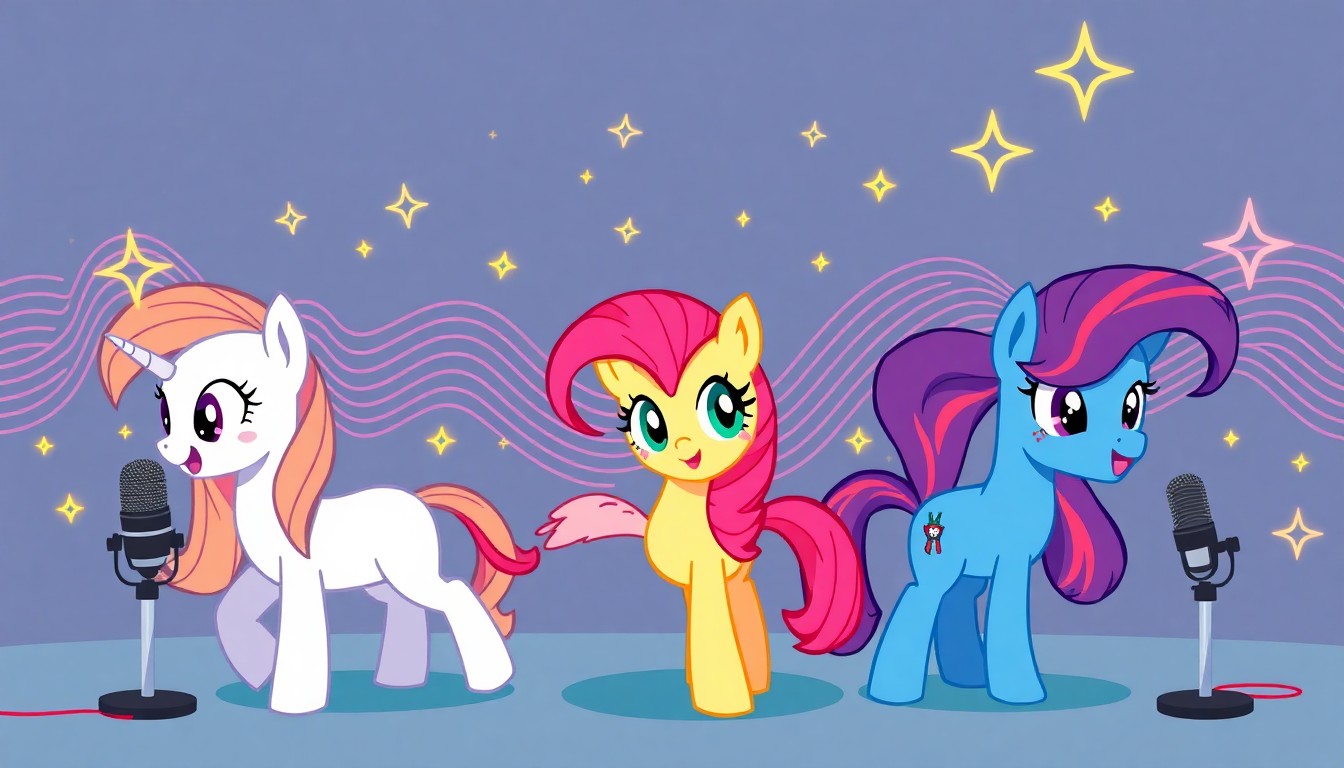
My Little Pony voices carry distinctive personality. Each character speaks with unique cadence, emotion, and style that fans recognize instantly. Creating these voices for fan content, parodies, or creative projects requires tools that capture the show's magical charm.
The demand for MLP AI voice generators has exploded alongside the brony community's creative output. Fans produce animations, audiobooks, game mods, and social media content featuring their favorite ponies. Quality voice generation separates amateur projects from professional-grade fan content that earns millions of views.
This guide covers everything about generating My Little Pony character voices using AI technology. You'll learn which platforms produce the most accurate results, how to write scripts that match each pony's personality, techniques for capturing emotional range, and creative applications for your generated audio. We'll explore the technical aspects of voice generation, compare different tools available, and provide actionable tips for creating content that resonates with the MLP community.
TryAIVoices specializes in cartoon character voices with models trained specifically for animation accuracy. The platform handles the distinctive vocal qualities that make each pony unique, from Twilight's intellectual tone to Pinkie Pie's hyperactive energy.
Why MLP voices work perfectly for AI generation
Cartoon voices follow consistent patterns that AI models learn effectively. Unlike human speech with infinite variation, animated characters maintain recognizable vocal signatures across episodes. This consistency creates ideal training data for voice generation systems.
My Little Pony characters exemplify this principle. Twilight Sparkle always speaks with measured intelligence. Rainbow Dash maintains her confident, slightly raspy delivery. Fluttershy never loses her gentle, shy demeanor. These consistent traits allow AI models to replicate the voices with remarkable accuracy.
The show's voice actresses delivered thousands of lines across multiple seasons. This extensive audio library provides rich training material for AI systems. More training data equals better voice replication. MLP's nine-season run created one of the largest voice datasets in modern animation.
Another advantage comes from the distinct personality each character projects through voice alone. Rarity's dramatic flair differs completely from Applejack's down-to-earth twang. These clear differences help AI models distinguish and recreate each voice accurately. When generating dialogue, the models understand which vocal characteristics define each pony.
The MLP fandom's massive size drives continuous improvement in voice generation technology. Developers prioritize characters with active fan communities. My Little Pony sits at the top of that list. More users generating content means more feedback, which leads to better models and more accurate voice replication over time.
Best MLP AI voice generators compared
Several platforms offer My Little Pony voice generation. Each takes different approaches to accuracy, speed, and character selection. Understanding these differences helps you choose the right tool for your project.
TryAIVoices leads in animation voice accuracy with specific models trained on cartoon vocal patterns. The platform includes multiple MLP characters with emotional range controls. You can adjust settings for happy, sad, angry, or excited delivery. This flexibility matters when creating varied content that needs emotional authenticity.
The generation speed on TryAIVoices averages 5-8 seconds for standard-length inputs. Quality remains consistent across different script lengths. Short phrases sound just as accurate as longer paragraphs. The platform handles dialogue pacing naturally, capturing the rhythm each character uses when speaking.
Other platforms offer MLP voices but typically lack emotional control or character variety. Generic text-to-speech systems might include one or two pony voices as novelty options. These rarely capture the nuanced delivery that makes each character recognizable. You'll hear robotic patterns instead of natural speech flow.
Some community-built tools use older voice cloning technology. These require extensive audio file uploads and manual training. The results vary wildly based on your technical knowledge and source material quality. For creators who need reliable output without technical complexity, platform-based solutions work better.
Audio quality differs significantly across generators. Sample rates, compression levels, and noise reduction all affect the final output. Professional content creation demands clean audio without artifacts or distortion. TryAIVoices outputs at broadcast quality with minimal background noise, making the generated audio ready for immediate use in videos or podcasts.
 Photo by Corey Martin on Unsplash
Generating Twilight Sparkle's voice accurately
Twilight Sparkle speaks with intellectual precision. Her delivery emphasizes clarity and logic. When writing scripts for Twilight's voice, structure sentences with proper grammar and organized thoughts. She rarely uses slang or casual speech patterns.
Her vocal tone sits in a moderate pitch range without extreme highs or lows. The pacing leans slightly slower than average as she considers her words carefully. Generate the most authentic Twilight voice by avoiding rushed delivery or overly casual phrasing.
Key phrases that capture Twilight's character include references to books, friendship lessons, and magical theory. Lines like "According to my research" or "The logical conclusion would be" fit her personality perfectly. The Twilight Sparkle voice generator on TryAIVoices handles these intellectual phrases with appropriate seriousness.
Emotional range for Twilight centers on excitement about learning versus anxiety about failure. When she's happy, her voice lifts with enthusiasm but maintains composure. During stressed moments, her pitch rises slightly with a hint of panic. These emotional variations make generated dialogue feel authentic rather than monotone.
Avoid making Twilight too casual or using contractions excessively. She says "I am" rather than "I'm" in formal situations. This grammatical precision defines her character. Scripts should reflect her educated background and leadership role among the main six ponies.
Creating Rainbow Dash's confident delivery
Rainbow Dash owns the most athletic voice in the mane six. Her delivery bursts with confidence and competitive energy. The vocal tone carries a slight raspy quality that suggests constant action and outdoor activity.
Speed defines Rainbow's speech pattern. She talks faster than other characters, matching her impulsive personality. Words tumble out with enthusiasm rather than careful consideration. When generating her voice, shorter sentences with punchy delivery work best.
Slang and casual language fit Rainbow Dash perfectly. Phrases like "Awesome!" "No way!" and "Totally radical!" sound natural coming from her. The Rainbow Dash AI voice captures this casual confidence when you write scripts that match her personality.
Her emotional range swings from extreme confidence to defensive insecurity. When she's showing off, the voice projects maximum bravado. During vulnerable moments, defensiveness creeps in. These shifts make for dynamic dialogue that showcases character depth.
Contractions and informal grammar match Rainbow's speaking style. She uses "gonna" instead of "going to" and "wanna" instead of "want to" consistently. This casual approach contrasts sharply with Twilight's formal speech, making Rainbow instantly recognizable in generated content.
 Photo by Jonathan Velasquez on Unsplash
Capturing Pinkie Pie's hyperactive energy
Pinkie Pie presents unique challenges for voice generation. Her delivery switches between singing, shouting, and rapid-fire dialogue within single scenes. The voice bounces between pitches with unpredictable energy that mirrors her personality.
Successful Pinkie scripts embrace chaos. Random tangents, excited interruptions, and sudden topic changes all fit her character. The AI model needs input that reflects this scattered energy to generate authentic output. Linear, logical scripts produce flat results that miss Pinkie's essence.
Her vocal pitch reaches the highest range among main characters. The tone sparkles with constant enthusiasm and positivity. Even when delivering bad news, Pinkie maintains upbeat energy. This consistent positivity makes her voice distinct and recognizable.
Generating Pinkie Pie's voice requires attention to exclamation points and emphasis. Mark words that need extra energy in your script. The AI responds to these cues by adding vocal enthusiasm to specific phrases. Without these markers, the output sounds too subdued for Pinkie's character.
Sentence length for Pinkie varies dramatically. Mix very short exclamations with longer run-on sentences that ignore grammar rules. She'll say three words, then launch into a paragraph without pausing for breath. This chaotic pacing defines her vocal signature.
Generating Fluttershy's gentle whisper
Fluttershy speaks with barely contained shyness. Her voice rarely rises above conversation volume. The delivery includes frequent pauses as she gathers courage to continue speaking. This hesitant quality makes her instantly recognizable.
Softness defines every aspect of Fluttershy's voice. The pitch stays gentle without harsh consonants or sharp sounds. When writing scripts, avoid aggressive language or commands. She phrases everything as polite requests or nervous observations.
Her emotional range centers on fear versus compassion. Scared Fluttershy becomes almost inaudible with whispered delivery. Compassionate Fluttershy finds strength when protecting animals or friends. These moments let her voice project with unusual confidence. The Fluttershy AI voice generator handles these transitions when scripts indicate emotional context.
Ellipses work perfectly in Fluttershy scripts. They indicate her frequent pauses and uncertain delivery. Lines like "I think... maybe... if it's okay with you..." capture her hesitant speaking style. The AI interprets these pauses and generates appropriately tentative output.
Avoid making Fluttershy completely silent or overwhelmed. Even in shy moments, she communicates clearly. Her gentleness comes from kindness, not inability to speak. Scripts should show her genuine personality rather than reducing her to nervous stereotypes.
Rarity's dramatic flair and diction
Rarity speaks with theatrical precision. Every word receives proper enunciation with dramatic emphasis. Her vocabulary includes fashion terms, French phrases, and flowery descriptions that showcase her artistic nature.
The vocal tone carries sophistication without being cold. Rarity expresses genuine warmth through elegant delivery. She can shift from gracious compliments to fainting-couch dramatics within seconds. This range makes her voice entertaining and versatile for content creation.
Proper grammar and complex sentence structure match Rarity's character. She uses semicolons in spoken form. Long, descriptive phrases flow naturally from her as she describes fabrics, colors, or social dynamics. The Rarity voice model handles these elaborate constructions when scripts provide appropriate vocabulary.
Her emotional extremes swing from delighted squeals to horrified gasps. Middle ground rarely exists for Rarity. Everything deserves maximum reaction. When generating dialogue, emphasize these dramatic responses. Understatement doesn't fit her personality.
French words and fashion terminology authenticate Rarity's voice. Terms like "magnifique," "darling," and "simply divine" appear frequently in her dialogue. Including these phrases helps the AI model capture her distinctive speaking style and cultural affectations.
 Photo by Eric Krull on Unsplash
Applejack's down-to-earth country accent
Applejack speaks with honest simplicity. Her Southern accent colors every word with rural authenticity. The delivery stays straightforward without pretense or unnecessary decoration. What she says matches what she means.
Country idioms define Applejack's vocabulary. Phrases like "Well, I'll be" and "That dog won't hunt" fit naturally in her dialogue. The Applejack AI voice recognizes these regional expressions and delivers them with appropriate accent strength.
Her vocal tone projects reliability and strength. The pitch sits in a comfortable mid-range that suggests physical capability. Nothing about Applejack's voice sounds delicate or hesitant. She speaks with the confidence of someone who knows her value through hard work.
Contractions and casual grammar match Applejack's working-class background. She says "ain't" without apology and drops g's from "ing" endings. These grammatical choices reflect her character authentically. Scripts should embrace this informal style rather than correcting it.
Emotional honesty drives Applejack's delivery. When she's angry, you hear it clearly. When she's touched, genuine warmth comes through. She never hides feelings behind social niceties. This straightforward emotional expression makes her voice distinct among the more theatrical characters.
Script writing tips for authentic MLP dialogue
Character voice extends beyond vocal tone into word choice and sentence structure. Each pony's personality shapes how they express ideas. Understanding these patterns helps you write scripts that sound authentic when generated.
Start by identifying which character perspective drives your script. Twilight approaches problems analytically. Rainbow Dash jumps to action. Pinkie Pie throws a party. Your dialogue should reflect these different problem-solving styles naturally.
Mix dialogue tags with action descriptions. "Twilight levitated the ancient book" tells the AI to deliver the next line with intellectual curiosity. "Rainbow Dash zoomed past" suggests high-energy delivery. These context clues help the voice generator match tone to situation.
Vary sentence length according to character. Fluttershy uses short, tentative phrases. Rarity constructs elaborate descriptions. Applejack speaks in moderate, straightforward sentences. This variation creates realistic conversation patterns that sound natural when generated.
Include emotional context in your script notes. Mark where characters feel excited, worried, or determined. The AI uses these cues to adjust vocal delivery. Without emotional guidance, output sounds flat regardless of how well you match vocabulary.
Read your script aloud before generating. Does it sound like something the character would actually say? If a line feels wrong in your voice, it'll sound worse when generated. Revision at the script stage saves time and creates better final output.
 Photo by russn_fckr on Unsplash
Using MLP voices for fan animations
Fan animations drive massive engagement in the MLP community. Videos featuring accurate character voices earn hundreds of thousands of views. Quality voice work separates amateur projects from content that rivals official material, much like how Disney AI voices elevate fan animations.
Animation lip-sync requires careful timing of generated audio. Export your voice files from TryAIVoices before animating mouths. Match animation frames to actual audio waveforms rather than estimated speech patterns. This synchronization creates professional results that feel cohesive.
Background music and sound effects balance with voice volume matters. MLP voices shouldn't compete with loud music tracks. Mix your generated dialogue at slightly higher levels than background elements. Clear voice audio from TryAIVoices keeps viewers focused on your story.
Multiple character conversations need distinct voices. Generate each character separately with TryAIVoices then layer the audio tracks. This separation allows individual volume adjustment and clearer dialogue distinction when characters speak simultaneously or interrupt each other. The cartoon voice library makes it easy to generate multiple characters for ensemble scenes.
Export settings affect final quality. Use WAV or high-bitrate MP3 formats for animation projects. Compressed audio develops artifacts when stretched or edited repeatedly. Start with the highest quality source files to maintain clarity through your editing process.
Pacing dialogue for animation differs from live-action timing. Cartoon characters need slightly longer pauses between lines for visual comedy and expression changes. Add half-second gaps between sentences in your audio track. This breathing room lets animated expressions land effectively, similar to techniques used in Spongebob AI voice projects.
Creating MLP audiobook narrations
Audiobook projects require sustained character consistency. Listeners spend hours with your generated voices Any variation in quality or tone breaks immersion and damages the listening experience.
Batch generation helps maintain consistency. Generate all dialogue for one character in a single session using identical settings on TryAIVoices. This approach prevents subtle voice variations that occur when generating over multiple days or sessions with different parameter adjustments.
Chapter breaks provide natural points to verify audio quality. Listen to your generated content before moving to the next chapter. Catching issues early saves hours of regeneration work. Small problems compound quickly in long-form content.
Background ambience adds production value to audiobook projects. Gentle background sounds matching scene locations help listeners visualize the story. Keep these subtle, never louder than -20dB compared to dialogue. The MLP voice generators on TryAIVoices produce clean dialogue that layers well with ambient sound design.
Emotional progression matters more in audiobooks than single scenes. Characters develop through stories. Your generated voices should reflect these changes. Early chapters might use confident settings while later dramatic moments need vulnerable delivery adjustments.
File organization becomes critical in long projects. Name generated audio files clearly with character name, chapter number, and line reference. "Twilight_Ch03_047.mp3" immediately tells you what the file contains. This system prevents confusion when editing hundreds of audio clips.
 Photo by Gabriel Benois on Unsplash
MLP voices for gaming mods and projects
Game modding communities embrace custom voice content. Well-voiced mods earn featured placement and thousands of downloads. Players appreciate creators who invest in quality audio assets that enhance gameplay immersion.
Dialogue trees require generating multiple response options. Each player choice needs unique voiced responses. Plan your script structure before generation to avoid missing critical dialogue branches. The My Little Pony AI voices let you generate extensive dialogue sets efficiently.
In-game voice lines need consistent volume levels. Combat shouts, casual conversations, and emotional moments all require different energy but similar loudness. Normalize your generated audio files to prevent jarring volume jumps during gameplay.
File format compatibility varies by game engine. Research your target platform's audio requirements before generating. Some engines prefer OGG files while others use compressed WAV. Converting after generation risks quality loss. Start with the correct format when possible.
Voice line quantity matters in gaming. Players notice repeated dialogue quickly. Generate diverse lines for common actions. Instead of one "hello" greeting, create five variations. This variety prevents audio fatigue during extended play sessions.
Subtitle synchronization helps players follow dialogue in noisy game environments. Time your subtitle text to match generated audio length. Test timing during actual gameplay rather than just in editing software. Combat sounds and music affect how players perceive voice clarity.
MLP voices for social media content
Short-form content demands immediate recognition. Viewers scrolling TikTok or Instagram need instant character identification within the first second. Opening lines should use each pony's most distinctive speech patterns from the voice library.
Humor content benefits from unexpected character combinations. Twilight discussing memes. Rainbow Dash reacting to sports fails. These contrast scenarios work because the voices remain authentic while the context shifts. The MLP AI voice generator handles modern dialogue topics while maintaining character authenticity.
Trending audio challenges offer viral opportunities. Replace trending human voices with pony characters performing the same audio. This remix approach rides existing virality while adding novelty through character voice swaps, similar to techniques used in viral voice content.
Caption your content even with clear audio. Autoplay settings mute most social media videos initially. Captions deliver your jokes and story even without sound. They also improve accessibility and boost engagement metrics that platforms reward.
Video length affects voice generation strategy. TikTok's 60-second limit means concise scripts. YouTube Shorts allows slightly longer development. Match your generated dialogue length to platform requirements. Don't generate three-minute audio for a 60-second platform limit.
Hook viewers in the first three seconds. Start with the character's most recognizable phrase or vocal quirk. "According to my calculations" immediately signals Twilight. "Awesome!" identifies Rainbow Dash. These instant recognition moments prevent scrolling past your content.
Technical considerations for voice generation
Sample rate affects audio quality significantly. Generate at 44.1kHz minimum for general content. Higher rates like 48kHz or 96kHz suit professional productions that undergo extensive editing and effects processing.
Bit depth determines dynamic range. 16-bit works for most projects. 24-bit provides headroom for heavy processing and volume adjustments. Higher bit depth files consume more storage but preserve quality through complex editing workflows.
Background noise removal improves perceived quality. Even small amounts of static distract listeners. TryAIVoices outputs clean audio with minimal background interference. Additional noise reduction plugins can further polish output if needed for broadcast standards.
Audio normalization prevents volume inconsistencies. Normalize to -1dB to prevent clipping while maximizing loudness. Consistent levels across all generated clips create professional results that don't require constant volume adjustment during playback.
Format selection balances quality and file size. WAV files offer maximum quality without compression. MP3 provides reasonable quality at smaller sizes. OGG works well for web deployment. Choose based on your distribution method and storage constraints.
Metadata tagging organizes large voice libraries. Tag generated files with character name, emotion, and project reference. Proper metadata makes finding specific voice clips simple months after generation when you need to match existing content.
Legal and ethical considerations
Fan content operates in complex legal territory. My Little Pony characters belong to Hasbro. Creating derivative works for personal or non-commercial purposes generally falls under fair use protections. Commercial exploitation faces more restrictions.
Transformative content receives stronger fair use protection. Parody, commentary, and educational content typically qualify. Direct reproductions without added value risk copyright claims. Adding original writing, animation, or comedy strengthens your fair use argument.
Disclosure helps viewers understand content origin. Stating that voices are AI-generated maintains transparency. Some platforms require this disclosure. Even when not mandatory, honesty about your creative process builds audience trust.
Respect voice actors' original performances. AI generation uses their work as training data. Credit the original talent when possible. This recognition acknowledges their contribution to the characters fans love.
Monetization affects legal risk. Patreon support for original fan stories occupies different legal space than selling voice packs. Consult legal resources specific to your jurisdiction and use case. Fan content law varies significantly by country.
Community guidelines matter alongside legal requirements. Many MLP fan spaces have specific rules about AI content. Some allow it freely. Others require special tags or restrict it entirely. Follow community norms to maintain good standing.
Audio editing techniques for generated voices
Equalization shapes voice character after generation. Boost frequencies around 2-4kHz to enhance clarity and presence. Reduce frequencies below 80Hz to eliminate rumble. These adjustments make dialogue cut through music and effects.
Compression evens out volume dynamics. Set a ratio around 3:1 with moderate attack and release times. This processing makes whispered and shouted dialogue equally audible without constant manual volume riding.
Reverb adds environmental context. Dialogue in a library sounds different than conversation in an open field. Apply subtle reverb matching your scene location. Keep it light, under 10% wet mix. Too much reverb makes dialogue muddy and unclear.
De-essing reduces harsh sibilance. Generated voices sometimes emphasize S and T sounds too strongly. A de-esser targeting 6-8kHz tames these frequencies without affecting overall voice quality.
Layering multiple takes creates texture. Generate the same line three times with slight variation. Mix them together at different volumes. This technique adds depth that makes AI voices sound less synthetic and more organic.
Silence trimming tightens pacing. Generated audio often includes dead space before and after speech. Trim these gaps to improve dialogue flow. Leave tiny gaps (50-100ms) rather than cutting to zero. This breathing room sounds more natural.
MLP voice generation for podcasts
Podcast formats suit MLP voice content well. Listeners forgive production imperfections more readily than video audiences. Audio-only content lets you focus on script quality and voice accuracy without animation demands.
Episode structure benefits from clear character introduction. Open each episode stating which ponies feature in that episode. This orientation helps new listeners identify voices quickly and follow conversations.
Music selection sets tone without overwhelming dialogue. The show's soundtrack offers obvious choices but requires licensing consideration. Royalty-free alternatives with similar whimsical energy exist. Keep music 15-20dB lower than voice content for optimal balance.
Guest appearances from multiple characters maintain listener interest. Single-character podcasts grow monotonous. Rotate through different ponies or create panel discussions with three to four voices. The TryAIVoices library makes generating multiple characters straightforward for varied episodes.
Show notes supplement audio content. Include script excerpts, character backgrounds, and generation technique explanations. These notes serve SEO purposes and help search engines understand your content topic.
Consistent release schedules build audience. Pick a weekly or monthly cadence you can maintain. Generating content in batches helps you stay ahead of publishing schedules. Create several episodes before launching to build a buffer against creative blocks.
Writing comedy with MLP voices
Character-based humor leverages personality quirks. Twilight's overthinking creates comedy through unnecessary complication. Pinkie Pie's randomness generates unexpected punchlines. Write to each character's comedic strengths rather than forcing everyone into the same joke style.
Timing matters more in comedy than other genres. Pause length before punchlines affects whether jokes land. When generating comedy scripts, mark pause points explicitly. "Three... two... one... SURPRISE!" needs those pauses to work effectively.
Contrast drives humor. Serious characters in silly situations or silly characters in serious moments both create comedy. Rainbow Dash reviewing classical literature or Twilight attempting casual slang both work because they violate character expectations entertainingly.
Reference humor connects with MLP fans specifically. Inside jokes about show events, fandom memes, and character history reward long-time fans. Balance these references with accessible humor that newcomers understand. Too many inside jokes alienate potential new audience members.
Physical comedy needs audio cues. "Twilight trips over the book stack" creates a visual image through audio description. Follow with appropriate reaction sounds generated in the character's voice.This audio painting helps listeners visualize the comedy.
Callback jokes build throughout longer content. Establish a minor joke early, then reference it repeatedly with variations. This recurring gag structure works well in sketches and podcast episodes. Generate multiple variations of the callback line for different emotional contexts.
Generating antagonist and secondary character voices
Discord's chaotic voice presents unique challenges. His delivery switches styles mid-sentence. Normal generation produces too consistent output. Mix multiple generation attempts with different emotional settings to capture his unpredictable nature.
Luna and Celestia carry royal authority in their voices. The vocal tone projects wisdom and power. Scripts for royal characters need formal language and measured pacing. Avoid casual slang or rushed delivery that undermines their dignified presence.
Secondary characters offer creative opportunities. Background ponies like Derpy, Lyra, and Bon Bon have limited official dialogue. This freedom lets creators define their voices through generated content. Fan characterization fills gaps official material leaves open.
Villain voices require distinctive menace. Queen Chrysalis sounds different than Tirek or Nightmare Moon. Each antagonist's voice reflects their threat type. Study their limited dialogue from the show to understand their unique vocal qualities before generating content.
Supporting characters maintain consistent traits despite less screen time. Spike's voice differs notably from the ponies. Mayor Mare speaks with political diplomacy. These distinctions matter when generating ensemble cast content where multiple characters interact.
Seasonal and holiday themed MLP content
Holiday episodes drive massive view counts. Christmas, Halloween, and Hearth's Warming content performs exceptionally well. Generate themed dialogue matching these special occasions for timely content that catches seasonal traffic, similar to seasonal voice content strategies.
Voice generation for holiday content benefits from thematic vocabulary. Use season-specific terms naturally. Twilight discussing gift-giving logistics or Pinkie planning holiday parties fits character while serving seasonal content needs.
Music integration works particularly well in holiday content. MLP's musical tradition makes song-style dialogue natural. Generate lyrics in character voices for holiday songs. The My Little Pony voice models handle singing dialogue when scripts indicate melodic delivery.
Crossover content combines franchises entertainingly. MLP characters discussing other properties creates novelty. Twilight analyzing Star Wars lore or Rainbow Dash reviewing superhero movies work as fun seasonal content when those properties release new material.
Evergreen seasonal content provides value year-round. Create tutorials using holiday examples that remain relevant. "How to write holiday episodes" using MLP voices as examples serves both fans and aspiring creators beyond single seasonal windows.
Troubleshooting common generation issues
Robotic delivery indicates poor script phrasing. AI models need natural sentence structure to generate flowing speech. Rewrite overly formal or awkward phrasing. Read scripts aloud before generation to catch unnatural construction.
Inconsistent character voice suggests parameter variation. Check your emotional settings remain consistent across related dialogue. Switching from neutral to excited mid-conversation without script justification creates jarring audio.
Audio artifacts appear when input text includes unusual characters or formatting. Clean your scripts of special symbols before generation. Stick to standard punctuation. Exotic characters confuse the AI and create glitches in output.
Volume inconsistency between lines means normalization issues. Process generated audio through a normalizer before final export. This step ensures consistent loudness across all dialogue regardless of generation batch.
Pacing problems stem from poor punctuation. The AI uses punctuation as timing guides. Add commas for brief pauses. Use periods for longer breaks. Ellipses indicate hesitation. Question marks raise pitch at sentence end. Strategic punctuation controls pacing effectively.
Quality degradation in longer generations happens with some systems. Generate lengthy scripts in smaller chunks. Combine them during editing. This approach maintains consistent quality throughout extended content better than single massive generation attempts.
Creative applications beyond traditional content
Educational content works surprisingly well with MLP voices. Math tutorials with Twilight or science explanations with the main six make learning entertaining. Character voices help younger audiences maintain attention during educational material.
Meditation and relaxation content using Fluttershy's gentle voice serves niche audiences. Her calming delivery suits guided meditation scripts. This unexpected application shows voice generation versatility beyond obvious use cases.
Language learning leverages character recognition. ESL students studying English enjoy content featuring recognizable characters. Generate simple conversations at appropriate language levels. Familiar voices make language practice less intimidating.
Accessibility applications help visually impaired fans engage with content. Generate audio descriptions of fan art using character voices commenting on the artwork. This creative approach makes visual content accessible through audio interpretation.
Alarm clock apps and notification sounds using pony voices personalize technology. Wake-up messages from favorite characters start days positively. The TryAIVoices character library lets you generate short notification clips for these personal uses.
Therapy and counseling tools use character voices for child engagement. Mental health professionals report better patient engagement when familiar, safe characters deliver prompts and questions. This application requires careful ethical consideration but shows technology's positive potential.
Building an audience for MLP voice content
Niche communities offer engaged audiences. MLP-specific platforms, forums, and Discord servers contain your target audience. Share content where fans actively seek new material rather than hoping for viral discovery on massive platforms.
Collaboration amplifies reach. Partner with artists, animators, or writers in the MLP community. Your voice generation skills complement their visual or narrative talents. Combined projects reach both audiences.
Consistency matters more than perfection. Regular uploads of good content outperform occasional perfect posts. Establish a schedule and maintain it. Your audience learns when to expect new content and returns accordingly.
Engagement drives algorithmic promotion. Respond to comments meaningfully. Ask questions that prompt discussion. The more engagement your content generates, the more platforms promote it to similar audiences.
Cross-promotion between platforms diversifies your audience. Share TikTok content on YouTube Shorts and vice versa. Different platforms attract different audience segments. Your best fans might prefer one platform over another.
Quality improvement shows audience respect. Early work never matches later output. Continuously refine your generation technique, script writing, and audio editing. Visible improvement demonstrates dedication that audiences appreciate and reward with loyalty.
Advanced techniques for voice customization
Pitch shifting alters character tone subtly. Raising pitch 5-10% can age characters down. Lowering creates maturity. Use this technique sparingly. Excessive pitch manipulation destroys natural voice quality.
Speed adjustment changes energy levels without rewriting scripts. Increase playback speed 5-10% for hyperactive moments. Slow down 5-10% for dramatic emphasis. These modifications work better than regenerating with different emotional settings.
Voice layering creates unique effects. Generate the same line twice with different emotions. Mix them at 70/30 ratios. This blend creates complex emotional delivery that single generations miss.
Filtering simulates specific environments. Phone call conversations need bandpass filtering cutting frequencies below 300Hz and above 3kHz. Radio broadcasts need similar treatment with added light distortion. These effects create situational realism.
Stereo positioning places characters in space. Pan Twilight left and Rainbow Dash right during conversations. This separation helps listeners track who speaks without constant name tags. Use subtly, avoid extreme hard panning.
Automation adds dynamic expression. Automate volume to emphasize specific words. Draw volume curves that highlight emotional peaks. This manual touch adds human-like variation that makes AI voices feel more organic.
Future of MLP AI voice generation
Technology improvements continue rapidly. Each generation of AI models produces more natural voices with better emotional range. Today's impressive results will seem primitive compared to capabilities arriving soon.
Character library expansion follows demand. More secondary and background ponies will receive dedicated models as technology improves and communities grow. Current limitations on available characters will fade.
Real-time generation approaches. Current systems require generation then editing workflows. Future tools will let you speak and hear character voices instantly. This advancement will revolutionize podcasting and streaming content creation.
Emotion control grows more sophisticated. Current emotional settings offer basic adjustments. Upcoming systems will allow precise control over dozens of emotional parameters simultaneously. This granular control will enable nuanced performances.
Integration with animation tools will tighten. Direct voice generation within animation software will eliminate import/export workflows. Automatic lip-sync from generated audio will save countless production hours.
Accessibility improvements will broaden creator demographics. User-friendly interfaces will let less technical creators generate professional results. This democratization will explode the quantity and diversity of MLP fan content.
Frequently asked questions
What makes MLP voices good for AI generation?
My Little Pony voices maintain consistent characteristics across hundreds of episodes. This consistency provides excellent training data for AI models. Each character speaks with distinctive patterns that AI systems learn effectively. The show's long run created extensive voice libraries, and the large fan community drives continuous technology improvements. These factors combine to make MLP voices some of the most accurately replicated in AI generation.
Which MLP character voices are most accurate?
Main six characters receive the most development attention and produce the most accurate results. Twilight Sparkle, Rainbow Dash, and Pinkie Pie typically generate with exceptional accuracy. These characters have the most training data from their extensive screen time. Secondary characters vary in quality based on available training material and model development priorities.
Can I use generated MLP voices commercially?
Commercial use operates in complex legal territory. The characters belong to Hasbro. Non-commercial fan content generally receives fair use protection. Commercial applications require careful legal consideration. Transformative content like parody or commentary has stronger legal standing. Consult legal resources specific to your situation before commercial use. Many creators successfully monetize through platforms like Patreon by supporting original creative work rather than selling character likenesses directly.
How long does voice generation take?
Generation speed depends on platform and text length. TryAIVoices generates most standard-length scripts in 5-8 seconds. Longer paragraphs might take 10-15 seconds. Shorter phrases generate in 3-5 seconds. These speeds make iterative refinement practical. You can test multiple versions of scripts quickly to find the best delivery.
Do MLP AI voices sound robotic?
Modern AI voice generation produces remarkably natural results when using quality platforms and well-written scripts. Poor scripting creates robotic output regardless of technology. Natural sentence structure, appropriate punctuation, and character-matched vocabulary produce flowing dialogue. The MLP voice generators on TryAIVoices handle emotional range that prevents monotone robotic delivery when scripts provide proper emotional context.
What script length works best?
Most platforms handle 2-5 sentences optimally. Very short single-word generation lacks context for natural delivery. Extremely long paragraphs sometimes develop quality inconsistencies toward the end. Generate longer content in multiple batches of 3-4 sentences each. This approach maintains consistent quality throughout extended dialogue while providing flexibility during editing.
Related voices to try
Related guides
My Little Pony AI voices open creative possibilities for fans and content creators. Success depends on choosing quality generation tools, writing scripts that match character personalities, and understanding what resonates with MLP audiences.
Start creating with TryAIVoices today. Generate professional MLP character voiceovers with our library of cartoon voices designed for animation accuracy.