Genshin Impact AI Voice Generator: Character Voices Guide
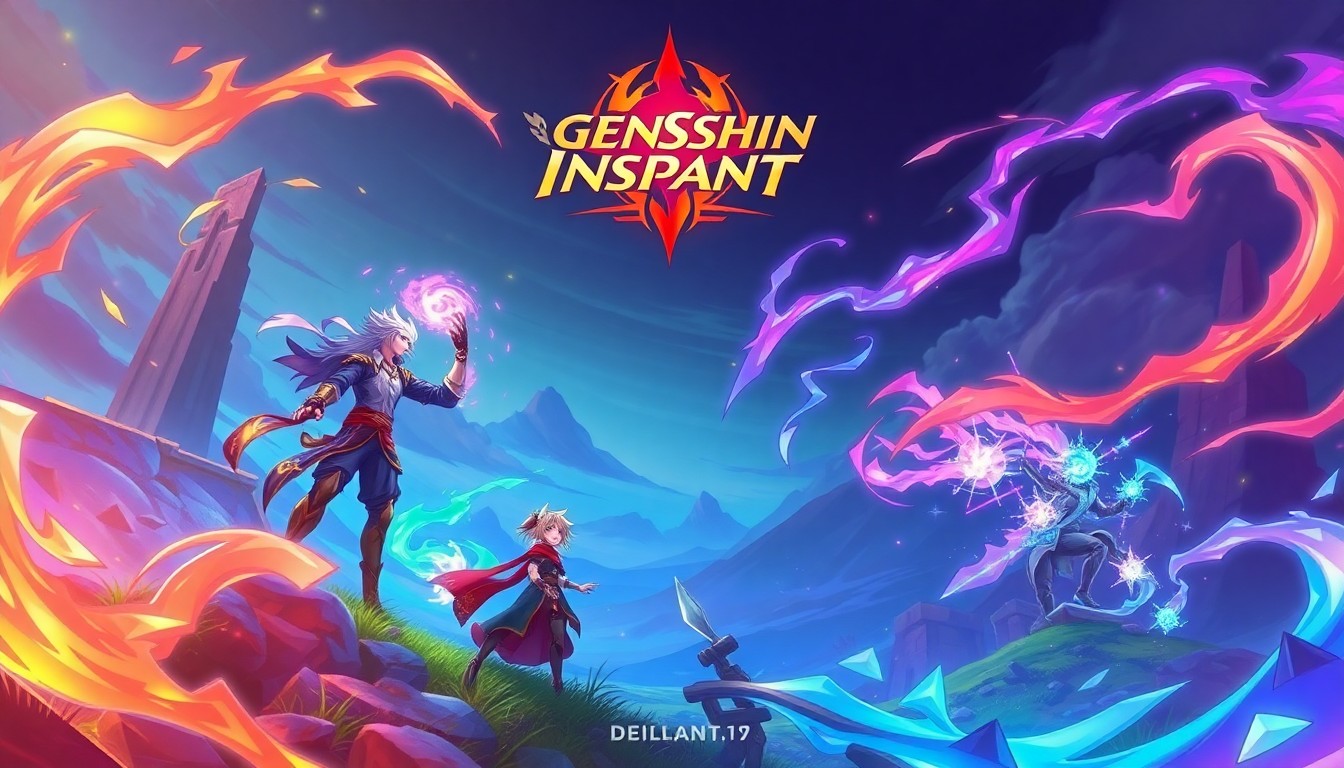
Genshin Impact didn't just build a game. It built a world with voices you can't forget. Every character speaks with personality so specific, so layered, that fans spent thousands of hours absorbing each line of dialogue across dozens of story quests. Hu Tao's playful morbidity. Venti's breezy poet energy. Raiden Shogun's measured, eternal authority. Zhongli's deep, deliberate gravitas. These aren't just voices. They're entire personalities compressed into sound.
That's why Genshin Impact AI voice generation has become one of the most searched topics in the AI voice space. Content creators, fan fiction writers, cosplay communities, and meme makers all want access to these voices. They want to put their favorite characters in new situations, create dialogue that never existed in-game, and build fan content that resonates with the massive Genshin community.
 Photo by Dmitry Demidov on Unsplash
Modern AI voice technology makes this genuinely possible. And this guide walks through everything you need to know about generating Genshin Impact character voices, from choosing the right tools to writing scripts that capture each character's speech patterns, to publishing content that actually lands with the community.
We'll cover which characters work best for AI generation, the specific vocal traits that define each one, how to write scripts that sound authentic, platform comparisons, creative content ideas for different formats, technical tips for better audio quality, and the community and legal considerations every creator should understand. Whether you're building a full fan animation or just want to hear Diluc deliver your grocery list, this guide covers it.
Why Genshin Impact voices are perfect for AI generation
Not every video game character translates well to AI voice generation. Some voices lack enough distinctive character. Some rely too heavily on music and sound design that text-to-speech can't replicate. Genshin Impact is different.
The game commissioned some of the most detailed, personality-driven voice performances in modern gaming. Each character didn't just get a voice. They got a vocal identity. Speech rhythm, vocabulary choices, emotional range, accent characteristics, and cultural inflections were all deliberately crafted to reflect each character's background and personality. This level of intentionality is exactly what makes these voices so learnable for AI systems.
Genshin Impact also has an enormous audio library. The game has released content continuously since launch, with thousands of voiced story lines, character dialogues, idle quotes, and event conversations accumulating over multiple years. This volume of high-quality source material gives AI voice models extensive training data. More data, with consistent voice performance, means better replication.
The game's multilingual nature adds another dimension. Genshin ships with four voice options: Japanese, English, Chinese, and Korean. The English cast includes some of the most recognizable voice talent in the industry. The Japanese cast features legendary anime voice actors. This dual audience of anime fans and Western gamers creates massive demand for AI voice tools.
TryAIVoices provides access to anime and gaming character voices with models trained specifically for animated character voices and their distinctive speech patterns. The platform handles vocal characteristics that make each character unique rather than smoothing them into generic AI output.
The vocal architecture of Teyvat's characters
What separates a good Genshin AI voice from a great one comes down to understanding the vocal architecture behind each character.
Hu Tao speaks with rhythm. Her lines come in cadences, often lyrical, sometimes unsettling. She uses archaic phrasing mixed with modern energy. Her voice actress delivered a performance where every sentence feels slightly off-center in an interesting way. When writing scripts for Hu Tao, lean into her love of death metaphors, her cheeky disregard for social norms, and the almost-musical quality of her speech.
Venti carries lightness in every line. The Archon of Wind speaks like someone who has seen everything and found it mostly entertaining. His cadence is casual but deliberately chosen. He uses humor as deflection and poetry as armor. The voice performance captures this with gentle upward inflections and a sense of someone permanently delighted by the world.
Raiden Shogun stands at the opposite end of the emotional spectrum. She is measured. Deliberate. Every word lands with the weight of eternity behind it. Her sentences are shorter, more declarative. She doesn't meander. When speaking as Ei, a softer quality emerges, but the underlying authority never fully disappears.
Zhongli is the gold standard for deliberate, gravitas-laden voice performance in the game. He speaks at his own pace. He uses ancient, formal language. He references history with the casual familiarity of someone who lived it. Long sentences, carefully constructed, delivered with unhurried confidence.
Diluc channels restrained intensity. He's controlled, serious, not particularly fond of small talk. His sentences are efficient. Short when possible, longer when necessary. The voice performance conveys someone who measures words like a finite resource.
Fischl is an entirely different creative challenge. She speaks in elaborate, theatrical fantasy-speak that deliberately makes no sense to those around her. Writing for Fischl means constructing sentences that sound like they belong in a different genre entirely. Baroque vocabulary, dramatic sentence structures, references to her "kingdom" and her "familiar Oz."
The best Genshin characters for AI voice generation
Some characters work better than others for AI voice generation. The key factors are distinctive vocal characteristics, extensive source material, and clear personality traits that give you guidance when writing scripts.
 Photo by Thomas De Braekeleer on Unsplash
Tier 1: Most distinctive, best results
Hu Tao (5-star Pyro, Funeral Parlor Director) sits at the top of this list. Her voice is one of the most distinctive in the game. Playful, slightly morbid, rhythmically unusual. She's perfect for meme content, creative fan dialogue, and any scenario where you need a character who treats death as a punchline.
Write her scripts with short punchy lines alternating with longer, almost-poetic ones. Use words like "departed," "pass on," "withered," "gloomy," and "merry" in unexpected combinations. Reference her 77th Generation Director title when appropriate. The AI captures her distinctive cadence particularly well when you match the rhythm she uses in-game.
Venti (5-star Anemo, Bard/Archon) translates beautifully to AI generation. His casual, warm delivery combined with his habit of breaking into near-verse creates immediately recognizable output. He's ideal for creative content, poetic monologues, and any scenario that benefits from a character who narrates their own adventures with obvious pleasure.
His scripts work best when you let him ramble slightly. He doesn't speak in tight efficient sentences. He speaks in flowing thoughts that circle back on themselves. Include references to wine, song, freedom, and his homeland Mondstadt. The contrast between his ancient knowledge and his deliberately casual presentation is the heart of the character.
Raiden Shogun/Ei (5-star Electro, Archon) generates some of the most impressive output because the voice performance is so precisely defined. Authority, measure, weight. Her lines land differently than any other character. She's ideal for dramatic content, serious fan fiction, and any scenario that needs a character who speaks with absolute certainty.
Split her scripts between "Raiden Shogun" mode (formal, third-person references to "the Shogun," declarations about Eternity) and "Ei" mode (softer, more reflective, still formal but more personally engaged). The distinction dramatically affects the output quality.
Zhongli (5-star Geo, Consultant/Archon) is the fan community's voice generation darling for good reason. His deep, unhurried delivery and formal vocabulary create instantly recognizable output. He's perfect for historical narrations, serious storytelling, and any content that benefits from weight and authority.
His scripts should move slowly. Don't rush the sentences. Use formal vocabulary and let him reference Liyue's history. Phrases like "In ancient times," "the contract states," "I remember when," and references to Rex Lapis land particularly well.
Fischl (4-star Electro, "Princess Fischl von Lubau Nacht") rewards the most creative scripts. Her elaborate fantasy-speak creates output that sounds completely unlike any other AI voice. She's perfect for parody content, absurdist humor, and situations where you want a character who completely fails to read the room.
Her scripts need the theatrical vocabulary. "Hearken," "thy," "wretched heathen," "Immernachtreich," "my raven familiar Oz." The more you lean into the vocabulary, the better the output.
Tier 2: Strong results with good scripting
Kazuha (5-star Anemo) is a poet at heart. He speaks in imagery and references the natural world constantly. His voice is gentle, contemplative, slightly melancholy. Good for creative atmospheric content.
Ganyu (5-star Cryo) carries half-Qilin heritage in her voice. Formal, hardworking, slightly self-deprecating. Her content works well for wholesome fan pieces and any scenario that needs earnest delivery.
Xiao (5-star Anemo) brings brooding intensity. He's one of the game's edgiest characters, with a voice performance that conveys ancient trauma and a hair-trigger protective instinct. Great for darker, more dramatic content.
Keqing (4-star Electro) delivers practical, direct energy. She's skeptical, hardworking, and speaks with efficient authority. Good for businesslike scenarios and any content that needs confident female authority.
Xiangling (4-star Pyro) is pure enthusiasm and food obsession. Her energetic delivery and constant food references make her excellent for lighthearted content and cooking-adjacent scenarios.
Writing scripts that actually work
The gap between AI voice content that sounds authentic and content that sounds off usually comes down to the script. Character voices don't just sound like a person. They sound like a specific person with specific verbal habits.
Before writing any script, spend time with the character in-game. Listen to their idle voice lines. Pay attention to what they talk about when they're just wandering around. Notice sentence length, vocabulary choices, what topics they return to. This gives you the raw material for authentic scripts.
Keep sentences character-specific. Zhongli would never say "that's pretty cool." He might say "an admirable achievement, worthy of remembrance." Hu Tao would never give a straightforward compliment without a death metaphor. Fischl cannot physically speak like a normal person.
Match the emotional range. Genshin characters show a wider emotional range than most game characters. Venti genuinely gets sad. Raiden genuinely feels the weight of her choices. Scripts that push characters to their emotional edges tend to produce the most compelling AI output.
Use the character's relationships. The game built extensive relationship systems. Zhongli speaking about Liyue hits differently than Zhongli speaking about abstract concepts. Hu Tao mentioning Wangsheng Funeral Parlor carries weight. Characters referencing their canonical relationships and responsibilities feel more real.
Best platforms for Genshin Impact AI voices
The quality gap between platforms is significant. Some tools produce output that sounds vaguely correct. The best tools capture the specific vocal characteristics that make each character recognizable.
 Photo by Marius Masalar on Unsplash
TryAIVoices focuses specifically on entertainment character voices. The platform's anime and gaming voice library includes characters trained on the distinctive vocal characteristics that make each one recognizable. Instead of approximating a character's general sound, the models capture the specific rhythms and qualities that define each voice.
The generation process is straightforward. Select your character, enter your script, and generate. The audio comes back quickly, and the quality difference from generic text-to-speech tools is immediately apparent. The anime voice library covers a wide range of character types and includes adjustment options for better results.
For Genshin specifically, the platform handles the tonal range these characters need. From Venti's lightness to Zhongli's gravity, from Hu Tao's playful rhythm to Raiden Shogun's measured authority, the models capture what makes each character distinct.
What to look for in any platform
Not every platform worth trying will have dedicated Genshin character models. When evaluating alternatives, look for these qualities:
Training specificity matters most. Generic TTS models trained on broad speech data won't capture character-specific vocal personalities. Look for platforms that trained specifically on animation and gaming voice performances, not just general speech synthesis.
Emotion controls make a real difference. Genshin characters span enormous emotional ranges. A platform that lets you adjust emotional tone, intensity, and delivery will produce substantially better results for dramatic scenes versus casual conversations.
Sample quality before committing. Most platforms offer test generation. Use it extensively. Put your actual scripts in, not just sample text. The difference between how a model handles generic sentences versus character-specific dialogue often reveals quality issues that don't show in demos.
Export format flexibility. If you're using these voices in video content, you'll want MP3 or WAV output with high bitrate. Low-quality exports significantly reduce audio quality when layered with music and sound effects.
Creative content ideas for Genshin AI voices
The Genshin community is one of the most creatively active in gaming. AI voice generation opens up content types that would otherwise require either voice acting skill or access to the original cast.
TikTok and short-form content
Short-form content works perfectly for character voice generation. The format rewards punchy, quotable moments over extended narratives.
Reaction content performs well across the Genshin creator space. Put characters in situations they'd never encounter in-game and let their voice lines react. Zhongli discovering modern technology. Hu Tao commenting on other games. Venti's reaction to someone insulting wine. These setups write themselves and consistently perform well.
"If characters said..." content builds directly on the recognizable vocal personalities. Give Raiden Shogun motivational gym advice. Let Fischl explain something simple using her elaborate vocabulary. Have Zhongli comment on the prices at a regular restaurant (a callback to his canonical inability to pay for anything). The community already loves this format in text and fanart form, and voice adds an entirely new dimension.
Meme audio is one of the highest-engagement applications for AI character voices. Established meme formats with Genshin character voices tap into both the meme audience and the game's fanbase simultaneously.
The key is choosing formats the Genshin community already circulates. Memes with community-specific in-jokes (Zhongli making someone else pay, Venti getting drunk on grape juice, Bennett's legendary bad luck) land much better than generic content.
YouTube long-form content
Longer format content requires more investment but builds deeper audience engagement.
Fan dub projects are the most ambitious application. Taking existing fan comics, manga-style fan art sequences, or written fan fiction and adding voice performance takes them from text to audiovisual experience. The Genshin fan art community produces incredible work that would benefit enormously from voice performance.
Alternate story scenarios explore the "what if" questions the community debates constantly. What if Childe had joined the Traveler instead of fighting them? What if Ei had made different choices during the Cataclysm? These scenarios already exist in written form across the community. Adding AI character voices transforms them into something more accessible and shareable.
Character spotlight videos serve an educational function for players who want to understand characters' stories and personalities before pulling on a banner. Narrated character breakdowns with the character's own voice commenting on their story beats create genuinely useful content.
Lore discussion content with character voice contributions adds another layer. Imagine Zhongli narrating a breakdown of Liyue's history in his own voice, or Venti explaining the origins of Mondstadt.
Podcast and audio content
Audio-only content is underexplored in the gaming community despite having established audiences.
Character interview format works surprisingly well. A host asking in-character questions to Genshin characters creates content that's easy to produce and shows well across podcast platforms. The host handles production, the AI voice handles character performance.
Story narrations with character voices for different speakers create immersive audio experiences. Fan fiction read with actual character voices rather than a single narrator voice is a substantially different, more engaging product.
Community and social media
Discord server content is one of the most practical applications. Custom voice lines for server announcements, notification sounds, and welcome messages in character voices add enormous personality to community spaces.
Fan game mods are another application that the creative community regularly explores, though this requires some technical knowledge beyond just voice generation.
How to write effective Genshin character scripts
Good scripts make all the difference. The voice model can only work with what you give it.
Start with the character's core tension. Every memorable Genshin character has one. Hu Tao is endlessly cheerful about death. Venti is an ancient god who acts like a carefree bard. Raiden Shogun is eternally committed to a goal that may have been wrong from the start. Zhongli is ancient wisdom poured into a body that currently can't afford lunch. This core tension is your script's DNA.
Match vocabulary to character origin. Characters from Liyue speak differently than characters from Mondstadt. Characters from Inazuma carry different cultural inflections. This doesn't just mean accents. It means vocabulary, reference points, and what they consider normal.
For Liyue characters (Zhongli, Xiangling, Keqing, Ganyu, Hu Tao, Ningguang, Beidou): References to contracts, jade, mortal realm, adepti, Rex Lapis, the harbor, silk flowers, and Liyue cuisine all ring authentic.
For Mondstadt characters (Venti, Diluc, Fischl, Kaeya, Jean, Barbara): References to freedom, the four winds, Anemo, Mondstadt's founding, Barbatos, wine, Dandelion Wine specifically, and the Knights of Favonius create authentic texture.
For Inazuma characters (Raiden Shogun, Kazuha, Kokomi, Yoimiya, Gorou, Sara): References to Eternity, the Vision Hunt Decree, the Shogunate, sakura, thunder, the Electro Archon, and Inazuma's isolated status carry authenticity.
Control pacing through punctuation. Commas create pause. Ellipses suggest hesitation or trailing thought. Short sentences create rhythm. Periods after single words add emphasis. The AI reads punctuation as pacing cues.
For Zhongli: Use long sentences with commas. He doesn't rush. "The contract, once made in good faith, binds not merely the parties involved, but the very principles upon which Liyue Harbor was built." That rhythm is more authentic than a short declarative sentence.
For Raiden Shogun: Use shorter, more declarative sentences. "The laws of Eternity are absolute. They do not bend to convenience. They do not bend to sentiment. They hold." That's her cadence.
For Hu Tao: Alternate between short punchy lines and longer lyrical ones. "Death comes for everyone. But that's the beautiful part, isn't it? We get to make something of the time before it arrives, and make something memorable of the moment itself."
Audio quality and technical tips
Generating good AI voice is just the first step. What you do with that audio afterward determines the quality of your final content.
 Photo by Namroud Gorguis on Unsplash
Script length and session management
Shorter scripts generate better audio quality than very long ones. This is true across virtually all AI voice platforms. When writing longer content, break it into individual lines or short paragraphs rather than feeding the entire script at once.
For dialogue between multiple characters, generate each character separately. Trying to mix characters in a single generation degrades quality for both. Edit them together in post-production.
Natural pauses between sections improve rhythm. If the platform allows it, add silence indicators or breaks between major shifts in emotional tone. Going from Zhongli's grave narration to Hu Tao's playful interruption without a pause sounds wrong.
Audio editing for Genshin content
Add ambient sound. Genshin has a distinctive sound design. Mondstadt content benefits from wind ambience. Liyue content works with water sounds and traditional instrument ambience. Inazuma content carries thunder and rain undertones. Matching ambient sound to character and location makes the AI voice feel more embedded in the world.
Game music layering is one of the most effective techniques. Genshin's soundtrack is publicly recognized as among the best in gaming. Layering appropriate game music under AI voice performances transforms the production quality. Use lower volume for the music, bring it up during transitions and emotional peaks.
EQ for character authenticity. Different characters have different tonal qualities. Zhongli benefits from slight bass emphasis. Venti benefits from clarity and airiness in the upper midrange. Raiden Shogun benefits from a slight mid boost that adds presence. These are subtle adjustments, but they push the voice toward what you remember from the game.
Noise gate and cleanup. AI voice generation occasionally produces subtle artifacts. A light noise gate removes ambient digital noise between words. This doesn't affect the voice performance but cleans up the overall audio quality significantly.
Platform-specific output settings
When you have options for output quality, always choose the highest available bitrate. 320kbps MP3 or lossless WAV are the targets. Lower quality audio degrades noticeably when you add music, sound effects, and then compress again for YouTube or TikTok.
Stereo versus mono matters for how audio feels. Voice recordings are traditionally mono. Genshin game audio mixes voices in stereo. If you're mimicking the game experience, stereo output or converting mono to stereo in post with slight width processing creates a more game-authentic result.
Content ideas organized by character
Here's a breakdown of specific content ideas matched to specific characters.
Hu Tao content ideas
Hu Tao's morbid cheerfulness is endlessly versatile for content creation. Her voice works in:
Death-related educational content done wrong. Have Hu Tao explain concepts completely unrelated to death with heavy death metaphors. The cognitive dissonance between topic and tone is reliably funny.
Customer service scenarios. Put her in situations where her Funeral Parlor background creates awkward interactions. Ordering food, shopping, explaining herself to authority figures.
Dramatic readings of mundane content. Hu Tao reading ingredient lists. Hu Tao reading terms and conditions. Hu Tao presenting someone's quarterly performance review.
Poetry readings. Her lyrical speech pattern is genuinely poetic. Scripts written as actual poetry or verse showcase this quality.
Zhongli content ideas
Zhongli's gravity and gravitas make him perfect for certain content types that would feel ridiculous with other characters.
Historical narration where Zhongli explains actual historical events is a content niche that consistently performs well. His voice suits serious educational-style content naturally.
The running "mora problem" gag never gets old in the community. Any scenario where Zhongli has to reckon with not having money while projecting enormous authority and historical knowledge is beloved.
Archon lore deep dives. Zhongli narrating his own history is meta in the best way. Use actual game lore as script material and let him comment on it in first person.
Philosophy and wisdom content. The character frequently dispenses genuine wisdom in-game. Extending this to longer-form philosophical content about topics the game never addressed is one of the most creatively interesting applications.
Venti content ideas
Venti's warmth, lightness, and love of storytelling make him naturally suited for audio content.
Musical content that plays with his identity as a bard. Have him comment on modern music. Have him attempt to understand genres that didn't exist in his time. His reaction to different styles of music is an immediate content concept.
Travel content where Venti describes locations he's visited across Teyvat and beyond works naturally. His voice suits atmospheric, descriptive content that paints pictures.
Emotional moments that tap into the genuine sadness underneath his cheerful exterior. The most affecting Venti content usually arrives at the character's actual emotional depth rather than staying in his comic surface.
Raiden Shogun content ideas
Raiden Shogun's measured authority is one of the most versatile voices for serious content.
Motivational content. Her voice is genuinely motivating. Scripts about discipline, commitment, and long-term thinking land differently in her voice than from any other character. The community has created significant content in this vein.
Relationship content. The Ei arc in the Archon quest is one of the game's most emotionally complex storylines. Fan content that explores her relationships, particularly with Makoto and with the concept of Eternity, has a built-in emotional foundation.
Contrast content. Raiden Shogun delivering completely everyday observations in her most formal voice is reliable content. The gap between the authority of the delivery and the mundanity of the subject creates instant humor.
The Genshin fan content community
Understanding the community you're creating for matters as much as the technical quality of your output.
 Photo by Jonny Gios on Unsplash
The Genshin Impact fanbase is enormous, internationally distributed, and highly engaged with creative work. Fan art, fan fiction, fan animation, and fan music all have massive audiences across Twitter, Reddit, YouTube, TikTok, and dedicated platforms like AO3.
Voice content specifically has been underserved compared to visual fan art. The barrier of needing actual voice acting talent created a gap that AI voice generation is now filling. This means you're entering a space with high demand and relatively low current supply of quality content.
What the community responds to
Character accuracy matters enormously. The Genshin fanbase knows these characters in depth. Content that mischaracterizes a character's personality or speech patterns gets called out quickly. Do your research.
Respect for the source material. Even in parody content, the best-received work demonstrates affection for the characters and the game. Content that punches at the game or its community rather than celebrating them performs worse.
Canon acknowledgment. The community appreciates when content engages with actual game lore and events rather than generic fantasy content that happens to use character names.
Emotional resonance. Genshin has one of the most emotionally engaged fanbases in gaming. Content that hits genuine emotional notes, whether comedic or serious, spreads further than content that stays superficial.
Community-specific references that land
Certain recurring themes, jokes, and lore references have become community shorthand. Using them signals that you know the game and builds immediate credibility with the audience.
Zhongli and mora (he's canonically always broke). Venti and grape juice (he gets drunk on it, refuses to admit wine). Kaeya's eye patch and mysterious past. Fischl's completely incomprehensible speech. Bennett's curse (he's canonically unlucky in the most extreme ways). Ei and her centuries of isolation. Diluc's hatred of the Knights of Favonius despite doing vigilante work. The Traveler's inability to speak in dialogue options that actually reflect their personality.
These references don't require explanation in the content. The audience understands them immediately. Using them efficiently communicates your familiarity with the game.
Legal and ethical considerations
AI voice generation using characters from Genshin Impact sits in a creative space that requires some thought.
Fictional characters have different legal standing than real people. Hu Tao, Venti, and Zhongli are fictional characters owned by HoYoverse. Creating fan content featuring these characters falls under the large umbrella of fan creative works that game companies generally tolerate and often tacitly support.
HoYoverse's historical stance on fan content has been permissive relative to many game companies. They regularly feature fan art, engage with the fan creative community, and have not historically pursued legal action against non-commercial fan content creators.
The critical distinctions are between non-commercial fan content (generally acceptable) and commercial use (more complicated). If you're creating content that clearly positions itself as fan work and isn't profiting directly from the characters' likenesses, you're in well-established fan content territory.
Disclosure about AI generation is increasingly becoming a community norm. Labeling AI-generated voice content as such is both ethically sound and, in many cases, a positive disclosure, as the craft involved in creating compelling AI voice content is genuinely respected in creative communities.
Don't use character voices to spread misinformation or harmful content. This applies regardless of legal considerations. Content that puts genuinely harmful speech in beloved characters' mouths damages the community and creates consequences for all creators in the space.
Getting better results over time
Creating compelling AI voice content is a skill that develops with practice. Early output rarely reaches the quality possible with experience.
Keep your best scripts. When a script generates particularly good output, save it and analyze what made it work. The sentence structure, vocabulary choices, and emotional arc that worked well often work well again.
Build a library of reference lines. Collect the most distinctive in-game dialogue for each character you work with regularly. When you're unsure how a character would phrase something, look at how they've phrased similar things in canon.
Iterate on generations. Don't accept the first output as final. Adjust scripts based on what you hear, regenerate, compare. Small changes in punctuation, word choice, and sentence structure produce meaningfully different results.
Listen to feedback from the community. If viewers tell you a character sounds off, they're usually right. They've spent hundreds of hours with these voices. Take that feedback seriously and adjust your scripts accordingly.
Watch what other creators do. The AI voice content space for Genshin is growing. Creators who are producing compelling work are discovering techniques worth learning from. Don't copy, but pay attention to what's working and why.
Platform guide for publishing Genshin AI voice content
Different platforms have different audiences and content norms for Genshin fan content.
YouTube is the destination for longer content. Full fan dubs, extended character explorations, and lore-driven content have established audiences. The algorithm rewards watch time, so longer content that maintains engagement outperforms short clips. Genshin content channels with AI voice components have built audiences in the hundreds of thousands by consistently delivering character-accurate voice content.
TikTok rewards the immediate hook. Genshin content on TikTok needs to establish the character and the premise within two seconds. The best-performing Genshin TikTok voice content tends to be highly recognizable character moments, community in-jokes, or reactions to situations the community has been debating.
Twitter/X is where the Genshin community circulates fan content most actively. Short clips under 60 seconds, images paired with voice clips, and responses to trending discussions are the content types that spread. The community's enthusiasm for sharing favorite content is a genuine distribution advantage.
Reddit (r/Genshin_Impact and character-specific subreddits) rewards quality and community understanding. Highly polished content with strong character accuracy performs well. The community is skeptical of content that feels like it doesn't understand the source material.
Discord community servers are where dedicated fans congregate. Server-specific content, custom voice lines, and content responding to ongoing community discussions create engagement within specific communities.
Combining AI voices with other Genshin fan content
The most compelling applications often combine AI voice with other creative elements.
Fan art with voice creates a new format that neither medium achieves alone. Static fan art with a character delivering dialogue in their own voice transforms the art from visual to audiovisual experience. Animatics (rough animation over voice acting) have been a staple of the fan community and become accessible at much higher volume with AI voice.
Fan fiction with voice narration is underexplored. The Genshin fanfiction community on AO3 and other platforms produces enormous volumes of written work. Converting even portions of popular fan fiction into audio narrated by character AI voices creates new content from existing creative work.
Game clip commentary where characters comment on gameplay is a content format with established precedent. Having Zhongli give historical context while someone explores Liyue. Having Hu Tao provide a running commentary on combat. The personality-driven commentary format works across gaming content.
Reaction content pairs naturally with major game updates. When new story quests release, content featuring character AI voices reacting to new revelations spreads quickly within the community. The fan response cycle to Genshin content is rapid and enthusiastic.
Frequently asked questions
What Genshin Impact characters are available as AI voices?
The anime and gaming voice library includes various Genshin-adjacent character types trained on animated character voices with distinctive personalities. Platforms like TryAIVoices offer character voices from gaming and anime categories that can replicate the vocal archetypes represented by Genshin characters. The most distinctive characters with the clearest vocal identities produce the best results.
Is creating Genshin AI voice content legal?
Creating non-commercial fan content using AI voices of fictional characters like Genshin Impact characters falls into established fan creative territory that game companies generally tolerate. HoYoverse has historically been permissive of fan creative works. For commercial applications, consult legal guidance specific to your situation. Always disclose when content uses AI-generated audio.
How long should Genshin AI voice scripts be?
Shorter scripts generally produce better quality output. For best results, break content into individual lines or short paragraphs. Single voiced lines under 50 words tend to produce the cleanest output. For longer content, generate individual sections and edit them together in post-production rather than trying to generate extended monologues in a single pass.
Which Genshin characters produce the best AI voice output?
Characters with the most distinctive vocal personalities produce the best results. Hu Tao, Venti, Zhongli, Raiden Shogun, and Fischl consistently generate the most recognizable and character-accurate output. Characters with less distinctive vocal personalities or subtler performances present harder challenges for AI replication. The quality of the source material and distinctiveness of the character's vocal identity directly affects output quality.
How do I make AI Genshin voices sound more authentic?
Match your script's vocabulary, pacing, and emotional content to the character's established personality in the game. Use correct cultural references (Liyue vocabulary for Liyue characters, etc.). Control pacing through punctuation. Generate shorter segments and combine them in post. Add appropriate ambient sound and game music underneath the voice. Study the character's in-game dialogue before writing.
Can I use Genshin AI voices for monetized YouTube content?
Fan content creators have operated on YouTube producing Genshin content for years with monetization. The general community norm is that non-commercial or lightly monetized fan creative content is acceptable. Platforms with their own policies about AI-generated content may have specific requirements. Review each platform's creator terms and HoYoverse's fan content guidelines before monetizing.
What's the best way to edit Genshin AI voice audio?
Basic audio editing in tools like Audacity (free) or Adobe Audition (paid) covers most needs. Apply a noise gate to remove digital artifacts between words. Add slight EQ adjustment to match character vocal tone (bass for Zhongli, clarity for Venti). Layer game-appropriate ambient sound underneath. Mix game music at 20-30% volume under voice. Export at the highest quality bitrate your platform supports.
Related voices to try
Related guides
Genshin Impact's vocal world is one of the richest in gaming. The characters you've spent hundreds of hours with are now accessible for your own creative work. The technology that makes this possible has matured to the point where the gap between AI-generated character voices and what you remember from the game is genuinely narrow.
Start creating with TryAIVoices today. Generate authentic character voices from our anime and gaming library and bring your Genshin fan content to life.