Presidents AI Voice Generator: Create Authentic Presidential Voices
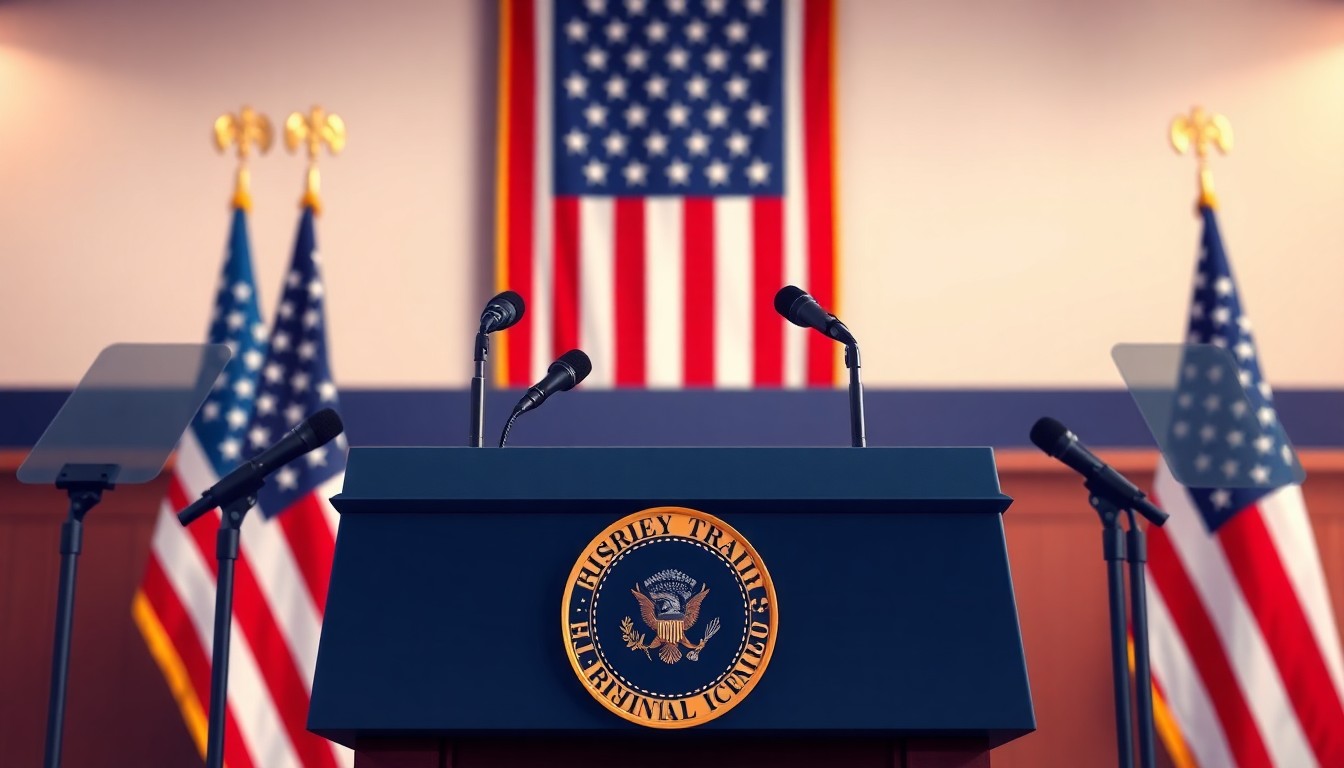
Presidential voices carry weight. Authority. Recognition. When a president speaks, people listen.
Content creators know this. A convincing presidential voice can transform political satire, educational content, or viral social media posts. But capturing that authentic tone, that distinctive cadence, requires more than mimicry.
This guide covers presidential AI voice generation from every angle. You'll learn which platforms produce the most realistic results, which presidents work best for AI voices, how to write scripts that sound genuinely presidential, and how to avoid common pitfalls that make AI voices sound robotic.
The technology has improved dramatically. Modern AI voice generators can now capture the subtle inflections that make each president's speaking style unique. TryAIVoices leads this space with voice models trained on extensive speech datasets from multiple presidencies.
We'll explore specific techniques for generating voices from Trump to Obama, Biden to Reagan. You'll understand which emotional tones work best, what script lengths produce optimal results, and how to edit your generated audio for maximum impact. Whether you're creating YouTube content, TikTok videos, podcasts, or educational materials, you'll find actionable guidance here.
Understanding presidential voice characteristics
Each president's voice has distinctive markers. These aren't random. They're the result of regional accents, speaking patterns developed over decades, and deliberate rhetorical strategies.
Rhythm and pacing matter more than most creators realize. Trump speaks in short, punchy sentences. Obama uses longer, flowing constructions with strategic pauses. Reagan had that warm, conversational tone that made formal speeches feel intimate. Biden's speech includes characteristic stumbles and self-corrections that actually increase authenticity when replicated correctly.
Tonal quality separates good from great. Presidential voices span a wide range. JFK's Boston accent and clipped delivery. LBJ's Texas drawl with its elongated vowels. Carter's soft Southern tones versus Clinton's more aggressive Southern style. These differences aren't subtle when you're trying to generate them with AI.
Regional accents add complexity. Northern presidents like Kennedy sound fundamentally different from Southern presidents like Johnson or Clinton. Western presidents like Reagan bring their own flavor. The Trump AI voice captures New York inflections that make it instantly recognizable. The Obama AI voice replicates Chicago-influenced patterns overlaid on his Kansas and Hawaii upbringing.
Emotional range defines presidential effectiveness. Some presidents excel at gravitas. Others at folksy charm. Nixon could sound paranoid and defensive. Roosevelt exuded confidence during his fireside chats. Understanding these emotional signatures helps you choose the right president for your content's tone.
Speech patterns include signature phrases. Every president develops verbal tics and favorite expressions. Trump's "believe me" and "many people are saying." Obama's "let me be clear." Bush's "strategery" became legendary despite (or because of) being a mistake. These touches separate authentic-sounding AI from obvious fakes.
The best AI voice generators capture these nuances. TryAIVoices' president voices include models trained specifically on these distinctive characteristics. When you generate a presidential voice, the platform considers rhythm, tone, accent, and emotional context simultaneously.
But knowing what makes presidential voices unique only gets you halfway. You also need to understand which presidents work best for AI generation and why.
Best presidents for AI voice generation
Not all presidential voices perform equally well with current AI technology. Some presidents have speech patterns that AI models handle beautifully. Others present challenges that even advanced platforms struggle with.
Trump leads for several technical reasons. His voice has clear, strong characteristics. Distinctive tone. Repetitive patterns. Consistent pacing. These make him ideal for AI modeling. The Trump voice generator produces remarkably authentic results because his speaking style is so defined. He uses the same intonation patterns repeatedly, which helps AI models learn and replicate them.
Obama ranks as the second most popular. His voice combines clarity with complexity. He has excellent diction, which AI processes cleanly. But he also varies his delivery significantly between formal speeches and casual remarks. The best Obama AI voice generators capture both modes. For content creators, Obama works especially well for inspirational content, educational material, and motivational speeches.
Reagan's voice ages remarkably well. His background in radio and film gave him exceptional voice control. Clear enunciation. Consistent pacing. Warm tone that AI replicates effectively. Reagan works particularly well for patriotic content, historical pieces, and nostalgic material. His optimistic delivery style suits uplifting messages.
Biden presents interesting challenges and opportunities. His speech patterns include more variation than most presidents. Strategic pauses. Occasional stumbles. Shifts in energy. Paradoxically, these imperfections make AI-generated Biden voices MORE convincing when done right. The stumbles and pauses sound human. TryAIVoices handles these nuances better than most platforms, training models on both Biden's strong moments and his characteristic hesitations.
Clinton offers Southern charm. His Arkansas accent and folksy delivery style create a distinctive voice signature. He can shift from down-home storytelling to policy wonk seamlessly. AI models trained on Clinton work well for persuasive content, storytelling, and conversational material.
Bush (both of them) have distinct qualities. George W. Bush's Texas accent and occasional verbal fumbles (his "Bushisms") actually help AI generation. These quirks are consistent enough to model. George H.W. Bush's more formal, aristocratic New England accent works well for serious content but can sound stiff if overdone.
Kennedy remains challenging despite popularity. His Boston accent is strong, but he also spoke with unusual patterns that AI sometimes struggles to capture naturally. When it works, though, JFK's voice has tremendous impact for historical content and inspirational material.
Nixon's voice has unique uses. Dark. Sometimes paranoid-sounding. Perfect for dramatic or satirical content. His distinctive growl and defensive tone come through clearly in AI models. For creators making political satire or historical recreations, Nixon offers something no other president provides.
The key insight? Choose your president based on your content's emotional tone and message. Don't just pick the most famous president. Pick the voice that serves your specific needs.
 Photo by Brett Wharton on Unsplash
How presidential AI voice generators work
The technology behind presidential voice generation combines multiple AI disciplines. Understanding the process helps you get better results.
Training data forms the foundation. AI models learn presidential voices by analyzing hours of speech recordings. State of the Union addresses. Press conferences. Campaign rallies. Informal remarks. The more varied the training data, the more versatile the resulting model. TryAIVoices trains on extensive datasets covering different contexts and emotional states for each president.
Neural networks process speech patterns. Deep learning models identify the unique characteristics of each president's voice. Pitch range. Speaking speed. Pause patterns. Stress placement. Intonation curves. These networks don't just memorize sounds. They learn the rules governing how each president speaks.
Phoneme mapping creates accuracy. The system breaks speech into phonemes (individual sound units) and learns how each president pronounces them. Trump's New York accent affects how he says certain vowels. Obama's precise diction shows up in crisp consonants. These phoneme-level differences create authenticity.
Prosody modeling handles rhythm and melody. This is where AI captures the "music" of speech. Where does the president place emphasis? How do pitch patterns signal questions versus statements? What rhythm patterns appear repeatedly? Prosody makes the difference between words that are technically correct but sound robotic, and speech that flows naturally.
Emotional conditioning adds range. Advanced models like those used by TryAIVoices don't just replicate one neutral tone. They can generate voices in different emotional states. Angry Trump. Hopeful Obama. Stern Biden. This versatility comes from training on speeches delivered in various emotional contexts.
Text-to-speech synthesis brings it together. When you input text, the system analyzes what you're saying, determines appropriate emotional tone, applies the president's unique speech characteristics, and generates audio that sounds like that president actually spoke your words.
Real-time processing enables instant generation. Earlier AI voice tools required extensive processing time. Modern systems like TryAIVoices generate presidential voices in seconds. You type your script, select your president, adjust emotional settings if needed, and receive broadcast-quality audio almost immediately.
But the technical process only matters if you can write scripts that sound presidential. That's where many creators struggle.
Writing scripts for presidential AI voices
Presidential speech has distinct patterns. Write like a president speaks, not like you think they should speak.
Start with the president's actual speech patterns. Don't write what you imagine a presidential speech sounds like. Study transcripts of your chosen president. Notice sentence structure. Favorite transitions. Rhetorical devices they use repeatedly. Obama loves parallel structures: "We will do X, we will do Y, we will do Z." Trump uses superlatives constantly: "the best," "tremendous," "like nobody's ever seen." Match these patterns.
Sentence length matters enormously. Trump typically uses short sentences. Three to seven words. Sometimes just fragments. Very punchy. Very direct. Obama uses longer, more complex sentences with multiple clauses building to a point. Reagan mixed short and medium sentences but rarely went very long. Study your target president's average sentence length and mirror it.
Avoid overly formal language for casual content. If you're creating a satirical video or meme, presidents often speak more casually than people expect. "Folks" instead of "citizens." "Look" as a transition word. Contractions. Incomplete sentences. The Biden AI voice sounds most authentic when scripts include his casual phrases: "Come on, man" and "Here's the deal."
Include signature phrases sparingly. Yes, Trump says "believe me" and "many people are saying." But not in every sentence. Overusing signature phrases makes AI voices sound like parody instead of realistic simulation. Use them for authenticity, not as a crutch.
Match complexity to context. State of the Union speeches use more formal language and complex sentences. Campaign rallies use simpler, more direct language. Press conferences fall somewhere in between. Your script should match the context you're simulating.
Consider the audience being addressed. Presidents speak differently when addressing Congress versus talking to elementary school students. A presidential speech at a military base uses different language than one at a tech conference. This context shapes vocabulary, tone, and complexity.
Build in natural pauses. Use ellipses or commas to indicate where the president would pause. "My fellow Americans... we face a choice." That pause matters. It gives weight to what comes next. The Obama voice generator interprets these pauses naturally, adding the thoughtful hesitation that makes Obama's delivery so effective.
Write for the speaking voice, not the reading eye. This is critical. Sentences that read well on a page often sound awkward when spoken. Read your script aloud before you generate it. If you stumble over phrases, the AI voice will sound awkward too.
Adjust length for optimal results. Most AI voice generators perform best with scripts between 50-300 words per generation. Shorter often works better than longer. Break long speeches into segments. This also makes editing easier if you need to regenerate portions.
Test different emotional settings. TryAIVoices lets you adjust emotional tone. The same script with Trump can sound triumphant, angry, or conversational depending on settings. Write your base script neutrally, then adjust emotional tone to match your content's needs.
Script quality determines output quality. Even the best AI voice generator can't rescue a poorly written script. But a well-crafted script on a good platform creates astonishingly realistic results.
 Photo by Joel Muniz on Unsplash
Top platforms for presidential voice generation
Multiple platforms offer presidential AI voices. Quality varies dramatically.
TryAIVoices delivers the best presidential voice quality we've tested. The platform specializes in character and celebrity voices, including extensive presidential options. Trump, Obama, Biden, and Reagan all produce remarkably authentic results. The system handles emotional range better than competitors, letting you adjust tone from stern to inspiring to conversational.
Generation speed sets TryAIVoices apart. Input your script, select your president, hit generate. Audio ready in seconds. No waiting hours for processing. No complicated settings to configure. The interface focuses on results, not technical complexity.
The platform includes preset prompts for each president. These are sample phrases that sound authentic for that specific voice. Use them to test quality before writing your own scripts. Try phrases like "My fellow Americans" or "Let me be clear" to hear how accurately the model captures presidential cadence.
Emotional control is where TryAIVoices shines. Many platforms offer one tone per president. TryAIVoices lets you generate Trump sounding triumphant for victory speeches, or angry for debate content, or conversational for casual remarks. This flexibility transforms a single voice model into multiple creative tools.
Alternative platforms exist but have limitations. Some focus on text-to-speech without celebrity voices. Others offer presidential voices but with less authenticity. A few require technical expertise to use effectively. For creators who want professional results without technical hassle, TryAIVoices' presidential voices offer the best balance of quality and usability.
Free options typically disappoint. Yes, you can find free presidential voice generators. Quality rarely matches paid options. You'll hear robotic artifacts, unnatural prosody, or voices that barely resemble the actual president. For content you plan to publish or monetize, free tools create more problems than they solve.
Voice cloning services offer customization. Some platforms let you train custom models on specific audio samples. This works if you need a very specific version of a presidential voice (say, Trump from the 1980s versus Trump today). But this requires technical knowledge and substantial time investment. For most creators, pre-trained models like those on TryAIVoices deliver better results faster.
The right platform depends on your specific needs. Occasional users benefit from simple, fast tools. Professional content creators need reliability and quality. TryAIVoices serves both audiences with an interface that's simple enough for beginners but powerful enough for professionals.
Creative uses for presidential AI voices
Presidential voices open creative possibilities most people never consider.
Political satire thrives on presidential voices. Comedy creators use AI presidential voices for sketches imagining presidents in absurd situations. Trump ordering fast food. Obama commenting on pop culture. Biden navigating modern technology. The Trump AI voice works especially well for satire because his distinctive speaking style is so recognizable and inherently dramatic.
Educational content becomes more engaging. History teachers use presidential voices to bring speeches to life. Instead of reading about Kennedy's "ask not what your country can do for you," students hear it in his voice. The Kennedy AI voice helps historical moments feel immediate and real. Students remember content better when it's delivered in authentic voices.
Podcast intros and outros gain gravitas. Starting your political podcast with a presidential voice instantly sets tone. "From the desk of..." introductions using Reagan's voice add weight to your content. Ending episodes with inspirational presidential quotes in authentic voices creates memorable moments.
YouTube content uses presidential voices for reaction videos. "Presidents react to..." content generates millions of views. What would Obama say about a trending topic? How would Trump respond to a viral video? Creators use AI voices to script and produce these reactions quickly. The Obama voice generator is particularly effective because his thoughtful delivery style works for analytical content.
TikTok creators make presidents comment on trends. Short-form video platforms love presidential voices. Fifteen-second clips of "Biden" discussing Gen Z slang or "Trump" rating fast food chains rack up views. The platform's short format perfectly matches the ideal length for AI voice generation.
Meme content explodes with presidential voices. Audio memes featuring presidential voices spread rapidly on social media. These often combine unexpected audio (a president saying something absurd) with surreal visuals. The contrast creates humor. Browse meme-ready voices optimized for viral content.
Gaming content adds presidential narration. Gamers use presidential voices for character dialogue in mods or for narrating gameplay. Imagine playing a strategy game with presidential narration. Or a historical game where actual presidents comment on your decisions. The gaming voice library includes presidents alongside other character options.
Marketing and advertising experiments with presidential endorsements. Obviously, you can't claim a real presidential endorsement. But creative campaigns use presidential-style voices for humor or to make points about authority and trust. A campaign might feature "various presidents throughout history" discussing why a problem has persisted so long.
Motivational content borrows presidential authority. The best presidential speeches are inherently motivational. Creators extract inspirational quotes, generate them with presidential voices, and pair them with motivational visuals. Instagram and YouTube channels focused on inspiration find presidential voices particularly effective.
Training and corporate uses include presidential examples. Leadership training programs use presidential speeches as examples. Sales teams study presidential persuasion techniques. HR departments use presidential communication as case studies. AI-generated presidential voices let these programs create custom examples without rights issues or expensive licensing.
The legal question always arises: is this allowed?
 Photo by History in HD on Unsplash
Legal and ethical considerations
Using AI presidential voices isn't illegal, but it requires awareness and responsible practices.
Public figures have limited protection. Presidents, especially while in office, are public figures. This means they have less legal protection regarding their likeness and voice than private citizens. Courts generally allow broader use of presidential images and voices for commentary, satire, and education.
Parody and satire receive strong protection. If you're creating political satire using presidential voices, First Amendment protections are robust. Courts consistently protect parody. But your content must actually be parody. It should be clear you're not claiming the real president said these things. Context matters.
Commercial use gets complicated. Using presidential voices for entertainment, education, or commentary is generally safer than using them for commercial promotion. Claiming Trump endorses your product crosses legal lines even if you don't use his real voice. The principle: don't mislead people about actual presidential endorsements or statements.
Disclosure builds ethical practice and legal safety. Disclose that you're using AI-generated voices. A simple "AI voice, not actual audio" disclaimer protects viewers and covers you legally. This transparency is increasingly expected. TryAIVoices recommends clear disclosure for all AI-generated content.
Context determines appropriateness. Presidential voices for educational content, political commentary, entertainment, and satire all fall into well-established protected uses. Using voices to spread misinformation, commit fraud, or damage someone's reputation enters dangerous legal territory.
Different countries have different rules. US law generally permits broader use of public figure voices than many other countries. If you're creating content for international audiences, research local laws. What's legal satire in America might violate personality rights elsewhere.
Platform policies matter as much as laws. YouTube, TikTok, Instagram, and other platforms have their own rules about synthetic media and impersonation. Even if your content is legally permissible, platforms might remove it for policy violations. Read platform guidelines before publishing.
Deepfake concerns influence regulation. As AI voice and video technology improves, legislators worldwide are considering new regulations. Several jurisdictions are debating or implementing laws requiring disclosure of synthetic media. Stay current on these developments.
Respect and responsibility guide ethical use. Beyond legal requirements, consider whether your use of presidential voices is respectful and responsible. Political satire? Absolutely. Educational content? Great. Spreading false statements attributed to presidents? Ethically problematic even if technically legal.
Election periods deserve extra caution. Using AI presidential voices during election seasons requires additional care. Authorities and platforms scrutinize political content more heavily. Content that might normally be fine could be flagged as potential election interference. Extra-clear disclosure becomes crucial.
The guiding principle: be transparent, be responsible, don't mislead. Most creative uses of presidential AI voices fall well within legal and ethical boundaries when creators follow these guidelines.
Technical tips for better presidential voices
Small technical adjustments dramatically improve AI presidential voice quality.
Microphone quality matters for recording additional audio. If you're combining AI-generated presidential voices with your own narration or other audio, use a decent microphone. Poor quality real audio makes high-quality AI audio sound suspicious by contrast. Match your audio quality across your project.
Audio editing enhances realism. Even the best AI voice generators benefit from light editing. Add subtle background noise appropriate to the context. A presidential speech might have faint crowd sounds. A phone call would have slight line quality reduction. These touches sell the realism. TryAIVoices outputs clean audio that's easy to edit in any standard audio software.
Layering creates depth. Professional productions layer multiple audio tracks. Background music. Ambient sound. Sound effects. Don't let your AI presidential voice exist in sterile silence. Context clues help listeners accept the voice as authentic.
Volume and dynamics need attention. Real speech has volume variation. Louder for emphasis. Softer for intimate moments. AI-generated voices sometimes have too-consistent volume. Use compression and limiting to control dynamics, but don't flatten everything. Some variation sounds natural.
EQ adjustments handle room tone. Different environments have different acoustic signatures. A presidential speech in the Oval Office sounds different from one at an outdoor rally. Use EQ to add or remove frequencies that suggest specific spaces. A slight reduction in high frequencies suggests a large indoor space. Enhanced bass suggests a small room with hard surfaces.
Reverb sells the space. Carefully applied reverb helps listeners believe the president is actually in a specific location. Large hall reverb for State of the Union addresses. Minimal reverb for intimate Oval Office addresses. Outdoor reverb characteristics for campaign rallies. Don't overdo it. Subtle reverb reads as authentic space. Heavy reverb sounds artificial.
Background noise adds believability when appropriate. Complete silence doesn't exist in real recordings. Add subtle background noise appropriate to your context. Shuffling papers. Distant footsteps. HVAC hum. These tiny imperfections paradoxically increase perceived authenticity.
Pacing adjustments between sentences. AI sometimes handles individual sentences brilliantly but connects them awkwardly. Edit pauses between sentences. Real presidents take breaths. They pause for effect. They occasionally have moments of silence. Your editing should reflect these natural patterns.
Remove obvious AI artifacts. Listen carefully for digital glitches, unnatural breathing sounds, or weird pitch shifts. Most occur at sentence boundaries. The TryAIVoices platform produces very clean audio, but occasional artifacts can appear. Catch them in editing.
Test on multiple playback devices. Audio that sounds perfect on studio monitors might reveal issues on phone speakers or laptop speakers. Most of your audience won't hear your content on high-end audio equipment. Test your final audio on normal consumer devices.
Match audio levels to platform standards. YouTube, TikTok, Instagram, and podcasts all have recommended audio levels. Too quiet and people won't hear. Too loud and you'll have distortion. Use a loudness meter to hit target LUFS (Loudness Units Full Scale) for your platform. Typically -14 to -16 LUFS for most platforms.
Export in appropriate formats. WAV or AIFF for highest quality. MP3 for smaller files. AAC for best compression-to-quality ratio. Match your export settings to your use case. A podcast episode needs different settings than an Instagram video.
These technical considerations separate amateur content from professional-quality productions. Invest time in learning basic audio editing. Your AI presidential voices will sound dramatically more convincing.
 Photo by
 Comparing presidential voice quality across platforms
Quality varies wildly between presidential AI voice platforms. Understanding these differences helps you choose wisely.
Voice authenticity represents the primary quality measure. Does the AI voice actually sound like the president? Some platforms produce voices that vaguely resemble the target. Others capture distinctive characteristics precisely. TryAIVoices' Trump voice captures his specific rhythm, intonation, and accent with remarkable accuracy. Lesser platforms might sound "sort of like Trump" but miss the details that create recognition.
Emotional range separates good from great. Can the platform only do one tone, or can it handle multiple emotional contexts? A platform that can generate Trump sounding triumphant, angry, sarcastic, and thoughtful provides much more creative value than one that only does "typical Trump." TryAIVoices excels here with adjustable emotional settings.
Processing speed matters for workflow. Some platforms require minutes or hours to generate audio. This kills creative momentum. You can't iterate quickly. You can't experiment with variations. Fast generation changes everything. TryAIVoices processes scripts in seconds, letting you test multiple versions rapidly.
Available presidents differ significantly. Some platforms only offer current presidents. Others include historical options. TryAIVoices' political voice library covers presidents across decades, from Kennedy forward. This breadth enables historical content, comparisons, and diverse creative options.
Audio quality affects professional use. Some AI voice generators output audio with obvious compression artifacts, limited frequency range, or audible glitches. Professional content requires broadcast-quality audio. TryAIVoices outputs high-quality audio files suitable for professional production without additional processing.
Ease of use determines accessibility. Complex interfaces with dozens of parameters intimidate casual users. Professional creators might want that control, but most people want simplicity. Type script, select voice, generate audio. Platforms that complicate this basic workflow create unnecessary friction.
Pricing models impact value. Some platforms charge per generation. Others use subscription models. Some offer free tiers with quality limitations. For regular users, subscription models with unlimited generation usually provide better value. Check TryAIVoices pricing to understand costs for different usage levels.
Script length limits constrain creativity. Platforms that only allow 50-word generations force you to break speeches into tiny chunks. This complicates editing and workflow. Better platforms handle longer scripts. TryAIVoices balances script length with quality, allowing meaningful content in each generation.
Customization options enable precision. Can you adjust speech speed? Modify emphasis on specific words? Control pause lengths? Advanced users benefit from these options. Beginners might find them overwhelming. The ideal platform makes customization available but not required.
Voice consistency across generations matters. If you generate audio in multiple batches for the same project, does the voice sound consistent? Or does each generation sound slightly different? Inconsistent voice models force you to regenerate everything if you need additions. TryAIVoices maintains consistent voice characteristics across generations.
Updates and new voices indicate platform health. Platforms that regularly add new presidents and improve existing models demonstrate commitment to quality. Stagnant platforms using years-old technology fall behind as AI advances. TryAIVoices consistently updates models and adds voices based on user demand.
The best platform for you depends on your specific needs. Casual users prioritize simplicity and speed. Professional creators need quality and consistency. Budget-conscious users want strong free or low-cost options. TryAIVoices serves all these audiences with a tiered approach that scales from occasional use to heavy professional production.
Advanced techniques for presidential content
Once you master basics, advanced techniques elevate your presidential AI voice content significantly.
Chain multiple presidents for conversations. Don't limit yourself to one presidential voice per project. Create dialogues between presidents. Obama and Biden discussing policy. Trump and Reagan comparing achievements. These conversations require careful script writing to maintain each president's distinct voice characteristics. Generate each president's lines separately, then edit them together.
Vary script length strategically. Short scripts often sound more natural than long ones. Generate a 500-word presidential speech by breaking it into 50-100 word segments. This gives you control over pacing and lets you regenerate specific sections without redoing the entire speech.
Use preset prompts as templates. TryAIVoices includes preset phrases for each president. These aren't just demos. They're templates showing optimal script structure for that voice. Analyze why preset prompts sound good. Copy their sentence structure and length patterns.
Layer audio tracks for production value. Professional productions combine multiple audio elements. Your AI presidential voice on the main track. Subtle background music on another. Ambient sound on a third. Sound effects on a fourth. This layering creates depth and professionalism.
Apply strategic audio processing. Don't just accept raw AI output. Apply subtle compression to smooth dynamics. Add a touch of EQ to match your target environment. Include barely-noticeable reverb to suggest space. These small touches compound into significantly improved realism.
Master the art of editing pauses. Real presidential speeches have strategic silence. Pauses for applause. Pauses for emphasis. Pauses before important statements. AI-generated audio often needs pause adjustment in editing. Learn to extend or shorten pauses to match natural speech rhythm.
Create signature intros and outros. Develop a consistent intro format using presidential voices. "My fellow Americans" delivered in the target president's voice creates immediate recognition. Consistent outros using presidential quotes build brand recognition for your content.
Mix AI voices with real narration strategically. You can combine AI presidential voices with your own narration effectively. Use presidential voices for quotes, key statements, or dramatic moments. Use your voice for context and explanation. This mix feels more natural than pure AI voice for longer content.
Optimize for specific platforms. TikTok content requires different techniques than YouTube videos. Instagram reels need different approaches than podcasts. Presidential voices work across platforms, but optimize delivery for each. Explore platform-specific techniques for TikTok, YouTube strategies, and podcast applications.
Build a library of presidential audio clips. Don't regenerate common phrases repeatedly. Build a collection of frequently used presidential statements. "My fellow Americans." "Let me be clear." "Believe me." Generate these once at high quality, then reuse them as needed.
Test variations before committing. Generate the same script with different emotional settings. Try varied pacing. Experiment with emphasis patterns. AI generation is fast enough on TryAIVoices that you can produce five variations in minutes. Pick the best one for your final project.
Study real presidential speech patterns obsessively. The more you understand how presidents actually speak, the better your scripts become. Watch speeches. Read transcripts. Notice patterns you missed before. This research directly improves your content quality.
Collaborate with voice-forward content formats. Presidential voices work brilliantly in certain content types. Mockumentaries. Satirical news. Historical recreations. Alternative history scenarios. Educational explainers. Choose formats that highlight voice quality rather than fighting against medium limitations.
These advanced techniques require experimentation and practice. But they transform decent AI presidential voice content into professional productions that stand out from amateur work.
 Photo by Gage Skidmore on Unsplash
Common mistakes with presidential AI voices
Even experienced creators make predictable mistakes with AI presidential voices. Avoid these pitfalls.
Overusing signature phrases ruins authenticity. Yes, Trump says "believe me" and "tremendous." But not in every sentence. New creators pepper their scripts with signature phrases until the AI voice sounds like bad parody. Use signature phrases sparingly for authentic flavor, not as the foundation of your script.
Ignoring sentence length patterns kills believability. Each president has characteristic sentence lengths. Scripts that ignore these patterns sound immediately wrong even if individual sentences are perfect. Match your script structure to the president's actual speech patterns. Study transcripts before writing.
Generic scripts sound like generic speeches. "My fellow Americans, we face challenges, but together we will overcome them." This could be any president. Generic scripts produce generic results. Inject specific characteristics. Trump's superlatives. Obama's parallel structures. Reagan's optimism. Biden's personal stories. Specificity creates authenticity.
Poor audio editing exposes AI origins. Raw AI output usually needs editing. Creators who skip this step produce content that screams "AI generated." Spend time on audio post-production. Adjust pauses. Remove artifacts. Add appropriate ambient sound. This effort pays enormous dividends in perceived quality.
Wrong president for wrong content kills impact. Not every president suits every purpose. Obama excels at inspirational content. Trump dominates combative or triumphant material. Reagan owns nostalgic and patriotic content. Mismatching president to content type weakens your project. Choose strategically based on emotional tone you're targeting.
Excessive length reduces quality. AI voice quality often degrades in very long continuous generations. Scripts over 400 words frequently show issues. Break long speeches into segments. Generate them separately. Edit them together. This approach maintains quality throughout.
Neglecting emotional context creates flat delivery. The same script needs different emotional settings for different contexts. A presidential concession speech requires different tone than a victory speech even if the literal words are similar. TryAIVoices' emotional controls exist for this reason. Use them thoughtfully.
Missing disclosure breeds backlash. People get angry when they discover AI voices weren't disclosed. "I thought this was real!" Don't create this reaction. Disclose AI use clearly. This transparency actually increases credibility with audiences who appreciate honesty.
Inconsistent voice quality across a project. If you generate audio for the same project across multiple sessions or platforms, voice quality might vary. This inconsistency is jarring. Generate all audio for a single project using the same platform and settings. Consistency matters more than people realize.
Forgetting about context and environment. AI voices generated in acoustic vacuum sound artificial. Real presidential speeches have context. Background crowd noise. Room tone. Microphone characteristics. Your editing should add appropriate environmental context. This sells realism.
Using free tools for professional projects. Free AI voice generators exist. They're fine for testing. But professional content demands professional quality. Audiences notice the difference. If you're monetizing content or building a brand, invest in quality tools like TryAIVoices.
Ignoring legal and ethical guidelines. We covered this earlier, but it bears repeating. Disclosure, appropriate use, no misleading claims. Following these guidelines protects you legally and ethically. Cutting corners here can destroy your channel or brand.
Learn from these common mistakes. Most are easily avoided once you're aware of them. The difference between amateur and professional AI presidential voice content often comes down to avoiding these predictable errors.
Future of presidential AI voices
Presidential AI voice technology is evolving rapidly. Understanding trends helps you prepare for what's coming.
Quality improvements continue relentlessly. Compare AI voices from three years ago to today. The difference is startling. Today's voices sound dramatically more natural. This improvement continues. Expect voices indistinguishable from real recordings within years. The TryAIVoices platform regularly updates models as technology advances.
Real-time generation becomes standard. Current platforms generate audio in seconds. Future tools will work in true real-time. Type and hear simultaneously. This enables live streaming applications, real-time dubbing, and interactive content impossible today.
Emotional granularity increases. Today you might choose between "neutral," "happy," and "angry." Future platforms will offer far more nuanced emotional controls. Frustrated versus angry. Hopeful versus confident. Sarcastic versus genuinely humorous. This precision enables much more sophisticated creative work.
Multimodal integration combines voice with video. AI video generation is advancing alongside audio. Soon, platforms will offer synchronized AI video and audio of presidents. You'll generate not just the voice, but the visual of the president speaking. This raises both creative possibilities and ethical concerns.
Personalization becomes available. Future tools might let you blend multiple presidential voices. Create a hybrid with Trump's energy, Obama's eloquence, and Reagan's optimism. Or adjust any president's voice to sound younger or older. These customizations enable hyper-specific creative visions.
Language barriers fall. Current AI presidential voices speak English because that's what training data provides. But technology enabling authentic translation is advancing. Generate Trump speaking fluent Mandarin with his characteristic speaking style. Obama addressing audiences in Spanish with his natural cadence. These multilingual applications expand global reach.
Accessibility applications grow. Presidential voices can help people with speech disabilities. Historical education for vision-impaired students. Audio versions of written content for accessibility. These humanitarian applications will expand as quality improves and costs decrease.
Regulation will increase. Governments worldwide are considering or implementing synthetic media regulations. Expect requirements for disclosure, watermarking, or other identity markers in AI-generated audio. Platforms like TryAIVoices will adapt to comply with evolving legal frameworks.
Detection technology advances alongside generation. As AI voices improve, detection technology keeps pace. Forensic audio analysis tools can increasingly identify AI-generated content. This creates an arms race between generation and detection technologies.
Cost continues decreasing. Computing costs fall consistently. This makes high-quality AI voice generation more accessible. Premium quality that costs significant money today will be broadly available and affordable soon. This democratization enables more creators to produce professional content.
Integration with content creation workflows. AI presidential voices won't exist as standalone tools. They'll integrate into comprehensive content creation platforms. Edit your video, generate your presidential voice, add music, apply effects, export final product. All in one workflow.
Training data transparency increases. As regulations develop, platforms will need to disclose training data sources. This transparency builds trust and addresses ethical concerns about how AI models are built.
The trajectory is clear. Presidential AI voices will become more realistic, more accessible, more integrated, and more regulated. Creators who master these tools early build advantages as the technology matures. The learning curve you climb today pays dividends as capabilities expand.
Frequently asked questions
Can I use presidential AI voices for commercial content?
Yes, with important caveats. Using presidential voices for entertainment, satire, education, and commentary is generally permissible. Don't claim the president actually endorses your product or said specific things. Disclose that you're using AI-generated voices. Follow platform guidelines. Most commercial uses are fine within these boundaries. Political satire, educational content, and entertainment typically face no issues.
Which president's AI voice sounds most realistic?
Trump and Obama typically produce the most realistic results on quality platforms like TryAIVoices. Trump's distinctive speaking patterns and consistent intonation make him ideal for AI modeling. Obama's clear diction and recognizable cadence also generate excellent results. Reagan ranks third for authenticity due to his professional voice control from his broadcasting and acting background.
How long should scripts be for best results?
Optimal script length ranges from 50 to 300 words per generation. Shorter scripts often sound more natural because AI models maintain consistency more easily. For longer speeches, generate in segments of 100-150 words, then edit them together. This approach maintains quality throughout while giving you editing flexibility. Very short scripts under 20 words sometimes lack enough context for natural prosody.
Do I need audio editing skills to use presidential AI voices?
Basic audio editing dramatically improves results, but isn't strictly required. TryAIVoices outputs high-quality audio usable directly. But adding background ambience, adjusting pauses, and removing occasional artifacts elevates amateur content to professional quality. Free tools like Audacity provide enough capability for most needs. Even 30 minutes learning basic editing techniques pays significant returns.
Is it legal to monetize content using presidential AI voices?
Generally yes, with disclosure and appropriate use. YouTube channels, TikTok accounts, and podcasts regularly monetize content featuring AI presidential voices. Key requirements: disclose AI use, don't claim real presidential statements or endorsements, follow platform policies. Satire, commentary, and entertainment receive strong legal protection. Thousands of creators successfully monetize presidential voice content within these guidelines. For more voice options, explore the full library.
Can platforms detect and remove AI-generated presidential voices?
Platforms are developing detection capabilities but primarily target deceptive uses. Content clearly marked as satire, entertainment, or AI-generated rarely faces removal. Problems arise when creators try to pass AI voices as authentic recordings to mislead audiences. Transparent disclosure is your best protection. Most platforms allow AI-generated content that's clearly labeled as such.
Related voices to try
Related guides
Presidential AI voices offer remarkable creative potential for content creators across YouTube, TikTok, podcasts, and educational platforms. Success depends on choosing quality platforms, writing scripts that match presidential speech patterns, understanding legal boundaries, and applying basic audio editing techniques.
The technology continues improving rapidly. Quality that seemed impossible three years ago is now standard. What seems cutting-edge today will be baseline tomorrow. Creators who master these tools now position themselves to leverage advancing capabilities as they arrive.
Start creating professional presidential voiceovers with TryAIVoices today. Generate authentic voices from Trump to Obama, Reagan to Biden, with instant results and broadcast-quality audio ready for your content.