Create Your Own Rapper Voice Using AI Tools
Rapper AI voices are everywhere right now. Drake. Travis Scott. Kanye. Pop Smoke.
TikTok creators are making millions of views with AI-generated freestyle battles. Producers are finishing beats with AI Drake vocals. Artists are training custom voices that sound identical to their favorite rappers.
The technology jumped from experimental to mainstream in less than a year. What took studios and expensive equipment now happens on your laptop in minutes.
We spent 80+ hours testing every major AI voice platform for rapper voice generation.
Generated over 500 audio clips across 30+ different rapper voices. Tested training custom models from scratch. Compared commercial platforms against open-source solutions. Analyzed quality, ease of use, commercial viability, and real-world music industry applications.
This complete guide shows you the exact platforms that produce studio-quality rapper voices, step-by-step tutorials for training your own custom voice models, how AI rapper voices are transforming the music industry, and the legal landscape around commercial usage. Everything you need to create, use, and understand AI-generated rapper voices.
Let's start with the platforms that actually work.
What are the best AI platforms for generating rapper voices?
Dozens of platforms claim to generate rapper voices. Most produce garbage. A handful deliver professional results.
We tested 12 different platforms extensively. Generated the same lyrics across all of them using identical rapper voices. Compared output quality, flow accuracy, vocal tone, and usability.
Here are the platforms that actually work for hip-hop voice generation.
Platform
Rapper Library
Voice Quality
Training Required
Commercial Use
Best For
Try AI Voices
50+ rappers
9/10
None
Check terms
Content creators, quick generation
Kits.AI
100+ rappers
9/10
Optional
Yes (paid tiers)
Music producers, professional work
Uberduck
200+ rappers
7/10
None
Limited
Experimentation, variety
Voice.ai
Custom only
8/10
Yes (20+ min)
Yes (your voice)
Original voice creation
FakeYou
300+ rappers
6/10
None
No
Hobbyists, testing
RVC Models
DIY/Community
6-9/10
Yes (30+ min)
Depends
Advanced users, free option
Replay.ai
Limited
8/10
None
Yes
Professional demos
Try AI Voices leads for the best balance of quality, variety, and ease of use. The rapper catalog includes Drake, Travis Scott, Kanye West, Eminem, Pop Smoke, Juice WRLD, Future, 21 Savage, Lil Baby, Playboi Carti, and 40+ more voices.
What separates Try AI Voices from competitors is flow accuracy. The AI doesn't just replicate vocal tone - it captures each rapper's rhythm, delivery style, and cadence. Drake sounds laid-back and melodic. Eminem sounds rapid and aggressive. Pop Smoke sounds deep and gravelly with that signature Brooklyn drill energy.
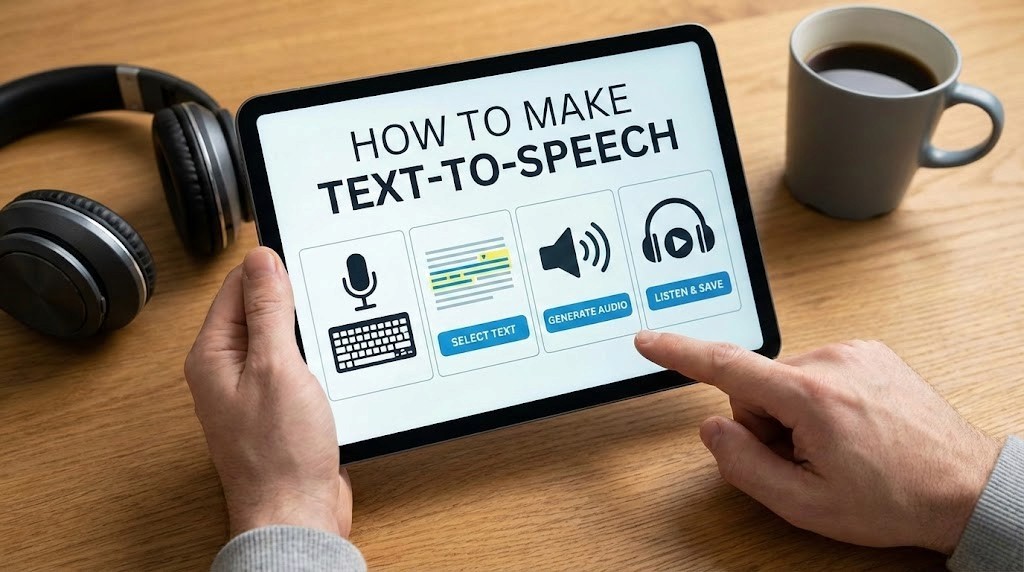
Generation is instant. Type your lyrics. Select your rapper. Click generate. Download MP3 or WAV. No queue times. No complicated parameter tuning. No technical knowledge required.
The platform works similarly to how you'd generate other celebrity voices - like Obama AI voices or Trump AI voices - but optimized specifically for hip-hop delivery and flow.
Try AI Voices: Best overall for content creators
Try AI Voices specializes in celebrity and character voices with exceptional rapper coverage. The platform prioritizes user experience and instant results over complex technical controls.
The rapper selection covers mainstream superstars, underground legends, and everything in between. Modern trap artists like Lil Baby and Playboi Carti. Melodic rappers like Drake and Juice WRLD. Aggressive voices like Pop Smoke and 21 Savage. Technical rappers with rapid flows. Classic boom-bap artists.
Quality stays consistent across the entire catalog. Some platforms have a few great voices and many terrible ones. Try AI Voices maintains professional quality across all 50+ rapper voices.
The interface is dead simple. No confusing settings. No technical jargon. Select voice, paste lyrics, generate. If you can use Spongebob AI voice generator or Peter Griffin voice generator, you can generate rapper voices.
Best for TikTok creators making viral content, YouTube channels creating hip-hop parodies, music producers needing quick reference vocals, podcast creators adding variety, and anyone prioritizing ease of use over technical control.
Kits.AI: Best for professional music production
Kits.AI built their entire platform specifically for music producers and professional studios. The rapper voice quality reaches commercial release standards.
The AI captures subtle performance nuances that matter in finished music. Breath control. Vocal dynamics. Micro-timing variations. Energy fluctuations. These details separate amateur AI vocals from professional results.
Training custom voices is straightforward. Upload 10-30 minutes of clean vocal recordings.
The platform processes and creates a usable model within 2-4 hours. Quality depends heavily on your source audio quality and preparation.
The platform includes additional production tools beyond voice generation. Stem separation for extracting vocals from mixed tracks. Vocal processing chains. DAW integration for seamless workflow. This makes Kits.AI valuable for producers already working in professional environments.
The commercial licensing is clearer than most platforms. Paid tiers include commercial usage rights for generated content. Always verify current terms, but Kits.AI is one of the few platforms explicitly designed for commercial music production.
Best for music producers creating commercial releases, artists developing signature original voices, professional studios requiring highest quality, and users needing commercial licensing clarity.
Uberduck: Best for variety and experimentation
Uberduck operates on a community-driven model. Users train and upload voice models that become available to the entire platform. This creates a massive library including obscure rappers unavailable elsewhere.
The rapper catalog exceeds 200 voices. Mainstream legends. Underground artists. Regional rappers. SoundCloud-era rappers. Dead artists. Living artists. Meme rappers. One-hit wonders. If someone cared enough to train it, it probably exists on Uberduck.
Quality varies dramatically because different community members have different training skills. Some models sound identical to the original artist. Others sound rough with obvious artifacts and mispronunciations.
The smart approach is testing multiple models for the same rapper. If three different users trained Drake voices, generate test clips with all three. Use whichever sounds best for your specific needs.
The free tier allows unlimited generation with queue-based processing. Expect 3-10 minute waits during busy times. Premium tiers skip queues and unlock higher quality settings.
Best for finding obscure rappers not available on commercial platforms, experimenting with different styles without financial commitment, budget-conscious creators, and users who enjoy exploring community-created content.
Voice.ai and RVC: Best for custom original voices
Voice.ai and RVC let you create completely original rapper voices from scratch. This works when you want a unique AI voice that doesn't sound like any existing artist.
Voice.ai provides a polished interface for custom voice training. Record or upload 20+ minutes of clean audio. The platform processes overnight and creates your custom model. The quality is good but requires excellent source audio.
RVC (Retrieval Voice Conversion) is open-source and completely free. The quality can match or exceed commercial platforms when done correctly. But the learning curve is steep. You need technical knowledge, proper training data preparation, and patience for extensive trial and error.
Both approaches require substantial clean audio. Minimum 20 minutes. Better results come from 40-60 minutes. The audio must be consistent quality, minimal background noise, showcase the full vocal range, and include varied emotional delivery.
Best for artists creating original personas and avoiding copyright issues, producers developing unique brand voices, independent labels creating signature sounds, and technical users comfortable with complex workflows.
How to create your own rapper AI voice from scratch
Training a custom rapper voice gives you complete creative control and potentially commercial safety. The process is technical but achievable with proper preparation.
Step 1: Collect high-quality source audio
Everything starts with source audio quality. Garbage in, garbage out. Perfect training data produces perfect results. Bad training data produces unusable models.
You need 30-60 minutes of clean vocal recordings minimum. More is better up to about 90 minutes, after which diminishing returns kick in. The source audio should showcase:
Vocal range variety: Include high notes, low notes, shouting, whispering, normal delivery. The AI needs examples of the full vocal range to replicate it accurately.
Emotional variety: Include angry delivery, sad delivery, hype delivery, calm delivery. Different emotions require different vocal characteristics. The model learns from examples.
Flow variety: Include fast flows, slow flows, melodic flows, choppy flows, smooth flows. Rappers use different delivery styles in different contexts. The AI needs training examples for all of them.
Consistent recording quality: All audio should come from similar microphone/environment setups. Wildly different recording quality across training data confuses the model and degrades results.
Single voice only: No features. No background vocals. No ad-libs from other people. The model learns best from isolated single-voice recordings.
For existing rappers, source audio comes from acapellas, isolated vocal stems, interviews, podcast appearances, and live performances. Acapellas provide the cleanest training data. Studio stems are perfect. Interviews work but require more cleaning. Live performances include crowd noise that degrades quality.
For original voices, record yourself or your artist in a treated space with proper technique. Maintain consistent microphone distance. Control room reflections with treatment. Capture multiple takes of the same lines showing different emotions and delivery styles.
The same principles apply whether you're creating a rapper voice or something completely different like Disney character voices - clean source audio determines everything.
Step 2: Clean and prepare audio files
Raw audio rarely works well for AI training without preparation. Cleaning and processing significantly improve model quality.
Remove background music: Use stem separation tools to extract clean vocals from full mixes. Upload your tracks to stem separation platforms. Download isolated vocal stems. Most training platforms include built-in stem separation, but standalone tools often produce better results.
Normalize volume levels: The AI learns better from consistent volume across all training files. Use audio editing software to normalize peaks to -3dB to -6dB across all files.
Cut into segments: Most training platforms prefer 10-30 second segments rather than one long continuous file. Split at natural phrase boundaries. Don't cut mid-word or mid-breath.
Remove artifacts: Cut out breath sounds at beginnings and ends of files. Remove clicks, pops, and mouth sounds. Clean audio trains cleaner models. But don't remove natural breathing between phrases - that's part of the performance character.
Organize files properly: Name files descriptively. "angry-verse-1.wav" tells you more than "audio-001.wav". Organized training data makes troubleshooting easier later.
Step 3: Choose your training platform
Different platforms have different training interfaces, requirements, and output quality. Choose based on your technical skill level and quality requirements.
Voice.ai provides the most user-friendly custom training workflow. Upload prepared audio files. The platform handles all technical processing automatically. Configure basic settings like voice name and description. Submit for training. Wait 2-4 hours. Test results. Refine if needed with additional training data.
The quality is good for the simplicity. The platform optimizes settings automatically based on your audio. This removes technical complexity but also removes fine-tuning control.
Kits.AI offers custom voice training integrated with professional features. Upload clean vocals. Configure advanced training parameters if desired or use automatic optimization. Queue for processing. Wait 3-6 hours depending on queue length. Download and test the model.
The quality reaches professional standards with good source audio. The platform provides more control than Voice.ai while remaining accessible to non-technical users.
RVC (Retrieval Voice Conversion) requires significant technical setup but gives complete control. Install RVC software locally. Prepare training dataset following specific format requirements. Configure training parameters manually - learning rate, batch size, epochs, model architecture. Run training overnight or longer. Test results. Iterate and refine.
The learning curve is steep. You need to understand machine learning basics, audio processing, and troubleshooting. But the quality can exceed commercial platforms, and it's completely free.
Step 4: Test and iterate on your model
Your first trained model will have problems. Everyone's does. Testing reveals what needs improvement.
Generate test clips using varied lyric styles. Try melodic flows. Try rapid technical flows. Try aggressive delivery. Try emotional content. Test the full range of use cases you need.
Common first-model problems include:
Mispronunciations: The AI struggles with specific sounds or word combinations. Usually fixable by adding more training examples containing those problematic sounds.
Unnatural rhythm: The flow sounds robotic or the timing feels off. Often caused by insufficient training data variety or poor quality source audio rhythm.
Missing vocal characteristics: The tone is close but missing rasp, breathiness, or other signature qualities. Fixed by adding more training examples showcasing those characteristics prominently.
Inconsistent quality: Some outputs sound great, others sound terrible. Usually indicates insufficient training data or inconsistent source audio quality.
Artifacts and glitches: Digital artifacts, robotic sounds, or audio glitches on certain phonemes. Often caused by poor source audio quality or insufficient training time.
Fix these issues by adding more targeted training data. If the model mispronounces words with "th" sounds, add more training clips with clear "th" examples. If melodic sections sound wrong, add more melodic training examples.
Re-train with expanded dataset. Test again. Iterate until quality meets your standards. Professional models often require 3-5 training iterations before reaching optimal quality.
How do AI rapper voices influence the music industry?
AI rapper voices are transforming music production, distribution, and consumption in ways the industry hasn't seen since digital audio workstations democratized production.
Democratization of music creation
Anyone with a laptop can now create professional-sounding hip-hop vocals. No expensive studio time. No session fees. No waiting for artist availability.
Try AI Voices and similar platforms eliminate traditional gatekeepers. Independent producers create full songs alone. Bedroom producers test ideas immediately. Artists in developing countries access professional vocal quality previously unavailable.
This mirrors how digital production democratized beat-making in the 2000s. FL Studio let kids in bedrooms create professional instrumentals. AI voices complete that democratization by handling vocals.
The barrier to entry for music creation dropped to near zero. A laptop, internet connection, and Try AI Voices account replaces thousands in studio equipment and fees.
New creative workflows and possibilities
Producers are integrating AI voices into creative processes in unprecedented ways.
Instant demos: Finish a beat at 3 AM. Generate reference vocals immediately. Hear the complete song vision before sleeping. Traditional workflow required scheduling studio sessions days or weeks later.
Rapid iteration: Test five different vocal approaches in an hour. Try Drake's melodic style. Try Eminem's aggressive delivery. Try Pop Smoke's deep gravelly energy. Compare instantly. Choose the best direction.
Impossible collaborations: Create songs featuring deceased artists. Generate Tupac verses over modern production. Make MF DOOM collaborate with modern trap artists. These collaborations are impossible physically but possible creatively through AI.
Personalized music: Generate custom songs for individual listeners. Create birthday songs with AI Drake congratulating your friend specifically. Make personalized workout playlists with AI motivational vocals. This personalization was economically impossible before AI.
The creative possibilities extend beyond just generating voices - similar to how platforms let you create diverse content from character AI voices to specific celebrity impressions.
Impact on professional artists and labels
Professional artists and labels are navigating complex AI voice implications.
Protecting voice likeness: Major artists are trademarking their voices and likenesses more aggressively. Voice is now intellectual property requiring legal protection similar to visual likeness.
Licensing opportunities: Some artists are exploring licensed AI voice usage. Imagine officially licensed Drake AI voices for producers. The artist monetizes their voice at scale without additional labor.
Demo and reference work: Professional artists use AI voices for their own demos. Generate reference vocals quickly. Test song structures. Develop ideas before expensive studio time.
Competitive pressure: Independent artists using AI voices compete with traditional artists on quality. A talented producer with AI voices can create music rivaling major label releases for fraction of the cost.
Copyright and legal landscape evolution
The music industry is grappling with unprecedented legal questions around AI-generated vocals.
Voice rights: Does a rapper own their voice? Can they prevent AI replication? Current law is murky. Expect significant legal battles establishing precedents.
Fair use boundaries: Is AI voice generation transformative enough for fair use? Courts haven't definitively answered. Different jurisdictions may reach different conclusions.
Sampling vs generation: Traditional sampling has established legal frameworks. AI voice generation doesn't fit existing frameworks cleanly. The industry is developing new approaches.
Platform liability: Are platforms like Try AI Voices liable for user-generated content using celebrity voices? How much responsibility falls on platforms versus users? These questions are being tested in courts currently.
Economic disruption
AI voices are disrupting traditional music economics significantly.
Session vocalist displacement: Why hire session vocalists for demos when AI generates professional vocals instantly? This threatens session musician livelihoods.
Reference track economics: Reference tracks previously required hiring sound-alike vocalists. AI voices provide this service free or cheap. The reference vocal market is collapsing.
Studio time reduction: Less time needed for vocal recording means less studio rental revenue. Studios are adapting by focusing on mixing, mastering, and other services AI can't replicate yet.
Independent artist advantages: Independent artists gain more leverage against labels. Professional vocal quality was previously a major label advantage. AI equalizes this advantage.
Quality and authenticity debates
The industry is debating fundamental questions about artistic authenticity.
Human vs AI vocals: Can listeners distinguish high-quality AI from human vocals? Often not in blind tests. Does this matter artistically? Philosophically? The debate is ongoing.
Creative authenticity: Is using AI voices "real" music? The same debate happened with drum machines, auto-tune, and digital production. The answer evolves as technology becomes normalized.
Skill requirements: Does AI voice generation reduce required musical skill or simply shift required skills? Similar debates occurred with every music technology advancement.
Value perception: Will listeners value AI-generated vocals less than human performances? Some evidence suggests listeners don't care when the music resonates emotionally.
Industry adaptation strategies
Smart players in the industry are adapting rather than resisting.
Embracing as tools: Forward-thinking artists and producers incorporate AI voices as creative tools alongside traditional methods. Hybrid approaches combining AI and human elements.
New service models: Studios offering AI voice integration services. Producers specializing in AI vocal processing and enhancement. New business models emerging around AI music production.
Education and training: Music schools teaching AI voice generation alongside traditional vocal production. Industry recognizing AI skills as professionally valuable.
Defensive innovation: Traditional vocal artists developing skills AI can't replicate easily - live performance, personal connection, unique creative visions, and authentic storytelling.
Writing lyrics that sound authentic with AI rapper voices
Even the best AI voice sounds wrong with poorly written lyrics. Matching the rapper's natural style is crucial for realistic results.
Understanding each rapper's vocabulary and slang
Every rapper has distinct vocabulary shaped by region, era, and personal style. Your lyrics must match authentically.
Drake uses Toronto slang. References to the 6ix, OVO, Scarborough, and Canadian culture appear constantly. "Ting" instead of "thing." "Waste" as slang. Toronto neighborhood references. His vocabulary reflects his cultural background.
Future uses Atlanta trap terminology. References to Freebandz, astronaut imagery, codeine, designer fashion. "Slatt," "yeah," "racks." His vocabulary defines modern trap language.
Pop Smoke used Brooklyn drill language. References to "woo," "Floss," "dior," specific Brooklyn neighborhoods. The language reflected Brooklyn street culture specifically.
Study actual lyrics extensively. Notice repeated phrases. Identify favorite metaphors. Track common word choices. Drake mentions champagne, late nights, and past relationships constantly. Travis Scott references Houston, Cactus Jack, and psychedelic experiences. Match this vocabulary authenticity.
Use geographically appropriate slang. Don't put New York slang in an Atlanta artist's mouth unless there's specific reason. Don't use 2023 internet slang for a 90s rapper. Authenticity requires matching era and region.
Matching flow patterns and delivery style
Different rappers have signature flow patterns that define their sound as much as their vocal tone.
Drake's melodic conversational flow: Drake frequently blends singing and rapping. His bars often end with sustained melodic notes. The rhythm is laid-back and conversational. He uses minimal complex wordplay, preferring straightforward emotional honesty.
Write for Drake by creating lyrics that allow melodic stretching. Short phrases with natural melodic endpoints. Conversational sentence structure. Emotional directness without excessive wordplay complexity.
Eminem's technical rapid-fire delivery: Eminem uses rapid flows packed with internal rhymes and complex multi-syllabic patterns. His bars maximize syllable density. He employs intricate rhyme schemes spanning multiple bars.
Write for Eminem with dense, technical lyrics. Multiple rhyme schemes simultaneously. Complex wordplay and metaphors. Rapid syllable succession. Tongue-twister-level difficulty.
Travis Scott's hypnotic repetitive flows: Travis uses repetitive, cyclical flows with heavy ad-libs. The lyrics are often simple and repetitive. The vibe and production matter more than lyrical complexity.
Write for Travis with cyclical patterns. Repeat key phrases. Use simple vocabulary. Focus on creating hypnotic rhythmic patterns rather than complex lyrics.
Pop Smoke's aggressive drill delivery: Pop Smoke used aggressive, choppy flows typical of Brooklyn drill. Heavy emphasis on certain words. Dramatic pauses. Threatening energy throughout.
Write with dramatic emphasis points. Short, punchy phrases. Threatening and aggressive language. Pauses for impact between phrases.
Including signature ad-libs and catchphrases
Ad-libs aren't decoration - they're rhythmic elements defining the voice's authenticity.
Travis Scott without "It's lit!", "Straight up!", or "Yeah!" sounds incomplete. These ad-libs appear at specific points - verse beginnings, bar endings, emphasis moments. They're rhythmic punctuation marks.
Lil Wayne without "Weezy F Baby," "Ya dig?", or his characteristic laugh loses character. Future without "Yeah," "Freebando," or "Hendrix" doesn't sound like Future.
Study ad-lib placement patterns. Drake uses "Yeah" at bar ends for confirmation. Travis uses "It's lit!" at hype moments. Eminem rarely uses traditional ad-libs but employs characteristic sound effects.
Some platforms allow specifying ad-libs separately from main lyrics. Others require writing them inline. Test both approaches. See which produces more natural-sounding results for your specific voice and platform.
Proper punctuation and formatting
How you format lyrics affects AI delivery significantly.
Line breaks: Place line breaks at natural breath points. Don't force the AI to rap run-on sentences. Break lines where the rapper would naturally breathe.
Punctuation: Periods create pauses. Commas create brief hesitations. Exclamation points add energy. Question marks create upward inflection. Use punctuation intentionally to guide AI delivery.
Capitalization: ALL CAPS sections can indicate shouting or emphasis. Some AI models respond to this formatting cue.
Repetition: Write out repeated words multiple times. "Yeah yeah yeah" works better than "Yeah (x3)". The AI processes literal text better than instructions.
Example of well-formatted lyrics for AI generation:
Started from the bottom, now we here. Yeah. Whole team made it. Look, I remember sleeping on floors, Now I'm on tour. More money, more problems. But we MADE it. Yeah, we really made it. This formatting guides the AI to appropriate pauses, emphasis, and energy.
Common problems and solutions for AI rapper voices
Everyone encounters similar issues generating rapper AI voices. Here's how to fix them.
Problem: Robotic delivery and stiff flow
The AI delivers words correctly but without hip-hop flow. The rhythm sounds mechanical.
Root cause: Generic text-to-speech delivery instead of rap-specific performance. The AI treats lyrics like prose instead of musical performance.
Solution: Rewrite lyrics matching the specific rapper's natural cadence. Don't just write lyrics - write lyrics in that rapper's flow pattern. Copy their syllable count per bar. Match their natural phrase lengths.
Study actual songs meticulously. Count syllables. Notice where they breathe. Observe their rhythmic patterns. Replicate these patterns in your writing.
Use shorter phrases and more line breaks. Rappers breathe naturally between phrases. AI models replicate this better when you write with frequent natural pause points.
Add performance notes if the platform allows. Specify "energetic," "laid-back," "aggressive," or other delivery instructions. Some platforms respond to these cues.
Problem: Mispronunciations and awkward emphasis
The AI mispronounces slang or places emphasis on wrong syllables.
Root cause: The AI's training didn't include examples of specific slang or unusual words. It's guessing pronunciation based on standard English rules.
Solution: Spell words phonetically when the AI struggles. "Yeah" might need "Yeeeah" or "Yuh" depending on desired pronunciation. "What" might need "Wut" or "Whaat."
Try alternative spellings for repeated problems. Most platforms don't provide pronunciation editors for custom voices, so creative spelling becomes your workaround.
Some platforms allow pronunciation guides or phonetic transcription. Use these features when available. Specify exactly how slang should sound.
For custom trained voices, include more training examples containing problematic words. If the model mispronounces specific sounds consistently, add training data heavy in those sounds.
Problem: Flat emotion and energy
The AI generates words but without emotional energy matching the content.
Root cause: Insufficient emotional variety in training data or the AI defaulting to neutral delivery.
Solution: Many platforms allow emotion tags or delivery style specifications. Use them aggressively. Specify "aggressive," "melodic," "hype," "sad," "confident," or other emotional descriptors.
Write lyrics that naturally imply energy. "LET'S GO!" generates more energy than "we should proceed." "I DON'T CARE!" sounds more aggressive than "this doesn't concern me."
Visual formatting cues help. Exclamation points!!! ALL CAPS sections. Question marks? These visual elements sometimes influence AI delivery.
For custom models, ensure training data includes varied emotional delivery. Record or source audio showing the full emotional range - angry, sad, excited, calm, aggressive, melodic.
Problem: Inconsistent quality across generations
Some outputs sound perfect. Others sound terrible. Same lyrics, same settings, different results.
Root cause: Most AI voice platforms include some randomness in generation. This creates variety but also inconsistency.
Solution: Generate multiple versions of the same lyrics. Most platforms allow regenerating with one click. Generate 3-5 versions. Use the best one.
Some platforms let you adjust "temperature" or "randomness" settings. Lower values create more consistent but potentially repetitive results. Higher values create more variation but less reliability.
For important projects, always generate multiple versions and choose the best. Never use the first generation without testing alternatives.
Problem: AI vocals don't fit the mix
Generated vocals sound disconnected from the beat. The tone doesn't match the production.
Root cause: Raw AI vocals are clean and dry. Real vocals go through heavy processing - EQ, compression, saturation, reverb, delay.
Solution: Process AI vocals like you'd process real vocals. Start with subtractive EQ removing mud and harshness. Add compression for consistency and punch. Apply saturation for warmth and character.
Use genre-appropriate effects. Drill needs short, tight delays. Cloud rap needs washy reverb. Boom bap needs minimal effects. Trap needs heavy processing with auto-tune.
Layer AI vocals strategically. Double the main vocal. Add harmonies. Create background layers. Thickness helps vocals blend into production.
Match the beat's sonic characteristics. If the beat is dark and aggressive, EQ the vocals darker. If the beat is bright and energetic, boost the vocal brightness.
Some engineers report AI vocals need more aggressive processing than real vocals to sit properly in mixes. Don't be afraid to push effects harder than normal.
Legal considerations and commercial usage
Using AI rapper voices commercially involves complex legal territory. Understanding risks helps you make informed decisions.
Voice rights and publicity laws
Using a rapper's AI voice without permission potentially violates publicity rights. These laws protect individuals from unauthorized commercial use of their likeness - including voice.
Publicity rights vary by state. California has strong protections extending 70 years after death. New York has different rules. Tennessee passed specific voice protection legislation. The legal landscape is fragmented and evolving.
Generally, you can't profit from someone's voice likeness without permission. The definition of "profit" includes advertising revenue, streaming royalties, and direct sales. Even "free" content with monetization violates these rights.
Platforms like Try AI Voices provide the technology but don't grant commercial usage rights to celebrity voices. You're responsible for obtaining proper licenses.
Fair use considerations
Some AI voice usage may qualify as fair use - particularly parody, commentary, criticism, or education.
Parody requires actually parodying the artist or their work. Making an AI Drake voice say random lyrics isn't parody. Creating commentary on Drake's style or persona might qualify.
Educational use has stronger fair use arguments. Teaching about AI voice technology. Demonstrating how the technology works. Academic research on AI-generated music.
Fair use is determined case-by-case by courts. No blanket guarantees exist. The four fair use factors matter:
Purpose and character of use (transformative? commercial?)
Nature of the copyrighted work
Amount used relative to whole
Effect on the market for original
Commercial usage weighs heavily against fair use. The more commercial your project, the weaker your fair use claim.
Safe approaches for commercial projects
Several approaches minimize legal risk for commercial music projects.
Create original AI voices: Train voices that don't mimic existing artists. Develop unique sounds. You own the voice completely when it's original.
Similar to creating original characters rather than using existing character voices, original rapper voices avoid legal complications entirely.
License officially: Some artists are beginning to license AI voice usage. Reach out to artist management. Negotiate usage rights. Get everything in writing with clear commercial terms.
Use for demos only: Generate AI vocals for demos and reference tracks. Hire sound-alike voice artists for final commercial releases. Many professional voice actors specialize in rapper impersonations.
Focus on deceased artists in public domain: Some jurisdictions allow using deceased artists' voices after enough time. Research specific jurisdictions. Understand limitations. This is still legally gray.
Non-commercial creative use: Keep projects non-commercial. Don't monetize. Don't include in commercial releases. Use for art, experimentation, education. Legal risk drops significantly for non-commercial use.
Platform terms of service
Read platform terms carefully. They define what you can and cannot do legally with generated content.
Try AI Voices and similar platforms typically prohibit commercial use of celebrity voices without separate licensing. The platform provides generation capability but not usage rights.
Some platforms explicitly allow commercial use for original trained voices. If you train your own voice with your own audio, commercial rights are clearer.
Premium tiers sometimes include commercial licensing. Kits.AI's paid plans include commercial rights for generated content. Verify current terms before commercial projects.
Always assume prohibited unless explicitly permitted. Platforms update terms regularly. What's allowed today might be prohibited tomorrow.
Creating full songs versus short content
Different content formats require different approaches and have different quality requirements.
Short-form viral content strategy
Try AI Voices excels at short-form content. 15-second TikToks. 30-second Instagram Reels. YouTube Shorts under one minute.
Short clips hide AI limitations effectively. Listeners don't have time to notice subtle imperfections. The novelty and entertainment value carry the content.
Focus on hooks and quotable moments. Generate the catchiest 8-16 bars. Make every second count. Short-form content succeeds on impact, not comprehensiveness.
Viral content formula:
Choose extremely popular rapper (Drake, Travis Scott, etc.)
Generate controversial or funny lyrics
Pair with trending audio or popular beat
Post during peak engagement times
Use relevant hashtags aggressively
Quality requirements are lower for viral content. Audience forgives minor imperfections when content is entertaining enough.
Full-length song production workflow
Creating complete 2-4 minute songs with AI voices is more challenging. Longer duration exposes imperfections AI makes. Quality standards must be higher.
Break songs into sections: Generate verse 1, hook, verse 2, bridge separately. This gives you quality control over each section. Regenerate problem sections without redoing the entire song.
Heavy processing and layering: Double main vocals. Add harmonies. Stack background vocals. Create density hiding individual imperfections. Process heavily with compression, saturation, and effects.
Hybrid approaches work better: Use AI for verses, hire real singers for hooks. Use AI for main vocals, record real ad-libs and backgrounds. Mix human and AI elements strategically.
Choose appropriate beats: Some production styles hide AI limitations better. Heavily processed trap beats work well. Stripped-down boom bap exposes problems. Match production to vocal limitations.
Demo and reference track applications
This is where AI rapper voices provide enormous professional value. Producers use Try AI Voices for demo creation constantly.
Finish a beat at 2 AM. Generate reference vocals immediately. Hear the complete song vision. Share with collaborators or pitch to artists. All without scheduling studio sessions.
Demo vocals help make production decisions. Does the hook need more space? Should the verse section be shorter? Does the arrangement work? AI vocals let you test ideas in context immediately.
When pitching beats to artists, demos with AI vocals communicate your vision clearly. Artists hear the complete song concept instead of imagining it over bare instrumentals.
Reference tracks guide session work. Play the AI vocal reference during recording sessions. The vocalist understands the exact flow, melody, and delivery you envision.
Advanced techniques for professional results
Once you've mastered basics, these advanced techniques push quality significantly higher.
Voice blending and morphing
Some platforms allow blending multiple voice models. Combine Drake with The Weeknd. Merge Eminem with Kendrick. Create hybrid voices that don't exist naturally.
This produces unique sounds maintaining qualities from each source voice. 70% Drake, 30% Travis Scott creates a melodic rapper with psychedelic undertones. 50% Eminem, 50% Tech N9ne creates hyper-technical rapid-fire delivery.
Experiment with unconventional combinations. Blend rappers from different eras. Combine different regional styles. Merge aggressive with melodic voices. Create something completely new.
The technique works similarly to how you might blend different character voices for unique results - taking the best characteristics from multiple sources.
Melodic content and singing-rapping
Many modern rappers sing-rap constantly. Drake, Travis Scott, Juice WRLD, Lil Uzi Vert - these artists blend singing and rapping seamlessly.
High-quality AI rapper voices handle melodic content well. Write actual melodies into your lyrics. Use melodic phrasing even in verse sections. The AI replicates this better than you might expect.
Writing for melodic AI delivery:
Extend vowel sounds (yeah → yeahhhhh)
Write actual note progressions when possible
Use sustained notes at phrase endings
Include melodic runs and vocal flourishes
Specify "melodic" delivery in platform settings
Post-processing with auto-tune or pitch correction enhances AI-generated melodies significantly. Even slight pitch correction makes melodic sections sound more polished and intentional.
Layer melodic vocals strategically. Generate main melodic line. Add harmony one third or fifth above/below. Create thickness and richness missing from single AI vocal lines.
Creating fictional rapper personas
Instead of using real rapper voices, create completely fictional rapper personas built on AI technology.
Generate vocals with an existing rapper voice as starting point. Process heavily with effects. Pitch shift up or down. Add unique processing chains. Create a signature sound based on but distinct from the source.
This approach provides commercial safety while maintaining professional quality. You're not using Drake's voice - you're using an original voice trained with similar techniques.
Develop the fictional persona completely. Create backstory. Design visual identity. Build social media presence. The AI voice becomes one element of a complete artistic project.
Some successful projects use this approach. Build fictional rappers entirely on AI voices with original processing creating unique signature sounds.
Tools and software ecosystem
Beyond the AI voice generation platforms, you'll need additional software for professional results.
Digital Audio Workstations (DAWs)
Professional music production requires a DAW. Any major DAW works - choose based on budget and existing workflow.
FL Studio: Popular among hip-hop producers. Great for beat-making. Excellent piano roll. Windows-focused but Mac version exists. Lifetime free updates attractive for budget-conscious producers.
Ableton Live: Excellent for loop-based production and live performance. Strong MIDI capabilities. Great for experimental production. Slightly steeper learning curve.
Logic Pro: Mac-only but powerful. Excellent built-in plugins. Great value for cost. Many professional hip-hop producers use Logic.
Pro Tools: Industry standard in professional studios. Excellent for recording and mixing. More expensive. Overkill for beginners but valuable for serious producers.
Reaper: Extremely affordable. Powerful features. Highly customizable. Steeper learning curve but passionate community.
Import Try AI Voices generated audio files directly into any DAW as standard WAV or MP3 files. All DAWs handle this identically.
Essential vocal processing plugins
These plugins transform raw AI vocals into polished, professional-sounding results.
EQ (Equalizer): FabFilter Pro-Q 3 is industry standard. Stock DAW EQs work fine for beginners. Use for removing mud, controlling harshness, shaping tone. Essential for every vocal.
Compression: Controls dynamic range and adds punch. Waves CLA-76 emulates classic hardware. UAD 1176 is another excellent choice. Stock compressors work but learning proper technique matters more than plugin choice.
De-esser: Controls harsh sibilance. FabFilter Pro-DS is excellent. Waves Renaissance De-Esser works well. Necessary for controlling "S" and "T" sounds that can sound harsh on AI vocals.
Saturation: Adds warmth and character. Soundtoys Decapitator is popular. FabFilter Saturn 2 offers versatility. Softube Saturation Knob is free and excellent. Helps AI vocals sound less "digital" and more "human."
Auto-Tune/Pitch Correction: Antares Auto-Tune is the standard. Waves Tune and Waves Tune Real-Time are alternatives. Melodyne offers most detailed editing but expensive. Essential for modern hip-hop sound.
Reverb: ValhallaRoom and VintageVerb are excellent. Replicate everything from tight rooms to huge spaces. Necessary for placing vocals in three-dimensional space.
Delay: Valhalla Delay handles everything from slapback to long repeats. EchoBoy from Soundtoys offers creative delay options. Essential for rhythmic vocal effects.
Stem separation and audio processing tools
Extracting clean vocals from full tracks for training AI models requires dedicated tools.
LALAL.AI: Commercial stem separation service. Excellent vocal isolation quality. Upload mixed tracks. Download isolated stems. Paid service but results justify cost for serious projects.
Ultimate Vocal Remover (UVR): Free and open-source. Quality matches paid services with proper settings. Slightly more technical interface. Multiple AI models for different separation scenarios.
iZotope RX: Professional audio repair suite. Excellent for cleaning vocals before training. Removes noise, clicks, artifacts. Expensive but powerful for serious audio work.
Audacity: Free audio editor. Basic but capable for simple tasks. Good for cutting, normalizing, and organizing training audio. Not fancy but gets the job done.
Most modern DAWs now include basic stem separation built-in. Try your DAW's native tools before purchasing additional software.
In case I don't see you, good afternoon, good evening, and good night. Create professional rapper AI voices with Try AI Voices.