Old Man AI Voice Generator: Create Authentic Elderly Voices
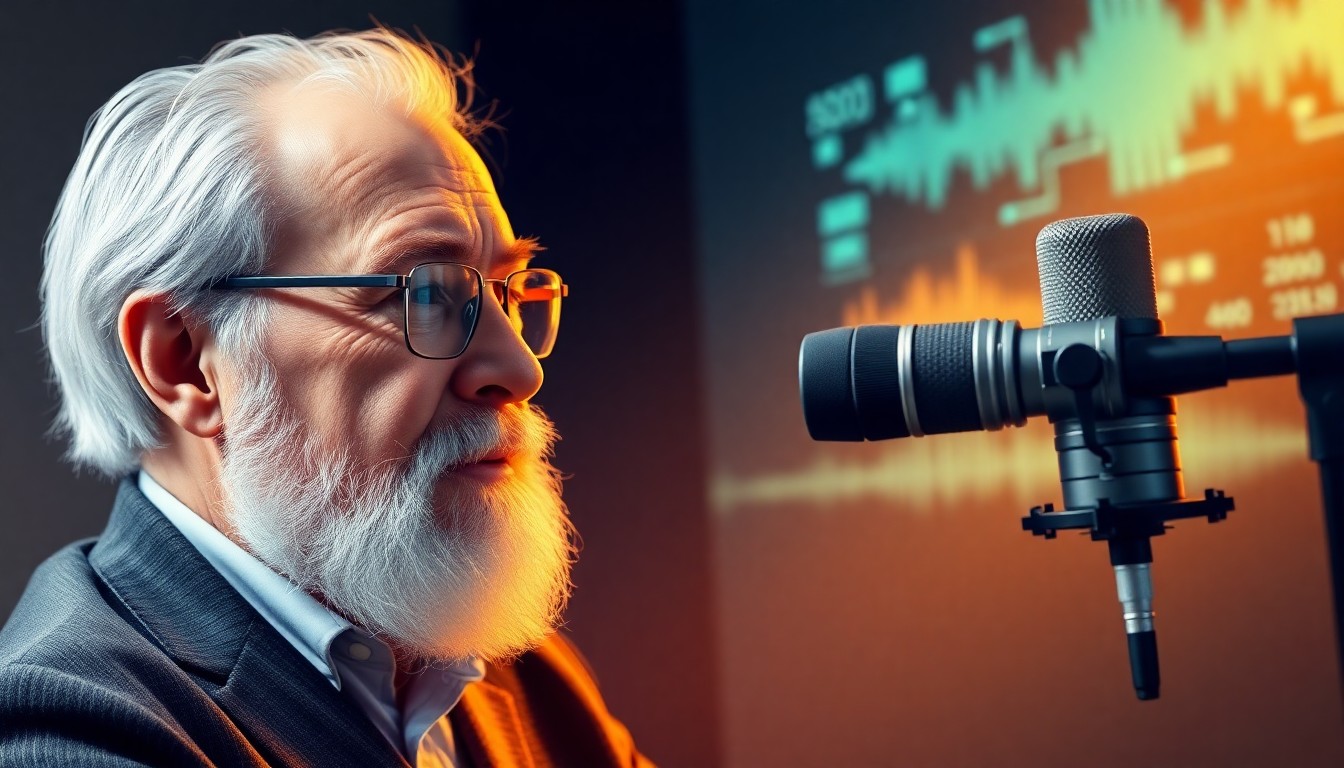
Content creators need elderly voices constantly. YouTube narration requires weathered storytellers. Podcasts demand wise mentors and grumpy grandfathers. Animation projects call for aged characters with authentic vocal texture. Gaming needs elderly NPCs who sound genuinely old, not just pitch-shifted young voices with digital crackling added.
Traditional voice casting takes weeks. You post casting calls, review auditions, negotiate rates, schedule studio time, and hope the voice actor's interpretation matches your vision. Then you need revisions. More studio time. More expenses. The timeline stretches while your project waits.
AI voice technology changed this completely. Modern platforms generate elderly male voices instantly with authentic age characteristics, emotional control, and script flexibility. No casting calls. No studio bookings. No waiting for callback schedules or coordinating time zones with voice talent living across the globe.
But quality varies dramatically. Some platforms just pitch-shift younger voices downward and add artificial grain, creating obviously synthetic results that audiences reject immediately. Others capture genuine age-related vocal characteristics through proper training on elderly speaker datasets, producing voices that pass as authentic human recordings.
This guide covers the platforms producing truly authentic old man voices, the vocal science behind elderly speech patterns, scriptwriting techniques that work specifically for aged characters, technical optimization strategies, creative applications across content types, and common mistakes that expose AI generation. Understanding these factors separates professional results from amateur attempts that audiences immediately identify as fake.
We'll explore wise mentor archetypes, grumpy grandfather characters, weathered narrators, and frail elderly portrayals. Each requires different vocal characteristics, emotional calibration, and scriptwriting approaches. You'll learn which platforms excel at which character types, how to write dialogue that sounds naturally elderly without stereotyping, and how to generate emotional performances that audiences believe.
TryAIVoices provides dedicated elderly character voices optimized for instant generation without technical setup, emotional range from warm to stern, and consistent quality across unlimited generations for subscription members.
Understanding the vocal science of elderly speech
Elderly voices carry specific acoustic signatures that result from physiological changes occurring over decades. Understanding these characteristics helps you evaluate platform quality and optimize generation parameters for authentic results.
Vocal fold changes dominate age-related voice differences. The mucosa covering vocal folds thins with age while the underlying lamina propria stiffens, reducing vibration efficiency. This creates the characteristic breathy quality many elderly speakers display, though the effect varies significantly by individual health and vocal use patterns throughout life.
Some elderly men maintain remarkably strong vocal fold closure despite advanced age, producing voices with minimal breathiness. Others show pronounced incomplete closure creating substantial air escape during phonation. Professional singers and speakers who maintained vocal training throughout life often preserve better vocal fold function than individuals who rarely used their voices actively.
Pitch patterns shift in complex ways across lifespan. Male voices typically lower through puberty and early adulthood as vocal folds lengthen and thicken. This lowering continues gradually through middle age. But in later years, vocal fold atrophy and changes in laryngeal cartilage often cause a slight pitch rise, though rarely returning to youthful frequencies.
The resulting speaking fundamental frequency for elderly men typically falls between 110-140 Hz, compared to 120-150 Hz for younger adult males. But variation within elderly populations exceeds variation between age groups, making individual differences more significant than age-related averages.
Pitch range restriction matters more than average frequency. Younger speakers naturally vary pitch across a full octave during emotional or emphatic speech. Elderly speakers typically compress this range to five or six semitones, conveying emotion through timing, intensity, and articulation changes rather than dramatic pitch movements.
Articulation precision shows interesting age-related patterns. Contrary to stereotypes about elderly mumbling, many older speakers articulate more clearly than younger people. Decades of communication experience teach efficient articulation strategies. Awareness of potential hearing loss in conversation partners motivates clearer speech. The deliberate pacing allows more precise consonant formation.
However, dental changes, reduced oral motor control, and modified tongue positioning can affect some elderly speakers. Missing teeth alter sibilant production. Reduced tongue strength softens lingual consonants. These effects vary tremendously by individual dental health and neurological status.
Speaking rate decreases consistently with age across most populations. Younger adults average 150-180 words per minute in conversational speech. Elderly speakers typically produce 130-150 words per minute, with greater variation based on cognitive processing speed and respiratory function.
The rate reduction doesn't occur uniformly across utterances. Elderly speakers often maintain near-normal speed within individual phrases but insert longer pauses between phrases. This creates the characteristic broken rhythm of elderly speech where bursts of normal-speed delivery alternate with contemplative pauses.
Respiratory changes affect speech phrasing patterns significantly. Vital capacity declines approximately 40% between ages 20 and 80, reducing available air for sustained phonation. Elderly speakers compensate by shortening phrase lengths, inserting more frequent breathing pauses, and reducing overall volume to conserve air.
But many elderly individuals maintain excellent respiratory function through physical activity and health maintenance. These speakers show minimal age-related respiratory constraints on speech. The variation within elderly populations again exceeds the average age-related difference.
Resonance characteristics shift as facial bone structure changes and soft tissue properties evolve. The oral cavity dimensions alter slightly with dental changes. Nasal resonance may increase or decrease based on structural changes in the nasopharynx. These subtle resonance shifts contribute to the distinctive timbre listeners associate with elderly voices.
Vocal stability changes create the slight wavering quality present in many elderly voices. Reduced neurological control of laryngeal muscles produces more variable vocal fold vibration patterns. This manifests as increased vibrato or occasional voice breaks, particularly during sustained phonation or pitch changes.
The best AI platforms model these physiological changes explicitly rather than applying simple audio effects. Training on extensive datasets of actual elderly speech captures the complex interaction of breath support, vocal fold behavior, articulation patterns, and resonance characteristics that define authentic aging voices.
When evaluating platforms, generate identical scripts across multiple services and listen specifically for these authentic aging markers versus simplistic pitch manipulation or artificial effects applied to younger voices. The difference becomes immediately apparent when comparing sophisticated elderly voice models against poor quality alternatives.
Best platforms for generating old man AI voices
Platform selection determines both audio quality and creative flexibility for elderly voice generation. Different services excel at different character types and production workflows.
TryAIVoices specializes in character voice generation including multiple elderly male personas. The platform delivers instant generation without voice training or technical configuration. Select an elderly voice model, paste your script, generate audio within seconds. No rendering queues, no batch processing delays.
The elderly voice options capture authentic vocal texture and age-appropriate pacing automatically. The Morgan Freeman voice provides recognizable elderly narrator authority with measured delivery and warm resonance. Other elderly character options bring appropriate weathering and gravelly texture for crusty old-timer roles or wise mentor archetypes.
Emotional range handling works well across TryAIVoices elderly voices. Generate the same dialogue with different emotional directions and the aged vocal characteristics adapt appropriately. A stern warning sounds different from gentle encouragement while maintaining consistent elderly voice quality throughout.
The platform requires subscription access but provides unlimited generation across 500+ voice options including multiple elderly character types. No per-generation charges, no usage metering, no unexpected overages. This model suits content creators producing regular elderly voice content for YouTube channels, podcasts, or ongoing creative projects.
ElevenLabs excels at custom voice cloning when you need to replicate specific elderly speakers. Upload audio samples of your target voice, the platform trains a custom model, you generate new content in that cloned voice. This works brilliantly for audiobook narrators maintaining consistency across multiple books or podcasters creating unique fictional elderly characters.
Voice cloning quality depends heavily on training sample quality and quantity. Provide at least one hour of clean audio featuring diverse emotional expressions, speaking contexts, and phonetic variety. More training data produces better results, with optimal outcomes requiring 3-5 hours of high-quality recordings.
The platform's pre-built elderly voice selection remains limited compared to TryAIVoices. ElevenLabs' strength lies in custom voice creation rather than extensive pre-configured character options.
 Photo by
 Play.ht provides granular emotional control particularly valuable for elderly character drama requiring nuanced performances. Independent adjustment of enthusiasm, sadness, anger, and other emotional dimensions lets you craft precisely calibrated elderly voice performances.
The elderly voice options capture appropriate texture and age characteristics. The emotional control system shines for dialogue-heavy narrative content where elderly characters must express complex layered feelings.
Play.ht demands more manual parameter adjustment than instant-generation platforms. Expect to spend time fine-tuning emotional settings and pacing to achieve desired performances. This offers creative control at the cost of increased production time per generated segment.
Murf focuses on professional voiceover applications with several elderly narrator options optimized for clarity and authority. The platform works excellently for educational content, corporate narration, documentary work, and other professional contexts requiring elderly voice characteristics without dramatic emotional range.
The voices prioritize stable delivery and clear articulation over textural character or emotional drama. This makes them perfect for information-dense content where the elderly voice adds gravitas without overshadowing educational messaging.
Murf includes pronunciation editors and emphasis controls valuable when generating technical content or proper nouns requiring careful articulation. Elderly voices already speak deliberately, so these controls enhance natural speech patterns rather than fighting against them.
Resemble AI offers enterprise-grade voice cloning with particularly good elderly voice handling. The platform requires larger training datasets than ElevenLabs but produces exceptional quality when properly trained. Best suited for commercial projects with budget for professional voice recording and custom model development.
The commercial licensing remains straightforward with clear usage rights. Enterprise clients building elderly voice characters for games, applications, or ongoing content series benefit from Resemble's robust infrastructure and support.
Open-source options like RVC and So-VITS-SVC provide powerful capabilities for technically proficient users comfortable with model training and audio processing. These tools require elderly voice recordings for training data, audio processing knowledge, and patience for iteration.
Quality can match or exceed commercial platforms with proper configuration and sufficient training data. This approach makes sense for developers building custom applications or creators producing massive volumes of elderly voice content who want to eliminate per-generation costs entirely.
For most content creators, commercial platforms offer better time investment. The technical expertise required for open-source voice generation exceeds the effort of simply subscribing to professional services.
Vocal characteristics defining different elderly character types
Old man voices span diverse character archetypes requiring different vocal signatures. Understanding these distinctions helps you select appropriate voice models and script content effectively.
Wise mentor archetype
Wise mentor voices combine authority with warmth. These characters guide without controlling, advise without demanding, and support without enabling. The vocal characteristics signal decades of experience alongside continued engagement with life.
Pitch patterns sit in lower-mid registers without dropping to extreme bass frequencies that would signal disconnection or otherworldliness. The voice maintains resonance and projection despite advanced age, suggesting vitality and continued purpose. Breathiness remains minimal, indicating strong core support and maintained physical health.
Articulation stays crisp enough for immediate comprehension but shows slight softening that removes harsh edges and creates approachability. Hard consonants lose attacking force without becoming sloppy. The pacing slows deliberately with thoughtful pauses suggesting careful consideration rather than cognitive struggle.
Emotional delivery leans warm and encouraging even when presenting difficult truths. Disappointment emerges through gentle sadness rather than harsh criticism. Pride shows through subtle warmth increases rather than overt enthusiasm. The mentor voice invites growth without forcing change.
Script these characters with complete complex thoughts, philosophical observations rooted in lived experience, and challenges framed as invitations rather than demands. Avoid trendy contemporary slang that dates content rapidly. Use timeless wisdom expressed in accessible vocabulary.
The Morgan Freeman voice on TryAIVoices exemplifies this archetype perfectly. His measured delivery, warm resonance, and authoritative yet approachable tone capture the wise mentor quality many creators seek.
Grumpy grandfather character
Grumpy grandfather voices inject comedy through lovable irritability. These characters complain constantly but care deeply, criticize everything but support unconditionally, and resist change while adapting anyway. The voice balances crankiness with underlying affection that audiences recognize and enjoy.
Pitch patterns often include upward inflections on complaints despite the overall lower fundamental frequency. This creates the characteristic "complaining tone" instantly recognizable to audiences. Voice cracks on particularly irritated outbursts add comedic timing opportunities.
Articulation becomes deliberately sloppy on specific words, suggesting the character can't bother enunciating properly for unworthy subjects. But clarity returns immediately for important points, revealing that sloppiness stems from attitude rather than inability. This selective articulation creates comedy while maintaining comprehension.
Pacing varies dramatically based on emotional state. Long-suffering sighs precede complaint sequences. Rapid-fire delivery accompanies rants about "kids these days" or modern technology frustrations. Deliberate extreme slowness emphasizes particularly absurd observations. The timing carries as much comedic weight as the words themselves.
Emotional range emphasizes exasperation, fond annoyance, and grudging affection. Even angry outbursts carry humorous undertones that signal performance rather than genuine malice. Audiences laugh with the character rather than at them because the voice telegraphs the affectionate nature beneath cantankerous presentation.
Script these characters with excessive complaints about trivial inconveniences, references to "the old days" when everything worked better, and grudging admissions of affection buried at the end of cantankerous speeches. The cartoon character voices section includes several grumpy elderly personas perfect for this archetype.
Weathered narrator voice
Weathered narrator voices suggest experience earned through hardship and survival. These voices tell stories of perseverance, hard-won wisdom, and fully-lived lives. The vocal characteristics reflect wear accumulated through decades of living without apologizing for that wear.
Pitch drops to lower registers, sometimes approaching gravelly territory from decades of vocal use. But the voice maintains enough resonance to command attention and convey authority. This isn't weakness or fragility but rather earned weariness that carries its own power.
Breathiness increases compared to authoritative mentor voices, but remains controlled and purposeful rather than uncontrolled. Pauses for breath become part of narrative rhythm, creating natural suspense breaks. The voice doesn't apologize for needing air but uses those moments strategically for dramatic effect.
Articulation shows the most variation among weathered narrators. Some maintain precise pronunciation as a point of pride, refusing to let age soften their standards. Others adopt slurred quality of someone too tired or too experienced to care about perfect diction. Match articulation to specific character personality rather than assuming all weathered voices sound identical.
Emotional delivery stays relatively constrained. These narrators have witnessed too much to get excited about ordinary drama. The voice remains steady through plot twists that would make younger narrators gasp or shout. Emotion emerges through subtle intensity changes and strategic pauses rather than obvious pitch gymnastics.
Script these narrators with understated observations, matter-of-fact descriptions of extraordinary events, and occasional philosophical asides. Avoid melodrama or overselling dramatic moments. Let story content carry emotional weight while the narrator maintains weathered composure suggesting someone who lived these events rather than merely performing them.
Frail elderly portrayal
Frail elderly voices require careful handling to avoid parody or disrespect. These voices suggest physical decline without mocking it, vulnerability without weakness of character, and age without diminishment of personhood. The line between authentic portrayal and offensive caricature remains narrow.
Pitch often rises compared to authoritative elderly voices as vocal fold tension reduces with advanced age or health decline. But avoid extreme falsetto effects that create unintentional comedy. The voice should sound aged through physical limitation, not cartoonish.
Breathiness increases significantly as incomplete vocal fold closure becomes the dominant characteristic. Every phrase includes audible breathing with shorter phrase lengths determined by respiratory capacity rather than syntax. This creates natural broken phrasing that adds authenticity.
Articulation softens considerably with reduced consonant strength and slightly slurred vowels. But maintain sufficient clarity for comfortable comprehension. The goal is authentic aging characteristics, not unintelligible mumbling that frustrates listeners and disrespects the character.
Vocal stability decreases with more pronounced vibrato and occasional voice breaks. These instabilities occur naturally and unpredictably, adding realism while requiring careful moderation. Too much instability distracts from content, too little removes authenticity.
Emotional range narrows as the voice loses flexibility. Strong emotions might emerge through tears or breaks rather than dramatic pitch changes or volume increases. The character expresses feelings despite vocal limitations rather than through vocal pyrotechnics. This constraint often creates more powerful emotional moments than obvious dramatics.
Script these characters with careful respect for dignity. Avoid playing frailty for laughs unless the character themselves makes humor of their situation. Show mental sharpness despite physical decline when appropriate. Let vocal characteristics convey physical age without suggesting mental impairment unless specifically relevant to character development.
Scriptwriting techniques for elderly male voices
Script quality determines whether AI-generated elderly voices sound authentic or obviously synthetic. Writing for aged characters requires understanding speech patterns, vocabulary evolution, and rhetorical structures that signal age without creating stereotypes.
Sentence complexity tends toward greater elaboration in educated elderly characters. These speakers developed language skills during eras when formal writing dominated education, creating speech patterns reflecting that training. Subordinate clauses appear frequently. Complete sentences dominate over fragments. Rhetorical parallelism emerges in persuasive speech.
But working-class elderly characters often show opposite patterns. Short declarative sentences. Minimal subordination. Direct communication without elaborate phrasing. Match syntactic complexity to specific character educational background and social class rather than assuming all elderly people speak identically.
Vocabulary choices signal generational identity without becoming parody. Older speakers use terms fallen from common usage without sounding deliberately archaic. They say "supper" instead of "dinner" in certain regional contexts, "the pictures" instead of "movies," "ice box" instead of "refrigerator" in casual moments when childhood habits surface naturally.
Avoid heavy-handed nostalgia unless specifically characterizing someone dwelling in the past. Real elderly people live in present tense while carrying past experiences. Most don't constantly reference "the old days" unless narratively motivated. They adopt sufficient modern vocabulary to communicate effectively while retaining generation-specific terms for familiar concepts encountered during formative years.
 Photo by Will Francis on Unsplash
Temporal references shift with age in ways younger writers often miss. Where younger speakers reference recent events within the last decade as "just happened," elderly speakers might reference events from 40 or 50 years ago as recent occurrences. "A while back" means 1987. "Just the other day" means last month. This temporal compression happens unconsciously in authentic elderly speech.
Religious and cultural references reflect formative years rather than current culture. An elderly character in modern stories grew up during specific cultural moments shaping their worldview. References to that era's music, political events, cultural touchstones, and social norms emerge naturally in speech patterns. Research the character's age cohort to include authentic references without overwhelming dialogue with nostalgia.
Metaphors and analogies often draw from manual labor, mechanical systems, and physical processes more than digital or abstract concepts prevalent in younger speech. "Running like a well-oiled machine" versus "processing efficiently." "Thrown for a loop" versus "experiencing cognitive dissonance." These preferences reflect both generational differences and concrete thinking common in many elderly speakers.
Repetition increases with age both as rhetorical emphasis and cognitive strategy. Elderly characters might rephrase the same point multiple ways ensuring comprehension. They repeat important details. They circle back to earlier topics after apparent digressions. This repetition feels natural in elderly speech but annoying in younger characters, signaling important characterization through speech pattern differences.
Pauses and hesitations change quality with age. Younger speakers pause when uncertain or searching for words. Elderly speakers might pause for breath, gathering thoughts, or simply because they've stopped rushing through communication decades ago. Don't fill every pause with "um" or "uh" vocal fillers. Sometimes silence carries its own contemplative weight.
Stories emerge more frequently in elderly conversation patterns. Where younger speakers answer questions directly, elderly speakers might respond with relevant anecdotes eventually answering the question through narrative illustration. This storytelling approach reflects accumulated experience and different relationships with time where immediacy matters less than context.
Emotional expression becomes simultaneously more direct and more subtle with age. Many elderly speakers lose patience with emotional games and communicate feelings directly through clear language. But vocal expression might remain constrained compared to younger speakers' dramatic delivery. Write emotional honesty into dialogue while trusting voice characteristics to convey feeling without requiring overwrought language.
Avoid common elderly speech stereotypes unless specifically relevant to individual character development. Not all elderly people struggle with technology. Not all use outdated slang. Not all move slowly through conversations. Not all reference their age constantly. Create specific characters with individual traits rather than generic "old person" dialogue templates.
Compare these script approaches:
Bad elderly dialogue: "Well, sonny boy, back in my day we didn't have all these newfangled doohickeys and whatchamacallits. Everything was simpler then, I tell you what."
Good elderly dialogue: "I remember when this neighborhood had three hardware stores. Real ones, not big-box warehouses. You could walk in and ask Mr. Patterson about your problem. He'd know exactly which widget you needed. That personal knowledge disappeared somewhere along the way."
The second example uses generation-appropriate references and vocabulary without resorting to obvious elderly stereotypes or condescending "sonny" language.
The guide to voice generation provides additional scriptwriting tips for maximizing AI voice quality across all character types, including technical specifications for optimal script formatting and length parameters.
Technical optimization for natural elderly voice generation
Technical settings dramatically impact elderly voice authenticity beyond simply selecting appropriate voice models. Understanding generation parameters helps you achieve professional results that pass as authentic human recordings.
Speech rate calibration
Elderly voices typically operate at slower rates than younger speakers, but "slower" requires nuanced implementation. Natural elderly speech doesn't uniformly stretch every syllable proportionally. Specific patterns emerge that sophisticated generation must capture.
Consonant-to-vowel transitions slow slightly, creating that gentle articulation softening discussed earlier. But vowels themselves often maintain normal duration or even compress on unstressed syllables. This creates rhythm variation sounding natural rather than artificially time-stretched.
Pauses between words increase slightly while pauses between phrases increase dramatically. Elderly speakers might move through individual phrases at near-normal speed then pause longer between thoughts for breath management or cognitive processing. This phrasing pattern feels authentic.
Most platforms allow speech rate adjustments through percentage controls. For elderly voices, reducing to 85-92% of normal speed typically produces natural results. Below 85% risks obviously artificial slowing. Above 92% loses elderly characteristics entirely. Test within this range finding optimal points for specific voice models and content contexts.
Some platforms provide separate controls for articulation rate (how fast individual sounds occur) versus pause duration (gaps between words and phrases). If available, adjust articulation to 90-95% normal while increasing pause duration to 110-120% normal. This creates more authentic aging patterns than uniform slowdown across all speech components.
TryAIVoices incorporates age-appropriate pacing into elderly voice models automatically, requiring minimal manual adjustment. Generate at default speeds first, adjusting only for specific creative contexts requiring deviation from natural elderly pacing.
Pitch and resonance control
Pitch patterns in elderly male voices show complex changes that simple pitch-shifting fails to capture adequately. Understanding these patterns helps avoid common mistakes when adjusting voice parameters.
Fundamental frequency typically lowers in men through middle age then may rise slightly in advanced age. But this rise remains subtle, never approaching youthful frequencies. Most elderly male voices sit between 100-130 Hz compared to 110-150 Hz for younger adult males. But individual variation exceeds age-related averages.
Pitch variation (range of frequencies used during speech) typically narrows with age. Younger speakers might vary pitch across a full octave when enthusiastic or emphatic. Elderly speakers compress emotional expression into narrower frequency bands. This doesn't mean monotone but rather controlled variation.
Platforms offering pitch control should receive conservative adjustment. Lowering pitch more than 10-15% risks cartoonish results. Most elderly voices need minimal pitch adjustment from base models if platforms use appropriate training data capturing authentic elderly frequency patterns.
Resonance characteristics matter more than raw pitch numbers. The hollow or breathy quality of elderly voices comes from resonance changes in the vocal tract, not just frequency shifts. Look for platforms that model resonance explicitly rather than simply adjusting fundamental frequency.
Emotional intensity calibration
Emotional delivery in elderly voices requires recalibration compared to younger speakers. The same emotional intensity settings produce different results when applied to aged vocal characteristics.
Anger in elderly voices rarely manifests as shouting or dramatic volume increases. Physical limitations and decades of learned emotional regulation typically constrain volume expression. Instead, anger emerges through increased vocal tension, sharper articulation, and sometimes faster speech rate. When setting anger parameters, emphasize tension over volume.
Sadness often produces the most pronounced changes in elderly voices. Already-present breathiness increases further. Pitch variation compresses even more. Vocal stability decreases with potential voice breaks. But volume typically remains stable or decreases slightly rather than dropping dramatically as in younger speakers crying openly.
Joy lightens the voice through decreased breathiness and increased pitch variation. The voice gains energy without necessarily gaining significant volume. Articulation might sharpen slightly as enthusiasm overrides habitual articulation softening. Set joy parameters moderately to avoid losing elderly characteristics entirely through excessive enthusiasm.
Fear in elderly voices often resembles frailty characteristics. Breathiness increases, stability decreases, pitch may rise slightly. The voice becomes more fragile as stress impacts vocal control. Use fear settings sparingly to avoid crossing from authentic portrayal into parody territory.
Most platforms provide emotion intensity controls from 0-100%. For elderly voices, settings between 30-60% typically produce natural results. Higher intensity risks losing age characteristics as emotion overtakes voice. Lower intensity may not register clearly enough for narrative impact.
 Photo by Blaz Photo on Unsplash
Audio quality and post-processing
Generated audio quality impacts perceived authenticity significantly. Understanding technical audio specifications helps achieve professional results suitable for publication.
Sample rate determines frequency range captured in digital audio. Most AI voice generators output at 22.05 kHz or 44.1 kHz sample rates. For elderly voices, higher sample rates preserve subtle breathiness and resonance characteristics signaling age. Request or select 44.1 kHz output when available.
Bit depth affects dynamic range and noise floor characteristics. Standard 16-bit audio remains adequate for most applications. 24-bit output preserves more nuance but creates larger files. For elderly voices with significant dynamic range variation (breathy quiet passages to forceful louder moments), 24-bit capture helps preserve natural performance dynamics.
Compression artifacts destroy subtle elderly voice characteristics through aggressive lossy encoding. Avoid heavy MP3 compression below 192 kbps. Prefer 256 kbps or higher for MP3 distribution, or use lossless formats like WAV or FLAC for archival and editing stages. The breathiness signaling elderly voices gets particularly damaged by aggressive compression algorithms designed for music rather than speech.
Background noise removal requires careful application with elderly voices specifically. Aggressive noise reduction easily removes natural breathiness and vocal artifacts creating authenticity. Use minimal noise reduction settings accepting some background character rather than creating unnaturally clean audio that sounds processed.
EQ adjustments should enhance rather than transform fundamental character. A slight high-pass filter below 80 Hz removes rumble without affecting voice characteristics. Gentle boost around 2-4 kHz can improve intelligibility if age-related articulation softening reduces clarity slightly. Avoid dramatic EQ curves altering fundamental voice character.
Reverb and room tone add environmental realism but require moderation with elderly voices. Too much reverb emphasizes voice instabilities and makes age characteristics sound exaggerated or unnatural. Use subtle room tone placing the character in believable acoustic space without calling attention to vocal limitations.
The voice generation tips page provides additional technical guidance for optimizing audio quality across different content formats, distribution platforms, and playback environments.
Creative applications across content types
Elderly male voices serve diverse creative and commercial applications. Understanding platform capabilities for each use case helps match tools to projects effectively.
YouTube educational content and narration
Educational YouTube channels benefit enormously from elderly narrator voices signaling expertise and trustworthiness. This works especially well for history content, science explainers, life advice channels, and storytelling formats where vocal authority enhances educational messaging.
The vocal authority of elderly voices lends credibility to information-dense content. Viewers subconsciously associate older voices with experience and accumulated knowledge. This psychological effect enhances educational content when used appropriately without being manipulative.
Generate narrator voices matching specific content types. History channels need weathered voices suggesting lived connection to past events. Science channels benefit from professorial elderly voices conveying decades of study. Life advice channels work with warm grandfatherly voices creating approachable wisdom delivery.
Pair elderly AI narration with relevant visuals, B-roll footage, and text overlays. The narration carries content while visual elements maintain engagement through supplementary information and scene variety. This combination works particularly well for viewers preferring learning from authoritative-sounding sources.
Generate consistent narration quality across entire channels. Use the same elderly voice model for all videos building brand recognition. Audiences return partly for familiar vocal presence creating comfort and trust through consistency.
TryAIVoices handles YouTube content creation through unlimited generation plans, consistent voice profiles across sessions, and instant delivery without rendering queues. Creators generate content on deadline without coordinating voice actor schedules or availability.
Podcast drama and character work
Fictional podcasts featuring elderly characters require full emotional range and authentic character development. Radio drama formats, comedy shows with recurring characters, and narrative podcasts all depend on distinctive voices bringing characters to life across dozens of episodes.
Elderly character voices must remain consistent across entire podcast runs spanning months or years of production. The wise mentor in episode three must sound identical in episode thirty-three. AI generation provides this consistency without relying on voice actor availability, health, or inevitable vocal changes over multi-year productions.
Generate multiple emotional takes of key dialogue lines creating dynamic performances. The same line delivered with concern, anger, or affection provides editing options matching scene needs as podcasts evolve during production. This flexibility proves impossible with traditional voice recording methods requiring expensive callback sessions.
Recurring segment characters appear in standard podcasts delivering jokes, wisdom, commentary, or sponsored messages. "Grumpy Grandpa's Tips," "Wise Elder's Perspective," or "Old Man Yells at News" segments become audience favorites when voices deliver consistent quality every episode without fail.
Production workflows favor AI generation for podcast consistency. Weekly or daily shows need voice content on deadline regardless of voice actor illness, scheduling conflicts, or time zone complications. Generate all required segments in advance or on-demand without external dependencies.
Audiobook narration and long-form storytelling
Audiobook narration represents the most demanding application for elderly AI voices. Hours of continuous speech require consistent voice characteristics, maintained energy, and sustained audience engagement without fatigue or quality degradation.
Fiction narration uses elderly voices for specific character dialogue within larger narratives. The protagonist's wise mentor, the grumpy town elder, the weathered villain—these characters need distinctive voices listeners recognize immediately whenever they speak. AI generation provides consistency across entire books that few voice actors maintain perfectly through 10+ hour recording sessions.
Non-fiction narration occasionally uses elderly voices for memoirs, historical accounts, or wisdom literature where aged narrators add thematic resonance. The voice should match content tone and subject matter. A memoir about aging benefits from elderly narration in ways business books don't.
Character consistency matters most in audiobook production. The character appearing in chapter three must sound identical in chapter thirty-three. Generate all dialogue for specific characters in single sessions when possible ensuring identical voice settings. If extending across multiple sessions, keep detailed notes about voice parameters and emotional calibration.
Stamina becomes irrelevant with AI generation. Human narrators tire across hours of recording, creating subtle quality drift degrading consistency. AI voices maintain perfect consistency through unlimited content generation. The wise mentor voice sounds identical in hour one and hour twenty.
Technical audio requirements for audiobooks exceed most other formats. ACX (Amazon's audiobook platform) enforces specific technical standards including peak levels, RMS averages, and noise floors. Generated audio must meet these standards before submission. Post-process carefully for technical compliance.
Gaming and animation character voices
Gaming and animation require extensive voice libraries for various elderly characters. Background NPCs, quest givers, antagonists, mentors—each needs distinctive voice work remaining consistent across years of development or multiple seasons of content.
Game development faces constant voice asset needs. The wise wizard mentor needs 500 unique voice lines. The cranky shop keeper needs 200 variations. The elderly antagonist needs dramatic boss battle dialogue plus casual town interaction lines. Recording this content with voice actors costs thousands while AI generation handles it instantly at fraction of the cost.
Character consistency across development cycles matters enormously. If games spend three years in development with voice recording happening at different stages, human voice actors show subtle changes from aging, health changes, or simple session-to-session variation. AI maintains perfect consistency across unlimited generation timeline.
Animation production mirrors gaming needs. Animated series, films, and web content all need distinctive elderly character voices. The grumpy grandfather character appears in fifty episodes spanning years of production. Maintaining perfect voice consistency across this timeline challenges human performers but poses zero difficulty for AI systems.
Generate background character voices efficiently using AI. Rather than booking voice actors for minor elderly characters with three lines each, generate all required background elderly voices in single sessions. This frees budget for protagonists while maintaining quality throughout full cast.
TikTok and short-form viral content
Short-form content demands immediate impact. Elderly voices must establish character and deliver messaging within 15-60 seconds. Every word carries weight when total runtime hits such compressed durations.
Comedy formats featuring elderly reactions to trends dominate successful uses. "Grandpa reacts to modern slang" concepts, "old man explains technology wrong" formats, and "cranky elderly person rants about minor things" all leverage voice for immediate humor. Voice authenticity determines whether content goes viral or falls flat.
Educational content uses authoritative elderly narrator voices adding perceived credibility quickly. A wise elderly voice explaining historical events, scientific concepts, or philosophical ideas carries inherent authority. Viewers unconsciously associate age with knowledge making voice an asset for information-dense short content.
Storytelling TikToks use weathered voices for creepy tales, wisdom sharing, or motivational messages. The format requires strong vocal performance holding attention without visual support. Voice quality becomes everything when screens show static text or minimal imagery.
Technical requirements for TikTok differ from YouTube. Audio must work through phone speakers and noisy environments. Clarity matters more than subtle textural nuance. Generate elderly voices with slightly sharper articulation than audiobook narration ensuring comprehension on mobile devices.
Commercial voiceovers and brand work
Certain brands and products benefit from elderly spokesperson voices for commercial applications. Financial services, insurance companies, retirement planning, health products, and legacy brands use elderly voices signaling trust and accumulated experience.
Generate commercial voiceovers with authoritative but warm delivery. Elderly voices should sound confident in products without aggressive sales tactics that audiences reject. This matches consumer expectations for how trustworthy elderly spokespersons communicate.
Test different elderly voice options against brand identity requirements. Some elderly voices carry more warmth and accessibility, others project pure authority without softness. Match vocal characteristics to brand positioning and target audience expectations for maximum impact.
Financial advertising consistently uses elderly voices for retirement planning, investment management, and insurance products. The voice suggests someone who successfully navigated their own retirement journey and can guide others. This implied credibility through vocal age drives higher response rates than younger voices for these specific products.
The pricing plans at TryAIVoices include commercial usage rights for all subscription tiers, eliminating licensing complications for commercial voiceover applications.
Common mistakes destroying elderly voice authenticity
Creators new to elderly voice generation make predictable errors that expose AI generation or damage content quality. Learning these mistakes helps you avoid them in your projects.
Excessive aging effects piled on
The most common mistake involves maximizing every elderly voice characteristic simultaneously until results sound like parody cartoons rather than authentic aged humans. Real elderly voices don't exhibit every age-related feature at maximum intensity simultaneously.
Some elderly people maintain strong articulation despite reduced resonance. Others show breathiness without pitch instability. Still others have reduced volume without articulation problems. Individual variation means specific combinations of characteristics define individuals rather than checking every aging box.
Moderation creates authenticity. Don't set every aging parameter to maximum values. Instead, select two or three primary characteristics defining your specific character, apply those moderately while keeping other parameters near neutral. This creates distinctive aged voices without cartoon exaggeration.
The "cranky old man" voice particularly tempts creators toward excess. Excessive raspiness, extreme pitch lowering, aggressive vibrato, and exaggerated speech impediments create comedy through stereotype rather than authentic character. Real cranky elderly people sound annoyed through emotional delivery, not incapacitated through vocal destruction.
Test aging parameters incrementally. Start with neutral settings then adjust single parameters one at a time. Listen to individual parameter impacts rather than moving multiple sliders simultaneously. This methodical approach reveals which parameters matter most for specific characters while avoiding compounded exaggeration.
 Photo by Hitesh Choudhary on Unsplash
Inconsistent characterization across content
Voice characteristics must match across all content featuring the same character. The wise mentor can't sound authoritative in scene one then frail in scene three unless narrative events explain the change. Consistency determines whether audiences accept characters as real versus noticing technical inconsistency.
Document voice settings for every character meticulously. Record exactly which platform, voice model, emotional settings, and speech rate you used. When generating additional content months later, replicate these settings precisely. Even small variations become noticeable across episodic content reducing audience immersion.
Emotional continuity matters as much as technical consistency. A grumpy character should maintain baseline grumpiness even in positive moments, just with reduced intensity. A gentle character doesn't suddenly become harsh without narrative justification. Let character personality constrain emotional range rather than swinging wildly between scenes.
Age-appropriate dialogue must match voice characteristics consistently. Don't pair a frail elderly voice with athletic action descriptions. Don't give a vigorous authoritative elderly voice constant references to physical limitations. Voice and script must align maintaining believability.
Poor script quality undermining excellent voices
Strong elderly AI voices can't rescue terrible scripts. Authentic-sounding voices make bad writing more obvious by comparison. Invest time in scriptwriting equal to voice generation efforts.
Age-inappropriate vocabulary breaks immersion immediately. Modern slang, internet terminology, and youth culture references sound wrong in elderly voices unless scripts specifically call attention to characters learning new terms. Keep vocabulary consistent with character generation and education level.
Sentence fragments overused create false authenticity. Beginning writers think elderly characters speak in broken fragments and trailing thoughts. Real elderly people complete sentences. They think before speaking. They organize thoughts logically. Excessive fragments suggest cognitive decline rather than normal aging.
Overly formal speech creates different problems. Not all elderly people sound like philosophy professors. Working-class elderly characters speak plainly. Regional dialects persist across lifespan. Match speech patterns to character backgrounds rather than assuming all elderly people speak identically.
Exposition dumps particularly damage elderly character credibility. Having wise mentor characters deliver five-minute monologues explaining plot points turns characters into devices rather than people. Real people regardless of age communicate through conversation not lecture. Break information delivery into dialogue exchanges.
Technical audio problems from poor post-processing
Generated audio requires post-processing for professional results. Using raw generation output without editing creates amateurish final products damaging overall content quality.
Volume inconsistency across generated segments creates jarring listening experiences. Characters sound different volumes in different scenes despite supposedly being identical distance from listeners. Normalize audio levels across all generated segments for consistent volume presence.
Breathing sounds require careful management. Some platforms include realistic breathing between phrases adding authenticity. But this becomes distracting if breaths occur too frequently or too loudly. Edit breath sounds for natural rhythm without constant wheeze.
Mouth sounds and artifacts sometimes appear in AI-generated audio, particularly in elderly voices with significant breathiness. These clicks, pops, and wet sounds damage immersion. Use gentle mouth de-clicking processing removing artifacts without destroying voice characteristics.
Background noise removal must preserve voice character. Aggressive noise gates and reduction plugins remove subtle breathiness and vocal artifacts creating elderly voice authenticity. Use minimal processing or specialized voice-optimized plugins preserving wanted characteristics while removing unwanted noise.
Legal and ethical considerations for elderly voice usage
Using AI-generated elderly voices raises specific legal questions around rights, attribution, and fair use that content creators must understand before publication.
Copyright law treats AI-generated content ambiguously in many jurisdictions. Content created entirely by AI without human creative input may lack copyright protection. But content where you write scripts, select voices, adjust parameters, and integrate into larger creative works likely qualifies for copyright as derivative work with you as author.
Voice rights present complex issues when platforms offer voices modeled on real people. If you generate elderly voice content using a platform's celebrity voice option replicating specific actor voices, you're potentially infringing that person's right of publicity. This right varies by jurisdiction but generally protects against unauthorized commercial use of someone's identity including voice.
Original elderly voice characters created through AI tools without specific celebrity modeling avoid these publicity rights issues. Generic "old man voice" or "elderly narrator" options that don't replicate specific identifiable people fall outside publicity rights protection. The platform provides a tool, you create original character, no one's identity gets exploited.
Fair use provides limited protection for transformative uses including parody, criticism, and commentary. An AI-generated elderly voice used in parody video commenting on cultural issues likely qualifies for fair use protection even if based on recognizable voice. But the same voice used in commercial product or purely entertainment content without transformative purpose doesn't qualify.
Platform terms of service govern your rights to generated audio fundamentally. Read these terms carefully before creating commercial content. Some platforms prohibit commercial use entirely. Others allow commercial use with attribution. Some impose no restrictions on generated content. These terms supersede general copyright principles for content generated through the platform.
Attribution requirements vary by platform significantly. Some require crediting the AI voice platform in any published content. Others prohibit disclosure that voices are AI-generated. Still others leave attribution to user discretion. Violating these terms can result in account termination and potential legal liability.
Deepfake laws increasingly regulate AI-generated voice content, particularly when used to impersonate real people without disclosure. Several jurisdictions now require disclosure when AI-generated voices impersonate real people in certain contexts. Political deepfakes face particularly strict regulations in many areas.
Ethical considerations extend beyond legal requirements. Using AI voices to deceive audiences about real people's statements or positions raises ethical issues regardless of legal status. Comedy and satire get more latitude than content presented as factual. Context matters enormously.
Age-related sensitivity demands careful content evaluation. Using elderly voices to mock aging, disability, or cognitive decline crosses ethical lines even if legally permitted. Comedy can celebrate elderly characters without demeaning elderly people. The distinction lies in whether humor punches down at vulnerable populations or celebrates character eccentricities.
Frequently asked questions
What makes old man AI voices sound authentic?
Authentic elderly AI voices capture age-related vocal characteristics including increased vocal roughness, slower speech rate, narrower pitch range, and modified articulation patterns without exaggeration. The best platforms train specifically on elderly speaker datasets rather than applying effects to younger voices. Look for natural breathiness, deliberate pacing, and subtle voice instabilities that reflect genuine physiological aging rather than digital processing artifacts.
Which AI platform generates the best old man voices?
TryAIVoices provides the most extensive library of elderly male voices with multiple character types including wise mentors, grumpy characters, and weathered narrators. The platform offers instant generation without technical setup and includes commercial usage rights. For custom voice cloning of specific elderly speakers, ElevenLabs excels. For clear professional narration prioritizing intelligibility, Murf delivers polished elderly narrator options.
Can I use elderly AI voices for monetized YouTube videos?
Yes, most AI voice platforms allow commercial usage with appropriate subscriptions or licensing. TryAIVoices includes commercial rights in all subscription plans, letting you use generated elderly voices for monetized YouTube content, sponsored videos, and any other commercial application without additional licensing concerns. Always verify platform terms before creating commercial content.
How do I make AI elderly voices sound more emotional?
Write emotionally clear scripts with specific word choices conveying emotion. Use punctuation strategically creating emotional pacing through pauses and rhythm. If your platform offers emotional controls, use moderate settings (30-60% intensity) rather than extreme values. Elderly speakers typically express emotions more subtly than younger people, so restrained emotional direction often sounds more authentic than dramatic settings.
What's the difference between elderly AI voices and pitch-shifted young voices?
Elderly AI voices are models trained specifically on elderly speech patterns, capturing authentic age-related characteristics including breathiness, articulation changes, resonance modifications, and pacing patterns. Pitch-shifted young voices just lower frequency without modeling physiological aging effects, creating obviously synthetic results. True elderly voice models sound significantly more authentic than artificially aged young voices through simple pitch manipulation.
How slow should elderly voice generation be?
Most modern elderly AI voice models already incorporate age-appropriate pacing automatically. Start with default generation speeds first. If manual adjustment is needed, reduce to 85-92% of normal speed for natural results. Below 85% risks obviously artificial slowing. Above 92% loses elderly characteristics. Small adjustments of 5-10% make significant differences in perceived authenticity.
Can elderly AI voices handle different accents and dialects?
Platform accent options vary considerably. TryAIVoices includes elderly British English options alongside American English. Most platforms primarily support general American accents in elderly voices. For specific regional elderly accents (Southern, Boston, etc.), custom voice cloning using regional accent samples works best. Open-source tools provide maximum flexibility but require technical expertise.
Are elderly AI voices suitable for audiobook narration?
Yes, elderly voices work excellently for specific audiobook projects including memoirs about aging, historical accounts, wisdom literature, and fiction requiring elderly narrator personas. Generate at highest quality settings then post-process to meet technical standards like ACX requirements. Consistency matters more in audiobooks than any other format since listeners spend hours with narrator voices.
What mistakes should I avoid when generating elderly voices?
Avoid over-exaggerating age characteristics by piling on every aging effect simultaneously. Don't use identical elderly voices for every older character. Don't neglect emotional context generating everything with neutral settings. Don't ignore audio context testing voices only in isolation. Don't use poor scripts expecting excellent voices to compensate. Document voice settings maintaining consistency across projects.
Related voices to try
Related guides
Old man AI voices unlock creative possibilities for narration, character work, educational content, and commercial applications. The technology captures authentic elderly speech characteristics that once required booking experienced voice actors, managing studio time, and coordinating complex production schedules.
Success comes from understanding vocal science behind elderly speech patterns, choosing appropriate AI platforms for specific use cases, writing scripts specifically for elderly delivery with age-appropriate vocabulary and pacing, and applying technical knowledge for natural results. The difference between amateur and professional results lies in these details.
Start creating authentic elderly voice content with TryAIVoices today. Generate professional voiceovers with our library of 500+ voices including multiple elderly male options optimized for wise mentors, grumpy characters, weathered narrators, and authentic elderly portrayals across all content types.