Call of Duty AI Voice Generator: Epic CoD Gaming Content
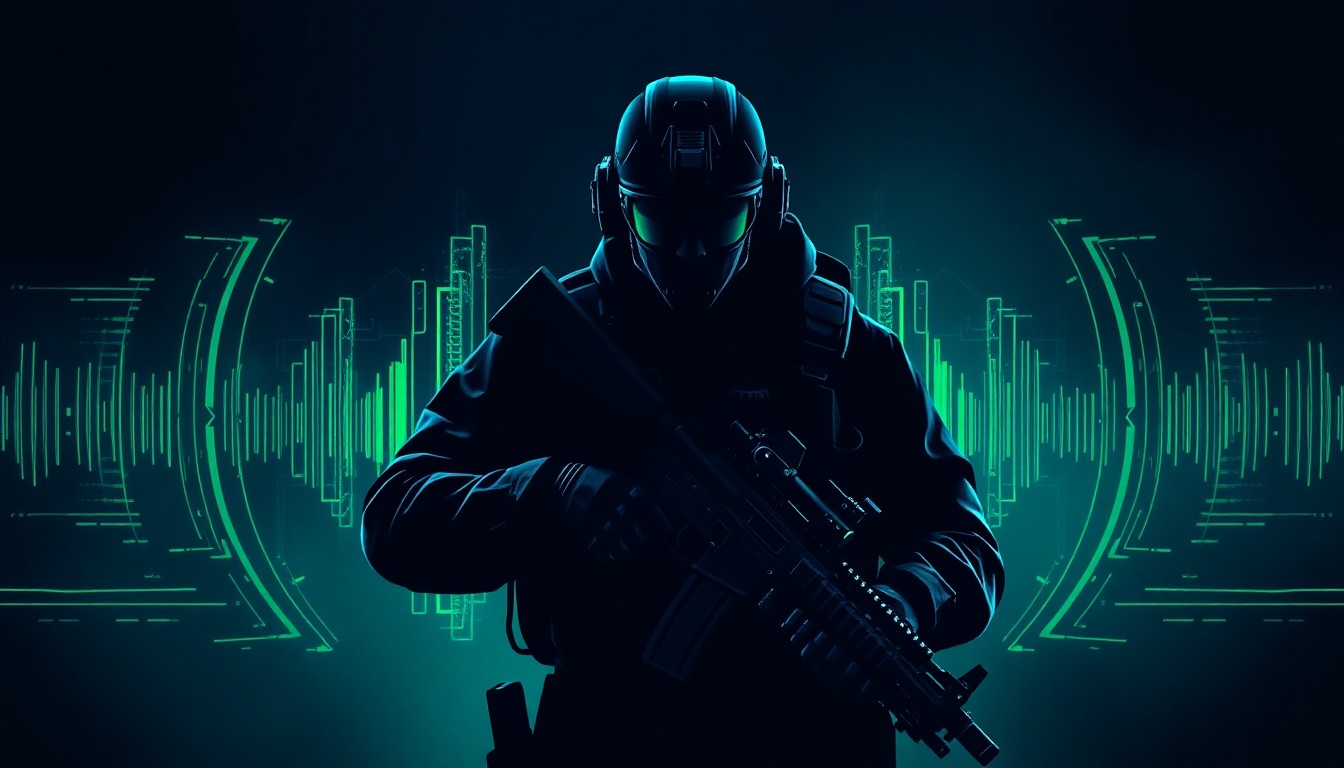
Call of Duty voices carry weight. Captain Price's gruff British command. Ghost's cold, tactical delivery. Woods screaming into a firefight with pure controlled fury. These voices built some of gaming's most recognizable moments, and content creators want that same energy in their own work.
AI voice technology now puts military-grade vocal character within reach of any creator. You don't need to source voice actors, negotiate rights, or splice together game audio clips. Modern text-to-speech tools generate the gravelly, authoritative, tactical-sounding voices that define the CoD aesthetic. This guide covers how to use those tools effectively, which voice types work best for different content formats, how to write scripts that hit the right notes, and what separates generic gaming content from clips that actually get shared.
We'll cover the full toolkit: platform selection, script writing for military voice styles, production tips that elevate quality, use cases across YouTube and TikTok, and how to build a consistent brand voice that audiences recognize. Whether you're creating gameplay montages, military narrative content, gaming memes, or tactical tutorials, there's a CoD-inspired approach that works for you.
TryAIVoices offers deep, authoritative voice options that match the military action aesthetic CoD fans expect, with instant generation and no rendering queues.
Why Call of Duty voices dominate gaming content
Call of Duty is one of the longest-running and best-selling video game franchises ever made. Each installment brings new iconic voice performances, from the gritty realism of Modern Warfare to the cinematic drama of Black Ops. The franchise sold hundreds of millions of copies across decades and spawned a dedicated online community that consumes content voraciously.
That audience appetite translates directly into content opportunity. CoD fans watch gameplay videos, tactical guides, lore breakdowns, best-of montages, and comedic takes on the game's culture. The franchise's voice acting set a standard for military entertainment that extends far beyond gaming into film, podcasts, and social media.
The voices work for content because they carry built-in cultural weight. When you hear a clipped, authoritative British accent delivering tactical instructions, the brain immediately maps it to the CoD universe. When a gravelly, world-weary voice narrates a montage over gunfire, it echoes years of Call of Duty storytelling. Content creators tap into that conditioning to grab attention instantly.
 Photo by
 The voice acting legacy behind the franchise
Call of Duty built its reputation partly on cinematic voice performances. The franchise worked with actors who understood how to portray military realism without tipping into parody. Price doesn't sound like a movie soldier. He sounds like a career soldier who has seen enough of the world to stop being surprised by any of it.
That restraint is what makes CoD voices so useful for content. They read as authoritative without sounding theatrical. They convey urgency without hysteria. And they carry cultural recognition that viewers respond to immediately, even outside the context of the games themselves.
The Black Ops series developed a different flavor. Woods brought raw American aggression. Mason delivered a protagonist voice that carried confusion and trauma underneath the action exterior. These distinct personalities gave AI voice content multiple tonal registers to work with, from cold professionalism to emotional weight.
Browse our gaming voice library for options that match the CoD aesthetic spectrum, from deep commanding tones to energetic tactical characters.
The iconic voice types across the Call of Duty franchise
Understanding the voice types is the first step toward replicating them effectively with AI tools. CoD voice characters fall into a few distinct categories, each suited to different content formats.
The weathered commander
Captain Price defines this archetype. British accent, deliberate pacing, authority that doesn't need volume to land. These voices work best for narrative content, strategy guides, and any format where credibility matters more than energy. The weathered commander voice says "I've seen this situation before and I know exactly how it ends."
For AI voice generation, deep male voices with British or neutral transatlantic accents come closest to this register. The key is pacing. These voices don't rush. They leave space. They trust the listener to keep up. When writing scripts for this style, use shorter sentences and avoid breathless phrasing.
You can get close to this register using deep voice models from TryAIVoices' voice library. Layer the output over game footage and the contextual recognition does the rest.
The tactical ghost operative
Ghost and similar characters represent a different archetype. Still authoritative, but younger, faster, and with a kind of contained intensity. These voices sound like someone who operates at the edge of what's officially sanctioned. The accent tends to be British but less refined than Price's, with clipped consonants and minimal emotional display.
This voice type suits content that rewards tension. Stealth montages, extraction missions, psychological thriller takes on game events. The key writing tip: keep sentences tight and action-focused. No subordinate clauses. No hedging. "Target acquired. Moving in. Three seconds."
The American combatant
Woods, Reznov, and the Black Ops protagonists occupy this space. Aggressive American delivery, full emotional range, voices that can go from quiet menace to full-throttle combat intensity without losing credibility. These voices drive high-energy content well, particularly montage clips and action-heavy highlight reels.
The American combatant voice lets you express the full emotional spectrum of gaming. Trash talk, celebration, frustration, determination. It's versatile in ways the more restrained British commander voice isn't. For content creators who want to match the energy of their footage, this register is the natural choice.
The Morgan Freeman AI voice offers a deep, authoritative narrative register that works beautifully for CoD-style cinematic content, particularly for lore breakdowns and mission briefings.
The villain and antagonist voice
CoD produces some of gaming's best villains. Makarov's calm, ideological menace. Raul Menendez's revolutionary fury. These voices operate at the opposite extreme from the heroic cast. They're slower, more considered, often more articulate. The danger isn't physical, it's philosophical.
Villain voices create fantastic contrast in content. Cut from intense action footage to a calm, unhurried antagonist voice reflecting on events, and the tonal shift creates dramatic impact. This technique works especially well in lore analysis videos and story breakdowns.
 Photo by Florian Olivo on Unsplash
Using AI voice tools for Call of Duty content
The range of AI voice tools available covers the full CoD vocal spectrum. Understanding what each tool does well lets you match your content needs with the right choice.
What makes a voice generator suitable for CoD content
Not every AI voice tool produces the gravelly, textured output that CoD audio demands. Smooth, clean text-to-speech reads as corporate or educational content. Military action content needs texture, weight, and controlled roughness in the vocal delivery.
Good indicators of a tool that handles this register well: the ability to generate deep male voices, options for accent selection (particularly British and American variants), and emotional range settings that let you push toward urgency or intensity. Tools that only produce neutral, clear narration won't capture what makes CoD voices distinctive.
TryAIVoices provides voice options with the depth and gravelly quality that suits tactical and military content creation. The generation is instant, which matters when you're working on tight content schedules.
Matching voices to content formats
Different CoD content types need different voice approaches. Getting this match right is the difference between content that feels coherent and content that feels like a random audio overlay.
For tactical guides and strategy content, the weathered commander voice works best. Slow, deliberate pacing. Clear instructions. Authority without excitement. Audiences watching strategy content want to trust the presenter, not be entertained by them. Deep, calm delivery communicates competence.
For highlight reels and montages, the American combatant voice drives energy. Faster pacing, emotional range, reactions that match the chaos on screen. This voice can express the genuine excitement of a multi-kill streak or the frustration of a close match gone wrong.
For lore and narrative content, lean into cinematic narration. Deep, controlled pacing with deliberate pauses. A voice that sounds like it's telling a story worth hearing, not rushing through a summary. The Darth Vader voice offers a commanding, iconic delivery that translates surprisingly well to military narrative content.
For comedic CoD content, contrast is your tool. Use the serious military voice delivering absurd content. The gap between the grave delivery and the ridiculous script generates the humor. This technique works across TikTok, YouTube Shorts, and streaming clips.
Technical settings for authentic results
Most AI voice platforms give you control over emotional tone, speaking pace, and sometimes accent intensity. For CoD-style content, these settings matter more than most creators realize.
Pace: Military voices speak with purpose. They don't rush. Set your speed slightly below conversational default. Let the words land individually rather than flowing together.
Tone: For commander characters, aim for neutral to slightly serious. Avoid "happy" or "cheerful" settings. For combatant characters, "intense" or "urgent" settings produce more authentic results.
Emphasis: In military communication, emphasis falls on operationally relevant words. "Target" gets stress. "Objective" gets stress. Articles and prepositions stay unstressed. When writing your script, think about which words your character would emphasize and build the sentence structure to support it.
Check our voice generation tips guide for specific technical recommendations on getting the best output from AI voice tools.
Writing scripts that sound authentically military
The voice is only half the equation. Scripts written wrong sound fake regardless of how good the underlying voice model is. Military communication has distinct patterns that AI-generated audio reveals when ignored.
The tactical script structure
Military communication is efficient. It doesn't waste words. Every sentence has operational purpose. If you're writing a script for a game guide or montage narration, apply this test to every sentence: could a soldier say this in a real briefing? If not, cut or rewrite.
The structure of effective tactical communication follows a simple pattern. Situation: what's happening now. Mission: what we're trying to do. Execution: how we're doing it. Complications: what might go wrong. Resolution: what success looks like.
Apply that structure to gaming content and you get scripts that feel authentic. Not because they're actually military briefings, but because they follow the same logical architecture. Audiences feel the coherence even without consciously analyzing it.
Good example: "Makarov's forces control the eastern sector. Our objective: clear the compound before the extraction window closes. You'll take the south approach, two seconds behind the breach team. Expect hostiles at the stairwell. Move on my mark."
Generic example that doesn't work: "So today in this video we're going to be talking about how to clear this compound, and I think the best strategy is to basically go through the south side, which is something I like to do, and you should probably also watch out for enemies near the stairs."
Same information. Completely different energy.
 Photo by
 Accent authenticity in script writing
British military characters speak differently than American ones. The vocabulary differs. British military characters use "bloke," "sorted," "proper," and more clipped phrasing. American characters use "roger," "copy," "hooah," and a more direct vernacular.
Getting these details right makes AI-generated voices more convincing. A Price-style voice delivering American-accented vocabulary creates cognitive dissonance that pulls audiences out of the content. Match your vocabulary to your chosen voice register.
For Price-style British content: shorter sentences, less slang, a kind of formal precision even in casual moments. "Right. That's sorted then" works. "That's awesome, dude" does not.
For Woods-style American content: more contractions, direct emotional expression, action verbs that carry physical energy. "Get moving, we're burning daylight" works. "It would be prudent to advance in a timely fashion" does not.
Writing callouts and in-game commentary
A specific CoD content format: live-style commentary on gameplay, using military callout vocabulary to describe what's happening on screen. This style works extremely well for YouTube gaming content.
Military callouts in CoD culture have specific vocabulary. Positions are named by cardinal direction or landmark. Enemy contacts are "tango." Confirmed kills are "tango down." Routes are numbered or named. Learning and using this vocabulary in AI-generated commentary makes the content feel authentic to CoD culture.
Write your callout scripts in short bursts rather than continuous narration. "Three tangos, north side. Moving to flank. Tango down. Two more on the roof. Watching the stairwell." This pattern matches how actual in-game communication sounds, which is exactly what audiences want to hear on their gaming content.
Explore the Mortal Kombat Announcer voice for a proven gaming announcer style that translates well to CoD-style content with the right script adjustments.
Creative use cases for CoD AI voice content
The technical side matters, but content strategy determines whether your CoD AI voice work actually builds an audience. Let's break down the formats that perform best.
YouTube gameplay videos and montages
YouTube remains the primary platform for extended gaming content. CoD AI voices work particularly well in two formats here: cinematic montages with military narration, and tactical guide videos using authoritative instruction.
Cinematic montages combine your best gameplay clips with AI-generated narration that frames the action as a military operation. Treat your character as a deployed operative, your enemies as mission objectives, your kills as operational milestones. The AI voice provides the narrative glue that transforms a highlight reel into a story.
Tactical guides use the authoritative commander voice to deliver genuine gameplay advice. Positioning tips, loadout recommendations, map strategies. The military delivery adds credibility and production value that plain screen capture with casual commentary doesn't have. Audiences trust information delivered with precision.
Read our guide to gaming voice content for more platform-specific tips that apply across gaming AI voice formats.
TikTok and YouTube Shorts
Short-form platforms reward a different approach. You have fifteen to sixty seconds, and the format forces creative compression.
The most effective CoD AI voice format for TikTok: dramatic mismatches between military delivery and everyday situations. Open with authoritative tactical narration, then reveal the absurd context. "Objective secured. The target has been neutralized... I finally got my brother to empty the dishwasher." The commitment to the bit makes it work.
Call of Duty meme content performs consistently on TikTok. The game's cultural ubiquity means the references land broadly, not just with hardcore gamers. The gravelly military voice reading meme scripts about college, relationships, or mundane life gets strong engagement because it's immediately recognizable.
For Shorts, keep the AI voice segment under thirty seconds. Build to a single payoff rather than developing a full narrative. The voice should be unmistakably military-styled but the content can be anything from actual gameplay tips to pure comedy.
Streaming and live content
Streamers increasingly use AI voice tools as part of their production package. CoD-specific applications include: bot responses in military voice style, channel point redemptions that trigger tactical callouts, and pre-recorded intro and transition segments.
Alert sounds generated with CoD-style AI voices create immediate atmosphere. A new subscriber triggers a "Tango neutralized" callout. A raid incoming prompts a military briefing-style announcement. These production touches require some setup but create a consistent identity that distinguishes your stream.
TryAIVoices' subscription plans include credits for generating the volume of audio needed for a full streaming production setup, with instant turnaround that works within live production workflows.
Podcasts and audio content
Military and gaming podcast content benefits from AI voice integration in specific ways. Cold opens with dramatic military narration establish tone immediately. Chapter transitions using tactical callout vocabulary create structure. Character voices for interview intros and sponsorship reads add production value.
A CoD-themed gaming podcast using military AI voice elements throughout creates a cohesive sonic identity. The consistency signals production investment to audiences, which builds listener trust and retention.
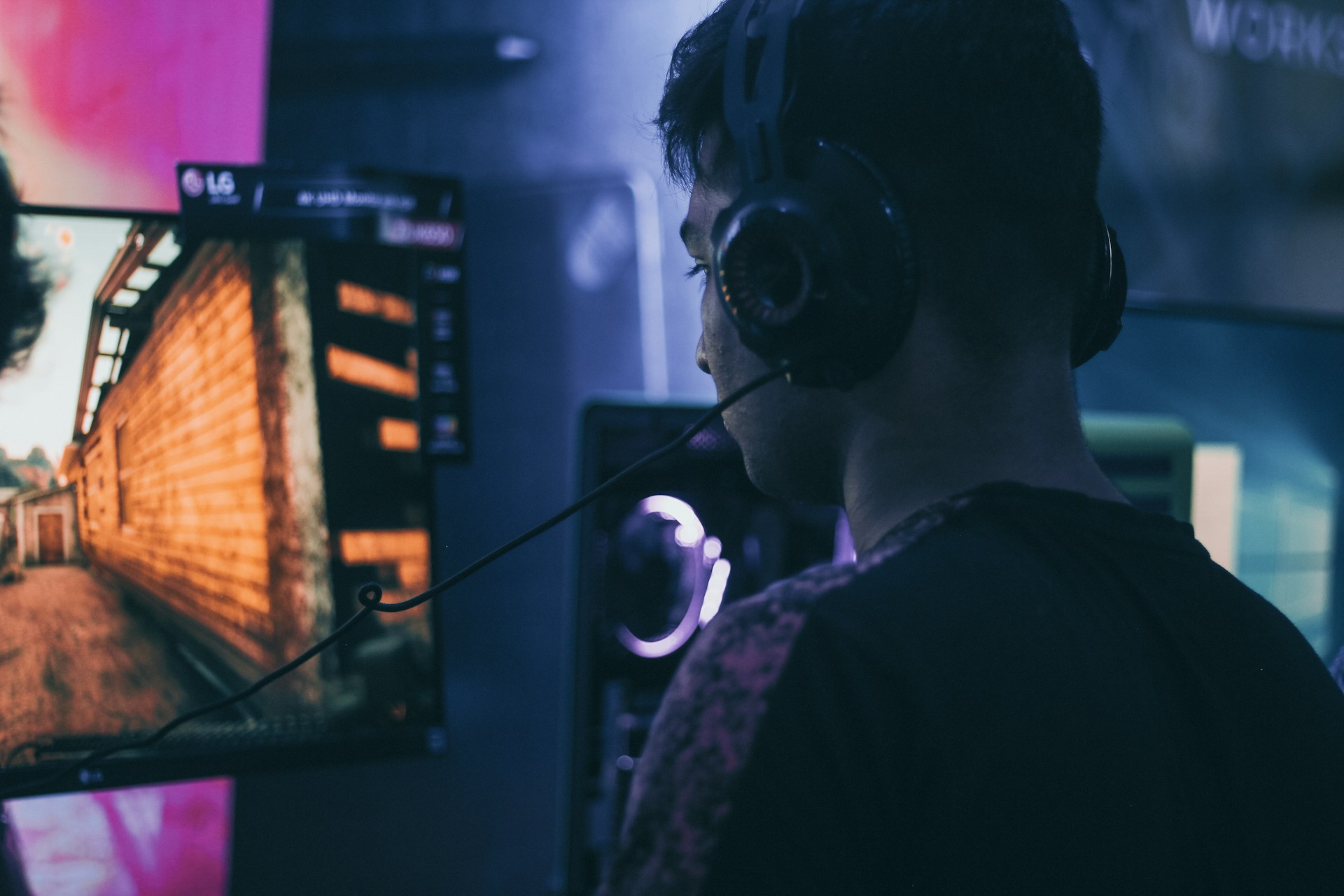 Photo by Fredrick Tendong on Unsplash
Platform-specific audio optimization for CoD content
Generating good AI voice audio is step one. Getting it sounding right on each platform requires additional work.
YouTube audio standards
YouTube's audio normalization aims for -14 LUFS. Military voice content that peaks above this will get pulled down, but content that's already too quiet will get pushed up and may reveal background noise in your AI-generated audio.
Generate your voice audio, then run it through a free tool like Audacity or DaVinci Resolve's Fairlight to normalize it properly. For military voice content, you also want minimal reverb. Game footage has its own acoustic space. Adding reverb to the voice layer creates a muddy mix. Keep the AI voice dry and let the game audio carry the spatial dimension.
Background music choice matters too. Military drum patterns, orchestral swells, or subtle electronic tension music complement the CoD voice aesthetic without competing with it. The voice should always sit clearly above the music in the mix.
TikTok audio considerations
TikTok's processing is more aggressive than YouTube's. It applies its own compression and normalization to uploaded audio. For AI voice content, this means you should record slightly cleaner and brighter than you think you need. The platform's processing will add warmth.
Short-form content also benefits from faster initial delivery. TikTok audiences decide within two seconds whether to keep watching. Open with your strongest audio hook, the most recognizable military phrase or the funniest line, rather than building to it.
Streaming audio routing
For live streaming, AI voice audio typically runs through a separate source in OBS or Streamlabs. Keep your CoD AI voice audio on a dedicated channel so you can control its volume relative to game audio and your microphone independently.
Pre-generate a library of short clips: callout phrases, countdown sequences, tactical reports, character-specific quotes. Hot-key them for immediate playback during streams. A well-timed military voice callout during a kill streak creates genuine moments that clip well.
Browse gaming voices to build a complete library of sounds that work together for a cohesive streaming setup.
Building a recognizable content brand with CoD AI voices
Individual viral clips are great. A content brand with recognizable character is better. AI voice consistency is one of the underused tools for building that brand.
Creating a signature voice identity
Pick one primary voice register and stick with it. If your channel uses the weathered British commander voice for narration, that voice should appear in every video. Audiences build recognition for consistent sonic signatures the same way they do for visual branding.
The most successful gaming channels have identifiable audio personalities. Some achieve this through the creator's own voice. But AI voice technology lets you build an equally distinct identity even if your natural speaking voice doesn't suit the content format you're creating.
Define your voice identity before generating content at scale. What's the accent? What's the emotional baseline, calm, intense, sardonic? What vocabulary does this persona use? Document these decisions and apply them consistently.
Crossover content with other gaming franchises
CoD AI voice content doesn't have to stay within the franchise. Some of the best-performing gaming content plays CoD-style voices in other game contexts. Imagine a military briefing-style voiceover for Minecraft. A tactical callout sequence describing moves in a Mario Kart race. The contrast between the serious delivery and the gentle game context generates strong comedic response.
The TF2 AI voice content space provides good examples of how gaming franchise voice content builds audiences, with techniques that transfer directly to CoD content creation.
Overwatch content creators have built substantial audiences using the same fundamental approach: recognizable game voice aesthetic applied to broad gaming content formats.
Lore and narrative deep dives
Call of Duty has a surprisingly deep lore ecosystem, particularly across the Black Ops and Modern Warfare continuities. Audience appetite for lore analysis, timeline explanations, and character backstory videos is substantial.
AI voice narration transforms these videos. Reading exposition in a flat, unmodulated voice makes lore content dry. The same content delivered with the gravelly authority of a Price-style voice, or the cold analytical delivery of a villain character, becomes genuinely engaging.
Write your lore content as dramatic narration rather than academic summary. Don't say "Captain Price was born in 1953 and served in the SAS." Say "Price came up through the SAS in an era when the Cold War still cast shadows over every operation. By the time he met MacMillan in Pripyat, he'd already buried most of the men he'd worked with."
The AI voice elevates prose like this into something that sounds produced and intentional.
Audio editing techniques for CoD voice content
Good AI audio plus bad editing still sounds bad. A few specific techniques make CoD-style voice content sound professional.
Adding radio filter effects
The signature sound of CoD in-game communication is radio-filtered voice. Slightly compressed, with a subtle high-pass that cuts low frequencies, and occasionally a light static element. Replicating this effect transforms clean AI voice audio into something that sounds like it came directly from the game.
In Audacity, apply a high-pass filter at around 300 Hz, add a subtle compressor, and reduce the dynamic range. A small amount of room noise or static can complete the effect. This works especially well for montage content where you want the audio to blend with game sounds.
Voice layering for drama
Military narrative content benefits from subtle layering. Generate your primary narration at full clarity. Then generate a slightly modified version of key words or phrases and blend it underneath at low volume. The result is a slightly thicker, more cinematic sound that sounds like it belongs in a blockbuster trailer rather than a bedroom recording.
This technique works because it replicates how Hollywood voice work is mixed. Film trailers often layer multiple voice takes to achieve that larger-than-life presence. AI tools make replicating this approach accessible to individual creators.
The movie trailer AI voice guide covers this technique in more detail, with specific settings that translate well to gaming content.
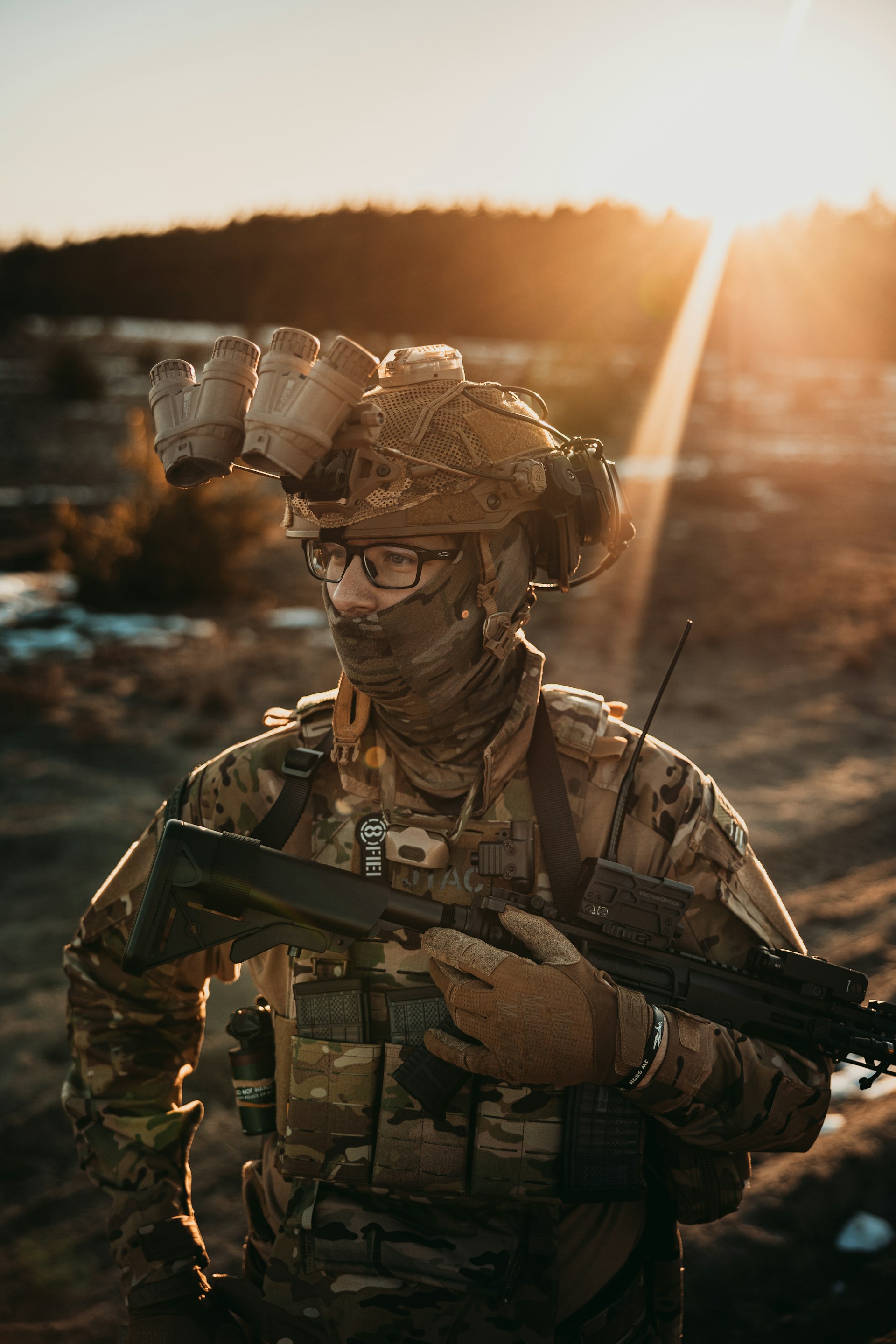 Photo by Taiwangun on Unsplash
Matching voice to music tempo
CoD music tends to be driving, rhythmic, and orchestrally complex. AI voice narration that ignores musical tempo sounds disconnected from the underlying track. When editing, match your phrase ends and pauses to musical beats or transitions.
This is a professional editing technique that significantly elevates the perceived quality of your content. Audiences don't consciously notice it, but they feel the coherence. Content where audio elements work together rhythmically gets characterized as "high quality" or "well produced" even by viewers who couldn't explain why.
Time your script delivery to land key statements on downbeats. Use pauses that align with musical phrases. Let the music breathe between narration segments. This kind of editorial attention is what separates content that feels produced from content that feels assembled.
Legal considerations for Call of Duty AI voice content
Using CoD-inspired voices and aesthetic elements raises legitimate questions about intellectual property. Understanding the landscape protects your content from removal.
What's protected and what isn't
Voice style and accent type are not copyrightable. The gravelly British military commander aesthetic isn't owned by Activision. You can generate content in that general style without legal issue.
The actual voice performances of specific actors are a different matter. Using AI to precisely replicate the voice of a specific performer who voiced a CoD character raises right-of-publicity questions in some jurisdictions. The safe approach: generate content in a style inspired by CoD characters without attempting perfect replication of specific actors.
Game audio itself, the actual in-game voice lines, is copyrighted by Activision. Using actual game voice samples in your content is different from using AI-generated voices in the same style. The latter has much stronger legal footing.
Fair use and commentary
Commentary, criticism, and parody enjoy fair use protections in the US. A video analyzing CoD voice acting, or parodying the franchise's tone, has stronger legal standing than a video that simply replicates the experience without transformative purpose.
Adding your own commentary, criticism, creative transformation, or educational framing gives your content a clearer fair use argument. Pure replication is harder to defend. Original content that draws inspiration from CoD voice aesthetic is not a legal risk.
Read about AI voice regulation and current legal landscape for a more detailed overview of where AI voice law currently stands.
Platform policies
YouTube and TikTok have their own content policies on top of legal requirements. Both platforms have Content ID systems that can match game audio. AI-generated voices in CoD style don't trigger Content ID, which is a practical advantage over using actual game audio clips.
Disclosing AI-generated content aligns with both platform guidelines and audience trust. Most CoD content audiences have no objection to AI voice tools, particularly for creative and entertainment formats. Transparency builds credibility rather than undermining it.
Comparing voice generation platforms for CoD content
The market for AI voice tools is crowded. For CoD-specific content needs, a few capabilities differentiate platforms worth using from those that won't serve you well.
What matters for gaming content specifically
Latency: Gaming content creators work on tight schedules. If your voice generation takes hours, it disrupts your production workflow. Platforms with instant or near-instant generation are significantly more practical for regular content output.
Voice depth and texture: Smooth, corporate voices don't serve CoD content. Look for platforms that specifically offer deep male voice options with the textured quality that military characters require. Generate a test clip of tactical military dialogue before committing to any platform.
Script length handling: Game lore videos and strategy guides require extended narration. Some platforms limit script length or degrade quality for longer inputs. Test your platform with a 500-word military script to see how well it maintains consistency over longer content.
TryAIVoices handles extended scripts effectively, maintains voice consistency across long-form narration, and offers the deep voice options that CoD content demands. The gaming voice library covers the full range of character types you'll need for franchise crossover content.
Building a content toolkit
Serious CoD content creators use AI voice tools as one component of a larger production toolkit. Voice generation pairs with screen capture, video editing, music licensing, and thumbnail design to produce complete content packages.
Think about your AI voice workflow as part of the total production process. Where does it fit? Most creators generate voice audio early in post-production, before editing begins, and use the audio structure to guide their clip selection and timing decisions. The voice tells the story. The footage illustrates it.
This "audio-first" editing approach produces more coherent final products than assembling footage and then adding voice afterward. The military narrative drives the edit rather than commenting on it after the fact.
Growing a Call of Duty AI voice channel
Building an audience around CoD voice content requires a consistent publishing strategy and understanding of what actually drives sharing behavior.
Content calendars aligned with the game cycle
Call of Duty releases new content in seasons. Each season brings new maps, weapons, operators, and narrative elements. Content that responds to new releases captures search traffic at its highest density. Plan your AI voice content calendar around CoD's season schedule.
New map reveals benefit from tactical reconnaissance-style narration. "Intel suggests the central position will be the primary contest zone. Flanking routes exist to the east and west, but both are exposed." This content serves genuine viewer interest while demonstrating production value.
New operator introductions give you character voice opportunities. A new operator with a British background gives you obvious Price-adjacent voice territory. A Russian character opens the Reznov register. Match your voice generation choices to the cultural background of the content.
Community engagement through voice
The CoD community produces an enormous volume of memes, clips, and reactions. AI voice content that references specific community moments or jokes builds rapid recognition within the audience.
Pay attention to what phrases, moments, and running jokes are circulating in the community. Generate AI voice content that references these shared references. The audience recognizes the reference, appreciates that you're tuned in, and shares the content because it validates their community membership.
The roast AI voice content format uses a similar community engagement mechanism that adapts well to gaming content creation.
Collaborations and crossover content
CoD AI voice content can collaborate with creators from adjacent gaming communities. Crossover videos comparing CoD voice aesthetic with other gaming franchises drive both audiences to discover the other creator.
Consider: a CoD military voice versus TF2 mercenary voices comparison video. Or a crossover battle between Overwatch hero voices and CoD operative style. These formats serve both communities and get recommended across both audiences.
Gaming library content at TryAIVoices gives you the voice options to execute crossover content across multiple gaming franchises without needing separate tools for each.
Script templates for Call of Duty content formats
Concrete examples help more than abstract principles. Here are tested script structures for common CoD content formats.
Mission briefing template
Use this structure for tactical guide introductions, strategy video openers, or any content that frames gameplay advice as operational intelligence.
"[Location name]. [Enemy faction] maintains control of the [objective description]. Three access routes. North requires suppression support. East is the fastest approach but most exposed. South offers cover but adds [time estimate] to your transit. Your choice. Mission parameters: [victory condition]. Time on target: [time window]. Complications are expected. Move out."
This template works for map guides, loadout recommendations framed as gear selection for specific missions, and ranked strategy content.
Montage narration template
Use this for highlight reel content with cinematic ambitions.
"[Mission designation]. [Date, optional]. What we didn't know going in: [element of uncertainty]. What we knew: [objective]. The opposition had [numerical/tactical superiority]. It didn't matter. [Event reference]. [Event reference]. [Climactic moment reference]. Objective secured. [Closing reflection in one sentence]."
Comedic military voice template
Use this for comedy content that plays serious delivery against absurd situations.
"[Normal situation described in the most operationally formal language possible]. Intelligence suggested [mundane obstacle]. The timeline was compressed. [Absurd tactical response to mundane situation]. Objective: [mundane goal stated as a tactical objective]. Execute."
The comedy lies entirely in the gap between the register and the content. Keep the voice dead serious. The script does the comedic work.
 Photo by Fábio Magalhães on Unsplash
Advanced techniques for experienced creators
Content creators who have mastered the basics of CoD AI voice content can push further with these advanced approaches.
Character voice contrast editing
The most cinematic CoD content contrasts character voice registers. A scene that begins with calm, analytical villain narration and then cuts to urgent, action-focused hero delivery creates dynamic tension that simple single-voice content can't achieve.
Generate two or three distinct voice registers for a single piece of content. Give each a distinct personality within the CoD aesthetic. Villain voice is slower, more measured, uses longer sentences. Hero voice is faster, clipped, imperative. Briefing voice is neutral, factual, devoid of personal inflection.
Cut between these voices strategically to control your content's emotional tempo. The contrast creates the impression of a full cast, which elevates perceived production value dramatically.
Documentary format application
Long-form CoD documentary content, lore breakdowns running twenty minutes or longer, performs well on YouTube with the right production approach. AI voice narration throughout creates a consistent professional standard that sustains audience attention.
Document-style CoD content treats the franchise's events as historical record. The voice register is measured, analytical, almost journalistic. It doesn't editorialize except in clearly framed "analysis" segments. This approach works because it respects the audience's intelligence and treats the subject matter with genuine seriousness.
The Arthur Morgan voice offers a weathered, character-rich delivery that works beautifully for this documentary narrator register, carrying weight and credibility across extended runtime.
Live event reaction content
Major CoD announcements, tournament moments, and game updates generate intense audience interest. Live or rapid-turnaround content that responds to these events captures peak search traffic.
Build a library of pre-generated AI voice clips for common reaction scenarios. Victory announcement. Defeat acknowledgment. Tactical assessment. Breakdown of what went wrong. These can be deployed in rapid-turnaround content without requiring fresh generation for each piece. The clips just need context around them to become timely reactions.
This efficiency lets you publish in the first hour after a major CoD event, when engagement and traffic are highest, with production quality that raw reaction content typically lacks.
Frequently asked questions
What AI voice options work best for Captain Price-style content?
Deep British male voices with deliberate pacing produce the best results for Price-style content. Look for voice generators with genuine accent capability rather than generic "British" options that only approximate the sound. Test with short tactical script samples before committing to a platform. TryAIVoices offers deep authoritative voice options that match this register.
Can I monetize YouTube videos using Call of Duty AI voice content?
Yes, in most cases. AI-generated voices in CoD style don't trigger Content ID because they're not actual game audio. As long as your content doesn't use actual copyrighted audio from the games, and has sufficient original creative content to qualify as transformative, monetization is generally achievable. Always check current platform policies, as they update regularly.
How do I get military radio static effects on my AI voice audio?
In Audacity, apply a high-pass filter at 300 Hz to cut low frequencies, add compression to reduce dynamic range, and optionally add a gentle noise layer. Many video editors including DaVinci Resolve have built-in radio filter presets that handle this in one click. The movie trailer AI voice guide covers audio processing techniques that apply to this effect.
How long should AI voice scripts be for CoD content?
Short-form TikTok content: 15 to 30 seconds of dialogue. YouTube Shorts: 30 to 60 seconds. YouTube long-form: scripts can extend to several minutes of narration but should be broken into sections with natural pauses. The key is matching script length to content format and avoiding narration that outlasts the footage it's accompanying.
Do I need voice acting experience to create good CoD AI voice content?
No. Writing good scripts matters more than voice acting skill when using AI generation. Understanding the CoD voice register, military communication style, and how to match script to voice type produces better results than any vocal technique. Read actual military communication examples to understand the vocabulary and rhythm, then apply that knowledge to your scripts.
Which CoD game has the most iconic voice acting?
Call of Duty 4: Modern Warfare and Modern Warfare 2 established the franchise's voice legacy, with Captain Price and Ghost becoming cultural touchstones. The Black Ops series built on this with equally distinctive characters. Most CoD AI voice content draws from these games because their voice performances are most deeply embedded in gaming culture and carry the strongest audience recognition.
Can I use CoD AI voices for commercial projects?
AI-generated voices in a CoD style can be used commercially because you're not using Activision's actual intellectual property. You're working in an inspired aesthetic rather than replicating specific protected material. For projects with significant commercial exposure, consider having an IP attorney review your specific use case. AI voice regulation is evolving and local laws vary.
Call of Duty's voice legacy runs deep through gaming culture. The franchise built some of the most recognizable vocal performances in the medium, and those voices carry cultural weight that extends far beyond gaming audiences. Content creators who understand this register and deploy it effectively gain an immediate production quality advantage.
The tools for creating this content have never been more accessible. TryAIVoices puts deep, authoritative, military-aesthetic voice generation within reach of any creator, with instant output and no technical barrier to entry. Start with the script, match the voice to your content format, and let the CoD legacy work for your channel.
Generate your first CoD-style voiceover at TryAIVoices. Browse the full gaming voice library to find the right character for every piece of content you create.