Roast AI Voice Generator: Create Comedy Insult Voices
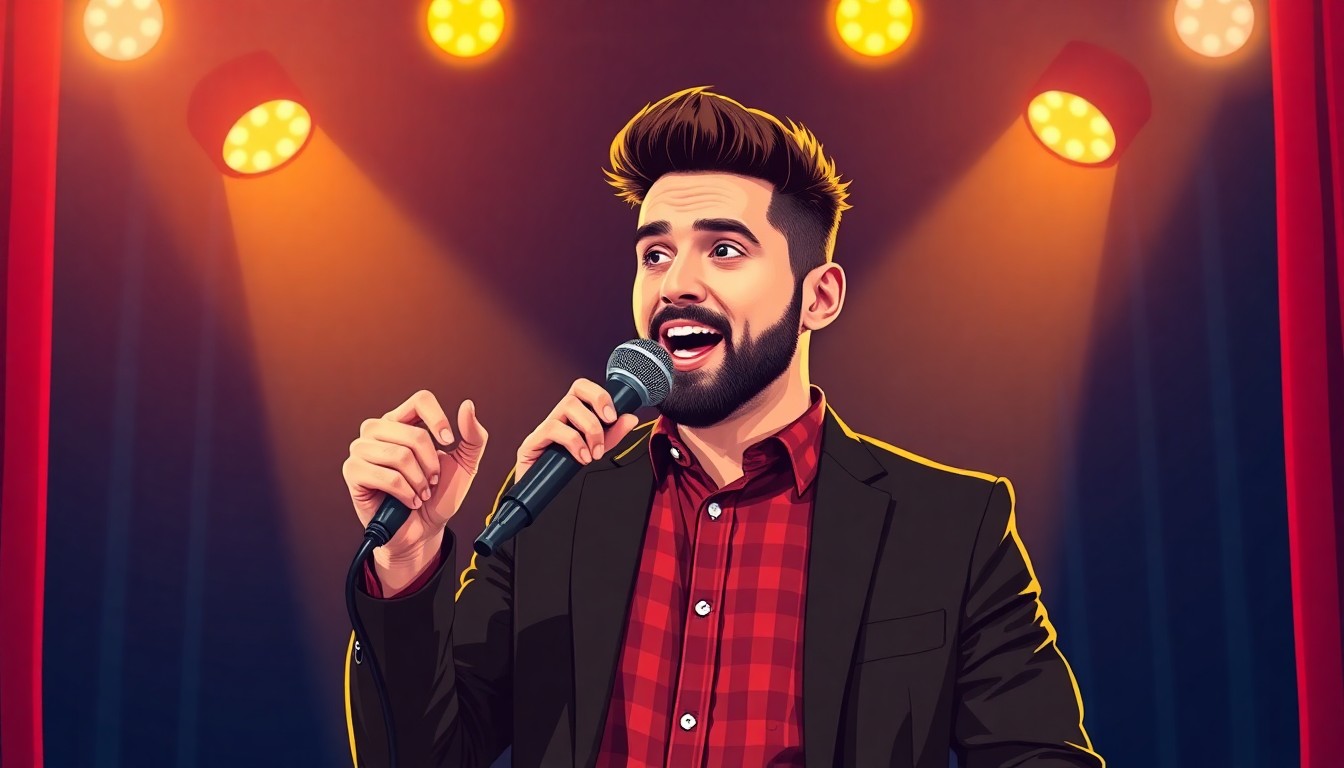
Creating viral roast content requires the perfect voice. Too aggressive sounds mean. Too soft loses the punch. Professional comedians spend years developing timing and delivery that makes insults land as hilarious rather than hurtful.
AI voice technology transformed roast comedy creation. Modern text-to-speech tools can generate voices with the attitude, timing, and delivery that make roasts work. We're talking about voices that sound confident without being cruel, sarcastic without seeming bitter, and sharp without crossing into genuine hostility.
This guide explores creating roast content with AI voices. You'll learn which voice types work best for different roast styles, how to write scripts that maximize comedic impact, and techniques for adapting celebrity and character voices to roast formats. We cover timing control, sarcasm delivery, platform-specific optimization for TikTok and YouTube Shorts, and legal considerations for roast content creation.
The demand for roast content explodes across social media. Comedy roast videos regularly hit millions of views. Creators build entire channels around roasting popular trends, video games, movies, or social media posts. TryAIVoices provides specialized voices for comedy content with emotion controls that capture sarcasm, attitude, and the perfect deadpan delivery roast comedy requires.
Understanding roast voice characteristics
Roast voices need specific qualities that separate good roasts from awkward insults. Confidence matters tremendously. The voice must sound completely sure of itself. Hesitation kills roast comedy. Imagine Gordon Ramsay questioning his own insults halfway through delivery.
Timing separates professional roasts from amateur attempts. Comedians know when to pause for effect, when to accelerate through a rapid-fire barrage, and when to let silence amplify the impact. AI voices require careful script structure to achieve this timing through punctuation and phrasing.
Tone walks a fine line between playful and harsh. The best roast voices sound like they're having fun. They're not genuinely angry or trying to hurt feelings. This playfulness typically comes through in slight vocal smile qualities, energy that stays elevated rather than dropping into serious register, and delivery that suggests the speaker enjoys their own cleverness.
Sarcasm requires specific vocal patterns. The pitch often stays flatter than emotional speech. Words get emphasized unexpectedly. "Oh, that's a GREAT idea" hits differently than "Oh, that's a great idea" depending on which word carries emphasis and whether pitch rises or falls.
Different roast styles demand different vocal characteristics. Deadpan roasts use minimal pitch variation and low energy. The humor comes from the contrast between savage content and bored delivery. High-energy roasts blast through insults with enthusiasm and volume. Sarcastic roasts mix sweet tone with brutal content. Understanding these varieties helps you select appropriate AI voice settings.
Cultural context shapes roast comedy. British roast humor tends toward dry wit and understatement. American roast comedy often goes bigger and more obvious. Stand-up roast battles feature aggressive delivery. Internet roast culture developed its own style mixing all these influences. Your target platform and audience determine which approach works best.
Best AI voices for roast comedy
Not every AI voice handles roast comedy effectively. Generic professional TTS voices sound too neutral. Overly dramatic voices seem tryhard. Finding voices with the right attitude and flexibility matters enormously.
Celebrity voices provide instant recognition and built-in comedic associations. Gordon Ramsay's voice obviously works for roast content. His entire brand revolves around creative insults. Donald Trump's voice brings recognizable cadence and attitude. Barack Obama's voice creates humor through contrast, his measured, presidential tone delivering savage roasts sounds inherently funny.
Cartoon character voices offer exaggeration that serves roast comedy well. Peter Griffin delivers roasts with exactly the right mix of confidence and stupidity. Eric Cartman from South Park has decades of roast comedy built into the character's vocal patterns. SpongeBob creates humor through unexpected contrast when an optimistic children's character delivers cutting commentary.
Movie character voices bring personality that enhances roasts. Darth Vader turning his dramatic villain voice to mock everyday situations hits perfectly. Yoda roasting in backward sentence structure adds an extra layer of comedy.
Narrator and announcer voices work brilliantly for deadpan roast content. Deep, authoritative voices delivering absurd insults with complete seriousness creates strong contrast humor. Movie trailer voice announcing mundane failures like epic catastrophes consistently generates laughs.
Standard AI voices work when customized properly. A confident female voice with slight sarcasm works for commentary-style roasts. A deep male voice with deadpan delivery handles observational roast humor. Energetic younger voices suit rapid-fire insult comedy. TryAIVoices' voice library includes over 500 options spanning different personalities, ages, and attitudes suitable for various roast styles.
Voice quality indicators for roast comedy include natural-sounding confidence, ability to convey sarcasm through text interpretation, consistent energy that doesn't drop mid-roast, and clear pronunciation even during fast delivery. Test potential voices with sample roast scripts before committing to full content production.
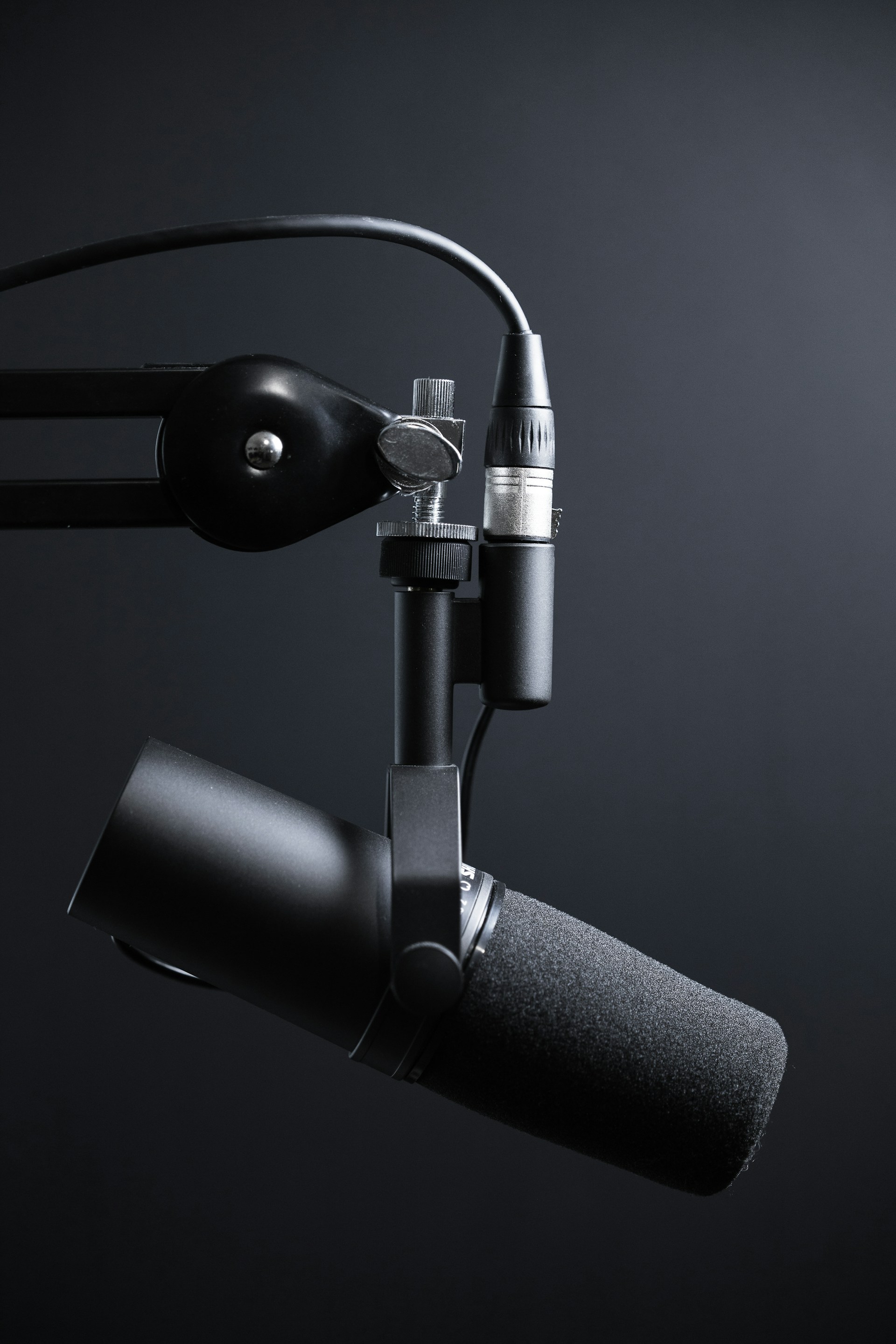 Photo by Possessed Photography on Unsplash
Writing scripts for maximum roast impact
Script quality determines whether AI roasts land or flop. Writing effective roast scripts differs significantly from standard comedy writing.
Start with a clear target. Vague roasts don't work. "You're bad at things" sounds weak. "You cook like you're actively trying to violate the Geneva Convention" creates a vivid, specific image. The more concrete and specific your insult, the funnier it becomes.
Build to punchlines methodically. Set up expectations then subvert them. "I've seen a lot of terrible ideas in my life. I've witnessed some truly catastrophic decision-making. But this. This is somehow worse than all of them combined." The build creates anticipation. The short final sentence delivers impact.
Comparative roasts generate strong laughs. "You have the charisma of a DMV waiting room." "This strategy has the same energy as bringing a knife to a tank fight." Comparisons make abstract failures concrete and relatable.
Escalation structures work beautifully for AI voices. Start mild then increase severity. "That's not great. Actually, it's bad. No, it's terrible. You know what? This might be the worst thing I've ever seen." Each step punches harder than the last.
Punctuation guides AI delivery more than you'd expect. Periods create pauses that let punchlines breathe. Commas control pacing. Question marks add sarcasm when used strategically. "Oh you thought that was good?" hits harder than "You thought that was good." The questioning inflection amplifies mockery.
Avoid overly complex vocabulary. Roasts work best with clear, punchy language. "Your methodology exhibits substantial deficiencies" sounds academic. "You're doing everything wrong" hits immediately. Save clever wordplay for occasional flavor rather than constant deployment.
Repetition for emphasis amplifies roasts. "Bad. Bad. So bad." The repeated word gains impact through rhythm. "What were you thinking? Seriously, what were you thinking? Because I genuinely want to know what was going through your mind." Repetition shows the roaster can't believe the target's choices.
Personal but not cruel remains the balance. Professional roasts mock choices, actions, and skills rather than appearance or unchangeable characteristics. "Your haircut is stupid" falls flat and feels mean. "You chose a haircut that makes you look like you lost a bet" targets the decision rather than the person.
Test your scripts aloud. Read them with exaggerated attitude. If they sound funny when you perform them dramatically, they'll work with AI voices. If they fall flat in your own delivery, rewrite before generating audio.
Platform-specific roast content strategies
Different platforms reward different roast approaches. Optimizing for your target platform maximizes viral potential and engagement.
TikTok roast content demands immediate impact. The first three seconds determine whether viewers scroll past. Jump straight into the roast. "We need to talk about this disaster" works better than "Hey everyone, today I'm going to discuss why this is problematic." Lead with attitude and energy.
Short-form vertical video thrives on trending formats. "POV: You're [character] roasting [target]" performs consistently. "[Character] reacts to [viral trend]" with roast commentary capitalizes on existing attention. Find trending audio or video formats then add your roast voice as commentary.
Visual elements enhance TikTok roasts significantly. Show the thing being roasted while your AI voice provides commentary. Gameplay footage with savage narration. Terrible cooking videos with Gordon Ramsay AI roasting the chef. Bad product designs with deadpan narrator voice explaining their flaws. The combination of visual and vocal roast doubles the impact.
YouTube Shorts allows slightly longer content than TikTok (60 seconds vs 15-30). Use the extra time for setup and payoff structure. Establish context briefly, deliver the roast, then add a final kicker. The three-act structure works even in one minute.
Full-length YouTube videos enable comprehensive roast content. Deep dives roasting entire games, movies, or product lines. The longer format allows building running gags. Reference earlier roasts as callbacks. Create escalating patterns where each criticism hits harder than the last.
Instagram Reels sits between TikTok and YouTube for content style. The audience expects slightly more polished production than TikTok's raw aesthetic. Clean audio mixing matters more. Visual presentation benefits from better editing. But the content style remains similar to TikTok, quick hooks and immediate payoffs.
Twitter and social media clips work best as extracted highlights. Take your best 10-second roast from longer content and share it independently. "This single line" performs well when it's genuinely the sharpest roast from the full piece. Don't try to create standalone Twitter content, extract it from your better platform content.
Reddit communities appreciate different roast styles depending on the subreddit. Gaming communities enjoy technical roasts about game design flaws. Movie subreddits want analysis-backed criticism. r/RoastMe enables direct personal roasts within specific cultural rules. Study your target community's roast conventions before creating content for that space.
Discord and community servers use roast content as recurring entertainment. Create a signature roast series that drops regularly. Community members anticipate new episodes. The parasocial relationship makes roasts land harder because the audience feels connected to the roast persona.
Podcast segments benefit from longer-form roast content. Five-minute roast segments can go deep on topics. The audio-only format means your AI voice carries everything. No visual crutches. This demands higher script quality but enables more sophisticated comedy.
 Photo by Matt Botsford on Unsplash
Timing and delivery techniques
Timing transforms mediocre roasts into legendary ones. Controlling AI voice pacing and rhythm maximizes comedic impact.
Pause placement creates anticipation and emphasis. "Your idea is... interesting." That pause before "interesting" signals incoming sarcasm. The listener knows a roast follows. "This is the worst thing I've seen... today." The pause before "today" intensifies the insult by suggesting worse exists.
Speed variation prevents monotony. Blast through setup quickly then slow down for the punchline. "You've made a lot of mistakes in your life and most of them are forgivable but THIS [slow down] this is something special." The rhythm shift highlights the key insult.
Emphasis through capitalization guides AI voices. "This is GREAT" with caps on great tells the AI to hit that word harder. Combined with sarcastic script structure, this creates obvious mockery. "Oh you're REALLY smart for trying that" drips with sarcasm through emphasis placement.
Sentence length variation creates rhythm following Gary Provost principles. Mix short and long sentences. "Bad idea. Really bad. I'm talking catastrophically terrible, the kind of decision that historians will study to understand how things go wrong." The short sentences punch. The long sentence builds momentum.
Repetition for comedic effect works when timed correctly. "No. No, no, no. Absolutely not." Each repetition gets faster, showing increasing incredulity. "What. What? What?!" Each iteration rises in pitch and intensity. These patterns require careful punctuation to guide AI interpretation.
Callback timing matters in longer content. Reference earlier roasts with enough gap that the audience almost forgot them. "Remember when I said that first thing was bad? That was adorable compared to this." Callbacks work best when they're unexpected but logical.
Deadpan delivery timing uses consistent pacing regardless of content. "Your cooking could be classified as a war crime" delivered in the same tone as "It's a nice day today" creates humor through contrast. Maintain absolutely even pacing and energy for maximum deadpan effect.
Build-and-release structures control energy. Build tension through escalating setup then release with a sharp punchline. "I've seen bad ideas. Witnessed terrible concepts. Analyzed catastrophic plans. [pause] This somehow tops all of them." The build creates anticipation the punchline satisfies.
Test timing variations. Generate the same roast script with different punctuation and structure. Compare which version lands hardest. "Your skills are. Questionable" versus "Your skills? Questionable" versus "Your skills are questionable" all hit slightly differently.
Creating character-specific roast personas
Developing consistent roast personas builds audience connection and brand identity. Viewers return for specific personalities.
The Savage Critic persona delivers brutal honesty without filter. This character sees flaws everywhere and points them out with glee. Gordon Ramsay exemplifies this archetype. The voice stays energetic and confident. Scripts emphasize exaggeration and creative insults. "This is so bad it's personally offensive to me" captures the Savage Critic energy.
The Disappointed Observer uses calm, measured tones that make roasts land harder through understatement. Think nature documentary narrator applying that voice to roasting terrible ideas. "Here we observe the subject making yet another questionable decision" delivered in David Attenborough style generates laughs through contrast.
The Sarcastic Friend persona roasts like a supportive friend who still has to point out when you've done something stupid. The voice mixes affection with mockery. "Buddy. Friend. What are you doing? Why would you think that's a good idea?" The concern seems genuine even while roasting.
The Overcritical Expert brings technical knowledge to roasts. This works brilliantly for gaming content, movie analysis, or technical topics. The persona roasts from expertise rather than just attitude. "From a design perspective this violates every principle we have" sounds authoritative and funny.
Cartoon characters provide built-in personas. Eric Cartman brings his established personality. Viewers know his character, so roasts align with expectations. Rick Sanchez delivers roasts with scientific condescension. Stewie Griffin roasts with his characteristic superiority complex.
Political figures create humor through unexpected applications. Trump AI voice roasting video games or movies applies his speaking style to absurd contexts. Obama's measured delivery roasting petty social media drama generates laughs through tonal mismatch.
Consistency matters for persona development. Pick vocal qualities and stick with them. Always use similar energy levels, pacing, and attitude. Audiences connect with consistent personalities. Changing your roast style randomly confuses viewers and reduces shareability.
Create signature phrases for your persona. Catchphrases build recognition. "And that's where you messed up" as a recurring line. "Let me explain why this is terrible" as your standard opening. These verbal tics make your content immediately identifiable.
Document your persona characteristics. Energy level, typical pacing, common phrases, topics you roast, and style preferences. This consistency guide ensures every piece of content sounds like the same character even when created across different sessions.
Roasting different content types
Different roast targets require adapted approaches. Gameplay roasts differ from movie roasts differ from social media roasts.
Gaming content roasts focus on player decisions, game design flaws, or gameplay moments. "Who needs strategy when you can just run directly at the enemy and hope?" roasts bad gameplay. "The developers really thought this boss fight was balanced" roasts game design. Gaming voices provide character options that fit this niche.
Sports commentary roasts combine play-by-play with savage commentary. "And here comes player making the exact mistake we knew he would make" delivered in announcer voice. Sports announcer AI voices bring the authentic broadcasting tone that makes sports roasts work.
Movie and TV show roasts analyze bad dialogue, plot holes, or questionable creative decisions. "The writers really thought this twist would shock audiences" captures the analytical roast style. Longer-form YouTube content enables deep dives into why things don't work.
Social media post roasts react to trending content, viral videos, or questionable takes. "This person woke up and chose chaos" roasts bad social media behavior. TikTok and Shorts thrive on this format. The roast voice provides commentary over the original content.
Product roasts examine bad designs, overpriced items, or useless inventions. "Someone designed this, other people approved it, and then they made thousands of these" roasts the entire process. Deadpan delivery works beautifully for product roast content.
Life situation roasts tackle relatable everyday failures. "Trying to leave the house but forgetting something every time" narrated with exasperated roast voice. These connect with broad audiences through shared experiences.
Music roasts analyze questionable lyrics, awkward performances, or confusing artistic choices. "The songwriter really thought these lyrics were deep" delivered sarcastically. Music roasts require careful copyright consideration since using original audio creates legal issues.
Reality TV roasts comment on contestant choices, show editing, or over-the-top moments. The roast voice acts as viewer representative pointing out absurdity. This works for reaction-style content where you show clips while providing roast commentary.
Trend roasts mock popular but silly social media trends. "We've reached the point where people think this is entertainment" roasts the trend itself. These capitalize on existing attention while adding your comedic perspective.
Voice customization for roast delivery
Adjusting AI voice parameters optimizes roast impact. Different settings produce wildly different comedic effects.
Pitch adjustment affects perceived attitude. Slightly lower pitch often sounds more authoritative and confident. Higher pitch can work for energetic, excited roasting. Moderate pitch with minimal variation creates deadpan effects. Test pitch adjustments with your roast script to find what lands hardest.
Energy and enthusiasm controls determine how much the voice cares. High energy suggests the roaster is fired up about the target's failures. Low energy implies casual dismissiveness. "This is terrible" with high energy sounds outraged. Same words with low energy sound bored by how predictably bad something is.
Emotion settings enable sarcasm when platforms support granular control. Reduce "sincerity" while maintaining "confidence" for sarcastic delivery. Increase "annoyance" for frustrated roasts. Adjust "playfulness" upward for friendly roasting that avoids seeming genuinely mean.
Speaking rate affects comedic timing. Faster delivery works for rapid-fire roasts and energetic personas. Slower, more deliberate pacing suits deadpan or analytical roast styles. Variable speed within single pieces creates emphasis, slow down for key punchlines while maintaining quick pacing during setup.
Emphasis and stress patterns guide which words hit hardest. "This is REALLY bad" versus "This is really BAD" create different effects through emphasis placement. Not all AI platforms respond to caps-based emphasis, but those that do provide valuable control.
Voice stability determines consistency versus variation. Perfect stability sounds slightly robotic but creates consistent deadpan delivery. Some natural variation prevents monotony for longer content. High variation risks inconsistency that breaks character.
Breathing and pause settings add realism. Sighs of frustration before roasts. Pauses that suggest speechless disbelief. These human elements make AI roasts feel less mechanical. "I... I don't even know where to start with this [sigh]."
TryAIVoices provides granular controls specifically designed for character voices and emotional delivery. Adjust sarcasm levels, confidence, energy, and other parameters independently rather than relying on generic TTS settings. This precision helps achieve exact roast delivery rather than approximations.
Pre-save settings for your roast persona. Once you find the perfect combination of pitch, energy, pacing, and emotion controls, save these as presets. This ensures consistency across all your content.
Combining AI voices with editing for polish
Raw AI output benefits from editing and enhancement. Professional-sounding roast content requires post-production work.
Audio cleanup removes artifacts and background noise. Run AI-generated voices through noise reduction in Audacity or Adobe Audition. This removes subtle hiss or digital artifacts some AI platforms produce. Clean audio sounds more professional and less obviously synthetic.
Compression evens out dynamic range. Roast content often moves between quiet sarcasm and loud emphasis. Audio compression reduces this range so quiet moments stay audible while loud moments don't distort. Use gentle compression ratios (2:1 or 3:1) to maintain natural dynamics.
EQ adjustments enhance voice clarity. Boost mid-range frequencies (2-4 kHz) where voice presence lives. Cut harsh frequencies (6-8 kHz) if the AI voice sounds sibilant. High-pass filter below 80 Hz removes rumble that occasionally appears in AI audio.
Reverb and spatial effects integrate voices into content. Completely dry AI voice sounds disconnected from video. Add subtle room reverb to make the voice feel present in a space. Match reverb to your visual content, outdoor scenes need different spatial qualities than indoor settings.
Music and sound effects elevate roast content. Dramatic sting sounds emphasize particularly savage roasts. Sad trombone sounds after roasting failures. Background music maintains energy during longer pieces. Keep music subtle enough that the voice stays primary.
Pacing adjustments through editing improve timing. If the AI generates a pause that's slightly too short, extend it manually. Trim excess silence that drags. Speed up less important sections while keeping punchlines at normal speed. Modern editors like DaVinci Resolve or Premiere Pro enable granular speed adjustments without pitch shifts.
Layering multiple takes creates dynamic performances. Generate the same roast 2-3 times. Edit between takes to use the best delivery for each sentence. This selective compilation produces better results than any single generation.
Volume automation emphasizes key moments. Slightly boost volume on punchlines. Reduce volume on setup sections. These subtle shifts guide listener attention to important content.
Silence strategic removal or addition changes impact. Cut dead air between sentences for faster pacing. Add pauses before punchlines for emphasis. One second of silence before a savage roast amplifies anticipation.
Test on multiple playback devices. Roast content often plays on phone speakers where bass response is terrible and highs can be harsh. Reference your mix on the devices your audience actually uses rather than only studio monitors.
Legal and ethical roast considerations
Creating roast content involves navigating legal boundaries and ethical questions around comedy that targets real people, products, or companies.
Fair use typically protects commentary and criticism in most jurisdictions. Roasting games, movies, products, or public figures generally falls under fair use when you're providing genuine commentary. Simply mocking something without transformative analysis sits in murkier territory.
Copyright claims on roast content usually target the underlying media you're roasting rather than the roast itself. Using game footage while roasting the game means your roast audio gets caught in copyright claims against the video. This doesn't mean your content violates copyright, but automated systems flag it anyway. Most creators accept this as part of roast content creation.
Defamation concerns arise when roasting real people. Comedy and opinion receive strong First Amendment protection in the US. But false statements of fact that damage reputation can create legal liability. "This person is terrible at cooking" as obvious opinion differs from "This person poisoned customers" as false factual claim.
Public figures receive less defamation protection than private individuals. Roasting celebrities, politicians, or internet personalities carries lower legal risk than roasting private citizens. Courts recognize that public figures invite commentary and criticism.
Platform guidelines vary significantly. TikTok's community standards prohibit bullying and harassment. YouTube's policies allow criticism but restrict targeted harassment. What counts as comedy versus harassment often depends on context, target, and degree. Roasting public figures rarely triggers removals. Roasting specific users might.
Disclosure requirements for AI voices vary by jurisdiction. Some regions require disclosure when content uses synthetic media. Adding "Voice generated by AI" in descriptions protects you legally and sets appropriate expectations. Most audiences accept AI voices when clearly labeled.
Commercial use licensing matters for monetization. TryAIVoices commercial licensing provides full rights to generated audio for paying subscribers. Free AI platforms often prohibit commercial use. Using AI voices on monetized YouTube channels or sponsored content requires commercial licensing.
Celebrity voice impersonation creates legal gray areas. Using AI versions of celebrity voices for parody and commentary typically receives protection. Commercial use implying celebrity endorsement crosses legal lines. "Gordon Ramsay roasts terrible food" as parody differs from "Gordon Ramsay recommends this product" as implied endorsement.
Ethics beyond legality matter. Punching up at powerful targets, corporations, or public figures sits differently than punching down at vulnerable individuals. The best roast content targets choices, actions, and decisions rather than unchangeable personal characteristics.
Audience sensitivity varies by platform and community. What works on edgy Reddit communities might violate family-friendly YouTube channel standards. Know your audience expectations and platform culture.
Monetization strategies for roast content
Roast content enables multiple revenue streams. Understanding monetization options helps you build sustainable content businesses.
YouTube ad revenue pays for video views. Roast content performs well in YouTube's recommendation algorithm when it generates strong watch time. Create compelling thumbnails with roasted subject visible plus reaction face or text overlay. Titles should clearly signal the roast angle while remaining advertiser-friendly. Family-safe roasts access wider monetization while edgier content faces restricted ads.
Channel memberships provide recurring income. Offer members early access to roast videos, exclusive roast content, or custom roast requests. Some roast channels earn $500-2,000 monthly from 50-200 members paying $5-10 monthly.
TikTok creator fund pays based on views and engagement. Roast content that goes viral can generate hundreds to thousands of dollars from TikTok monetization. Build a consistent posting schedule rather than hoping for individual viral hits.
Sponsorships and brand deals compensate roast creators differently than standard influencers. Brands appreciate the authentic voice and engaged audiences roast channels build. Some brands specifically seek roast creators to make their ads entertaining. "This sponsor is actually not terrible" delivered in roast voice becomes memorable advertising.
Merchandise works brilliantly for roast channels with strong personas. Catchphrases on t-shirts. Character art on hoodies. Signature roast lines on mugs. Audiences buy merchandise from creators they feel connected to, and roast personas build strong parasocial relationships.
Patreon and membership platforms enable direct fan support. Offer tiered rewards including exclusive roast content, custom roast requests, early access, behind-the-scenes content, and community Discord access. Successful roast creators earn $1,000-5,000 monthly from dedicated fanbases.
Commissioned roast content creates service-based income. Create custom roast videos for clients who want specific games, products, or concepts roasted. Pricing varies wildly from $50-500 per video depending on length and your audience size.
Twitch streaming with roast persona generates subscriptions, bits, and donations. Stream yourself creating roast content, react to viewer suggestions, or roast games live. The interaction makes audiences feel involved in content creation.
Digital products like roast script templates, sound effect packs with roast stings, or voice preset collections generate passive income. One-time creation effort pays repeatedly as customers purchase.
Course and educational content teaches others to create roast content. "How to write funny roasts" or "Building a roast YouTube channel" courses monetize your expertise. Platforms like Gumroad or Teachable enable self-publishing.
Growing your roast content audience
Building an audience for roast content requires consistent quality and strategic platform use.
Consistency beats viral chasing. Posting 2-3 times weekly builds audience faster than hoping for one viral hit. Algorithms reward regular creators. Audiences know when to expect new content. Create a sustainable schedule you can maintain long-term.
Thumbnail and title optimization massively impacts clickthrough rates. Roast thumbnails should show the roast target clearly plus reaction element. Shocked expression. "Yikes" text. Clear indication this is comedic critique. Titles need the target keyword plus emotional hook: "This Game is Hilariously Broken" beats "Game Review."
Niche specificity grows audiences faster than broad approaches. "Roasting bad game design" attracts game developers and players. "Roasting terrible marketing" attracts marketers. Specific audiences engage more deeply than general crowds. Your first 1,000 subscribers come from targeting specific interests.
Cross-platform presence multiplies reach. Long-form roasts on YouTube. Short clips on TikTok. Highlights on Instagram Reels. Audio versions on podcasts. Twitter threads with roast snippets. Each platform reaches different audiences who might follow you elsewhere.
Collaboration accelerates growth. Find other roast creators or comedians for collaboration videos. Their audience discovers your content. You gain credibility through association. Guest appearances on podcasts or streams introduce you to new viewers.
Community engagement builds loyalty. Respond to comments. Ask audiences what to roast next. Create polls for target selection. Community members who feel heard become advocates who share your content.
SEO optimization helps discovery. YouTube searches for "[game name] roast" or "why [movie] is bad" drive views. Include target keywords in titles, descriptions, and video content. Create videos addressing specific search queries your audience uses.
Trending topic capitalization provides temporary boosts. When games launch, movies release, or controversies erupt, audiences search for roast content. Creating timely roasts around trending topics captures this search traffic.
Quality over quantity still matters. One excellent roast generates more growth than five mediocre ones. Invest time in writing sharp scripts, selecting perfect voices, and editing for maximum impact.
Analytics study reveals what works. YouTube Analytics shows which videos retain audiences, where people drop off, and which topics perform. Double down on successful formats while abandoning unsuccessful approaches.
 Photo by Caught In Joy on Unsplash
Advanced roast comedy techniques
Sophisticated roast comedy employs techniques beyond basic insult delivery.
Callback humor references previous roasts creating running gags. "Remember when I said that first thing was terrible? We've discovered new depths" builds on earlier content. Long-form roast videos benefit enormously from callbacks that reward viewers who stay engaged.
Misdirection sets expectations then subverts them. "This is actually pretty good. [pause] I'm kidding, it's terrible" uses fake-out structure. "Some people might say this is the worst thing ever. Those people are wrong. [pause] It's even worse than that" subverts expected defense.
Comparative escalation builds roast intensity. "This is bad. Worse than bad. This makes bad things look good by comparison. If bad had a spectrum, this exists outside it entirely." Each step raises stakes.
Meta-commentary acknowledges the roast itself. "I can't even roast this properly because words don't capture how bad it is." Self-aware roasting creates additional comedy layer.
Absurd exaggeration pushes roasts into obviously comedic territory. "This is so bad it violates physics. Scientists want to study it. Historians will teach about this as a cautionary tale." The obvious hyperbole signals playfulness rather than genuine cruelty.
Deadpan absurdity combines flat delivery with ridiculous content. "I have three PhDs in understanding terrible ideas and this one confuses me" delivered in monotone generates laughs through contrast.
Rapid-fire listing builds momentum. "It's bad, it's broken, it's confusing, it's ugly, it's expensive, and somehow it's also boring" speeds through multiple roasts creating cumulative effect.
Reluctant roasting suggests you don't want to criticize but facts force you. "I want to like this. I really do. But I can't ignore that it's catastrophically bad" creates sympathy while maintaining roast delivery.
Forensic roasting analyzes how things went wrong with detailed breakdown. "Let's examine exactly how this failed at every step" works for longer-form content. The analytical approach adds intellectual humor to roasting.
Contrarian roasting defends the indefensible ironically. "Some might say this is terrible. I disagree. It's not terrible. [pause] It transcends terrible into a category we don't have words for yet." The fake defense amplifies the actual roast.
 Photo by Pawel Czerwinski on Unsplash
Troubleshooting common roast voice problems
Even excellent AI platforms occasionally produce issues that weaken roast delivery.
Emphasis falling on wrong words kills sarcasm and timing. "This is REALLY bad" needs emphasis on "really" not "this." If AI misinterprets emphasis, try alternate formatting. Use italics, quotes, or restructure the sentence entirely. "Bad doesn't begin to describe this" might work better than fighting emphasis placement.
Flat delivery that sounds robotic rather than confident indicates wrong voice model or settings. Increase energy levels. Try different base voices. Add punctuation to create rhythm and variation. Test with sample roasts before generating full scripts.
Pacing too fast or slow disrupts comedic timing. Most AI platforms allow speed adjustments. However, changing speed affects pitch on some systems. Better solution: adjust script structure with punctuation that creates natural pacing rather than relying on post-generation speed changes.
Inconsistent tone between clips means generation settings changed. Always use identical voice model and parameters for content that should sound unified. Save presets. Document your settings. Regenerate problematic clips rather than trying to match them through editing.
Sarcasm not landing usually stems from script issues rather than voice problems. Sarcasm requires context clues in the text itself. "Oh that's GREAT [pause] said no one ever" makes sarcasm explicit. Relying on vocal tone alone rarely works with current AI.
Mispronunciations break immersion. AI voices struggle with unusual words, names, or technical terms. Phonetic spelling guides pronunciation: "An-eye-may" instead of "Anime" if the AI mangles the original. Build pronunciation dictionaries for terms you use frequently.
Volume inconsistency across lines requires normalization. Process all generated audio through loudness normalization to match levels. YouTube targets -14 LUFS. TikTok works well at -12 to -10 LUFS for mobile listening.
Audio artifacts, clicks, pops, or digital noise occasionally appear. Running affected clips through noise reduction usually fixes this. Regenerating clips sometimes produces cleaner audio than editing attempts.
Emotional flatness despite script cues means the voice model doesn't support necessary range. Switch to different base voice with more expressiveness. Some voices handle neutral content well but fail at comedy. Test emotional range during voice selection.
Comparing roast content platforms
Different AI voice platforms offer varying quality and features for roast content creation.
TryAIVoices specializes in character and celebrity voices with emotion controls designed for comedy content. The platform includes voices perfect for roasting: confident delivery, sarcastic tone options, and wide emotional range. Instant generation with no queues enables rapid content creation. Pricing starts at $19 monthly with commercial licensing included. The platform excels for creators making frequent roast content who need consistent quality.
Generic TTS platforms like ElevenLabs or Murf AI provide professional voices but typically optimize for neutral, pleasant delivery. These work adequately for deadpan roasting but struggle with energetic or sarcastic content. Emotion controls remain limited compared to platforms designed for character work.
Voice cloning platforms let you create custom roast personas by training on sample audio. Record a voice actor delivering roasts in various emotional states. Train AI model on these recordings. Results can sound extremely authentic but require 10-30 minutes of clean training audio plus technical setup.
Free AI voice platforms severely limit usage and often prohibit commercial use. These work for testing scripts or concepts but can't support actual content production. Audio quality typically falls below subscription services.
Specialized comedy TTS tools exist but remain rare. Most AI voice development focuses on professional, neutral applications. Comedy-specific platforms would fill a significant market gap. Current options require repurposing character voice tools for roast purposes.
Platform comparison criteria should include: voice attitude and expressiveness, sarcasm delivery capability, generation speed for quick iteration, pricing structure relative to usage needs, commercial licensing terms, and consistency across multiple generations.
Test potential platforms with actual roast scripts. Generate 3-5 different roasts representing your content range. Compare which platform delivers best comedic timing, most confident delivery, and clearest sarcasm. Free trials enable comparison before committing to annual subscriptions.
Building a sustainable roast content business
Turning roast content creation into reliable income requires strategic thinking beyond individual video performance.
Diversify revenue streams rather than depending solely on ad revenue. Combine YouTube ads, channel memberships, Patreon, merchandise, and occasional sponsorships. Multiple income sources provide stability when individual streams fluctuate.
Develop signature formats that audiences recognize. "Weekly Roast Review" every Friday. "Terrible [Topic] Tuesday" as recurring series. Consistent formats build audience expectations and simplify content planning.
Batch content creation improves efficiency. Write 10-12 roast scripts in one session. Generate all voice audio in another session. Edit multiple videos consecutively. Batching reduces context-switching overhead and maintains creative flow.
Build content libraries that continue generating value. Evergreen roast topics (bad game design, questionable products, timeless comedy targets) earn views indefinitely. Trending topic roasts spike initially then fade. Balance both approaches.
Community building transforms viewers into invested fans. Create Discord servers. Host live roast sessions. Feature community suggestions in content. Engaged communities support financially through memberships and merchandise while amplifying reach through sharing.
Automate repetitive tasks. Templates for thumbnails. Saved presets for voice generation. Rendering presets for video export. Title and description templates. Automation frees time for creative work that actually differentiates your content.
Strategic reinvestment accelerates growth. Invest early revenue into better equipment, software, or commissioned artwork. Professional thumbnails, intro sequences, or sound design elevate production quality above amateur competitors.
Track metrics beyond views. Comment rates, shares, average watch time, and subscriber conversion all indicate content health. High views with low engagement suggests clickbait without substance. Lower views with high engagement indicates strong content that needs better distribution.
Plan for burnout prevention. Roast content can become exhausting if you don't genuinely enjoy the process. Take breaks. Create variation in your roast targets. Occasionally make positive content to cleanse the palate.
Network with other creators in adjacent niches. Comedy channels, gaming creators, pop culture commentators all create related content. Cross-promotion and collaboration introduce you to relevant audiences while building industry relationships.
Future of AI roast comedy
AI voice technology evolves rapidly. Upcoming developments will transform roast content creation.
Real-time voice changing promises live roast delivery during streams. Current latency makes this impractical. Next-generation models targeting sub-100ms processing would enable live roasting as yourself with AI voice overlay. Twitch streamers could maintain roast personas throughout multi-hour streams.
Emotional nuance improvements enable more sophisticated comedy. Current AI handles basic sarcasm adequately. Future systems will support complex emotional blends like reluctantly impressed, passive-aggressively complimentary, or sarcastically encouraging. This nuance makes roasts feel more human.
Interactive AI roasting where audiences input targets and AI generates custom roasts on demand. This requires combining voice generation with GPT-like language models. Early experiments show promise but consistency and quality remain issues.
Multimodal AI integration connects voice with video generation. Describe a roast concept and AI generates matching voice, animated character delivering it, and visual elements. This streamlines production significantly.
Voice-to-voice conversion lets creators speak roasts naturally then transform their voice to chosen characters. This preserves authentic timing and emotion while providing character voice characteristics. The hybrid approach combines human comedy instincts with AI voice flexibility.
Personalization features could let audiences customize roast delivery to their preferences. Same script delivered by different celebrity voices. Adjustable meanness levels. Custom energy settings. This individualization might transform how audiences consume roast content.
Improved copyright handling through AI trained exclusively on licensed or synthetic data. This addresses current legal ambiguities around AI training data. Platforms with clear licensing provide better protection for commercial roast content.
Advanced prosody control will enable marking exactly which syllables to emphasize, precise pause lengths, and emotional arc shaping across entire scripts. This granular control makes AI delivery match professional comedy voice acting.
Community resources for roast creators
Connecting with other roast content creators provides learning opportunities and audience growth.
YouTube creator communities focused on comedy and roasting share techniques and provide feedback. Search for Discord servers dedicated to commentary channels, roast content, or comedy creation. Active communities often have channels for script sharing, voice testing, and collaboration opportunities.
Reddit communities like r/RoastMe, r/NewTubers, and niche subreddits for your roast topics provide audience research. Study what roasts land in these communities. Test material. Understand what crosses lines in different spaces.
Twitter and social media connect you with other roast creators. Following successful roast accounts reveals techniques, trending topics, and platform updates. Many creators discuss their processes openly.
Comedy writing forums and communities help improve script quality. Understanding traditional comedy structure, timing, and delivery improves AI voice direction. Communities focused on stand-up, sketch comedy, and comedy writing all provide relevant insights.
Podcast communities discuss audio production techniques. Many podcasters create character-driven content or comedy segments. Their audio engineering knowledge applies to roast voice production.
Voice acting forums provide perspective on delivery techniques. Professional voice actors understand timing, emphasis, and emotional delivery. Applying these principles to AI voice direction improves output quality dramatically.
Testing groups help you iterate before publishing. Share scripts or audio with trusted creator friends. Get honest feedback on what works and what falls flat. Outside perspective catches issues you miss after hearing your own content repeatedly.
Industry news sources covering AI voice technology report on new platforms, features, and regulatory developments. Stay informed about technological capabilities to adopt improvements quickly.
Collaboration channels connect creators for joint projects. Roast battles between creators. Collaborative roast videos. Cross-promotion arrangements. Joint projects expand reach while making content creation more enjoyable.
Frequently asked questions
What voice types work best for roast comedy content?
Confident, expressive voices with strong personality work best for roasts. Celebrity voices like Gordon Ramsay, Trump, or Obama bring instant recognition and attitude. Cartoon character voices like Peter Griffin or Eric Cartman offer exaggeration perfect for comedy. Deadpan narrator voices create contrast humor. The ideal voice depends on your roast style, energetic roasts need high-energy voices while sarcastic roasts benefit from controlled, measured delivery. Test multiple voices with sample roast scripts to find what lands hardest for your specific content.
Can I monetize YouTube videos using AI roast voices?
Yes, when using platforms with commercial licensing. TryAIVoices commercial plans provide full rights to generated audio for monetized content. YouTube's Partner Program accepts AI-generated voices as long as you have rights to use them. Free AI platforms typically prohibit commercial use. Read license agreements carefully. Most successful roast channels use subscription-based AI services that explicitly allow monetization. Ad suitability depends more on roast content than voice technology, family-friendly roasts access wider monetization than explicit content.
How do I make AI voices sound sarcastic for roasts?
Sarcasm requires both script writing and voice settings. Write sarcasm explicitly into text using exaggerated enthusiasm followed by contradiction: "Oh that's AMAZING [pause] said absolutely no one." Emphasize unexpected words through capitalization. Use question marks strategically: "You thought that was GOOD?" Adjust voice settings to reduce sincerity while maintaining confidence. Some platforms offer dedicated sarcasm controls. Deadpan delivery often conveys sarcasm better than dramatic voices. Test multiple delivery approaches, the same roast can hit completely differently with alternate emphasis or pacing.
What makes a roast funny instead of just mean?
Target choices rather than people. "You chose the worst possible strategy" roasts decisions. "You're stupid" attacks the person. Exaggeration signals playfulness: "This violates the Geneva Convention" is obviously hyperbolic. Confidence without genuine anger maintains comedy, sound like you're having fun. Creativity matters, "This is bad" falls flat while "This makes bad things look good by comparison" shows wit. Context and delivery separate comedy from cruelty. Roasting powerful entities or public figures sits differently than attacking vulnerable individuals. The best roasts make people laugh even while being insulted.
How long should roast content be for different platforms?
TikTok demands 15-60 seconds maximum. Hook within three seconds, deliver roast, finish with kicker. YouTube Shorts allows up to 60 seconds enabling brief setup before punchline. Instagram Reels works best at 15-45 seconds. Full YouTube videos can run 3-15 minutes for deep-dive roasts with multiple targets. Podcast segments work well at 5-10 minutes for comprehensive roasting. Attention spans vary by platform, optimize length for where audiences watch. Shorter usually outperforms longer on social media. YouTube allows complexity that short-form can't support.
Do I need to disclose that voices are AI-generated?
Disclosure requirements vary by jurisdiction and platform. Some regions legally require synthetic media disclosure. YouTube encourages disclosure of altered or synthetic content. TikTok has emerging requirements for AI content. Beyond legal obligations, transparency builds trust. Most audiences accept AI voices when disclosed but feel deceived if they discover it later. Simple description note "Voice generated by AI" satisfies requirements while setting appropriate expectations. Successful creators often discuss their AI tools openly as part of their creative process rather than hiding them.
Can I create roast content using celebrity AI voices?
Parody and commentary typically receive legal protection. Using celebrity AI voices to roast games, movies, or concepts usually falls under fair use. "Gordon Ramsay roasts terrible cooking" as parody works legally. Commercial use implying endorsement creates problems: "Celebrity recommends this product" crosses legal lines. Platform policies matter too, some ban celebrity voice impersonation regardless of legal protections. Conservative approach: use celebrity voices for obvious parody and commentary while avoiding anything that could suggest actual endorsement. Consult AI voice legal considerations for current regulatory frameworks.
How do I write roast scripts that work well with AI voices?
Use short, punchy sentences with clear emotional cues. "This is bad. Really bad. Catastrophically bad." works better than "This exhibits substantial deficiencies in multiple categories." Include punctuation that creates timing: periods for pauses, commas for rhythm, question marks for sarcasm. Capitalize words you want emphasized. Write how people actually talk using contractions and casual vocabulary. Test scripts by reading them aloud dramatically. If they sound awkward in your own exaggerated delivery, AI will struggle too. Specific insults land harder than vague ones. Build to punchlines rather than scattering them randomly.
Related voices to try
- Gordon Ramsay AI voice - Perfect for food and cooking roasts
- Trump AI voice - Confident delivery ideal for roast content
- Peter Griffin AI voice - Cartoon roast comedy persona
Related guides
- Creating movie trailer voices - Dramatic narrator techniques for roasts
- AI rap voice generation - Rhyming roast and diss track creation
Roast content thrives when authentic personality meets sharp writing and perfect delivery. AI voices make this accessible to creators without professional voice acting budgets. Quality depends on selecting voices with natural confidence, writing scripts optimized for comedic timing, and understanding platform-specific optimization.
The roast comedy landscape continues evolving. Audiences reward creativity, consistency, and authentic personality. Success requires mastering both technical aspects like voice generation and creative elements like comedic structure.
Study successful roast content across platforms. Analyze what makes roasts land. Test multiple approaches. Iterate based on audience response. The technical barrier to entry dropped dramatically with AI voices. Creative differentiation determines who builds sustainable audiences.
Start creating professional roast content with TryAIVoices today. Generate confident, attitude-filled voiceovers with our library of celebrity and character voices designed for comedy content. Build your roast channel with voices that capture exactly the personality and delivery your content demands.