Scared AI Voice Generator: Create Terrified Voices for Horror Content
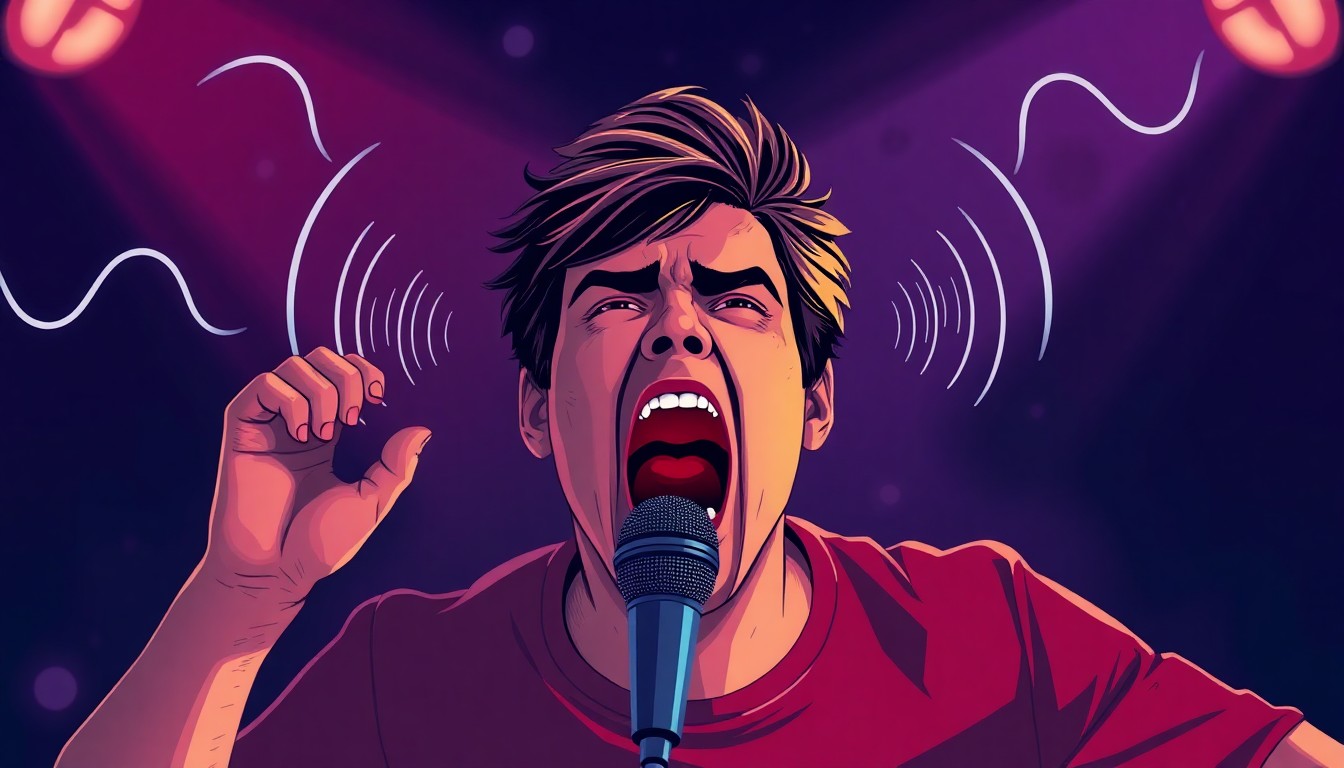
Creating authentic fear in vocal performances separates amateur horror content from professional nightmares. The challenge isn't just making someone sound frightened. It's capturing the nuanced terror that makes listeners feel uncomfortable, the breathless panic that drives engagement, the vocal tremors that signal genuine danger.
Modern AI voice technology solves this problem with precision. You can generate scared voices that capture screaming panic, whispered dread, sobbing terror, or breathless fear without hiring voice actors or recording multiple takes. These tools replicate the physiological markers of fear, pitch variations during panic, breathing patterns under stress, and the raw emotional intensity that horror content demands.
This guide covers everything creators need. Choosing the right voice models for different fear types. Writing scripts that enhance vocal terror. Technical settings that amplify fright. Platform-specific optimization for horror games, scary storytelling, thriller podcasts, and viral social content.
Understanding scared voice characteristics
Fear changes human voices in predictable patterns. Real terror manifests through specific vocal signatures that AI models must replicate for authenticity.
Pitch elevation forms the foundation of scared voices. Fear tightens vocal cords, raising pitch naturally. Mild anxiety might raise pitch 20-30 Hz. Full panic can spike pitch 100+ Hz above baseline. The TryAIVoices platform models these pitch variations across different fear intensities, letting creators dial in everything from nervous uncertainty to screaming terror.
Breathing patterns shift dramatically under stress. Scared voices feature rapid, shallow breaths, audible gasps between words, and uneven pacing as oxygen intake struggles to match adrenaline demands. These breathing markers separate authentic fear from amateur attempts. Professional AI generators capture this physiological reality.
Voice tremors signal genuine distress. Fear causes micro-vibrations in vocal cord tension, creating that distinctive shaky quality in terrified speech. This isn't just volume variation. It's neurological response to threat, translated into vocal instability that listeners recognize instantly.
Vocal markers of different fear types
Not all fear sounds identical. Terror exists on a spectrum, and each level requires different vocal characteristics.
Anxious unease presents subtle markers. Slight pitch elevation. Faster speech rate. Occasional voice cracks. This works for building tension in horror narratives before the main scare.
Active fear shows clear vocal stress. Obvious pitch spikes. Heavy breathing. Stuttering and word repetition. Vocal strain from tension. Use this for chase sequences, sudden threats, or mounting danger.
Screaming panic unleashes maximum vocal intensity. Extreme pitch elevation. Ragged breathing. Voice breaking from strain. Raw emotional release. This works for jump scares, climactic moments, or life-threatening situations in your content.
Frozen terror paradoxically reduces volume. Whispered speech from constricted throat. Monotone delivery from shock. Trembling despite low volume. Breathy quality from shallow breathing. Horror creators use this for moments when characters encounter something so horrifying they can barely speak. The quiet intensity often proves more unsettling than screaming.
Different horror contexts demand different fear types. Horror storytelling benefits from building progression, starting with unease and escalating to panic. Gaming content might need screaming terror for gameplay reactions. Thriller podcasts often leverage frozen terror for maximum psychological impact.
Best AI voice generators for scared voices
Platform selection determines output quality. Not all AI voice generators handle emotional intensity equally well.
TryAIVoices leads in emotional range and fear authenticity. The platform's neural models trained on thousands of hours of emotional speech, including genuine fear responses. This training enables subtle fear gradations that other platforms miss. Generate everything from nervous whispers to full panic screams with consistent quality.
The voice library includes characters known for scared reactions. Spongebob's voice captures comedic fear perfectly for parody horror content. Cartoon character voices often include fear presets since animated shows frequently feature scared reactions.
For serious horror content, choose voices with naturally tremulous qualities. Old man voices work exceptionally well for horror because age adds natural vocal fragility that amplifies perceived fear. The wavering pitch and breathy quality sells terror without overselling it.
Gaming horror benefits from character-specific scared voices. If you're creating content for established horror franchises, matching the canonical voice while adding fear markers maintains authenticity. Players recognize when voices deviate from source material, breaking immersion.
Platform comparison for horror content
Different generators excel at different fear aspects. Understanding these strengths optimizes your workflow.
TryAIVoices provides the widest emotional range. Subtle fear gradations. Consistent quality across intensity levels. Fast generation speeds even for long horror scripts. The platform handles complex emotional direction well, letting you specify exact fear types in generation settings.
ElevenLabs offers strong emotional depth but limited character selection. Good for original horror characters where you need deep fear authenticity but don't require celebrity or franchise voices. Processing times run longer for emotional content.
Murf AI delivers clean scared voices but sometimes lacks raw authenticity. The fear sounds controlled, almost rehearsed. This works for narrated horror content where polish matters more than visceral intensity. Less suitable for reactive fear like gaming screams.
Resemble AI excels at voice cloning with emotional transfer. If you have reference audio of someone sounding scared, you can clone that exact fear quality. Powerful for matching specific performances but requires quality source material.
Most horror creators settle on TryAIVoices for versatility. You need multiple fear types across projects. One platform handling everything from whispered dread to screaming panic simplifies workflow considerably.
 Photo by Aditya Chinchure on Unsplash
Creating effective scared voice scripts
Script writing amplifies or undermines AI-generated fear. Poor scripts make even perfect scared voices fall flat.
Word choice for fear authenticity
Certain words sound more frightened than others. Optimize vocabulary for vocal panic.
Short, sharp words increase perceived fear. "No" hits harder than "I don't think so." "Run" creates more urgency than "we should leave." "Help" sounds more desperate than "I need assistance." Fear contracts language to essentials. Your scripts should reflect this.
Fragmented sentences mirror panic's effect on cognition. Complete thoughts break down under stress. Instead of "I think there's something behind us that might be dangerous," use "Something behind us. Moving. Oh god, it's." The sentence fragmentation forces the AI to generate natural panic breaks.
Repetition signals stuck panic loops. "It's coming, it's coming, it's coming" reads different than a single "it's coming." The repetition gives the AI multiple opportunities to escalate fear intensity across iterations. Each repetition can climb in pitch and desperation.
Stuttering patterns add realism. Write "W-what was that?" instead of "What was that?" The phonetic guidance helps AI generators place the stutter naturally. Overuse kills authenticity, but strategic stuttering in high-stress moments enhances fear.
Breathing cues embedded in scripts improve output. Write "[gasping] I can't... we have to..." to signal where breathing should interrupt speech. Most advanced AI platforms interpret these cues, incorporating breaths and pauses that sell genuine terror.
Dialogue structure for horror
How you format scared dialogue impacts vocal delivery as much as word choice.
Lead with the fear trigger. "Oh god, what IS that?" works better than "What is that thing I'm seeing?" Put the emotional peak first. It signals the AI to front-load vocal intensity.
Use interruption marks. Em dashes feel overused, so stick with simple formatting. "I thought you said we were safe, I thought you..." The trailing off indicates terror breaking speech patterns. The AI reads this structural cue and adjusts delivery.
Build within sentences. Start calm, end panicked within single lines. "We should probably run, actually we should RUN, RUN NOW!" The capital letters signal volume increase, the progression guides emotional escalation.
Include physical reactions. Write "no no no [choking sob] please no" to incorporate crying into scared delivery. These emotional action cues help AI generators layer multiple fear markers simultaneously. You get vocal tremor plus crying plus pleading all merged naturally.
Test scripts with different character voices to find optimal pairings. Some voices handle sobbing fear better. Others excel at screaming panic. Match script style to voice strengths.
 Photo by Blaz Erzetic on Unsplash
Technical settings for scared AI voices
Generation settings dramatically alter fear authenticity. Platform defaults rarely optimize for horror content.
Pitch and tone adjustments
Scared voices require specific pitch configurations that deviate from normal speech patterns.
Raise base pitch 15-25%. This matches the physiological reality of fear-tightened vocal cords. Most AI platforms include pitch sliders. Don't exceed 30% increase or voices sound artificially cartoonish rather than genuinely scared.
Enable pitch variance. Static pitch kills fear authenticity. Real terror creates erratic pitch jumps. Look for "pitch variability" or "emotional modulation" settings. Crank these higher than normal to capture panic's unpredictable vocal shifts.
Adjust speaking rate. Fear accelerates speech in active panic, slows it in frozen terror. For chase scenes or urgent warnings, increase speed 10-15%. For encounter horror or shock moments, decrease speed slightly. The contrast between normal pacing and fear-altered pacing signals emotional state to listeners.
Intensity controls separate platforms. TryAIVoices offers granular emotional intensity sliders. Set fear intensity to match your script's emotional arc. Opening unease might sit at 30%. Climactic terror pushes to 90%+. This dynamic range creates more believable fear progression than static settings.
Voice stability settings require counterintuitive adjustment. Normal speech uses high stability for clean output. Scared voices need reduced stability to introduce natural tremors and vocal breaks. Drop stability 20-30% below normal to capture that shaky quality authentic fear produces.
Breathing and pacing configuration
Fear changes breathing in ways that AI must replicate for authenticity.
Increase breath frequency. Scared people breathe more often, more audibly. Enable breath sounds in generation settings. Increase breath rate 50-100% above normal. The audible gasping between words sells terror more effectively than vocal tone alone.
Shorten breath duration. Quick, shallow breaths replace deep breathing during panic. Configure breath length to 30-50% of normal duration. This creates that desperate, oxygen-starved quality that signals genuine distress.
Add breath randomization. Panic breathing lacks rhythm. Enable random breath placement rather than metronomic intervals. This irregularity mirrors actual fear responses where breathing depends on terror level, not predictable timing.
Pause length variation impacts pacing critically. Normal speech uses consistent pauses. Scared speech interrupts unpredictably. Some platforms let you set pause randomization. Max this out for horror content. You want stops and starts that feel panicked rather than deliberate.
Combine these breathing adjustments with script cues for maximum impact. When you write "[gasping]" in your script, the AI should already be configured for heavy breathing. The script cue plus technical settings compound for authentic output.
Use cases for scared AI voices
Different content types demand different applications of fear-based vocals. Understanding context optimizes implementation.
Horror gaming content
Gaming horror uses scared voices across multiple contexts. Each requires distinct approaches.
Gameplay reactions need reactive fear. Streamers and content creators generate scared commentary over gameplay footage. Gaming voice generators provide character voices experiencing fear alongside the player. When you're playing a horror game and want voice overlay, match the on-screen character's terror with appropriately scared AI vocals.
Horror game trailers leverage scared voices for marketing impact. Cut together terrified screams, whispered warnings, and panic responses to sell the game's fear factor. Short, intense vocal clips create atmosphere quickly. Use multiple scared voices to suggest various victim perspectives.
Character dialogue in indie horror games often uses AI voices to reduce production costs. Generate every scared reaction, death scream, and terror response your game requires without recording sessions. Consistency matters here. Save your generation settings so all instances of a character's fear sound cohesively like the same person panicking.
Cutscene vocals need synchronized emotional arc. If your cutscene shows a character gradually realizing danger, their voice must match. Script with clear emotional progression. Generate multiple takes at different fear intensities. Edit together the takes that best match visual storytelling.
FNAF-style content specifically requires child-like scared voices for maximum unsettling effect. The contrast between innocent voices and genuine terror creates the franchise's signature discomfort. Choose younger-sounding voice models and amplify fear settings for this specific horror niche.
Horror storytelling and podcasts
Narrative horror demands sustained fear performance across longer content. This differs from gaming's reactive fear bursts.
Creepypasta narration traditionally uses calm narration, but modern variations include scared character perspectives. When your horror story shifts to victim POV, scared AI voices immerse listeners. The narrator voice might stay calm, but character voices expressing mounting terror heighten emotional impact.
Audio drama requires multiple characters experiencing fear differently. Your protagonist might show brave determination with occasional fear cracks. A side character might panic constantly. TryAIVoices' voice library lets you cast different voices showing different fear responses, creating realistic group dynamics under horror circumstances.
Ambient horror soundscapes layer scared whispers, distant screams, and panicked muttering under primary content. Generate scared vocal fragments at various distances and fear intensities. Blend these into background audio to create unsettling atmosphere without clear words.
Horror podcast intro/outro can use scared voices to set tone. A terrified voice whispering "welcome" immediately signals content type. Scared voices warning listeners what's coming builds anticipation. These bookends frame content effectively.
Successful analog horror often uses degraded, distorted scared voices. Generate clean terror vocals, then apply vintage VHS effects, static, and distortion. The combination of authentic fear plus nostalgic audio degradation creates that signature analog horror aesthetic.
Social media horror content
Platform-specific optimization determines viral potential for scared voice content.
TikTok horror favors short, sharp terror. Fifteen-second scared reactions, whispered warnings, or sudden screams perform well. The algorithm rewards high emotional intensity quickly delivered. Generate your scared voice clip first, then build visuals around the vocal hook.
YouTube horror storytelling allows longer-form fear development. Build from nervous unease in opening minutes to full panic at climax. Your scared AI voices should reflect this arc. Don't start at maximum terror or you have nowhere to escalate.
Instagram horror reels work similarly to TikTok but skew toward aesthetic horror. Beautiful scary content with emotionally resonant scared voices. Less about jump scares, more about atmospheric dread. Use whispered scared voices and frozen terror deliveries rather than screaming panic.
Reddit horror communities appreciate authenticity over production value. Scared voices that sound too polished get called out as fake. Deliberately reduce quality slightly. Add ambient noise. Make it sound like someone genuinely recorded their terror rather than professional voice acting.
Twitter/X horror threads sometimes pair scared voice clips with written stories. Generate scared reactions to story beats, post as audio replies. The voice clips break up text walls and add emotional punch to narrative high points.
Voice editing and enhancement
Raw AI-generated scared voices benefit from post-processing. Strategic editing amplifies fear impact.
Audio effects for horror
Certain effects intensify perceived fear without destroying vocal clarity.
Reverb creates distance and isolation. Light room reverb makes scared voices sound like they're in enclosed spaces. Longer decay times suggest cavernous environments where threats could hide. But excessive reverb muddles clarity. Stay subtle. You want atmosphere, not unintelligibility.
Pitch shifting can emphasize fear peaks. When your script reaches maximum terror, briefly pitch shift 5-10% higher for the most panicked words. This creates vocal breaks that sound like voice cracking under extreme stress. Layer the shifted audio under the original for texture rather than replacing entirely.
Tremolo effects add artificial tremor to scared voices that need more shakiness. Slow tremolo rates (3-6 Hz) mimic fear-induced vocal instability. Fast tremolo sounds like vibrato, which reads as musical rather than scared. Keep it subtle. Heavy tremolo sounds cartoonish.
Compression tightens scared voice dynamics. Fear creates wide volume swings. Whispered terror to screaming panic spans huge dynamic range. Compression controls this while maintaining emotional intensity. Aim for 3:1 ratio with medium attack, fast release. This keeps whispers audible without making screams blow out.
Distortion works for extreme fear moments. When someone screams with everything they have, vocal cords strain into mild distortion. Add subtle harmonic distortion to peak screams for this raw quality. Don't apply distortion broadly or everything sounds like a phone call.
Layer these effects intentionally. A scared voice might use light reverb throughout, add tremolo during high-stress moments, apply pitch shifting at terror peaks, and finish with compression to balance everything. Each effect serves specific emotional function.
 Photo by Michael D on Unsplash
Layering techniques for depth
Single vocal takes rarely capture full fear complexity. Layering creates richer terror.
Double-track whispered fear. Generate the same scared whisper twice with slight variation. Pan one left, one right. The stereo whisper creates intimacy and immediacy that mono whispers lack. Your listener feels surrounded by fear.
Background panic layer. Generate your main scared dialogue, then create a second pass of the same character muttering fearfully. Mix this layer 20-30% volume under main vocals. It suggests the character's mental state, constant underlying terror even when trying to stay composed.
Crowd fear. Horror scenarios involving multiple victims benefit from layered group terror. Generate scared responses from several different voice models. Mix them together at various volumes and pan positions. The resulting chaos sounds like actual group panic rather than one person screaming repeatedly.
Breath layer separation. Generate scared dialogue, then generate just heavy breathing separately. Mix breathing 10-15% louder than normal. This emphasizes the physical stress of fear without forcing the AI to perfectly time breaths within dialogue.
Distance variation. Generate the same scared lines at different distances. One close, one far. Blend them together to create depth. The technique works brilliantly for scenes where scared voices echo or where you want spatial dimension.
Test layers with different character combinations. A scared child voice layered under an adult's forced calm creates tension. Contrasting voice types layered together often produce more interesting terror than similar voices stacked.
Legal and ethical considerations
Scared AI voices raise specific concerns beyond general voice generation ethics.
Content warnings and age ratings
Scared voices signal frightening content. Proper warnings protect audiences.
Platform requirements vary. YouTube demands clear tags for scary content. TikTok requires age gates for intense horror. Podcast platforms need explicit content flags. Reddit horror communities enforce spoiler tags. Check platform-specific rules before posting scared voice content.
Audio thumbnails should warn viewers. If your video thumbnail shows calm imagery but opens with terrified screaming, you've set false expectations. Match visual tone to vocal intensity. Scared voices warrant scary imagery.
Title clarity matters for audience filtering. "Scary Horror Story" sets different expectations than "True Crime Analysis." If you're using scared AI voices, titles should clearly indicate horror content. People avoiding scary material deserve the ability to opt out.
Age appropriateness gets complicated with realistic scared voices. Content safe for teens with cartoon voices becomes disturbing with hyper-realistic terror. Consider how vocal authenticity affects age suitability. Adjust voice settings or add stronger warnings accordingly.
Educational content about fear requires different framing than entertainment horror. If you're generating scared voices to analyze fear responses or discuss psychology, clarify this context upfront. Academic scared voices need different warnings than entertainment screams.
Voice consent for fear content
Fear-based content carries reputation implications for people whose voices get cloned.
Celebrity voices used in horror context risk implying endorsement. Generating terrified versions of celebrity voices for horror parody might violate personality rights depending on jurisdiction. Transformative use provides some protection, but consult legal counsel before making famous people sound terrified.
Character voices from existing franchises have clearer guidelines. Fan content using cartoon scared voices generally falls under fair use if clearly labeled as unofficial. But selling horror content featuring cloned franchise characters risks trademark claims. Free parody gets more leeway than commercial horror.
Consent for voice cloning becomes critical for realistic fear. If you clone someone's voice to make them sound terrified, that creates concerning implications. Only clone voices for scared content with explicit permission that specifically covers fear-based usage. General voice cloning consent doesn't cover all emotional contexts.
Disclosure requirements increasingly mandate AI labeling. Many jurisdictions require clear disclosure when AI generates voices, especially for emotional content that could deceive audiences. Include "AI-generated voices" in your credits or descriptions.
Deepfake laws sometimes encompass scared AI voices depending on intent and realism. Creating scared voices that sound like real people in genuine distress could violate laws against synthetic media impersonation. Stay clearly in fictional/entertainment contexts.
Advanced scared voice techniques
Beyond basic fear generation, advanced techniques create more nuanced terror.
Emotional progression mapping
Fear rarely stays static. It builds, peaks, subsides, and spikes again. Mapping these emotional beats creates realistic terror.
Baseline establishment starts every horror sequence. Show the character's normal voice first. This contrast point makes subsequent fear more impactful. Without knowing their calm voice, listeners can't gauge how much terror has altered their delivery.
Gradual escalation builds dread. Scripts should move from calm to nervous to concerned to scared to terrified in logical increments. Generate each stage with appropriate fear settings. TryAIVoices' emotional controls let you fine-tune intensity across a 0-100 scale. Map your script's emotional arc to specific intensity numbers.
False recovery adds complexity. Your character calms down after a scare, voice returning toward normal, then something triggers renewed terror. This rollercoaster prevents listener fatigue. Constant maximum fear numbs audiences. Variation maintains engagement.
Peak management requires restraint. Save maximum terror for climactic moments. If you deploy full screaming panic early, you can't escalate later. Build toward vocal intensity peaks that align with narrative peaks.
Resolution matters even in horror. Whether the character survives or dies, their vocal journey needs conclusion. Surviving might mean gradual calming, voice slowly stabilizing. Death might mean final terrified words trailing into silence. Closure provides emotional satisfaction.
Create emotional intensity timelines for complex horror scenes. Mark every 10-second interval with target fear levels. Generate voices matching these targets. Edit together the takes into seamless emotional progression.
Character-specific fear signatures
Different people express fear differently. Creating unique fear signatures for recurring characters builds authenticity.
Personality-driven terror reflects character traits. Brave characters might suppress fear vocally, showing strain rather than panic. Anxious characters might panic faster. Stoic characters freeze into whispered monotone. Match voice characteristics to established personality.
Background-informed responses add depth. Military characters might use controlled fear, trained to function under stress. Civilian characters panic more freely. Children show different fear markers than adults. Age, experience, and training all influence how people express terror.
Physical condition affects scared voices realistically. An exhausted character's fear sounds breathier, weaker. An injured character's terror comes out pained, strained. Someone running while scared shows different vocal stress than someone hiding.
Relationship dynamics modify group fear. A parent trying to calm a scared child controls their own terror vocally. A leader reassuring their team suppresses panic. Solo characters might express fear more freely than people trying to protect others.
Cultural background influences fear expression norms. Some cultures emphasize emotional control even during terror. Others permit full vocal panic. Research appropriate fear responses if your characters come from specific cultural contexts.
Document fear signatures for recurring characters. Note their specific vocal patterns during terror. Maintain consistency across scenes. Listeners notice when established characters react inconsistently to fear.
Situational fear adaptation
Different horror scenarios demand different scared voice approaches beyond basic intensity variation.
Chase fear requires breathless delivery. Generate scared dialogue with increased breathing, faster pacing, and vocal strain suggesting physical exertion. The character's running while terrified. Their voice should reflect oxygen deprivation plus adrenaline.
Hiding fear uses whispered terror. Forced quiet despite wanting to scream. Generate at low volume with tight, controlled delivery that sounds like suppressed panic. Occasional breath gasps signal the effort required to stay silent.
Discovery fear peaks instantly. The moment someone finds the horrifying thing, fear spikes from zero to maximum. Generate shocked gasps followed by screaming terror. No gradual build. Immediate vocal intensity.
Anticipatory fear builds without release. Knowing something bad approaches but not knowing when. Mounting vocal tension without cathartic screams. Generate increasingly strained delivery that never quite breaks into full panic.
Helpless fear adds resignation to terror. Trapped with no escape, characters show fear mixed with despair. Generate scared voices with defeated undertones, terror acknowledging inevitable harm.
Confusion fear mixes panic with bewilderment. The horror makes no sense. Generate scared responses with questioning inflections, terror mixed with desperate attempts to understand.
Primal fear strips away language. Wordless screams, animalistic sounds, vocalizations beyond speech. Some AI platforms handle non-verbal screams. Others require creative script writing like "AAAHHH!!!" repeated to guide scream generation.
Match fear type to horror context for maximum impact. Different horror genres emphasize different fear types. Psychological horror uses anticipatory fear. Slasher horror uses chase fear. Cosmic horror uses confusion fear.
 Photo by Will Francis on Unsplash
Platform-specific optimization
Different platforms where you publish scared voice content require format adjustments.
YouTube horror optimization
YouTube horror content benefits from specific vocal strategies that drive engagement.
Thumbnail-intro synchronization demands immediate vocal impact. If your thumbnail shows terror, deliver scared voices within the first three seconds. The algorithm punishes bait-and-switch. Make your intro fear match your thumbnail fear.
Vocal pacing for watch time maintains engagement across longer videos. Vary fear intensity to create rhythm. Build to scary moments, release tension briefly, build again. This pattern encourages viewers to keep watching for the next fear peak.
Timestamp consideration helps viewers find specific scares. When you generate a particularly impactful scared voice moment, note the timestamp for description. Some audiences specifically seek intense scare compilations. Make your best terror accessible.
Comment section prompts using scared voices boost engagement. End videos with a scared voice asking "What would you do?" or "Did you hear that?" Questions in terrified voices provoke more responses than calm questions.
Playlist sequencing can build fear progressively. If you create series content with recurring scared voices, arrange playlists by escalating terror. Viewers binge-watching experience gradual fear escalation across episodes.
Monetization impacts scared voice use. Extremely graphic or disturbing scared voices risk demonetization. Stay within YouTube's advertiser-friendly guidelines while maximizing fear impact. This usually means avoiding graphic death sounds or extremely realistic human suffering.
TikTok and Instagram horror
Short-form video demands different scared voice strategies than long-form content.
Hook within one second matters critically. TikTok users scroll fast. Your scared voice must grab attention immediately. Start with a scream, a terrified whisper, or sharp panic burst. Generate your scariest vocal moment first, build context after.
Sound trending opportunities arise when scared voice clips go viral. Create reusable scared voice audio that others can incorporate into their content. Trending audio dramatically amplifies reach. Make scared voices that fit multiple horror contexts.
Duet-friendly audio encourages interaction. Generate scared reactions that work as responses to other content. Horror creators duet each other's posts with appropriate scared voices. Design your audio for this collaborative potential.
Caption synchronization pairs text with vocal peaks. When your scared voice hits maximum terror, your caption should reinforce the moment. "DON'T LOOK BEHIND YOU" appearing as a terrified scream plays creates compound impact.
Hashtag strategy for scared voice content requires balance. General horror tags (#horror, #scary) provide reach. Specific tags (#scaredvoice, #horrortok) target niche audiences. Combine both for optimal discovery.
Instagram Reels follows similar patterns but skews toward aesthetic horror. Your scared voices should complement visually beautiful scary content. Less jump scares, more atmospheric dread.
Podcast and audio-only formats
Pure audio horror maximizes scared voice importance since listeners have no visual context.
Spatial audio implementation creates immersive terror when supported. Generate scared voices, then position them in 3D space. Panic coming from the left, whispered warnings from behind. Not all podcast platforms support spatial audio, but where available, scared voices benefit enormously.
Silence leverage makes scared voices hit harder. Pause before terrified screams. Let fear hang in silence after panicked warnings. Audio-only content needs negative space. Horror podcast voices work best with deliberate quiet around peak moments.
Background layer complexity builds atmosphere. Layer distant scared voices under main narrative. Occasional far-off screams. Whispered terror just barely audible. These subliminal scared voices create unease without overwhelming primary content.
Stereo positioning creates intimacy. Position main scared voices in center for immediacy. Position background terror left or right for context. Pan scared voices across stereo field to suggest movement or multiple locations.
Volume normalization requires careful handling. Scared voices span huge dynamic range. Whispered fear to screaming terror might cover 40+ dB. Podcast players auto-normalize audio, potentially crushing your dynamic range. Manually compress your scared voices before platform processing flattens them poorly.
Podcast directories require accurate content warnings. Apple Podcasts, Spotify, and other platforms mandate explicit flags for intense content. Realistic scared voices often trigger these requirements.
Monetization and commercial use
Creating scared AI voices for profit involves specific considerations beyond hobby horror content.
Licensing for commercial horror
Commercial applications of scared voices require proper licensing and rights management.
Subscription platform terms vary on commercial usage. TryAIVoices' subscription plans include commercial rights for generated content. Always verify your platform's terms before selling scared voice content. Some generators restrict commercial use to higher tiers.
Voice model rights matter when using celebrity or character voices. Generating scared versions of copyrighted characters for commercial horror games or paid content requires additional licensing beyond just the AI platform subscription. Platform rights cover the generation technology, not the underlying voice likeness rights.
Background music licensing for horror content using scared voices needs synchronization. You can't use copyrighted horror music under your AI-generated scared voices without proper sync licenses. Either use royalty-free horror music or license commercial tracks appropriately.
Client deliverables should include usage rights documentation. If you create scared AI voices for client horror projects, provide documentation proving you had rights to generate the voices. This protects clients from liability and positions you as professional.
Revenue sharing applies to some voice platforms. If you use cloned voices from libraries where original voice actors receive royalties, your commercial scared voice use might trigger revenue sharing. Understand these economics before pricing client work.
Indie game developers using scared AI voices for commercial games should budget for proper licensing. The generation cost plus usage rights plus any underlying voice rights creates total expense. Plan accordingly.
Horror content monetization
Scared voices enhance multiple revenue streams for horror creators.
YouTube ad revenue from horror content performs well despite occasional demonetization. Horror audiences engage heavily, driving watch time. Scared voices make content more engaging, directly improving monetization potential through better retention.
Sponsorship opportunities exist for horror creators. Horror games, scary movies, thriller books all sponsor fear-focused content. Quality scared voices increase sponsor interest by demonstrating production value.
Patreon exclusive content using scared voices drives subscriptions. Offer extended horror stories with premium scared voice performances. Exclusive early access to new scared voice characters. Behind-the-scenes content showing your scared voice generation process.
Merchandise can incorporate scared voice clips. QR codes linking to terrifying audio. Sound chips playing signature scared voices. Horror fans collect this memorabilia enthusiastically.
Sound effect libraries represent direct monetization. Package your best scared voice generations as commercial sound effects. Sell on AudioJungle, Epidemic Sound, or similar platforms. Other creators buy these assets for their horror projects.
Voiceover services using AI scared voices serve independent horror developers. Many indie game studios, student filmmakers, and amateur horror creators need professional scared voices at accessible prices. Position yourself as specialized horror voice provider using AI tools.
Building a horror brand around distinctive scared voices creates long-term value. Audiences recognize your signature terror style. Your scared voices become identifiable assets worth monetizing across multiple channels.
Troubleshooting common issues
Even experienced creators encounter problems generating authentic scared AI voices. Solutions vary by issue type.
Artificial-sounding fear
When scared voices sound fake despite proper settings, specific fixes apply.
Overselling creates cartoon fear rather than authentic terror. Reduce emotional intensity 10-20%. Real fear often shows restraint mixed with outbursts. Constant maximum terror reads as parody. Pull back slightly for paradoxically more convincing fear.
Missing breath sounds makes scared voices seem robotic. Fear requires heavy breathing. Enable breath generation in platform settings. Increase breath frequency and volume. The gasping sells terror more than vocal pitch.
Perfect timing betrays AI generation. Real scared speech has messy timing, interruptions, false starts. Add these manually in editing if your AI doesn't generate them. Cut sentences awkwardly. Restart phrases. Make timing imperfect deliberately.
Static pitch across scared dialogue sounds rehearsed. Real terror creates erratic pitch variation. Enable maximum pitch variance in generation settings. Consider generating the same line multiple times at different pitch targets, then editing together the most natural variations.
No vocal breaks makes fear seem controlled. Terrified voices crack and break from strain. Some platforms support vocal fry or glottal effects. Enable these for scared content. The imperfections authenticate terror.
Test with different base voices. Some voice models handle emotional extremes better than others. A voice that sounds robotic when scared might perform beautifully for calm narration. Match task to voice model strengths.
Volume inconsistency
Scared voices span huge dynamic range. Managing this range challenges even professional creators.
Whispered fear often generates too quietly. Boost whispered scared sections 6-12 dB in post-production. Listeners miss crucial terror moments if whispers disappear under background audio.
Scream clipping destroys climactic moments. Screamed terror might generate so loud it distorts. Monitor generation levels. If screams clip, reduce input volume and regenerate. You can always boost clean screams louder. You can't fix distorted audio.
Breath volume relative to speech requires balancing. Heavy breathing should be audible but not overwhelming. Typically breath sounds sit 3-6 dB below speech. Adjust in post-production for proper balance.
Background consistency when layering scared voices matters enormously. Each generation might include different levels of background noise. Match noise floors across takes or the splice points become obvious. Add subtle ambient noise across entire track to mask inconsistencies.
Compression settings control dynamic range without crushing emotional impact. Use makeup gain carefully. You want consistent loudness without making whispers and screams equally loud. That flattens emotional impact.
Run scared voice audio through loudness normalization for platform-specific targets. YouTube targets -14 LUFS. Podcasts often target -16 LUFS. Spotify targets -14 LUFS. Hit these targets while maintaining internal dynamics.
Script interpretation errors
AI sometimes misinterprets scared dialogue structure, generating inappropriate delivery.
Punctuation guidance helps AI parse fear correctly. Use ellipses for trailing scared speech. Use dashes for interruption. Exclamation points for volume peaks. Question marks for fearful questions. Guide the AI through typographic cues.
Phonetic spelling solves pronunciation issues in terrified stutters. Write "w-w-what" rather than expecting the AI to stutter "what" appropriately. Spell out how fear should affect word pronunciation.
Emotion tags some platforms support in brackets. Write "[terrified] Oh god [sobbing] please help [screaming] NOOO!" to guide emotional delivery across single lines. Not all platforms parse these tags, but they don't hurt generation when ignored.
Sentence length affects pacing. Short sentences generate with natural breaks between, perfect for panicked speech fragments. Long run-on sentences might generate too smoothly for authentic fear. Break scripts into appropriate phrase lengths.
Capital letters signal emphasis and volume. "Please no" reads differently than "PLEASE NO" and "please NO." Capitalize strategically to guide vocal intensity across phrases.
Regenerate lines that miss emotional intent. Sometimes first generation doesn't capture desired fear. Generate 2-3 takes, select the best. TryAIVoices processes quickly enough that multiple takes cost minimal time.
 Photo by Matt Botsford on Unsplash
Future developments in scared AI voices
Voice synthesis technology evolves rapidly. Upcoming developments will transform horror content creation.
Emerging fear modeling
Next-generation AI voice systems will capture fear with unprecedented accuracy.
Physiological modeling beyond current pitch and breathing control will simulate how terror affects entire vocal systems. Future models might account for saliva increase during fear, throat constriction, muscle tremors, even heartbeat's effect on vocal stability. These subtle physiological markers create uncanny fear realism.
Contextual fear awareness will let AI understand why a character feels scared. Currently you set fear intensity manually. Future systems might analyze scripts to determine appropriate fear levels automatically. Mentions of monsters trigger different fear than mentions of heights. Context-aware emotional generation.
Microexpression capture in voice already exists in leading research. Soon available commercially, this technology captures the tiny vocal fluctuations that signal genuine emotion versus performed emotion. Scared voices will become indistinguishable from genuine terror recordings.
Real-time fear modulation will enable interactive horror. Imagine streaming horror content where audience choices affect character fear levels in real-time. The AI adjusts scared voice intensity based on current danger levels in dynamic narratives.
Cultural fear variations will reflect how different cultures express terror differently. Current AI uses primarily Western emotional models. Future systems will offer culturally-specific fear markers for authentic representation across global horror content.
Staying current with these developments positions horror creators ahead of trends. TryAIVoices regularly updates with latest voice synthesis research, bringing cutting-edge fear modeling to creators as technology advances.
Interactive horror applications
AI scared voices will enable entirely new horror formats.
Procedural horror games will generate unique scared dialogue for every playthrough. Each victim's terrified pleas sound different. Replay value increases when fear never repeats exactly.
Personalized horror experiences might incorporate listeners' names or personal details into scared dialogue. Hearing your own name in terrified warnings creates visceral reactions impossible with generic dialogue.
Voice-controlled horror where your spoken choices affect character fear. Tell the scared character to run, they respond with panicked acknowledgment. Tell them to hide, they whisper terrified questions. Interactive audio horror becomes conversational.
Adaptive soundscapes respond to listener biometrics. If your smartwatch detects your heart rate spiking from fear, the scared voices intensify. If you seem bored, the AI escalates terror automatically. Biofeedback-driven horror optimization.
Collaborative horror creation where audiences contribute to ongoing horror narratives. Submit dialogue suggestions, AI generates them in appropriate scared voices, community votes on which scared responses become canon in the evolving story.
These applications require AI scared voices as foundational technology. Mastering current tools positions creators to leverage future interactive horror capabilities.
Frequently asked questions
How do I make AI voices sound authentically scared?
Authentic fear requires multiple elements working together. Raise pitch 15-25% to simulate fear-tightened vocal cords. Enable breath sounds and increase breath frequency to capture panicked breathing. Reduce stability settings to introduce natural tremor. Write scripts using fragmented sentences, repetition, and stuttering patterns. Layer these technical adjustments with proper script writing for maximum authenticity.
Can I use scared AI voices for commercial horror content?
Yes, but verify your platform's commercial licensing terms. TryAIVoices subscription plans include commercial usage rights for generated voices. If using celebrity or character voices, ensure you have rights to the underlying voice likeness for commercial purposes. Platform rights cover generation technology but don't automatically grant rights to commercial use of copyrighted character voices.
What's the best voice model for scared vocals?
Voice model selection depends on your specific horror context. For serious horror, choose voices with naturally tremulous qualities like older character voices that add vocal fragility. For horror comedy or parody, cartoon character voices include scared presets since animated shows frequently feature fear reactions. Test multiple voices to find which handles fear intensity best for your specific project.
Why do my scared voices sound robotic?
Robotic fear usually results from missing physiological markers. Enable breath sounds in your generation settings. Reduce voice stability to allow natural tremors. Add pitch variance so fear doesn't sound monotone. Include pauses and interruptions in scripts rather than smooth continuous speech. Consider layering multiple takes together for richer texture. Real fear includes imperfections that clean AI sometimes lacks.
How do I write scripts that enhance scared AI voice quality?
Effective scared scripts use specific techniques. Choose short, sharp words that hit hard when delivered with panic. Fragment sentences to mirror how terror disrupts speech patterns. Include repetition like "It's coming, it's coming" to give AI multiple chances to escalate intensity. Write stuttering phonetically as "w-what" rather than expecting AI to stutter automatically. Include breathing cues in brackets like "[gasping]" where appropriate. Lead with fear triggers rather than burying emotional peaks mid-sentence.
Can I adjust fear intensity within single lines?
Yes, through strategic script writing and capitalization. Write "please no... please NO!" with capitals signaling the intensity increase. Some platforms support emotion tags like "[nervous] I think we should leave [terrified] RUN!" Most advanced AI platforms interpret these structural cues. You can also generate the same line at multiple fear intensities, then edit together pieces from different takes for dynamic emotional progression within sentences.
Related voices to try
Related guides
Scared AI voices unlock creative possibilities for horror content across platforms and formats. Success requires understanding fear's vocal signatures, choosing quality generation tools, writing scripts that amplify terror, and applying appropriate post-processing.
Start creating authentic horror content with TryAIVoices today. Generate professional scared voices with our library of 500+ characters and emotional presets optimized for fear-based content.