Scottish AI Voice Generator: Accents, Celebrities & Tools
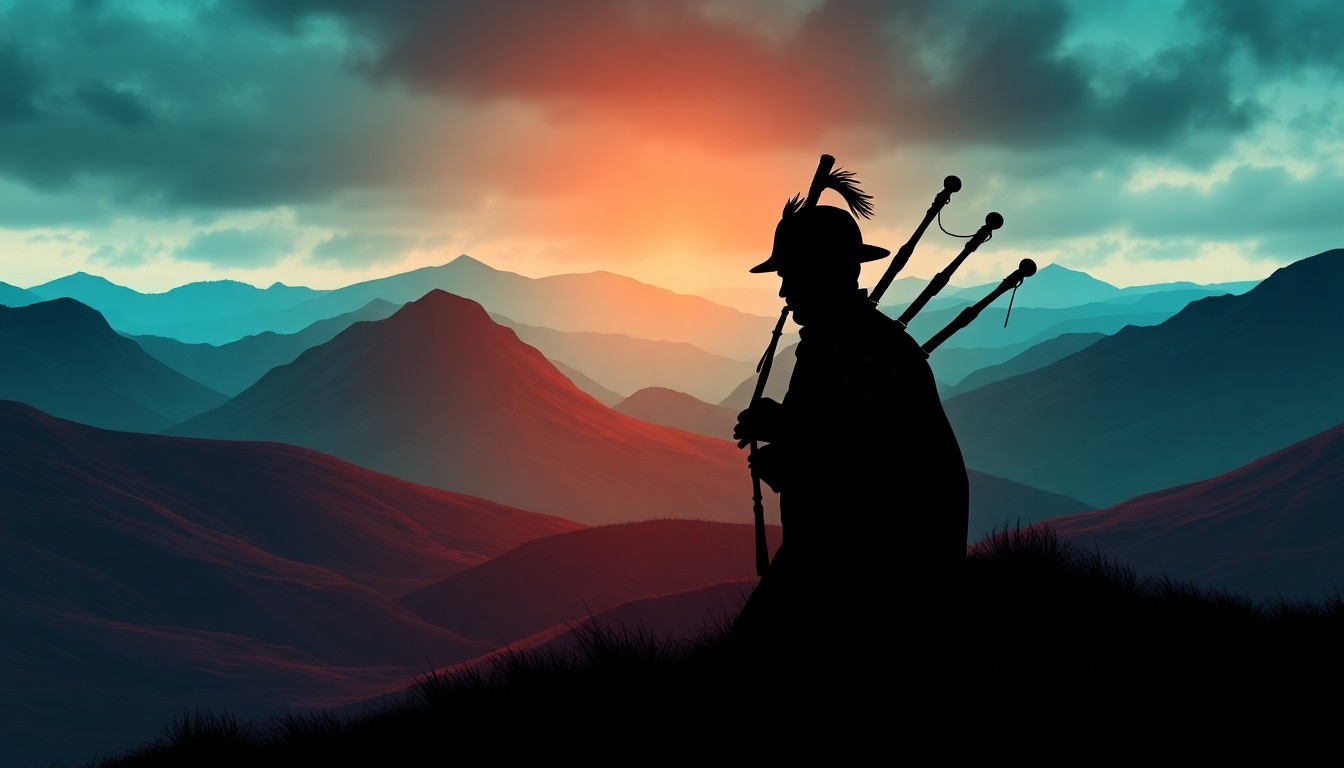
Few accents carry as much raw personality as a Scottish voice.
Deep, confident, unmistakably distinct. The Scottish accent doesn't blend into the background. It commands attention from the first syllable, carrying centuries of character that audiences across the world recognize and respond to. Whether it's the rolling Rs of the Highlands, the clipped energy of Glasgow, or the measured intensity of Edinburgh, Scottish voices create an immediate impression that generic AI voices simply can't replicate.
Content creators who use a Scottish AI voice in their work report something interesting: engagement goes up. Not because Scottish accents are inherently better than others, but because they're distinctive. In a digital landscape saturated with American and neutral-accented voiceovers, a well-executed Scottish voice is a pattern interrupt. It makes viewers stop scrolling.
This guide covers everything you need to know about generating Scottish AI voices. We'll walk through the most recognizable Scottish celebrity voices available for AI generation, the best use cases for Scottish accents in content creation, how to write scripts that sound authentically Scottish, and the tools that give you the best results. By the end, you'll have everything you need to add real Scottish character to your content.
Why the Scottish Accent Works So Well for AI Voice
The Scottish accent isn't one thing. It's dozens of regional variations, each with its own distinct character.
Highland Scottish carries a melodic, unhurried quality that works beautifully for storytelling and documentary narration. Glaswegian (from Glasgow) has a sharp, punchy energy with a working-class authenticity that resonates in gaming content and comedy. The Edinburgh accent is crisper, more measured, often associated with education and authority. Orcadian and Shetlandic dialects have Viking influences that give them an otherworldly quality unique in British English.
This variety is what makes Scottish accents so versatile. You're not locked into one tone or one use case.
The psychological effect is real too. Research on accent perception consistently shows that Scottish accents rank highly on authenticity and trustworthiness. Audiences read them as genuine, unfiltered, direct. That directness translates across content types, from gaming commentary to educational narration to comedic sketches. A Scottish voice feels like someone who means what they say.
TryAIVoices offers access to authentic British and Scottish celebrity voice models, letting you generate studio-quality Scottish accented voiceovers without hiring voice actors or booking recording sessions.
 Photo by Micah Sammie Chaffin on Unsplash
Famous Scottish Celebrities with Iconic AI Voices
The real power of Scottish AI voice generation comes from capturing specific famous voices. These are voices with enough distinctive character that audiences recognize them immediately, and that recognition creates an emotional response no generic voice model can match.
Sean Connery - The Gold Standard
Sean Connery's voice is one of the most imitated in history. The rich, unhurried Scottish baritone. The way he rolls certain consonants. The confident, slightly wry delivery that made every line feel like a statement rather than a question.
His voice carries specific phonetic markers that AI models can capture: the distinctive treatment of "S" sounds at the start of words, the elongation of certain vowels, the authoritative cadence that never rushes. Writers who've worked with Connery-style voice generation often note that the key is writing with confidence, short declarative sentences that let the voice breathe rather than dense paragraphs that fight the delivery.
Connery's voice works particularly well for gaming content (especially spy or action themes), brand voiceovers that need gravitas, documentary narration, and satirical content. The celebrities voice library on TryAIVoices includes options for generating this type of classic British and Scottish celebrity voice content.
James McAvoy - Versatility and Range
James McAvoy represents a different Scottish archetype entirely. His voice is younger, more expressive, with a natural warmth that works across a much wider tonal range than classic character voices. He's equally convincing as an intense dramatic narrator, a quick-witted comedic voice, or a sincere emotional delivery.
The distinctive quality of McAvoy's voice is its adaptability. It reads as intelligent without feeling cold. It carries emotion without feeling overwrought. For content creators who need a Scottish voice that can shift between different emotional registers, this type of voice model offers real creative flexibility.
His voice works well for YouTube video essays, educational content, scripted comedy, and narrative content where you need a voice that can carry a long-form script without becoming monotonous.
Gerard Butler - Action and Intensity
Gerard Butler's voice is built for impact. The intensity, the controlled power, the way each word carries physical weight. If you've ever quoted "This is Sparta!" and tried to match the delivery, you already know the distinctive combination of restraint and force that defines his vocal style.
Butler's voice is particularly effective for trailers, gaming montages, motivational content, and any piece that needs big energy without shouting. The intensity comes from controlled delivery, not volume. Scripts written for this vocal style work best with short, punchy sentences and deliberate pauses. Let the voice do the work.
The movie character voices section of TryAIVoices features options built around this kind of high-impact dramatic delivery.
Ewan McGregor - The Storyteller
Ewan McGregor brings something different to the Scottish voice landscape. His natural speaking voice has a gentle, inviting quality, a warmth that draws listeners in rather than commanding them. But he can shift to intensity when needed, as anyone who's heard his Obi-Wan Kenobi knows well.
McGregor's voice style is ideal for longform narration, podcast content, educational videos, and anywhere you want listeners to feel comfortable staying with the content for an extended period. The voice doesn't demand attention through force. It earns it through presence.
For Star Wars content specifically, the Obi-Wan Kenobi voice generator and related Star Wars AI voices capture the specific qualities of his iconic role. And in the generate section, creators build Star Wars tribute content, fan films, and comedic mashups using this type of AI voice.
Billy Connolly - Raw Charisma
Billy Connolly's voice is in a category of its own. The Glaswegian comedian with fifty years of live performance behind him developed a voice that's part stand-up delivery, part storytelling, part pure force of personality. When he speaks, you listen, not because you're commanded to but because something in the delivery makes you want to know what comes next.
That storytelling quality is what makes his voice style so valuable for content creators. Videos narrated with this kind of voice have a natural pull, a forward momentum that keeps viewers watching. It's the audio equivalent of a page-turner.
Connolly's style works brilliantly for comedy content, reaction videos, travel content, and anything that benefits from a narrator who sounds like they've genuinely seen everything and have opinions about all of it.
Karen Gillan - Clarity and Precision
Karen Gillan's voice brings something Scottish AI voice discussions sometimes overlook: the female Scottish accent. Her voice has a clarity and precision that cuts through ambient noise, a quality particularly valuable for content that needs to be understood clearly on the first listen.
Her speech patterns are measured without being slow, intelligent without feeling academic. For female-voiced Scottish content, her style represents a versatile option across gaming, educational, comedic, and narrative content.
Robert Carlyle - Intensity and Texture
Robert Carlyle's voice has a texture that's hard to replicate but immediately recognizable. The raw edge, the emotional complexity that sits just beneath the surface. His voice carries a kind of quiet danger that makes it fascinating even in neutral readings.
For dramatic content, character narration, and any creative work that needs a voice carrying genuine emotional weight, this style is compelling. The voice library includes options for gravelly, intense character voices that capture this kind of texture.
 Photo by Gaspar Costa on Unsplash
How to Generate Scottish AI Voices with TryAIVoices
The generation process on TryAIVoices is built for speed. No technical expertise required. No audio engineering background needed.
Start by browsing the voice library. For Scottish and British accents, the celebrities section and movies section are the most relevant starting points. You'll find voice models organized by category, making it easy to identify the style and personality that fits your content.
Once you've selected a voice, the generation process takes seconds. Type or paste your script into the text input field. The system processes your text and generates an audio file you can preview immediately. If the pacing feels off or you need adjustments, modify your script and regenerate. With a subscription plan, you have credits to experiment and iterate until you get the result you need.
Practical generation tips for Scottish voices:
Write shorter sentences. Scottish speech patterns naturally tend toward direct, declarative statements. Long complex sentences often lose the accent's distinctive rhythm in AI generation. Break content into shorter, punchy chunks and the natural speech patterns come through more cleanly.
Use punctuation strategically. Commas and periods create natural pauses that help the AI model deliver speech with authentic rhythm. Don't try to get everything into one long breath. Scottish speech, particularly in conversation, uses pauses effectively.
Avoid heavy slang in the script itself. Let the voice model do the accent work. Scripts loaded with Scottish dialect spellings can confuse the text-to-speech system. Write clean, standard English and let the voice model handle the distinctive phonetic qualities.
Test different scripts. The same sentence delivers differently depending on word choice and structure. If a particular line sounds flat, try rewriting it with stronger verbs and more direct phrasing.
The tips page on TryAIVoices offers detailed guidance for getting the best results from any voice model, including accent-based generation.
Top Use Cases for Scottish AI Voice
Gaming Content
Scottish voices have a natural home in gaming content. The directness, the intensity, the way Scottish speech patterns project confidence, all of these qualities fit the energy of gaming videos, trailers, and commentary.
For action game trailers or montage videos, a Gerard Butler-style intense Scottish delivery creates the kind of gravity that makes viewers pay attention. For gaming commentary and reaction content, the warmth and authenticity of a Billy Connolly-style voice keeps things entertaining without feeling artificial.
Historical game content, particularly anything touching on medieval Europe, Viking history, or Scottish historical settings, benefits enormously from an authentic Scottish voice. Games like Assassin's Creed, Total War, and similar titles have built whole worlds around this kind of historical authenticity, and content about those games resonates better with a voice that fits the setting.
The gaming voices section includes options that pair well with this type of content. And for broader gaming voice discussions, our gaming content guide covers strategies that apply across platforms.
YouTube Documentary and Educational Content
Documentary-style content thrives with a Scottish voice narrator. There's something about the accent, particularly Highland Scottish tones, that feels inherently suited to nature, history, and educational content. Part of this is David Attenborough adjacent associations, though he's English, the broader British accent landscape has built strong associations between these voices and authoritative knowledge-sharing.
Educational YouTube channels that add a Scottish AI voice narrator often find viewers associate the content with higher production quality and deeper credibility. The accent itself signals care and intentionality.
For history channels, science explainers, and documentary-style content, a measured Scottish voice keeps viewers engaged through complex information in a way flat, neutral voices can't match.
Podcast Content and Intros
Podcast branding relies heavily on voice. The voice that introduces your show, reads sponsor messages, or narrates interstitials sets the entire tone for how listeners perceive the content.
A Scottish AI voice intro creates immediate distinctiveness in a podcast landscape where most shows use standard American or neutral British tones. It signals to potential listeners that this show isn't following the template. That alone is worth something in a crowded space.
For creator-hosted podcasts where the host has a different accent, a Scottish AI voice can handle sponsor reads, intro narration, and produced segments without feeling inconsistent if the segments are clearly distinct from the host's natural voice content.
TikTok and YouTube Shorts
Short-form content benefits from the pattern-interrupt quality of Scottish accents. Viewers scrolling through identical-sounding videos stop when they hear something different. A Scottish voice delivers that pause, that moment where the thumb stops moving.
Comedy content, reaction videos, and commentary shorts work particularly well. The natural wit and directness that Scottish speech conveys is perfectly suited to the punchy, quick-take format these platforms reward.
TryAIVoices generates MP3 files you can directly import into video editing software. Layer the audio over your visual content, adjust timing, and export. The workflow is fast enough to fit into a high-frequency posting schedule.
Character Voices and Fan Content
For fan content based on properties with Scottish characters or creators, authentic voice generation opens creative doors that used to require expensive casting decisions.
Think about how many beloved characters have Scottish accents or voices. Groundskeeper Willie from The Simpsons. Scrooge McDuck. Shrek (voiced by Mike Myers doing a Scottish accent). Characters from Brave, Outlander, Doctor Who companions, the list is long. Fan communities around all of these properties create enormous amounts of creative content, and authentic voice generation raises the quality ceiling significantly.
The cartoon voices library and celebrities section both contain options relevant to fan content creators. Related blog posts like our Disney AI voices guide and TF2 AI voice generator cover how creators build fan content around specific character voices.
Memes and Comedy Content
Meme content loves a distinctive voice. The more recognizable, the better. Scottish accents, particularly when applied to absurd or incongruous content, create exactly the comedic contrast that drives viral sharing.
The pattern is simple and effective: take familiar meme formats, apply an unexpected Scottish voice delivery, and watch the contrast do its work. The voice makes ordinary content feel funnier. It gives meme audio that extra something that separates clips people share from clips people scroll past.
For creators who specialize in comedy and meme content, the roast AI voice guide and creepy AI voice generator posts explore related voice strategies that pair well with Scottish accent content.
 Photo by
 How to Write Scripts That Sound Authentically Scottish
Getting authentic Scottish AI voice results is as much about what you write as which voice you use. The script shapes how the AI model delivers the content.
Match the Voice's Natural Rhythm
Different Scottish accents have different speech rhythms. Glaswegian is punchy, fast-moving, likes to get to the point. Highland Scottish is more measured, comfortable with pauses, lets phrases land before moving on. Edinburgh tends toward precision and clarity.
Think about which style fits your content before writing. Then write sentences that match that rhythm. Fast-paced content: shorter sentences, active verbs, minimal qualifying clauses. Measured narrative content: slightly longer sentences with natural pause points built into the punctuation.
Example contrast:
Glaswegian-style pacing: "That's the plan. Simple. You do your part, I do mine. We don't mess this up."
Highland-style pacing: "The thing about these mountains is that they've been here long before us. They'll be here long after. And standing in them, you start to understand why people throughout history have treated them as sacred."
The same voice model will deliver these very differently based on sentence structure alone.
Use Direct, Active Language
Scottish speech patterns favor directness. Passive constructions and hedged language fight against the natural authority of Scottish accents. Active voice sounds more authentic.
Weak for Scottish accent: "It has been suggested that consideration should be given to the alternatives available."
Strong for Scottish accent: "You need to look at your options. Think about what's actually worth your time."
The direct version lets the Scottish voice model do what it does best: deliver confident, clear statements with natural authority.
Incorporate Rhythm Through Sentence Variation
Vary your sentence lengths deliberately. One-word sentences work in Scottish delivery in a way that sounds dramatic rather than abrupt. Build to longer statements. Then punch back to short. This rhythm feels more natural in Scottish speech patterns than constant medium-length sentences.
Example: "That's it. No negotiations. The decision's been made, and if you'd been paying attention you'd have seen this coming from three miles away. Too late now. Move."
Words That Work Well
Certain vocabulary choices land better in Scottish AI voice generation:
Words like "proper," "brilliant," "right," "fine," "aye," and "no" (in the Scottish sense, meaning "not") in the right contexts help establish authenticity. But don't overload the script with dialect markers. One or two natural inclusions signal authenticity. A dozen feel like caricature.
Strong verbs carry Scottish delivery particularly well. Where American English might hedge with "I think that maybe we could consider," Scottish speech often just says "Let's do it." Write for that directness and the voice model responds.
Avoid Phonetic Spelling
Don't try to write phonetically. Don't spell words to approximate the accent. Write standard English. The AI model handles the phonetic interpretation. Attempting to write "och aye the noo" style phonetic dialect creates unpredictable and often broken AI output.
Write the content you want to say. Trust the voice model to handle the accent. That's what it's built to do.
Punctuation as Performance Direction
Commas, periods, and ellipses function as timing directions for AI voice generation. A period creates a brief stop. A comma creates a slight pause. An ellipsis signals a longer, more loaded pause.
For dramatic Scottish delivery: "You had one job... and you didn't do it."
For punchy command delivery: "Get up. Try again. Do it properly this time."
Experiment with punctuation to control pacing before you finalize your script.
 Photo by Panos Sakalakis on Unsplash
Comparing Scottish AI Voice Platforms
Multiple platforms offer accent-specific or celebrity voice generation. Understanding where they differ helps you choose the right tool for your specific content needs.
TryAIVoices
TryAIVoices focuses on celebrity and character voice models. The library spans political figures, entertainers, cartoon characters, movie characters, and musicians, with options relevant to Scottish and British accent content throughout. The platform runs on a subscription model (Starter, Pro, Unlimited plans), meaning you get credit packages to generate audio rather than paying per generation.
The main advantages for Scottish accent content: authentic celebrity voice models rather than generic "Scottish accent" sliders, a large library of British and international celebrity voices to pair Scottish content with, and fast generation that fits creator workflows.
Check the pricing page for current plan options.
ElevenLabs
ElevenLabs offers voice cloning and a broad library of voice styles. For Scottish accents, they provide accent sliders and pre-built voice models, though the celebrity-specific voice quality that's ideal for recognizable Scottish voices isn't their primary focus. Their strength is in customizable voice cloning for original voice creation. See how TryAIVoices compares to ElevenLabs for a detailed breakdown.
Murf AI
Murf focuses on professional voiceover production. They offer British accent options but with less emphasis on recognizable celebrity voices. Their interface suits teams producing professional audio content. Compare TryAIVoices with Murf AI for specifics on the differences.
Play.ht
Play.ht emphasizes natural-sounding text-to-speech for business and educational use cases. Scottish-specific voice options are available but limited compared to dedicated celebrity voice platforms.
For content creators wanting specifically Scottish celebrity voices rather than generic accent options, the celebrity-focused approach of TryAIVoices is generally more relevant.
Audio Enhancement Tips for Scottish Voice Content
Getting good AI voice generation is step one. Getting professional-quality final audio takes a few additional steps that make a noticeable difference.
Noise Reduction
Even clean AI voice output benefits from noise reduction processing. Free tools like Audacity or the noise reduction features built into CapCut and other creator tools can tighten up the audio before you lay it into your video.
Equalization for Accent Presence
Scottish voices benefit from slight presence boosts in the 2-4kHz range. This is where the distinctive elements of Scottish speech sit in the frequency spectrum. Boosting this range subtly makes the accent characteristics more pronounced without affecting the overall quality of the voice.
Avoid boosting the low end too aggressively. Scottish voices carry their character in the midrange and upper-midrange. Over-boosting bass can make the voice sound muddy.
Appropriate Reverb
Light room reverb (not hall reverb) can make AI voice sound warmer and more natural. A room reverb with a short pre-delay (around 15-20ms) and a decay of around 0.8-1.2 seconds works well for narration content. For gaming trailers or dramatic content, a slightly longer decay can increase the cinematic quality.
Compression for Consistency
AI voice output can have minor volume variations across the generation. Light compression (3:1 to 4:1 ratio) evens these out and gives the final audio a more polished, broadcast-ready quality.
The tips page on TryAIVoices covers audio enhancement techniques that work across all AI voice generation types.
Legal and Ethical Considerations
AI voice generation exists in a rapidly evolving legal landscape. Understanding the basics helps you create responsibly.
Celebrity Voice Use
AI voice models based on celebrity voices occupy a complex legal space. The general principles are consistent: clearly satire or parody content carries strong legal protection in most jurisdictions. Commercial use that implies endorsement, or that could be mistaken for the real person, carries much more risk.
Label your content appropriately. "AI-generated voice" in your video description or visible in the content itself creates transparency that reduces legal exposure and builds audience trust. Audiences who know the content is AI-generated still engage with it, especially when the voice work is high quality.
Political Voice Content
Political figures like politicians occupy different legal ground than entertainers in some jurisdictions. Satire is broadly protected. Content that deliberately misleads viewers into thinking a politician actually said something specific (without clear satirical framing) can create problems.
The presidents AI voice generator guide covers the specific legal considerations for political voice content in more detail.
Platform Policies
TikTok, YouTube, and Instagram each have evolving policies around AI-generated content. Most currently require disclosure of AI-generated or AI-assisted content in certain contexts. Check the current policies for each platform you publish on and disclose AI voice use where required.
Commercial Use
For commercial projects, promotional content, or content produced for clients, understand the terms of service for whatever voice platform you use. TryAIVoices' terms specify what commercial uses are permitted under each subscription tier.
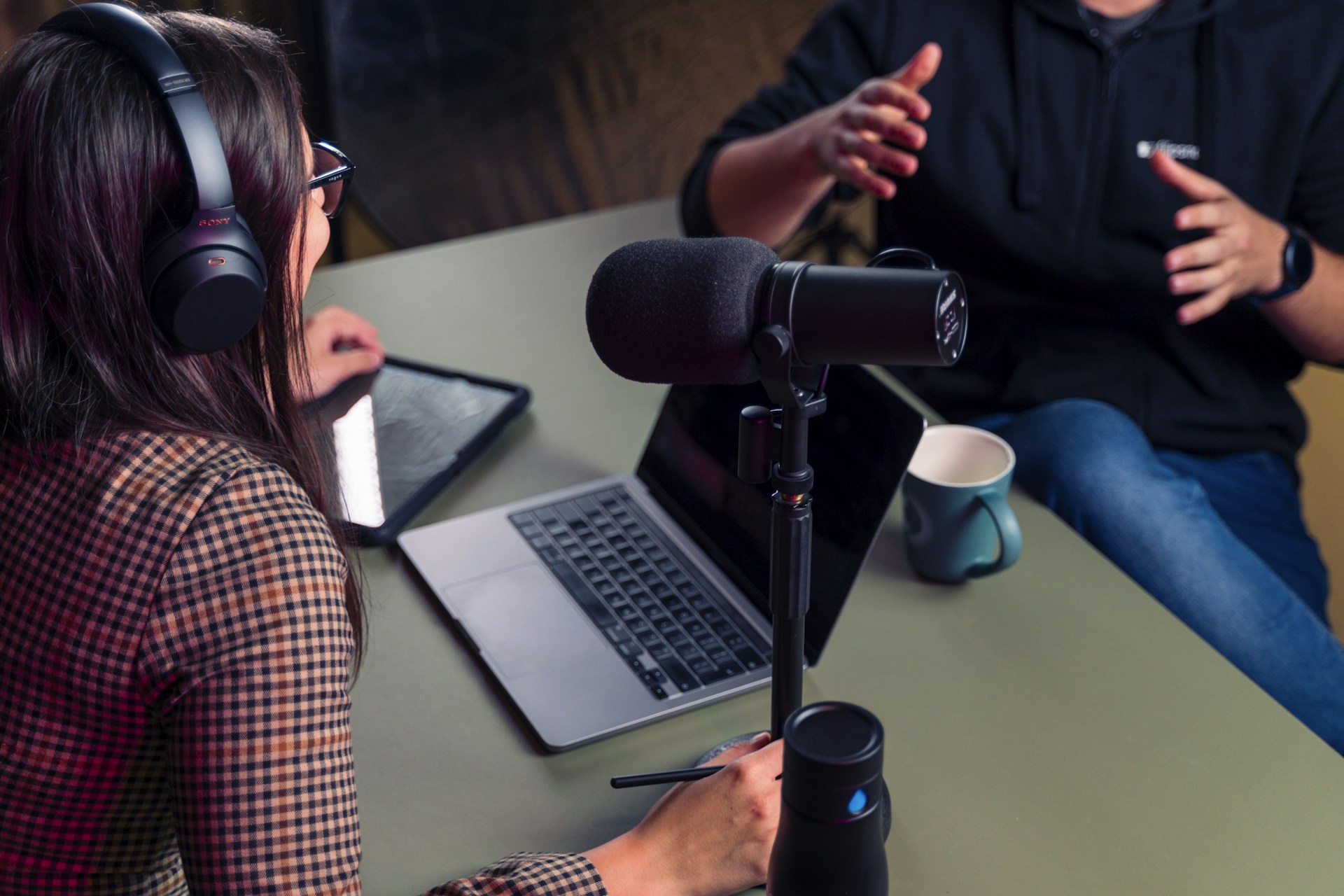 Photo by Flipsnack on Unsplash
Scottish Accent for Specific Platforms
Different platforms reward different approaches to accent-based content.
YouTube Long-Form
YouTube's algorithm rewards watch time above almost everything else. A distinctive Scottish voice narrator keeps viewers engaged through longer content by providing an audio experience that doesn't feel like the same generic voiceover they've heard on fifty other channels.
For documentary-style content specifically, Scottish narration has a particular resonance. Historical content, nature content, travel content, serious analysis pieces, all of these categories benefit from the authority and authenticity of a well-chosen Scottish voice.
The YouTube creators guide covers broader strategies for using AI voices to enhance long-form YouTube content.
TikTok
TikTok rewards the pattern interrupt. The platform's content is so dense that anything genuinely unusual gets rewarded with shares and saves. A Scottish AI voice narrating a cooking tutorial, a history lesson, or a gaming moment creates the contrast that stops thumbs.
Keep it punchy for TikTok. Short sentences. Fast delivery. Scripts for TikTok should be around 150-200 words for a 60-second video. That's tight enough to force the punchy, direct sentence structure Scottish voices deliver best.
The TikTok use case guide covers specific strategies for creator content.
Instagram Reels
Instagram audiences tend to respond well to slightly more polished production. A Scottish AI voice works well here when paired with high-quality visuals and a slightly more measured delivery than TikTok demands.
Travel content, lifestyle content, and aspirational content all play well on Instagram. Scottish voices carry an adventurous, character-driven quality that fits these content types naturally.
Podcasts
Podcast listeners are particularly engaged audiences. They're choosing to spend extended time with your content rather than passively scrolling past it. That engagement level means they'll notice and appreciate the distinctive quality of a well-produced Scottish voice narration.
For scripted podcast segments, AI Scottish voice narration can significantly elevate production quality without requiring professional voice actors. The audio quality tips on TryAIVoices are particularly relevant for podcast use cases.
Creative Content Ideas Using Scottish AI Voices
Inspiration often comes from seeing what's working for other creators. Here are specific content ideas that work particularly well with Scottish AI voices.
Historical narration: Scotland's own history is endlessly dramatic. Wars of independence, Viking raids, Highland clearances, Jacobite risings, the Union with England. There's enough material for hundreds of history videos, and an authentic Scottish voice narrating Scottish history has an obvious natural fit.
Fantasy and mythology content: Celtic mythology, Scottish folklore, stories of selkies and kelpies and the Seelie Court, all of these have devoted audiences. Scottish voice narration gives fantasy content an atmosphere that generic American voices can't provide.
Gaming highlights with commentary: Applying a Scottish commentary voice to gaming highlights, particularly for games with Scottish, Viking, or medieval settings, creates an entertainment layer that pure gameplay footage lacks.
Reaction and commentary videos: Taking a traditionally serious topic and applying a direct, slightly irreverent Scottish voice creates an entertainingly refreshing perspective. Scottish directness works as a comedic device.
Parody and satire: Celebrity Scottish voices applied to absurd content have strong comedic potential. The contrast between the natural gravitas of a Connery-style voice reading mundane content, shopping lists, assembly instructions, customer service scripts, is a format that audiences consistently enjoy.
Voice comparisons: "Different AI voices react to..." type content where you compare how different celebrity voices deliver the same script. Scottish voices versus American voices versus British voices doing the same thing creates genuine entertainment value while showcasing the platform.
Browse the full voice library for inspiration on which voices to pair with Scottish content for contrast and comedy.
Building a Scottish Voice Content Strategy
Consistency matters more than individual viral moments for sustainable channel growth. A Scottish AI voice strategy built around regular content outperforms one-off experiments.
Choose a voice style and stick with it. If your channel uses a Connery-style gravitas voice for narration, use it consistently. Audiences come back because they know what they're getting. The voice becomes part of your brand identity.
Build scripts in batches. Generate multiple pieces of Scottish AI voice audio in a single session, since you'll have the workflow set up, your script style will be consistent, and you can bank content for future publishing. This is particularly efficient with a subscription plan where you have a credit pool to work with.
Pair the voice with complementary visual production. A great Scottish AI voice on mediocre visuals is a waste of the audio quality. Invest equally in thumbnails, b-roll footage, and editing. The voice should elevate the visual content, not carry it alone.
Track what resonates. Which Scottish voice style gets the most comments? Which content type generates the most shares? AI voice generation is fast enough to experiment and iterate. Use that speed deliberately.
The guide page walks through the complete process for getting started with AI voice generation on the platform.
Frequently asked questions
What is the best Scottish AI voice generator?
TryAIVoices offers celebrity-quality Scottish and British accent voice models across a large library. For recognizable Scottish celebrity voices specifically, platforms with celebrity voice modeling outperform generic accent sliders. For custom original Scottish voice creation, ElevenLabs voice cloning is also worth exploring. See the full comparison for a detailed breakdown.
Can I use a Scottish AI voice for commercial projects?
This depends on the voice model and platform terms. TryAIVoices subscription plans specify commercial use rights. Celebrity voice models typically allow clearly satirical or clearly fictional content but restrict use that implies celebrity endorsement of products or services. Check the terms page for specifics, and when in doubt, use clearly fictional or satirical framing in your content.
How do I make a Scottish AI voice sound more authentic?
Write short, direct sentences that match the natural rhythm of Scottish speech. Avoid passive constructions. Use punctuation to create natural pauses. Don't attempt phonetic dialect spelling in your script. And choose a voice model built specifically on Scottish or British celebrity voices rather than a generic accent filter. The tips page has additional guidance.
Is there a free Scottish AI voice generator?
Most high-quality Scottish AI voice generation requires a subscription plan. Free trials exist on several platforms, letting you test quality before committing. TryAIVoices pricing shows current Starter, Pro, and Unlimited plan options. Starting with a Starter plan gives access to the voice library and a credit package to generate initial content.
What Scottish characters are available for AI voice generation?
TryAIVoices includes options in the celebrities library and movies library relevant to Scottish and British celebrity voices. Browse the full voice library to see the current range. The platform regularly adds new voice models.
Can I use Scottish AI voices for gaming content?
Absolutely. Scottish AI voices work particularly well for gaming content given their natural authority and distinctiveness. For gaming-specific voice ideas, the gaming voice library and related posts like the Mortal Kombat AI voice guide show how creators use voice generation in gaming contexts.
What's the difference between Scottish and British AI voice generators?
A British AI voice generator covers multiple regional accents including English, Welsh, Irish, and Scottish variations. A Scottish-specific voice generator focuses on the distinct phonetic qualities of Scottish speech, particularly the distinctive Rs, vowel sounds, and cadence patterns that set Scottish English apart from other British regional accents. For specifically Scottish content, choose a platform that distinguishes between these rather than treating all British accents as interchangeable.
Related voices to try
Related guides
Scottish AI voices offer something rare in content creation: instant distinctiveness. The accent carries centuries of character that audiences respond to on a level that generic voice options simply can't reach.
Start generating with TryAIVoices today. Browse the library, pick a voice that fits your content, and add real Scottish character to your next project.